It's time to upgrade your browser

Your current browser is no longer supported on llbean.com. Please upgrade to one of the following for a smoother, safer shopping experience with us:

Tent Coverage

Explore tent coverage options with your tent’s size and setup in mind. As you compare the selection, check each product’s description for dimensions, compatibility and what’s included to help you choose the right match.
Read More
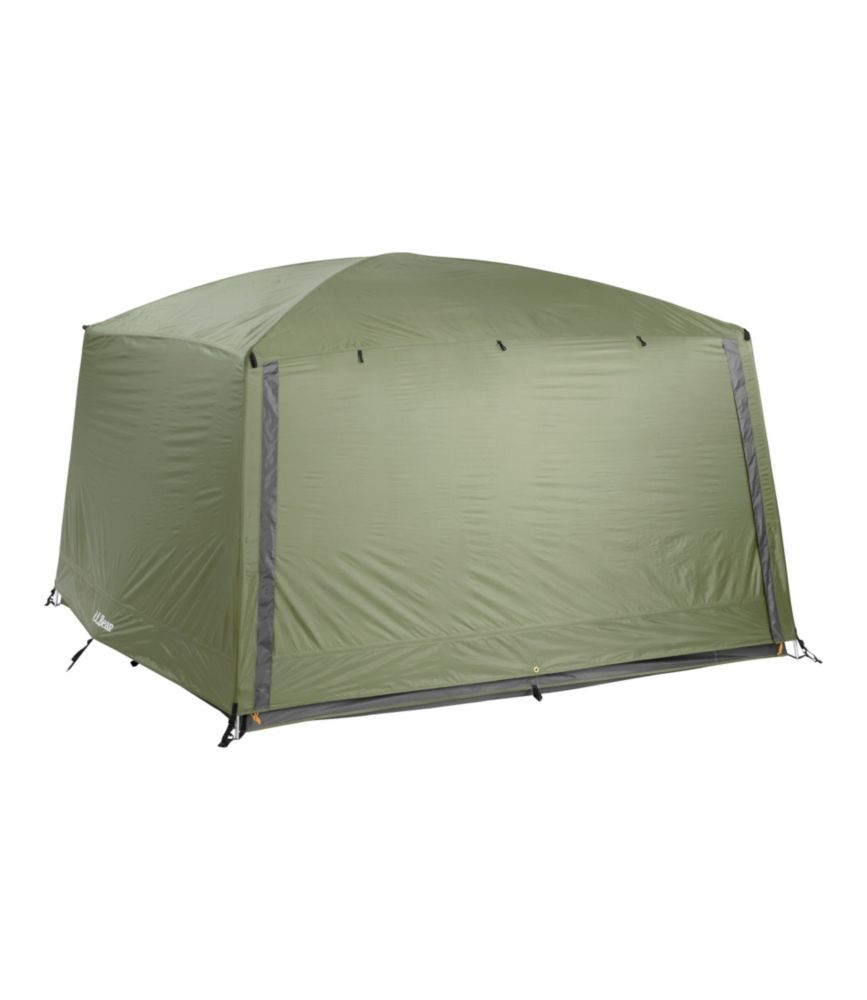
Fly/Floor Kit for Woodlands Screen House
L.L.Bean Fly/Floor Kit for Woodlands Screen House
A green waterproof shelter kit with a 75-denier ripstop polyester fly, taped seams and an easy-clip floor.
(0)
$250 $250
SALE
$250 $250
SALE
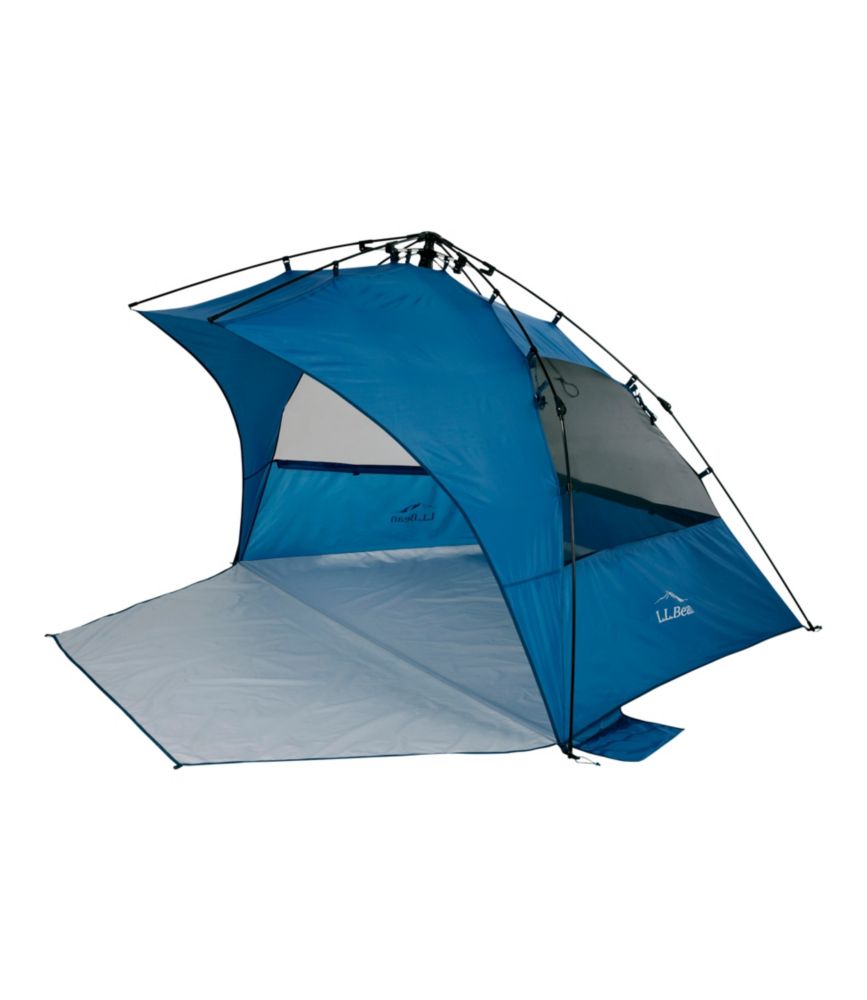
L.L.Bean Sunbuster Shelter
L.L.Bean L.L.Bean Sunbuster Shelter
A blue portable pop-up shelter with recycled polyester, UPF 50+ protection, waterproof coating, and storage pockets.
(0)
$140 $140
SALE
$140 $140
SALE
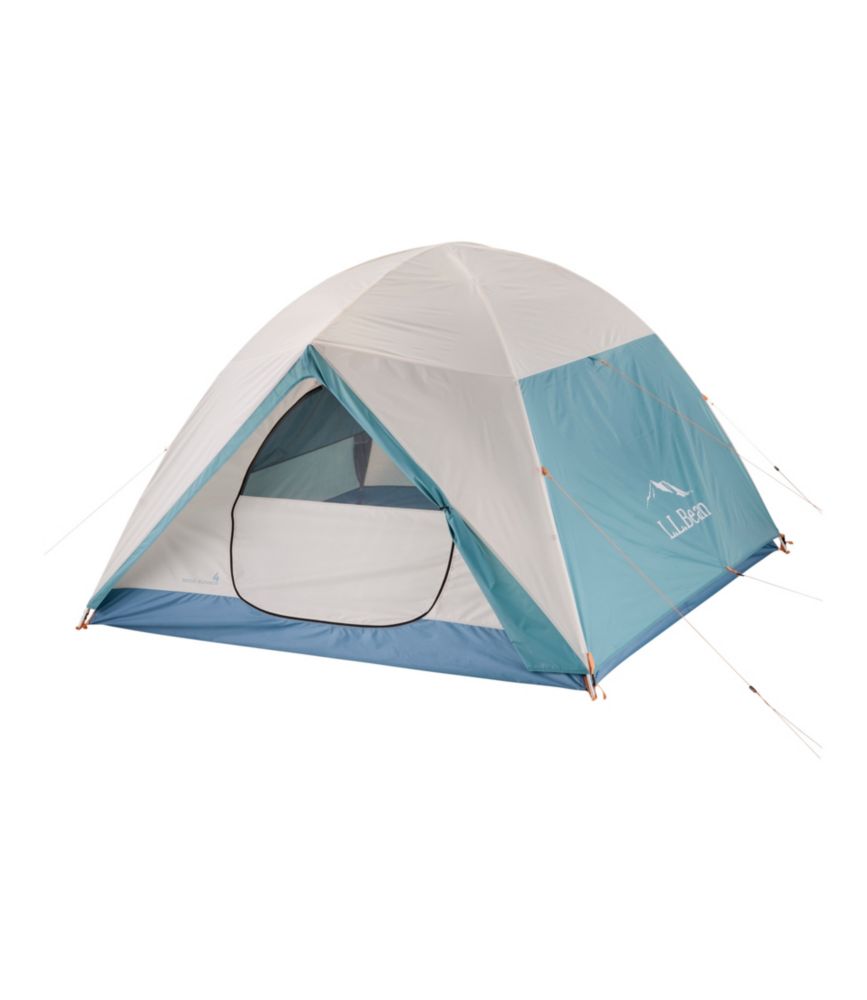
L.L.Bean Ridge Runner 4-Person Tent
L.L.Bean L.L.Bean Ridge Runner 4-Person Tent
A lightweight, multicolor aluminum-frame tent with waterproof polyester, dual vestibules, mesh ventilation, and easy setup.
(0)
$350 $350
SALE
$350 $350
SALE
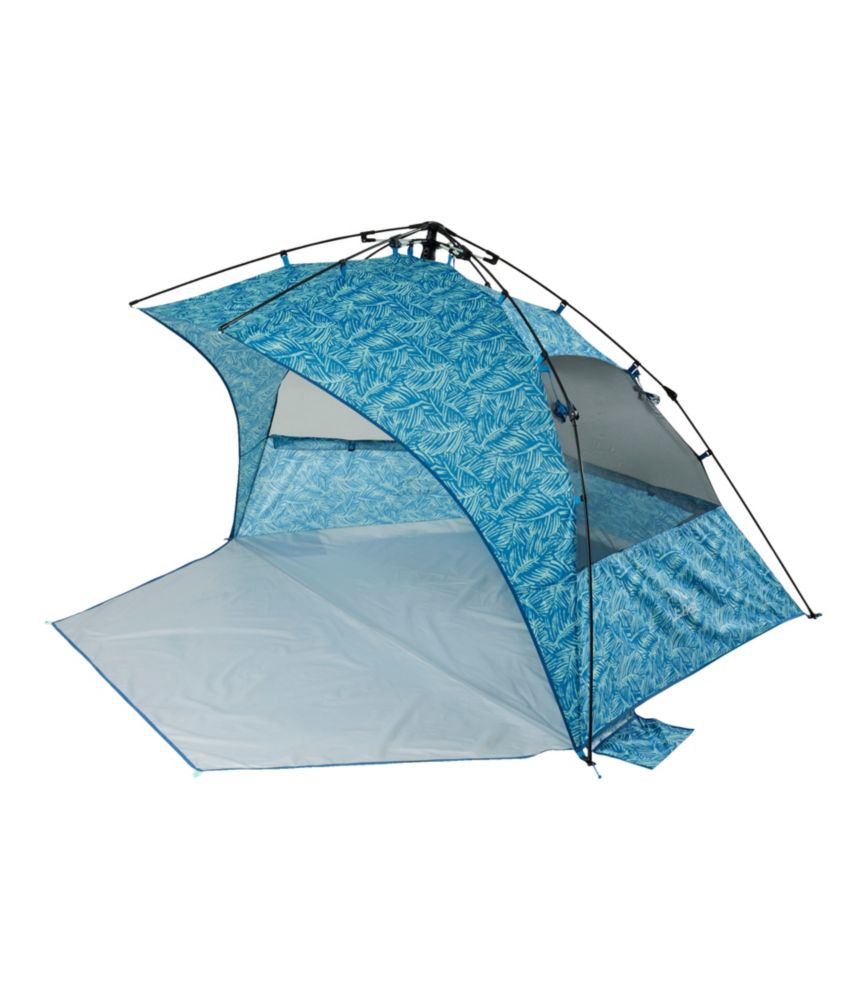
L.L.Bean Sunbuster Shelter, Print
L.L.Bean L.L.Bean Sunbuster Shelter, Print
A blue portable pop-up sun shelter made from UV-resistant ripstop polyester with UPF 50+ protection.
(0)
$140 $118.99
SALE
$140 $118.99
SALE
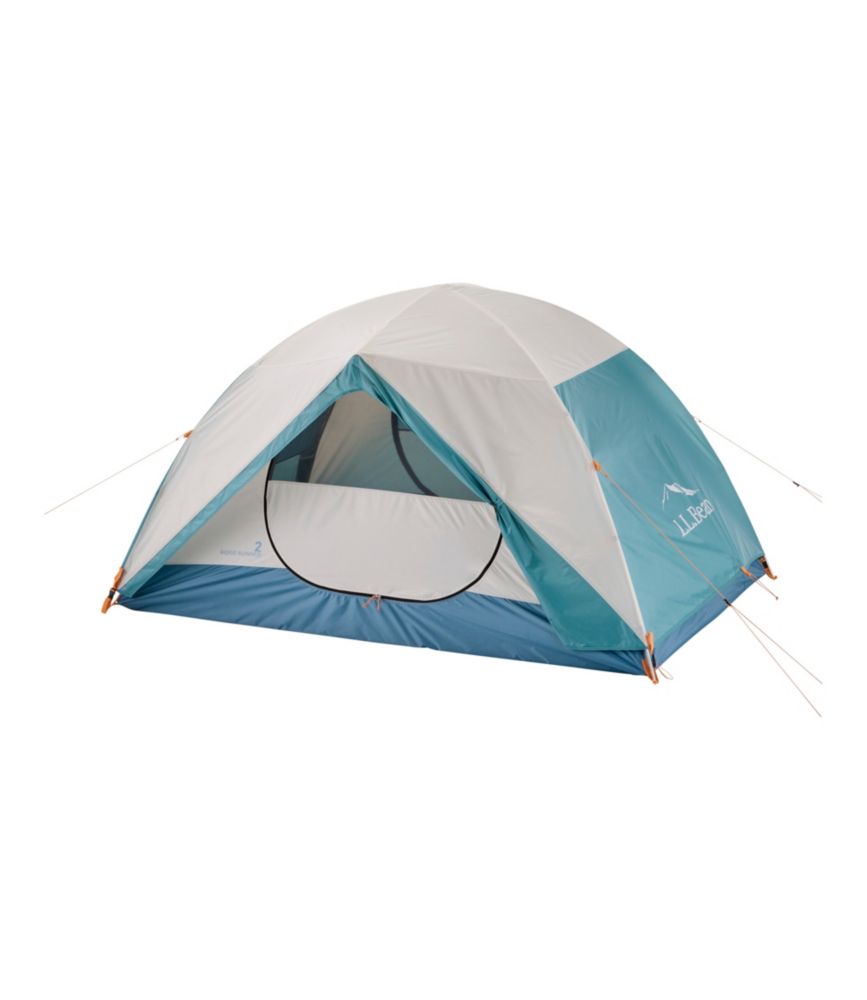
L.L.Bean Ridge Runner 2-Person Tent
L.L.Bean L.L.Bean Ridge Runner 2-Person Tent
A lightweight, waterproof three-season tent with an aluminum frame, dual vestibules, and ventilation for two campers.
(0)
$270 $270
SALE
$270 $270
SALE
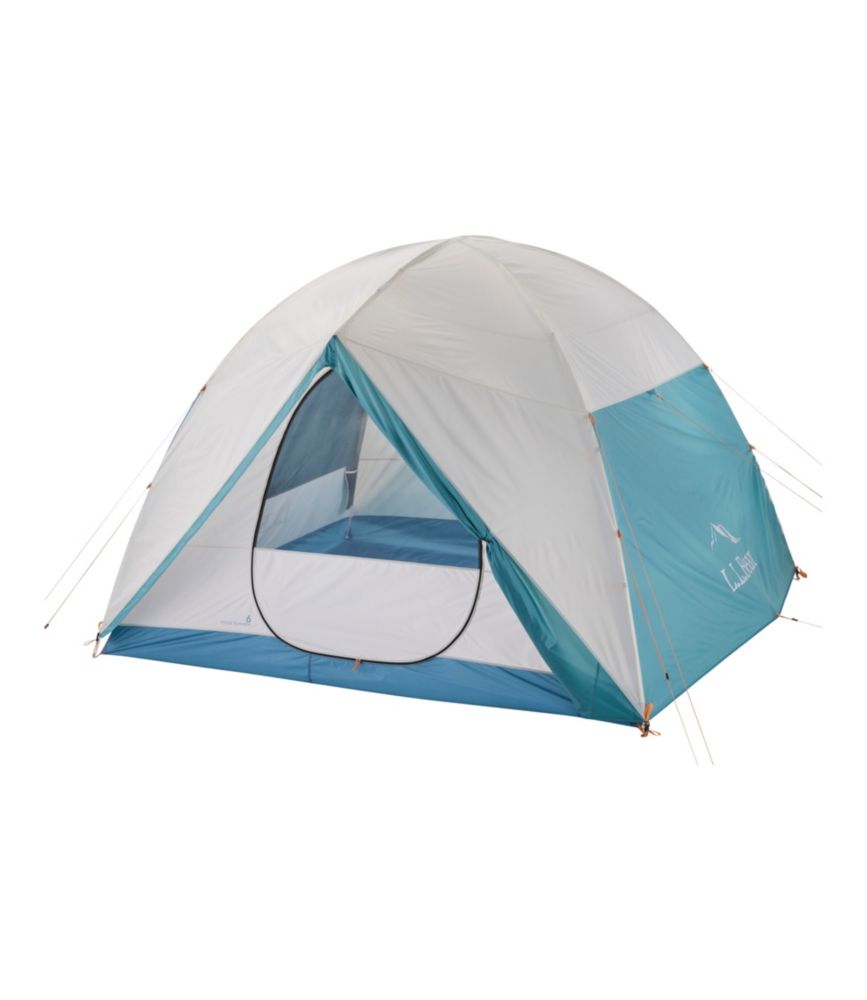
L.L.Bean Ridge Runner 6-Person Tent
L.L.Bean L.L.Bean Ridge Runner 6-Person Tent
A lightweight, waterproof three-season tent with aluminum poles, dual vestibules, double doors, and excellent ventilation.
(0)
$440 $440
SALE
$440 $440
SALE

Tent Coverage

Tent coverage is a broad shopping term for tent covers and related accessories, making the details of each listing especially important. A complete tent, a separate cover, and a component made for a particular tent are different purchases, even when their photographs look similar at first glance. The clearest starting point is what the product includes and how it relates to the tent you already own or are considering. Dimensions, shape, and stated compatibility offer more useful information than a general size description alone. Two tents described with the same capacity may have different measurements and configurations, so a familiar size label does not necessarily mean a separate cover will match. An original product label, a saved order confirmation, or the exact tent name can make comparisons more straightforward. Picture the difference between browsing with only a remembered outline and having the measurements and model information beside you: the second approach gives every detail a little more meaning. Photos can help show a cover’s overall shape, while written specifications provide the particulars needed to understand the purchase. It is also worth distinguishing what appears in a photograph from what is actually included. A tent shown with several components does not, by itself, establish the contents of a separate accessory purchase. For tent coverage, a clearly described match is more useful than a close visual resemblance. That attention to detail keeps the focus on finding an appropriate addition rather than choosing something that merely looks familiar. Whether the purchase involves replacing a known component or considering a different tent altogether, clear product information makes the assortment easier to navigate. The goal is a considered choice with a clear relationship to the rest of your equipment, not an extra piece whose purpose or compatibility remains uncertain. Even a quick comparison becomes more meaningful when the product category, included components, and measurements are understood before appearance enters the decision.

Fit is only one part of comparing tent coverage. Material information, construction details, care directions, and any stated limitations also deserve a place in the decision, without assuming that every cover shares the same characteristics. A broad category name cannot tell the whole story of an individual product. Fabric composition, where provided, is a concrete detail to compare; it is not a substitute for the rest of the description. The same is true of construction: close-up photographs and written details can offer a fuller picture than a single overall image. Quality is easier to consider when the information is specific, and durability deserves more than an assumption based on appearance. For a separate component, the location and arrangement of attachment points may be relevant alongside overall measurements, particularly when compatibility is limited to named tents. A small difference on paper can be a meaningful distinction in the purchase. Care information belongs in that comparison as well. Cleaning and storage directions should come from the individual product rather than from habits developed with another piece of equipment. A familiar-looking cover may have different care requirements, and those requirements are part of understanding ownership before making a selection. Think about where the item will be kept, how its identifying information will be retained, and whether the household will be able to distinguish it from similar equipment. Keeping the product name with its care information creates a useful reference for a later replacement or another purchase. These are modest details, but they bring order to a category in which several pieces may look alike when folded. Appearance can still have a place in the choice, especially for anyone who appreciates a coordinated collection of outdoor equipment. It simply works best alongside clear specifications rather than in place of them. A thoughtful comparison gives equal attention to what the cover is, what it matches, and what its individual care instructions require.

The people choosing tent coverage bring different starting points to the same assortment. One person may have the original tent information carefully filed away; another may be sorting through equipment shared by a household and trying to identify the right component. Someone making a first purchase may be comparing complete tents and accessories at the same time. Each situation calls for a slightly different emphasis, but all benefit from keeping the intended purchase clear. For shared equipment, a short list of what is already owned can be more helpful than several people working from memory. The tent’s exact name, relevant measurements, and the component being considered create a common reference, whether the decision happens around a kitchen table or through a few exchanged photos. A gift deserves the same care. Tent coverage can be a personal equipment choice, so knowing the recipient’s exact tent and preferences is more useful than guessing from a general interest in the outdoors. A discreet request for the original product information can preserve the thoughtfulness of the gift while making the selection more informed. For shoppers considering a complete tent as part of the same decision, Spring Tents offers a related category to explore, with each product’s own description providing the necessary details. Keeping a complete-tent purchase distinct from a separate-cover purchase makes both easier to evaluate. There is no need to treat every accessory as an automatic addition; the most considered choice is the one that corresponds to an identified need and a documented match. It may be a replacement for a familiar component, or it may be part of choosing equipment for the first time. Either way, an approachable selection process rests on clear information rather than complicated terminology. Tent coverage is easier to compare when the essentials stay in view: the type of item, what is included, the stated compatibility, the dimensions, and the care information that applies to that particular purchase.
Read More

FAQs