It's time to upgrade your browser

Your current browser is no longer supported on llbean.com. Please upgrade to one of the following for a smoother, safer shopping experience with us:

Spring Tents

Shop spring tents with your group size and space needs in mind. Explore the selection and compare each tent’s listed capacity, dimensions and setup details to help narrow your choices and find an option that fits your plans for the season.
Read More
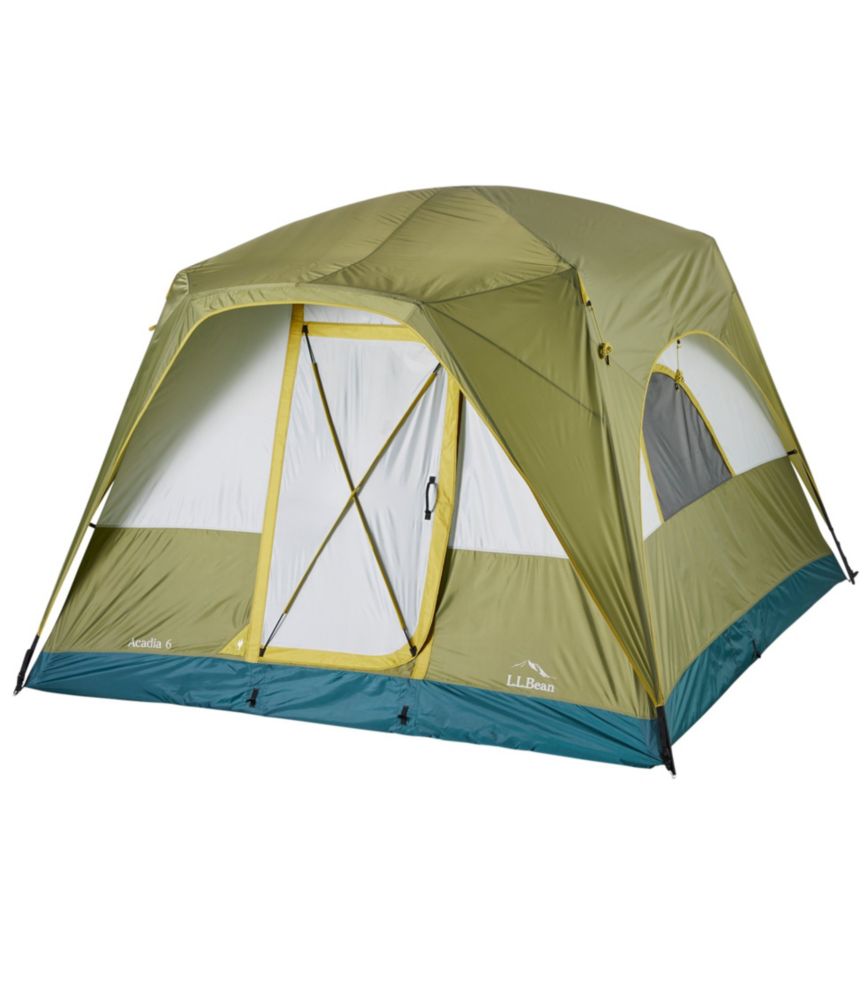
L.L.Bean Acadia 6-Person Family Tent
L.L.Bean L.L.Bean Acadia 6-Person Family Tent
An exceptionally roomy 6-person tent with self-closing magnetic door and durable waterproof polyester construction.
(0)
$399 $274.99
SALE
$399 $274.99
SALE
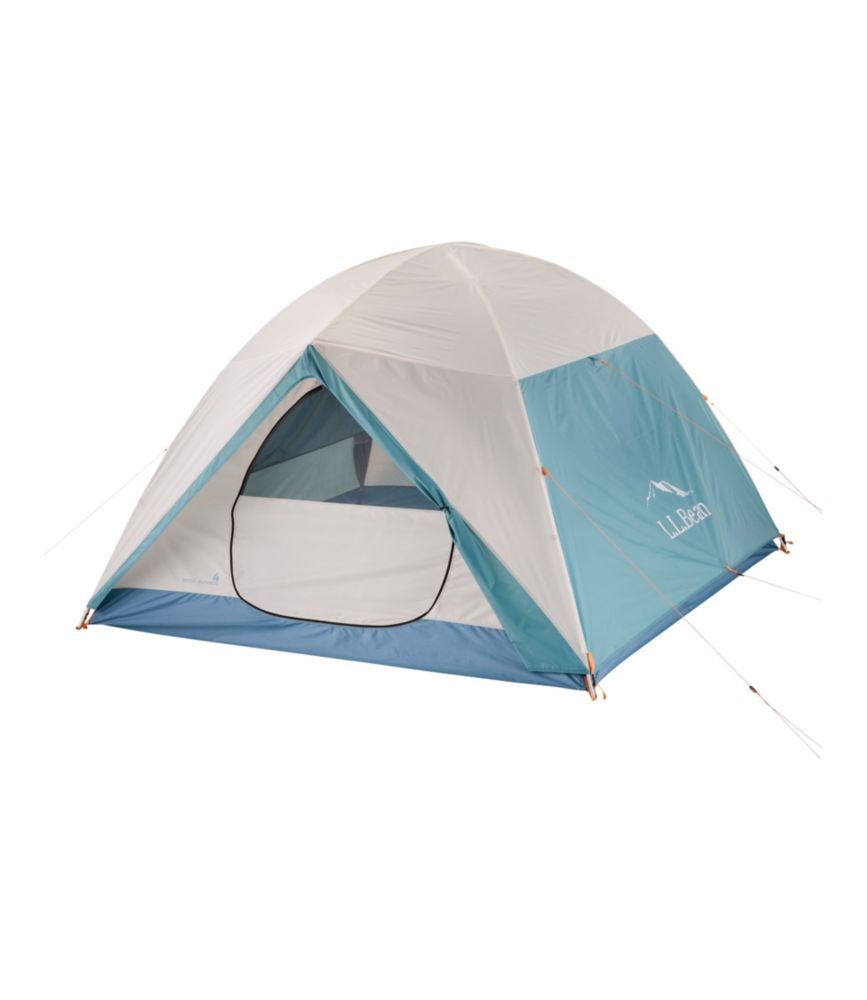
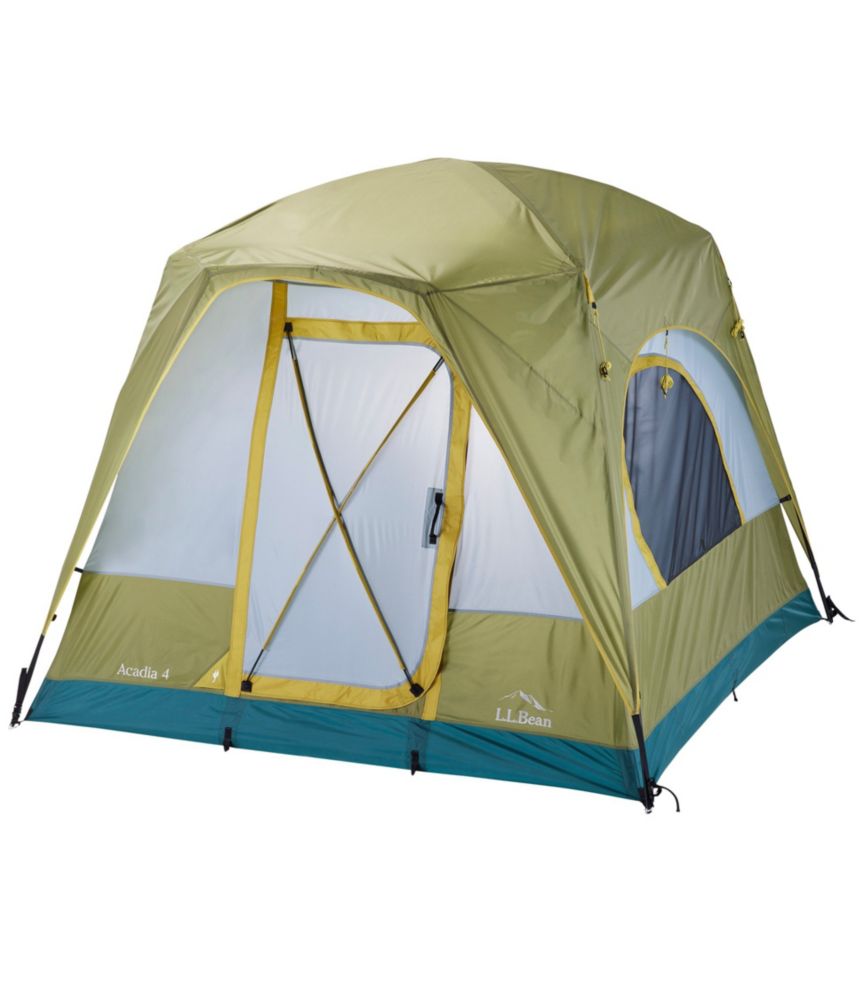
L.L.Bean Acadia 4-Person Tent
L.L.Bean L.L.Bean Acadia 4-Person Tent
An innovative four-person tent with self-closing magnetic door, durable polyester, and No-See-Um mesh windows.
(20)
$349 $239.99
SALE
What customers like:
Perfect fit
Soft material
Warmth
Comfortable
Shorter length
$349 $239.99
SALE
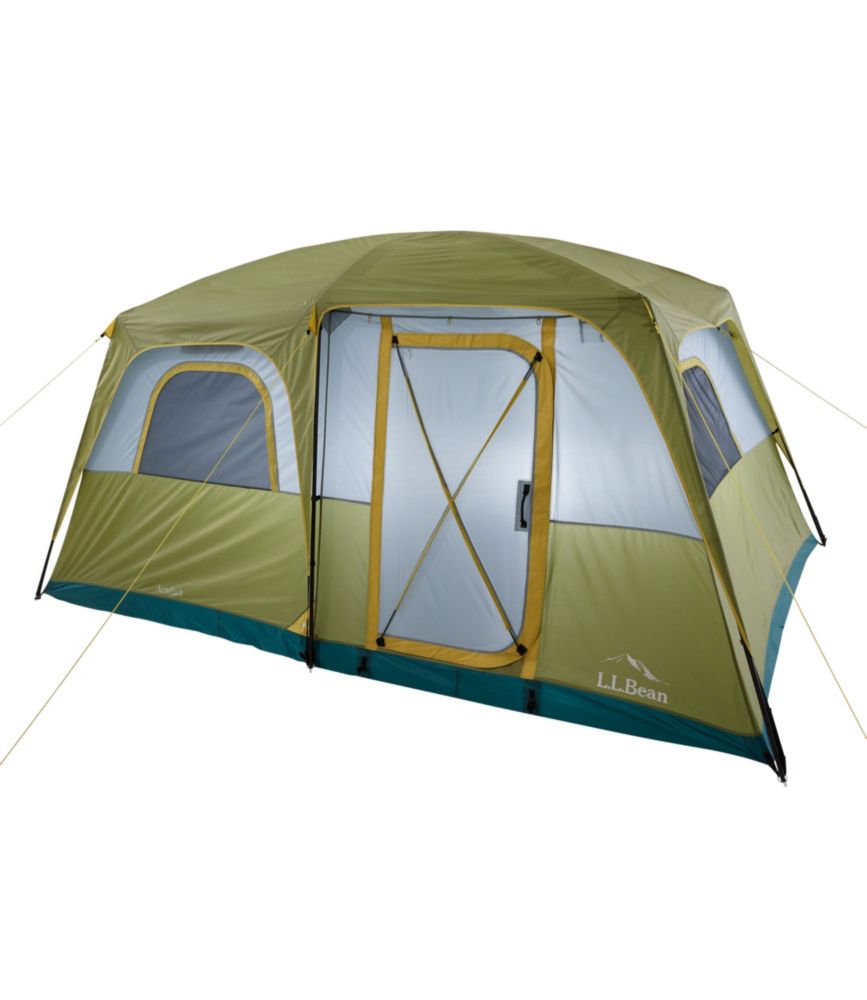
L.L.Bean Acadia 8-Person Cabin Tent
L.L.Bean L.L.Bean Acadia 8-Person Cabin Tent
An exceptionally roomy 8-person cabin tent with a self-closing magnetic door and waterproof polyester fabric.
(0)
$499 $349.99
SALE
$499 $349.99
SALE
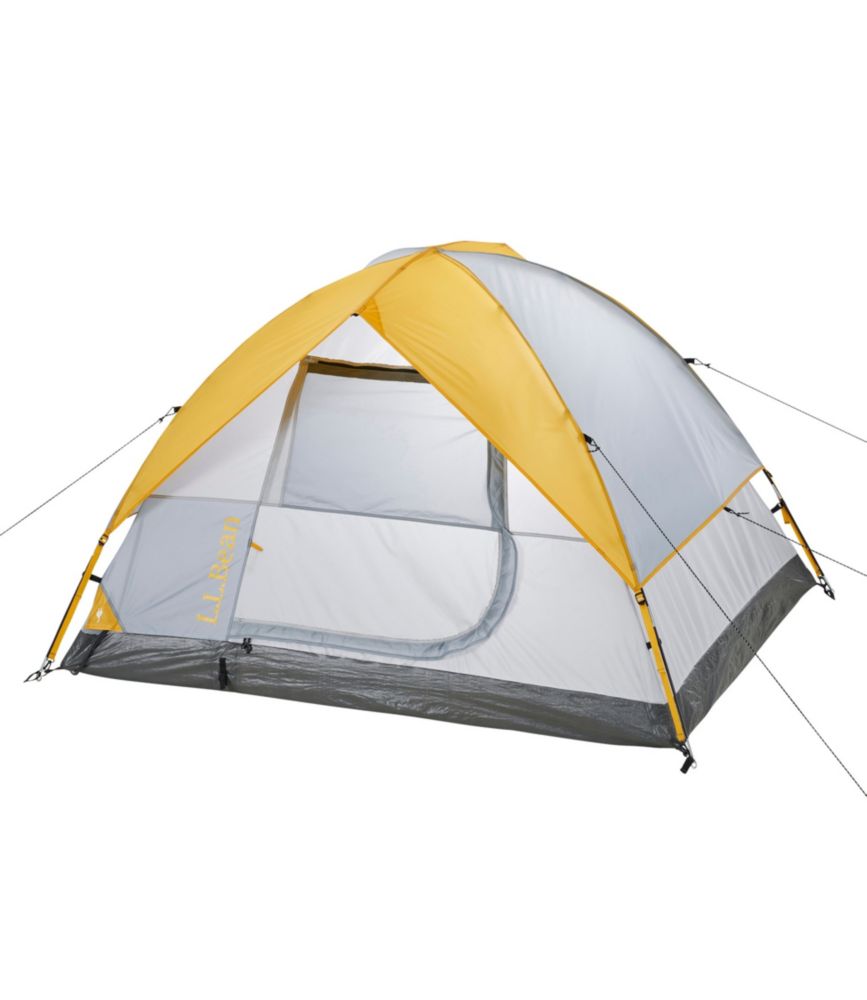
L.L.Bean Access 2-Person Tent
L.L.Bean L.L.Bean Access 2-Person Tent
An affordable, durable 2-person tent with waterproof coating, fiberglass poles, and a rugged polyethylene floor.
(0)
$110 $92.99
SALE
$110 $92.99
SALE
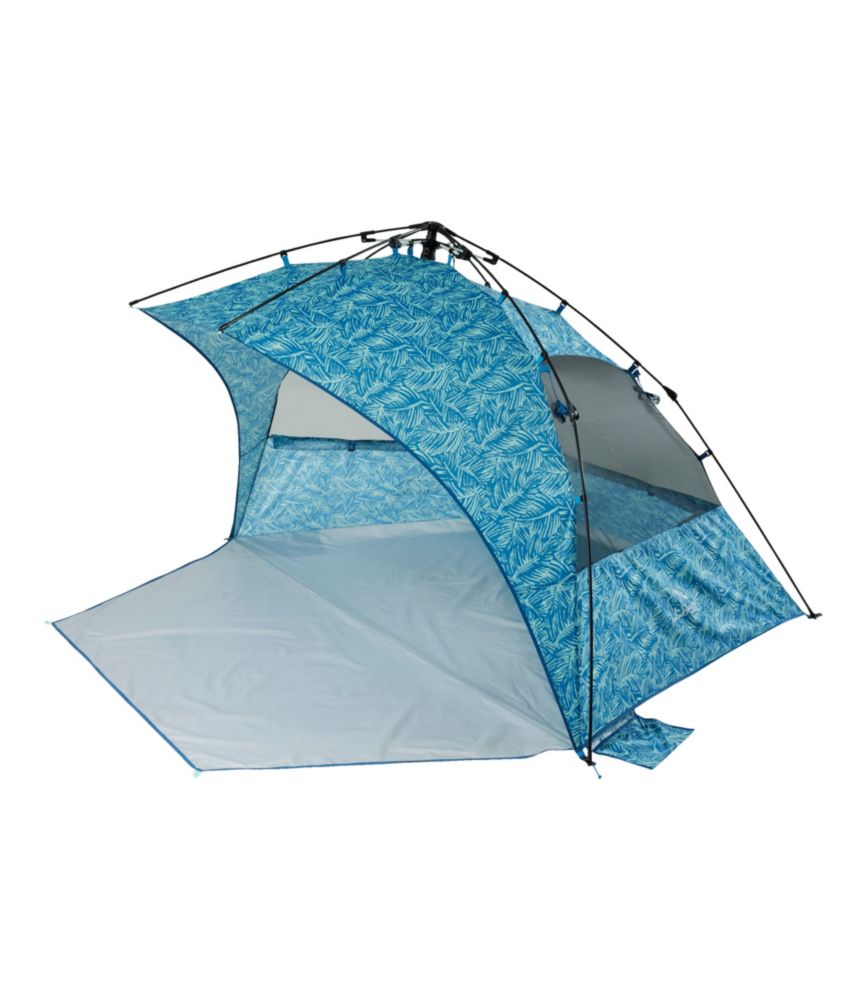
L.L.Bean Sunbuster Shelter, Print
L.L.Bean L.L.Bean Sunbuster Shelter, Print
A blue nylon pop-up sun shelter with UPF 50+ protection, sand pockets, and convenient gear storage.
(0)
$140 $118.99
SALE
$140 $118.99
SALE
L.L.Bean Ridge Runner 4-Person Tent
L.L.Bean L.L.Bean Ridge Runner 4-Person Tent
A lightweight, multi-color aluminum tent with dual vestibules, excellent ventilation, and a waterproof polyester fly.
(0)
$350 $350
SALE
$350 $350
SALE
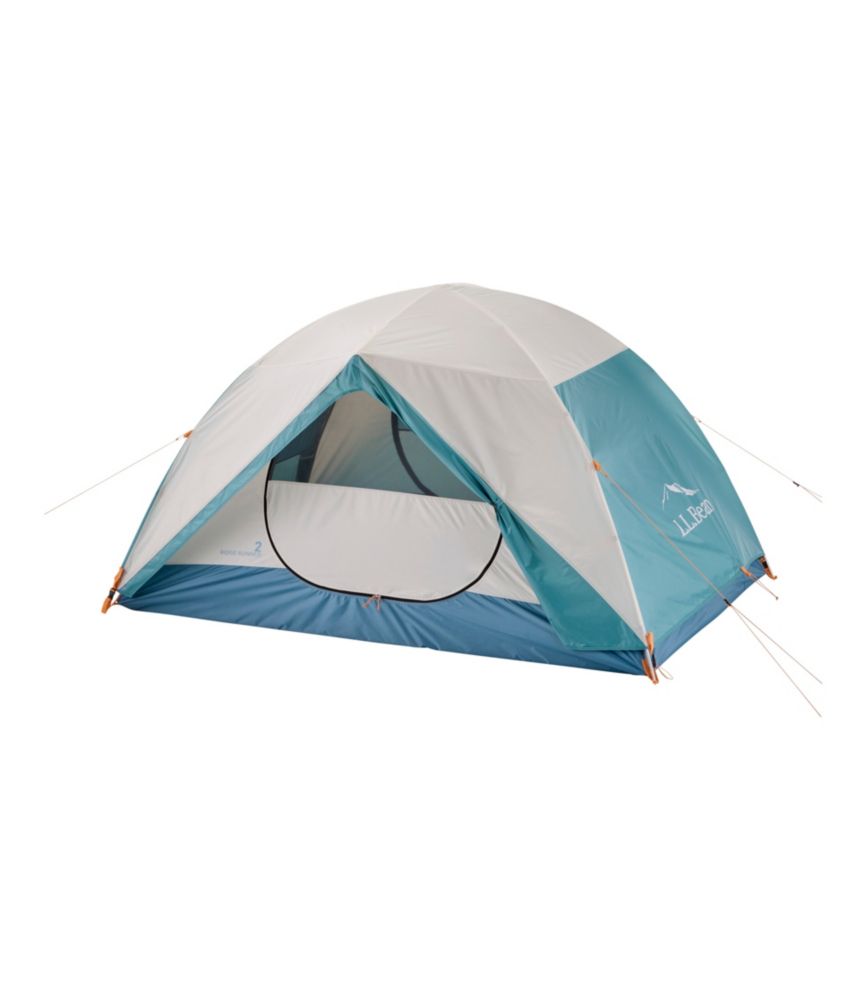
L.L.Bean Ridge Runner 2-Person Tent
L.L.Bean L.L.Bean Ridge Runner 2-Person Tent
A lightweight, multi-color aluminum-frame tent with dual vestibules, excellent ventilation, and full rain protection.
(0)
$270 $270
SALE
$270 $270
SALE
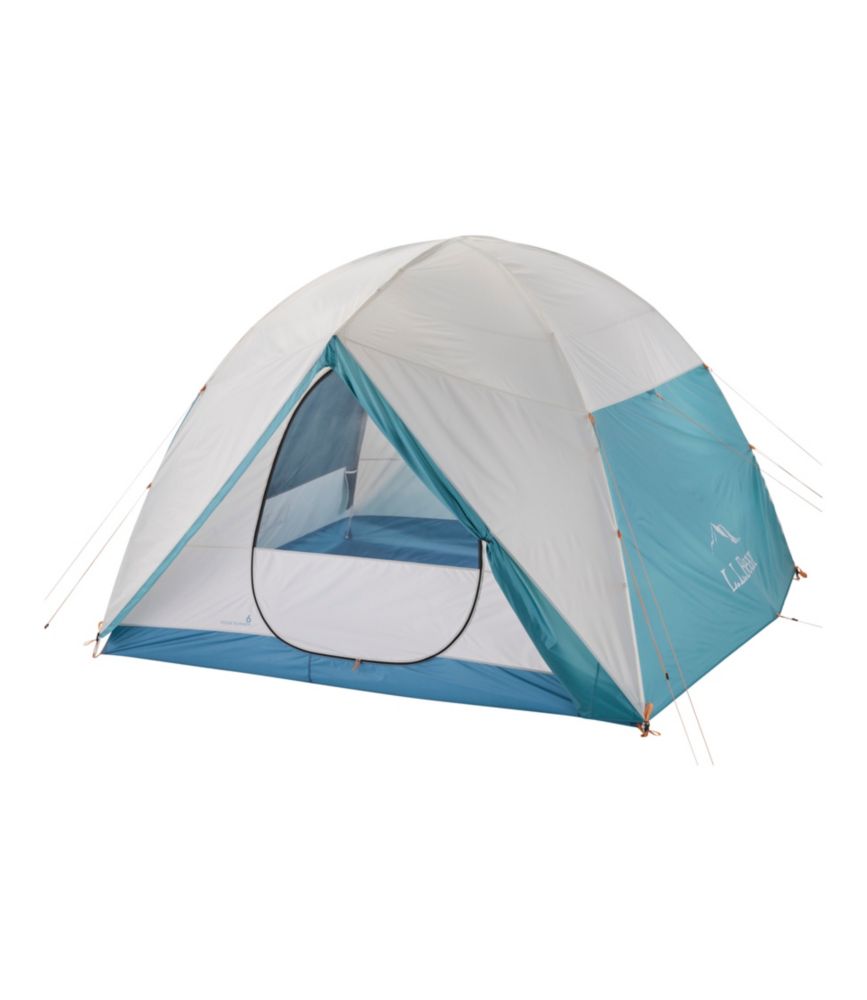
L.L.Bean Ridge Runner 6-Person Tent
L.L.Bean L.L.Bean Ridge Runner 6-Person Tent
A lightweight, strong aluminum-framed, multicolor 3-season tent with dual vestibules, excellent ventilation, and waterproof coverage.
(0)
$440 $440
SALE
$440 $440
SALE

Spring Tents

Choosing spring tents starts with a simple picture: the people who will share the experience, the space each person needs, and the kind of time outside everyone looks forward to. For one household, that picture might include children counting down to a spring break outing; for another, it might mean reconnecting with friends after several months of comparing calendars. A tent is a considered purchase, and the most useful starting point is how it fits those plans rather than how it looks in a photograph alone. Compare the listed capacity with the actual dimensions, then consider the belongings that will accompany each person. Sleeping arrangements are personal: someone who likes extra room may make a different choice than someone who prefers a smaller shared space. A useful way to make those numbers more concrete is to mark the listed floor dimensions at home and arrange the sleeping gear within that outline. This gives everyone a clearer sense of the layout before making a decision. Height deserves a separate look, since a single listed measurement does not describe the entire shape of an interior. Review the dimensions alongside the photographs and diagrams, paying attention to where the highest point falls. Think through ordinary moments, too: finding a misplaced sock, keeping track of a child’s favorite book, or deciding where personal belongings should go. These small details often matter more to a family than an impressive-sounding description. A thoughtful comparison leaves room for different preferences without assuming that the largest choice is always the right one. The goal is a tent that makes sense for the people choosing it, with clearly stated details that support the decision. Spring provides the occasion to begin planning, while the individual product information provides the basis for choosing with confidence.

When comparing spring tents, take a close look at what each description actually includes. Dimensions, listed weight, component lists, and assembly information answer different questions, so it helps to consider them separately rather than treating any one measurement as a complete picture. If storage space at home is limited, check the packed dimensions against the shelf, closet, or other place set aside for outdoor equipment. A tent’s dimensions when packed and when assembled are distinct considerations, and both deserve attention. If several people are choosing together, agree on the details that matter most before narrowing the selection. One person may be focused on the overall layout, while another wants to understand the number of parts to account for. Looking at the same specifications helps turn those preferences into a practical comparison. For fabric and construction details, read the information for the individual tent rather than relying on appearance or broad category descriptions. A photograph can show shape and color, but the written specifications are the place to confirm composition and construction. Likewise, spring is a season, not a performance rating; the word alone does not establish what conditions a particular tent is intended to handle. Check the manufacturer’s stated recommendations against the plans being made, and leave any unanswered questions for clarification before purchasing. Assembly instructions are worth reviewing in advance as well. They can help clarify the sequence of steps, the components involved, and any preparation the manufacturer calls for. For a shared purchase, reading those instructions together gives everyone the same starting point. Keep the comparison grounded in documented details, from what is included to what may need to be selected separately. That approach makes it easier to recognize meaningful differences without getting distracted by names or photographs that do not tell the whole story.

Care, storage, and the recipient’s preferences are also worth considering when choosing a tent for spring. Start with the care instructions for the particular tent, including the directions for cleaning, drying, packing, and storage. Do not assume that a method used for another piece of outdoor equipment is appropriate here. Keep those instructions somewhere easy to find, along with the component list and any information about replacement parts. Before putting equipment away, checking its contents against that list can help identify a missing piece while the details are still fresh. If something needs attention, consult the manufacturer’s repair guidance instead of guessing at a treatment or technique. Durability is an important consideration, but a season name or an image cannot establish how a tent will hold up; construction details, care requirements, and documented product information are more useful points of comparison. It is also helpful to decide who will take responsibility for checking, packing, and storing shared equipment. In a busy household, having an agreed place for the instructions and components can make the next round of planning more straightforward. For gift giving, a tent is best chosen with some input from the recipient. Someone establishing a collection of outdoor equipment may have very different preferences from a person replacing a familiar tent, and a family purchase may involve several opinions about space and layout. Ask about those preferences directly, or make choosing together part of the gift. That preserves the thoughtfulness of the gesture while respecting a purchase that depends on personal needs. If plans also extend beyond spring, the Summer Tents page provides another seasonal collection to explore, with the same attention to individual specifications. Whether the decision is made around a kitchen table with family or through a few careful conversations with friends, the strongest starting point is a clear understanding of the people involved. From there, comparing spring tents becomes less about finding one universal answer and more about making a well-informed choice for shared time outside.
Read More

FAQs