It's time to upgrade your browser

Your current browser is no longer supported on llbean.com. Please upgrade to one of the following for a smoother, safer shopping experience with us:

Tent Waterproofing

Shop tent waterproofing products to find an option that matches your tent’s care requirements. Before choosing a treatment, check its application instructions and compatibility with your tent’s fabric and finish, along with the tent manufacturer’s care recommendations.
Read More
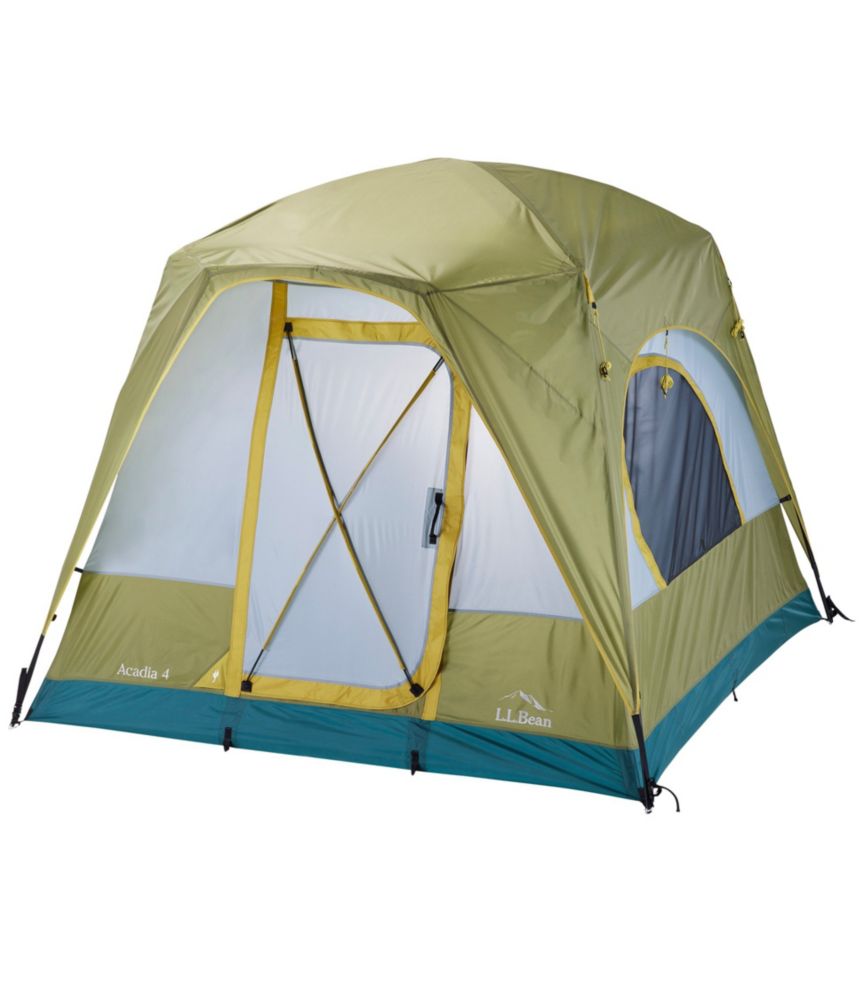
L.L.Bean Acadia 4-Person Tent
L.L.Bean L.L.Bean Acadia 4-Person Tent
An innovative four-person tent with self-closing magnetic door, durable polyester, and No-See-Um mesh windows.
(20)
$349 $239.99
SALE
What customers like:
Perfect fit
Soft material
Warmth
Comfortable
Shorter length
$349 $239.99
SALE
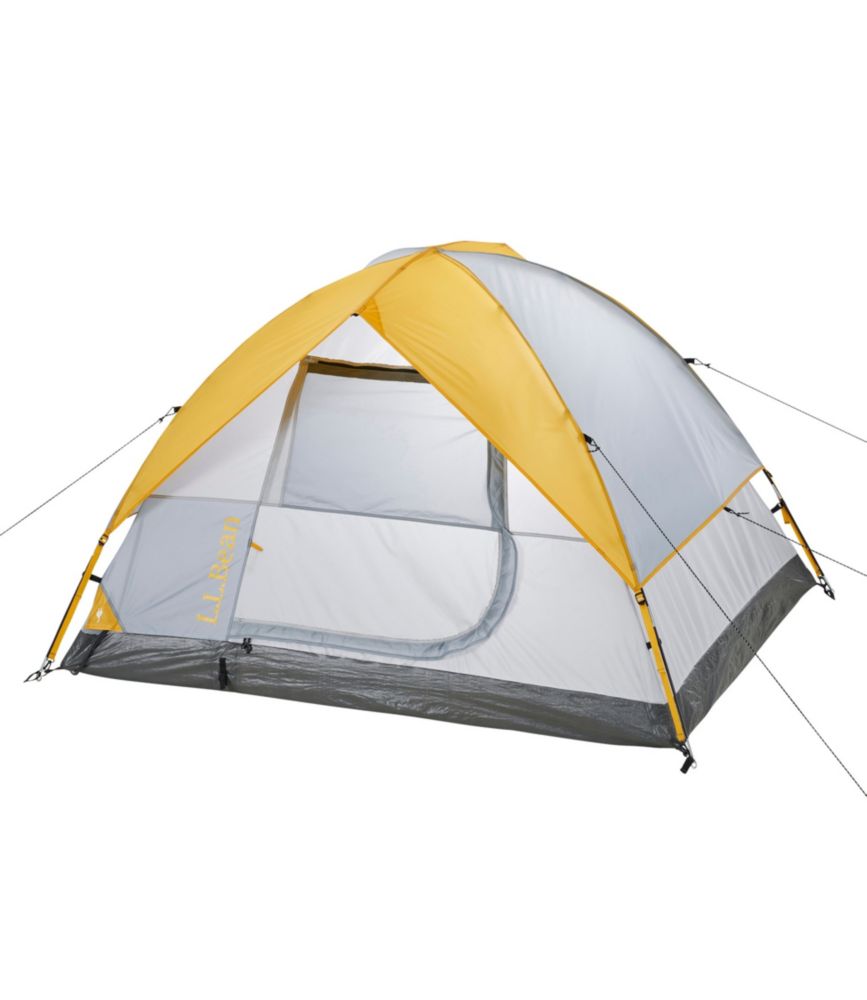
L.L.Bean Access 2-Person Tent
L.L.Bean L.L.Bean Access 2-Person Tent
An affordable, durable 2-person tent with waterproof coating, fiberglass poles, and a rugged polyethylene floor.
(0)
$110 $110
SALE
$110 $110
SALE
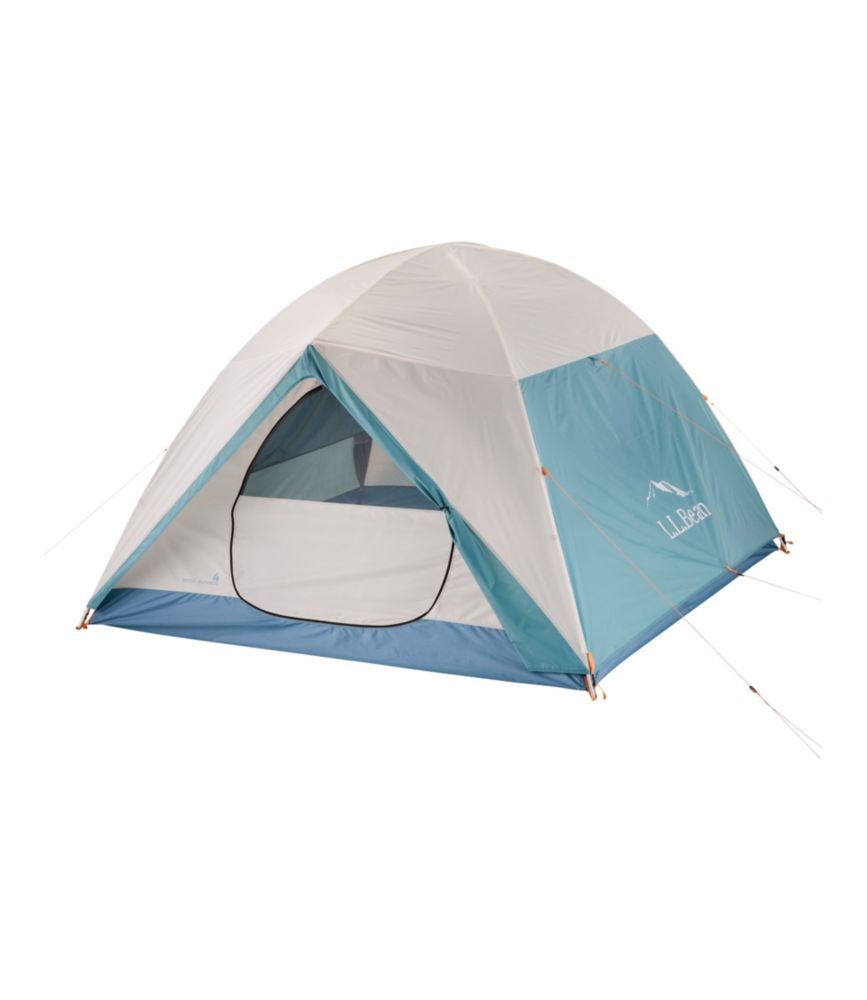
L.L.Bean Ridge Runner 4-Person Tent
L.L.Bean L.L.Bean Ridge Runner 4-Person Tent
A lightweight, multi-color aluminum tent with dual vestibules, excellent ventilation, and a waterproof polyester fly.
(0)
$350 $350
SALE
$350 $350
SALE
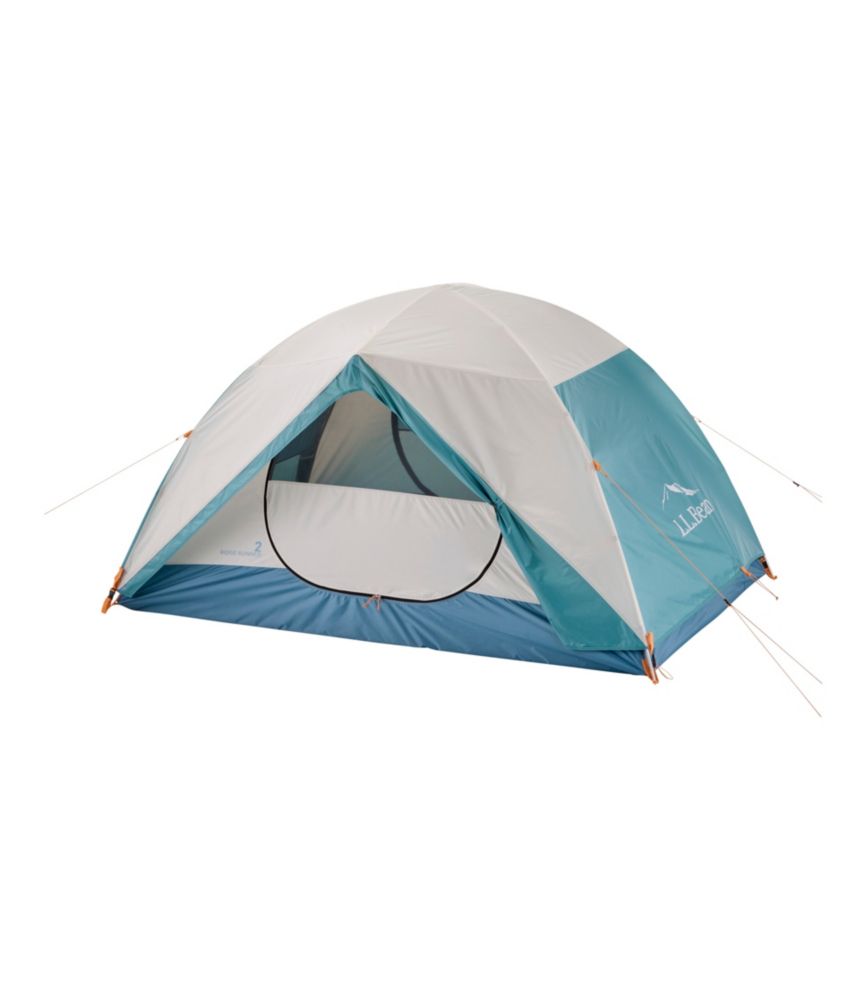
L.L.Bean Ridge Runner 2-Person Tent
L.L.Bean L.L.Bean Ridge Runner 2-Person Tent
A lightweight, multi-color aluminum-frame tent with dual vestibules, excellent ventilation, and full rain protection.
(0)
$270 $270
SALE
$270 $270
SALE
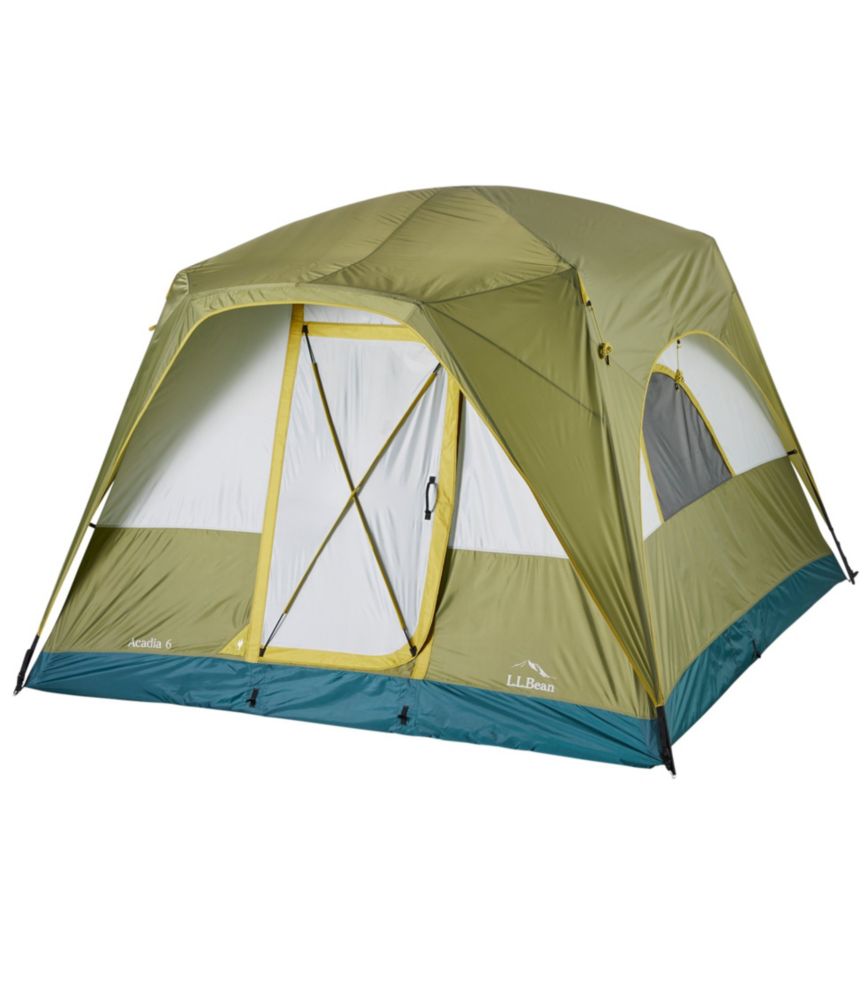
L.L.Bean Acadia 6-Person Family Tent
L.L.Bean L.L.Bean Acadia 6-Person Family Tent
An exceptionally roomy 6-person tent with self-closing magnetic door and durable waterproof polyester construction.
(0)
$399 $274.99
SALE
$399 $274.99
SALE
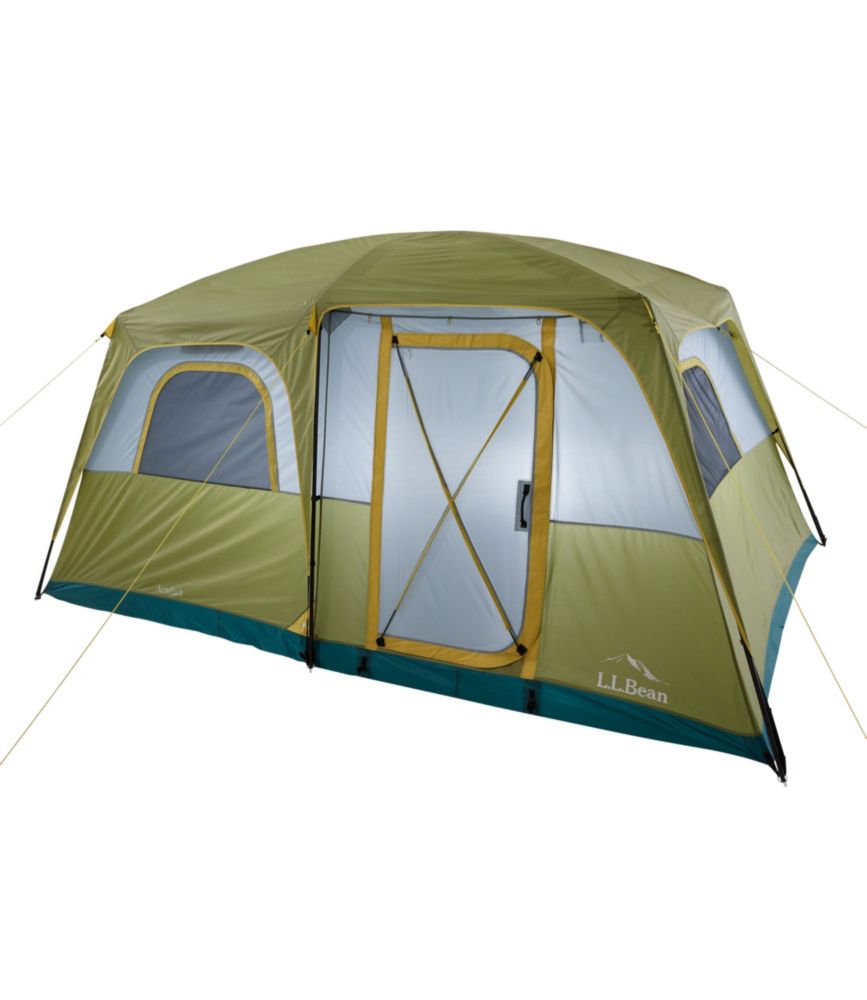
L.L.Bean Acadia 8-Person Cabin Tent
L.L.Bean L.L.Bean Acadia 8-Person Cabin Tent
An exceptionally roomy 8-person cabin tent with a self-closing magnetic door and waterproof polyester fabric.
(0)
$499 $349.99
SALE
$499 $349.99
SALE

Tent Waterproofing

Tent waterproofing products belong to the practical side of spending time outside: getting familiar with a tent, understanding its care needs, and choosing supplies that match its construction. A tent can hold memories of shared breakfasts, bedtime stories by lantern light, and quiet mornings at a favorite campsite. Caring for it starts with knowing what its manufacturer recommends, rather than assuming every treatment belongs on every tent. Tent waterproofing is a category, not a single interchangeable solution, and the most useful distinction is often the part of the tent being considered. The outer covering, floor, and stitched areas may have different care requirements, even within the same shelter. Product descriptions should identify the intended application, while the tent’s own care information provides the other half of the compatibility picture. For these products, the right fit is about that match—not the number of people the tent sleeps or how neatly it fits into its carrying bag. Fabric and existing coating information matter more than appearance alone; two tents that look similar may call for different care. A familiar shelter with an isolated concern also presents a different shopping decision from one showing widespread changes in its condition. Noticing where an issue appears, whether previous treatments have been applied, and what the manufacturer says about maintenance gives the search a useful starting point. There is no need to choose the largest container or the most involved application simply because a tent has seen several trips. A more thoughtful choice begins with a clearly identified need and a label that addresses it. This makes tent waterproofing easier to approach as a focused gear-care purchase, rather than a catchall answer to every concern that can arise when a tent is in use.

Comparing tent waterproofing products means looking beyond the front of the package to the details that shape the whole job. Compatibility, coverage, application method, preparation requirements, and drying or curing time are all worth reviewing before making a choice. Coverage information is especially helpful because tent capacity alone does not describe the area a treatment is meant to address. A small section and a broader application can require very different quantities, and the label—not a general rule based on sleeping capacity—is the better reference. Likewise, application directions may vary, so a waiting period mentioned for one treatment should not be assumed to apply to another. Someone with a place to leave a tent undisturbed has different practical considerations from someone who needs to clear a shared space before dinner. The time required for preparation, application, and any specified waiting period belongs in that decision, not just the few minutes spent handling the container. Care instructions deserve the same attention. Cleaning methods, application conditions, storage directions, and any restrictions should be checked against both the treatment label and the tent manufacturer’s guidance. A care product should not be assumed compatible simply because it is labeled for outdoor gear. Previous repairs or treatments are another reason to look closely at the details or ask the manufacturer for clarification. Durability is best considered in terms of the tent’s overall condition and its stated maintenance needs, rather than an expectation that one application will last indefinitely. A treatment is not a substitute for evaluating damaged fabric, worn components, or other concerns that fall outside its labeled purpose. Nor does a damp spot inside a tent, by itself, establish what needs attention; condensation and an issue with the tent are different possibilities. Keeping these distinctions in mind helps narrow the category without turning a routine purchase into guesswork or assigning a product a job it was never intended to do.

The people shopping for tent waterproofing may have very different relationships with their gear. One person may know every pocket and fastening on a long-owned family tent; another may be learning the care requirements of a first shelter. Someone responsible for shared equipment may be gathering maintenance information for several tents, while a frequent camper may be replacing a care supply already recommended in an owner’s manual. In each case, a few specific details are more useful than a broad promise: the tent model, its construction information, the area being considered, and the applicable care directions. Keeping that information together can make future purchases simpler, particularly when more than one person helps look after the equipment. It also makes this category more personal than it might first appear. As a gift, tent waterproofing is most thoughtful when the recipient has identified a compatible treatment or shared the exact care requirements of their tent. A surprise selection based only on a love of camping leaves too much room for a mismatch. For a household sorting through its camping equipment, this category can also be part of a larger decision about what needs routine attention and what deserves closer assessment. There is a meaningful difference between maintaining a familiar tent and selecting a different one. Shoppers considering that second path can explore tents for rainy weather and compare the individual descriptions with their priorities. For those staying with the tent they know, the strongest basis for choosing waterproofing remains straightforward: a clear purpose, confirmed compatibility, understandable directions, and an application process that fits the available space and time. That approach keeps the focus on the equipment itself and the people who share it. Whether the tent belongs to a couple, a family, or a group of friends, informed care choices are a practical part of looking after the gear that accompanies time together outdoors.
Read More

FAQs