It's time to upgrade your browser

Your current browser is no longer supported on llbean.com. Please upgrade to one of the following for a smoother, safer shopping experience with us:

Compact Camping Tents

Explore compact camping tents for your next camping trip, with size and space in mind. As you browse, compare sleeping capacity, floor dimensions and packed size to find a tent that accommodates your campers and gear without taking up more packing space than you have.
Read More
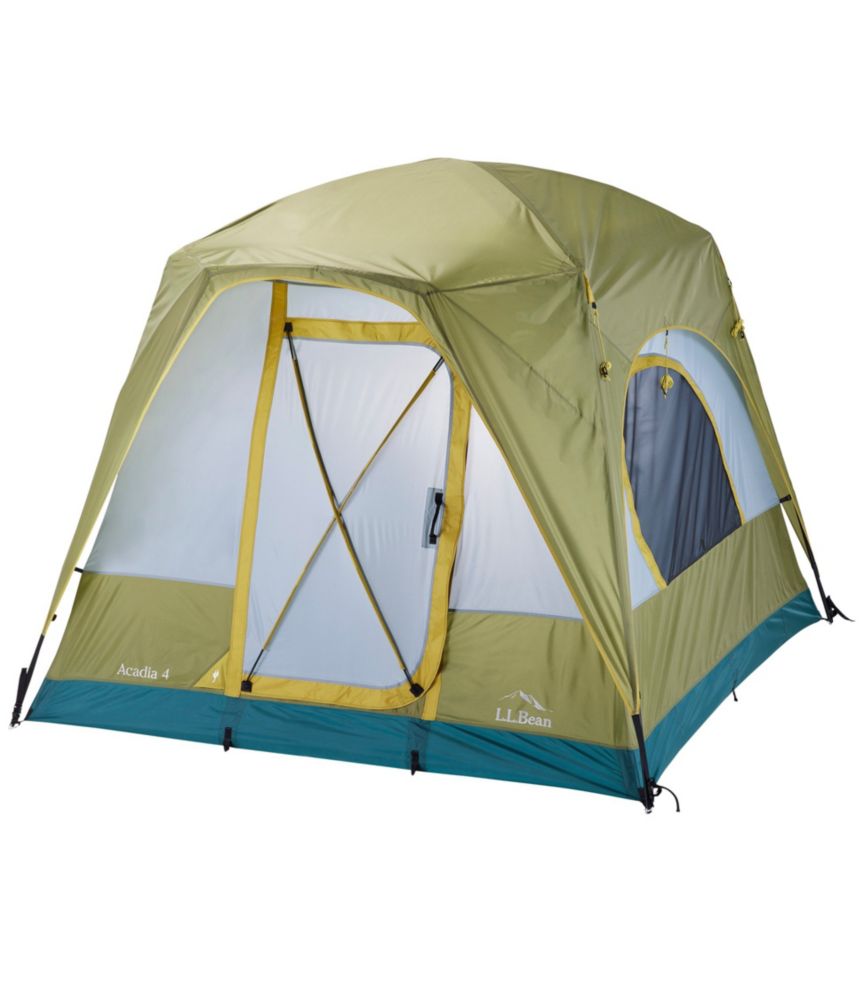
L.L.Bean Acadia 4-Person Tent
L.L.Bean L.L.Bean Acadia 4-Person Tent
An innovative four-person tent with self-closing magnetic door, durable polyester, and No-See-Um mesh windows.
(20)
$349 $239.99
SALE
What customers like:
Perfect fit
Soft material
Warmth
Comfortable
Shorter length
$349 $239.99
SALE
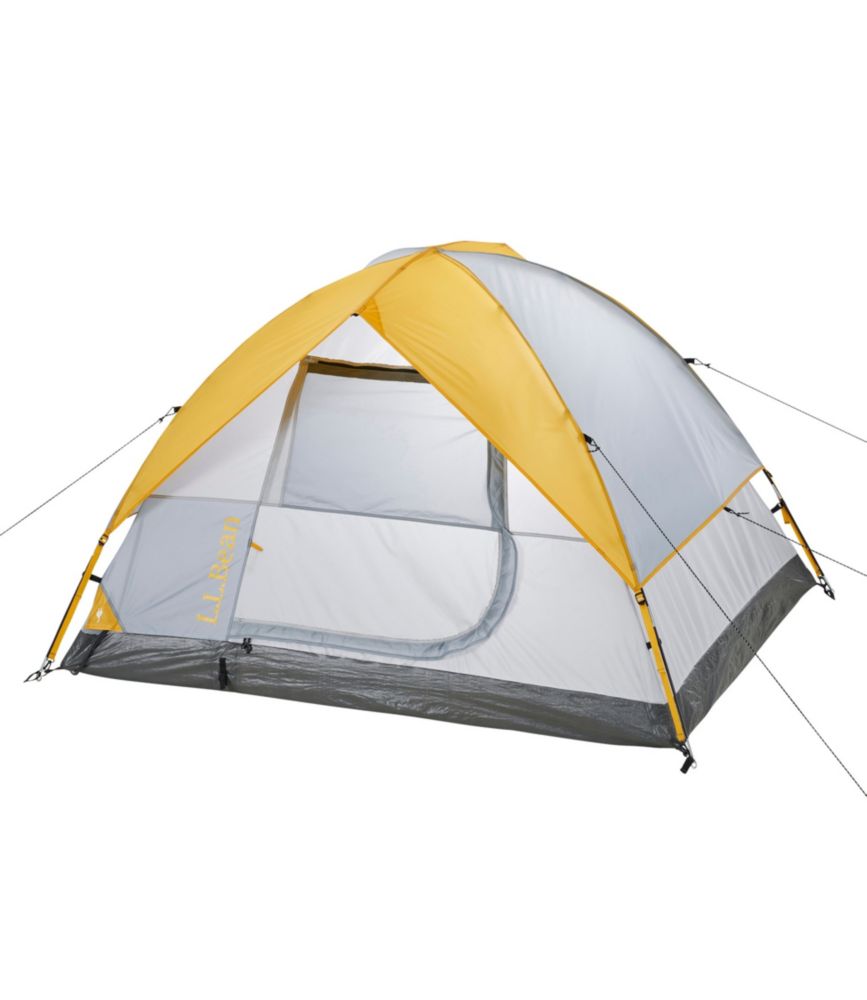
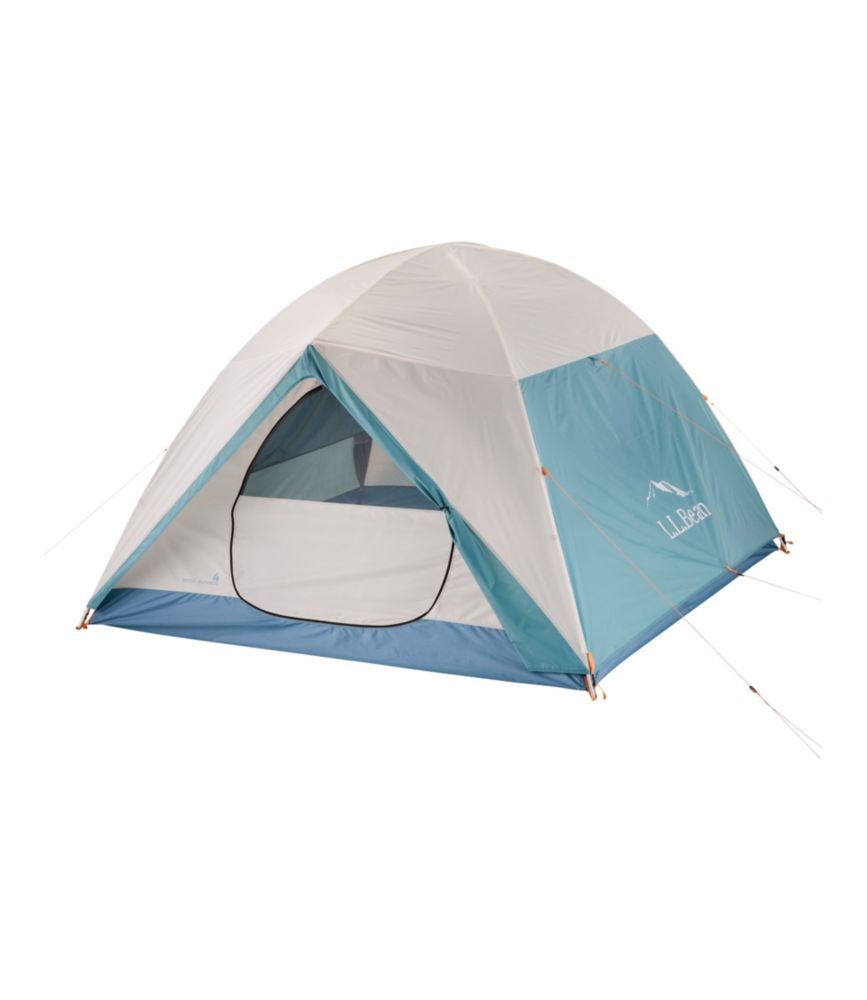
L.L.Bean Ridge Runner 4-Person Tent
L.L.Bean L.L.Bean Ridge Runner 4-Person Tent
A lightweight, multi-color aluminum tent with dual vestibules, excellent ventilation, and a waterproof polyester fly.
(0)
$350 $350
SALE
$350 $350
SALE
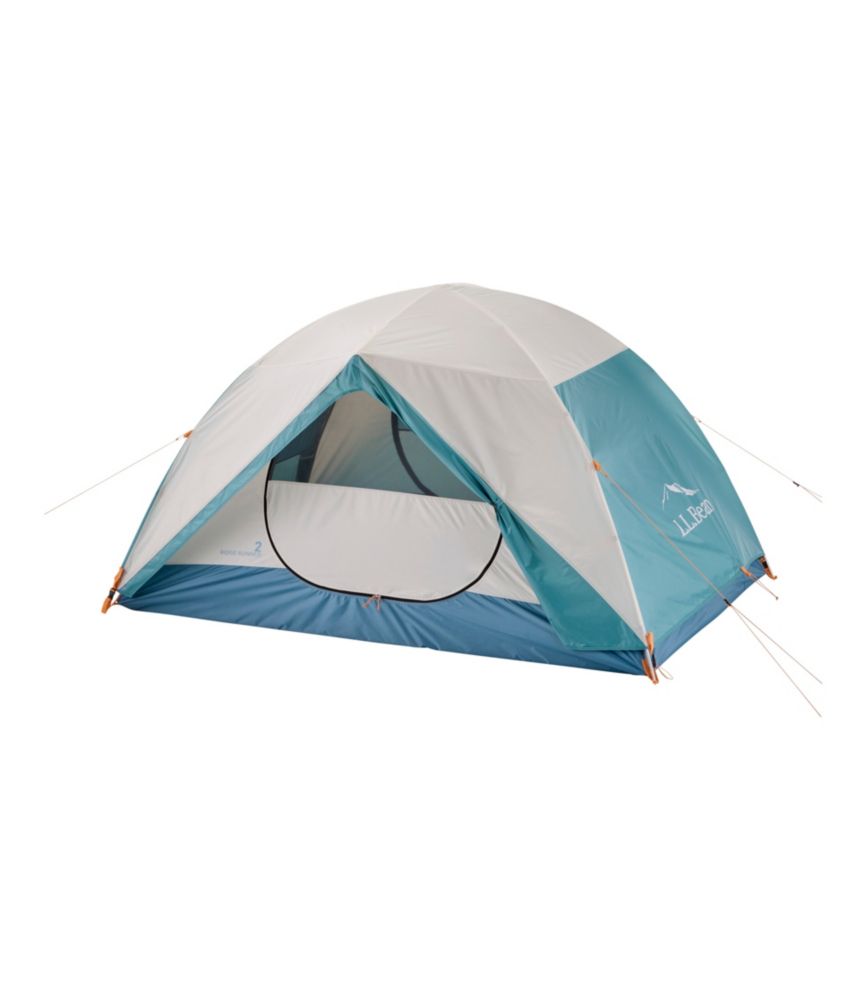
L.L.Bean Ridge Runner 2-Person Tent
L.L.Bean L.L.Bean Ridge Runner 2-Person Tent
A lightweight, multi-color aluminum-frame tent with dual vestibules, excellent ventilation, and full rain protection.
(0)
$270 $270
SALE
$270 $270
SALE
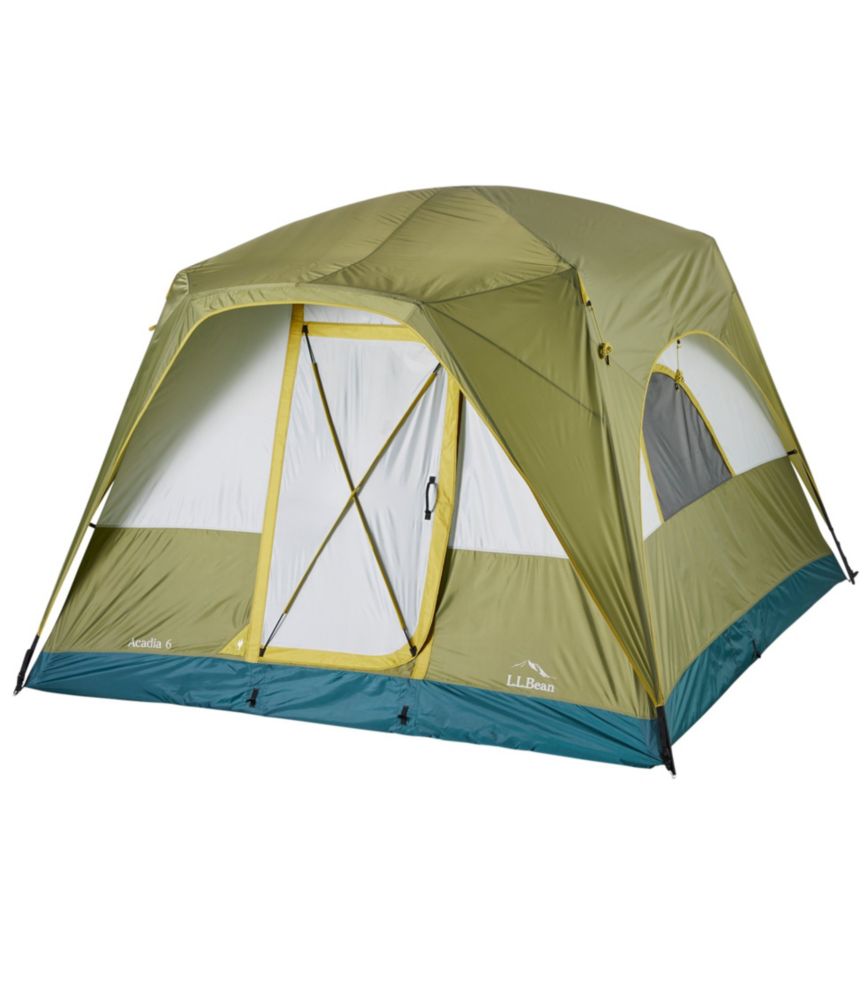
L.L.Bean Acadia 6-Person Family Tent
L.L.Bean L.L.Bean Acadia 6-Person Family Tent
An exceptionally roomy 6-person tent with self-closing magnetic door and durable waterproof polyester construction.
(0)
$399 $274.99
SALE
$399 $274.99
SALE
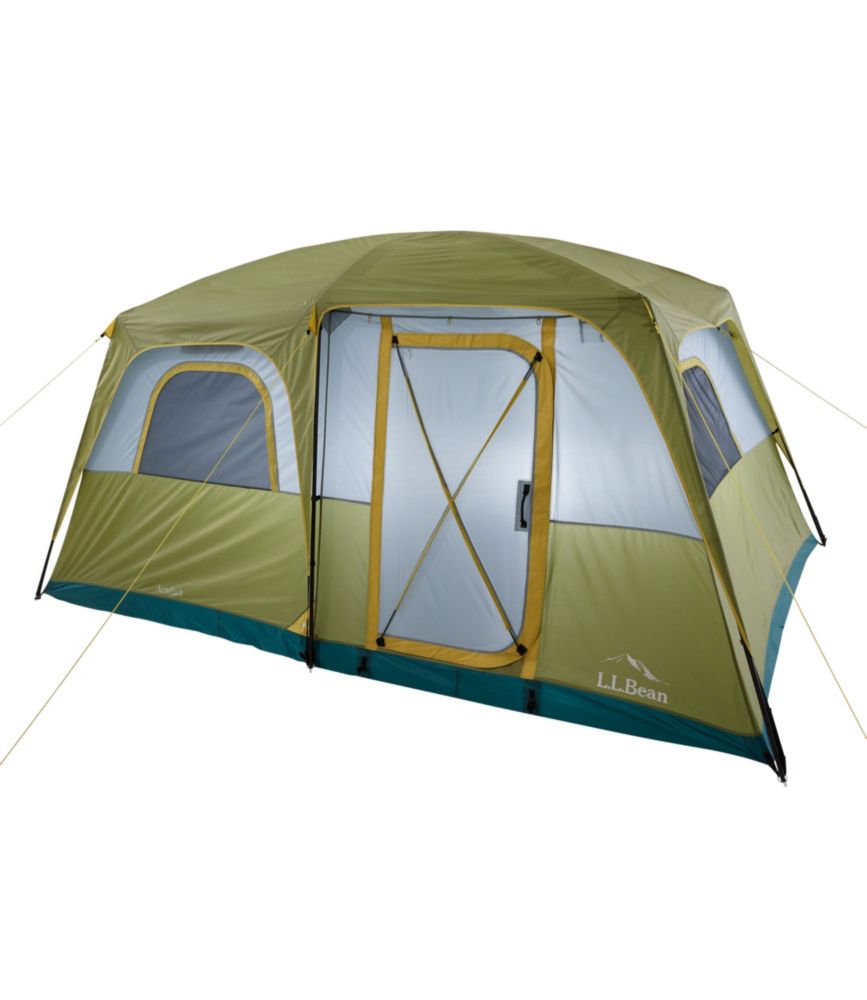
L.L.Bean Acadia 8-Person Cabin Tent
L.L.Bean L.L.Bean Acadia 8-Person Cabin Tent
An exceptionally roomy 8-person cabin tent with a self-closing magnetic door and waterproof polyester fabric.
(0)
$499 $349.99
SALE
$499 $349.99
SALE
L.L.Bean Access 2-Person Tent
L.L.Bean L.L.Bean Access 2-Person Tent
An affordable, durable 2-person tent with waterproof coating, fiberglass poles, and a rugged polyethylene floor.
(0)
$110 $92.99
SALE
$110 $92.99
SALE
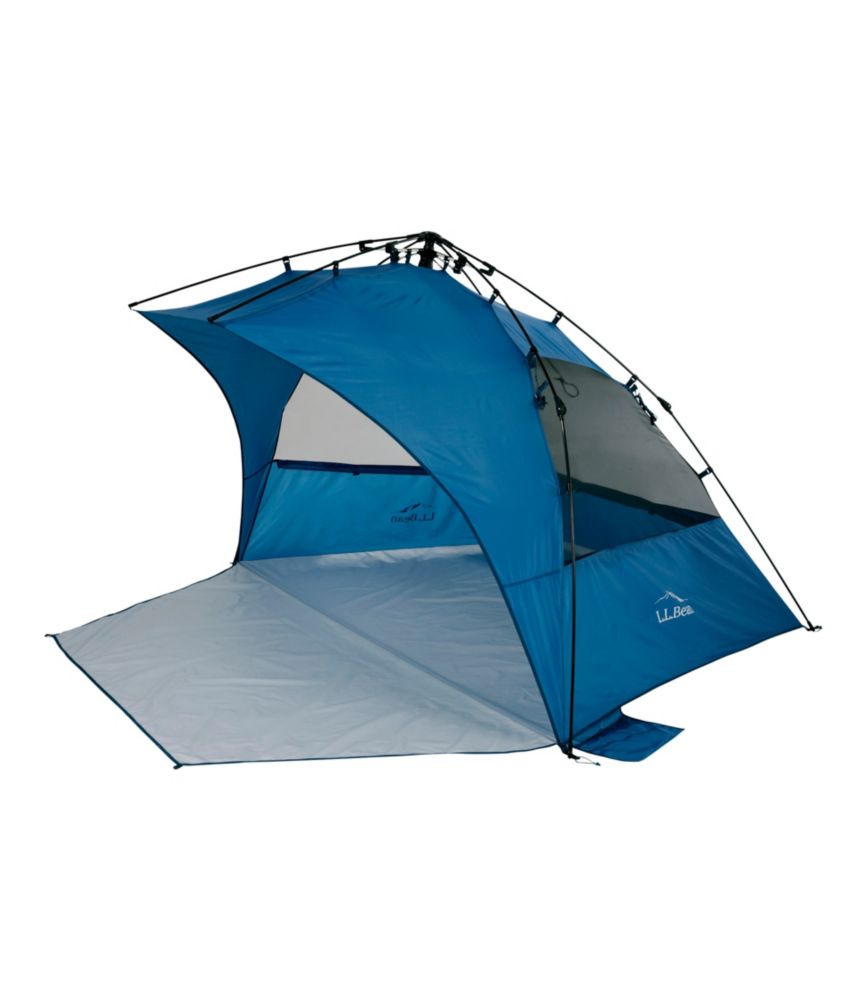
L.L.Bean Sunbuster Shelter
L.L.Bean L.L.Bean Sunbuster Shelter
A portable blue sun shelter made from recycled nylon with UPF 50+ protection and waterproof coating.
(0)
$140 $140
SALE
$140 $140
SALE
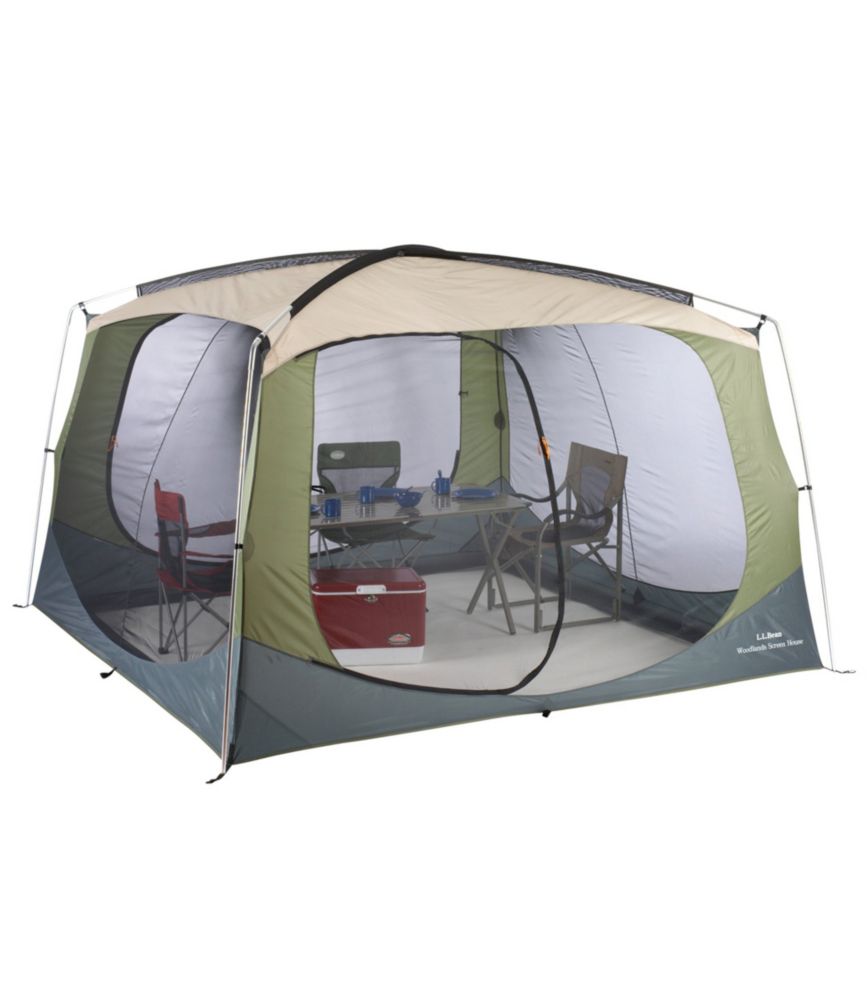
Woodlands Screen House
L.L.Bean Woodlands Screen House
A roomy sage screen house with an aluminum frame and optional rain fly for weather protection.
(0)
$500 $349.99
SALE
$500 $349.99
SALE

Compact Camping Tents

Compact camping tents bring the focus back to the essentials of camping: a place to settle in, a few familiar belongings and time outside with good company. Compact describes size, but it does not tell the whole story of a tent. Packed dimensions and assembled dimensions answer different questions, and both matter when comparing options. A tent’s packed measurements describe the space it takes up between camping trips, while its floor dimensions help put the sleeping area into perspective. Neither measurement replaces the other. A designated spot in a closet, the other equipment sharing a vehicle and the number of people joining the trip all give those numbers practical meaning. For someone keeping camping equipment in an apartment, storage space may be an important part of the decision. For a couple choosing equipment together, the conversation may begin with how much room each person prefers at bedtime. A listed sleeping capacity is a useful starting point, but the actual dimensions provide more context for individual preferences. Two people can have very different ideas of enough room, especially when sleeping pads, clothing and personal belongings enter the picture. Thinking about the camping equipment already on hand makes the comparison more concrete: the length of a familiar sleeping pad, the width of two pads side by side or the space someone likes to leave beside a pillow. Compact camping tents are worth considering as part of that whole arrangement rather than as an isolated purchase. The appeal is not simply choosing the smallest option. It is choosing a tent whose proportions make sense for the people using it and the space they have for their equipment. That balance gives this collection its focus, with compact size as the common thread and individual product details providing the distinctions that matter.

The experience inside a tent is personal, and measurements are most helpful when connected to familiar movements and routines. Sitting up to reach a folded shirt, changing clothes before bed or finding a book beside a sleeping pad puts interior space into everyday terms. Floor length, floor width and peak height each describe a different part of that space; no single number gives a complete picture of the interior. Where a product description includes a floor plan or dimensional drawing, those details offer another way to understand the layout. Entrance placement is another point of comparison when specified, particularly for people sharing a tent who have different bedtime routines. Someone who likes an early start may have different preferences from a companion who enjoys reading a little longer before turning in. Product photographs can help show the arrangement, while written specifications clarify measurements and included components. Materials and construction details also belong to the individual tent, rather than being something to assume from the word compact. Fabric specifications, pole information and care instructions provide context for comparing designs without treating every tent in the category as interchangeable. For questions about durability, the most useful information is the construction and care information supplied for each option, not packed size alone. The same attention to detail applies to setup: the supplied instructions and component list explain the particular design more clearly than a general category label can. Camping preferences matter here, too. Some people enjoy getting acquainted with every component before a trip; others appreciate having the instructions close at hand as they become familiar with their equipment. Either approach starts with knowing what is included and what the manufacturer specifies. For a separate collection organized around another named attribute, browse Waterproof Camping Tents. Keeping the comparison grounded in the details of each tent helps distinguish compact dimensions from other characteristics that need their own consideration.

Choosing camping equipment often means thinking beyond the next outing. A tent becomes part of a collection of familiar belongings, alongside sleeping pads, bedding and the small personal items that make a campsite feel like a place to settle in. Compact camping tents can be considered by people putting together their first camping kit, longtime campers reassessing how much space their equipment occupies or households deciding how to organize shared gear. Experience alone does not determine the right size. A first-time camper may already know exactly how much storage space is available at home, while someone who has camped for years may be making a different choice because the number of people joining has changed. As a gift, a tent is a personal choice rather than a one-size-fits-all gesture. Knowing the recipient’s preferred sleeping arrangement, existing equipment and storage limits is more useful than guessing from a general interest in the outdoors. A shared decision can be especially meaningful for a couple or family planning to spend more time camping together. Care deserves the same consideration as dimensions because ownership includes what happens between trips. Cleaning, drying, folding and storage directions should come from the instructions for the individual tent; a routine suitable for one design should not automatically be applied to another. Keeping those instructions with the equipment also gives everyone who uses it a common reference. The component list can serve a similar purpose when accounting for the parts before putting everything away. These are ordinary details, but they are part of choosing equipment thoughtfully and getting to know it over time. The best match is a compact camping tent selected with a clear picture of who will share it, how its stated dimensions relate to their belongings and where it will be stored. With those considerations in view, browsing becomes less about choosing by a label alone and more about finding a tent that belongs in the camping plans taking shape.
Read More

FAQs