It's time to upgrade your browser

Your current browser is no longer supported on llbean.com. Please upgrade to one of the following for a smoother, safer shopping experience with us:

Vestibule Tents

Explore vestibule tents with an entry space outside the main sleeping area. Compare sleeping capacity, tent dimensions and vestibule layout to find an option with the space and arrangement that suit your group.
Read More
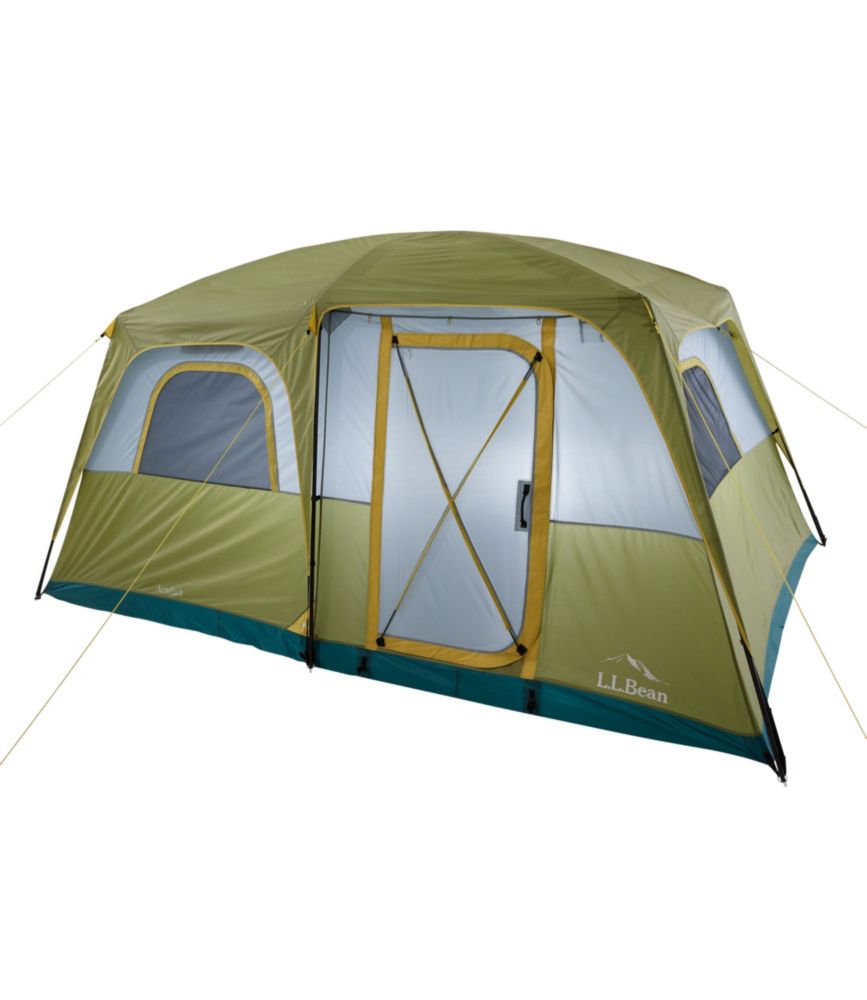
L.L.Bean Acadia 8-Person Cabin Tent
L.L.Bean L.L.Bean Acadia 8-Person Cabin Tent
An exceptionally roomy 8-person cabin tent with a self-closing magnetic door and waterproof polyester fabric.
(0)
$499 $349.99
SALE
$499 $349.99
SALE
L.L.Bean Ridge Runner 6-Person Tent
L.L.Bean L.L.Bean Ridge Runner 6-Person Tent
A lightweight, strong aluminum-framed, multicolor 3-season tent with dual vestibules, excellent ventilation, and waterproof coverage.
(0)
$440 $440
SALE
$440 $440
SALE
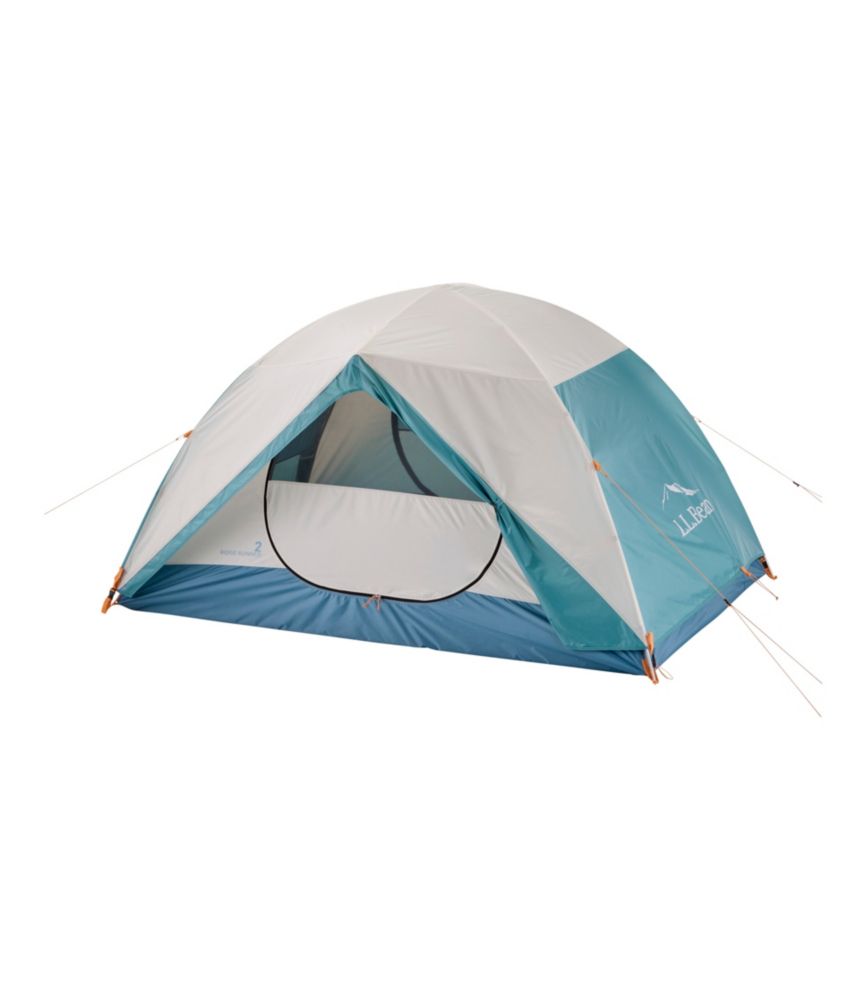
L.L.Bean Ridge Runner 2-Person Tent
L.L.Bean L.L.Bean Ridge Runner 2-Person Tent
A lightweight, multi-color aluminum-frame tent with dual vestibules, excellent ventilation, and full rain protection.
(0)
$270 $270
SALE
$270 $270
SALE
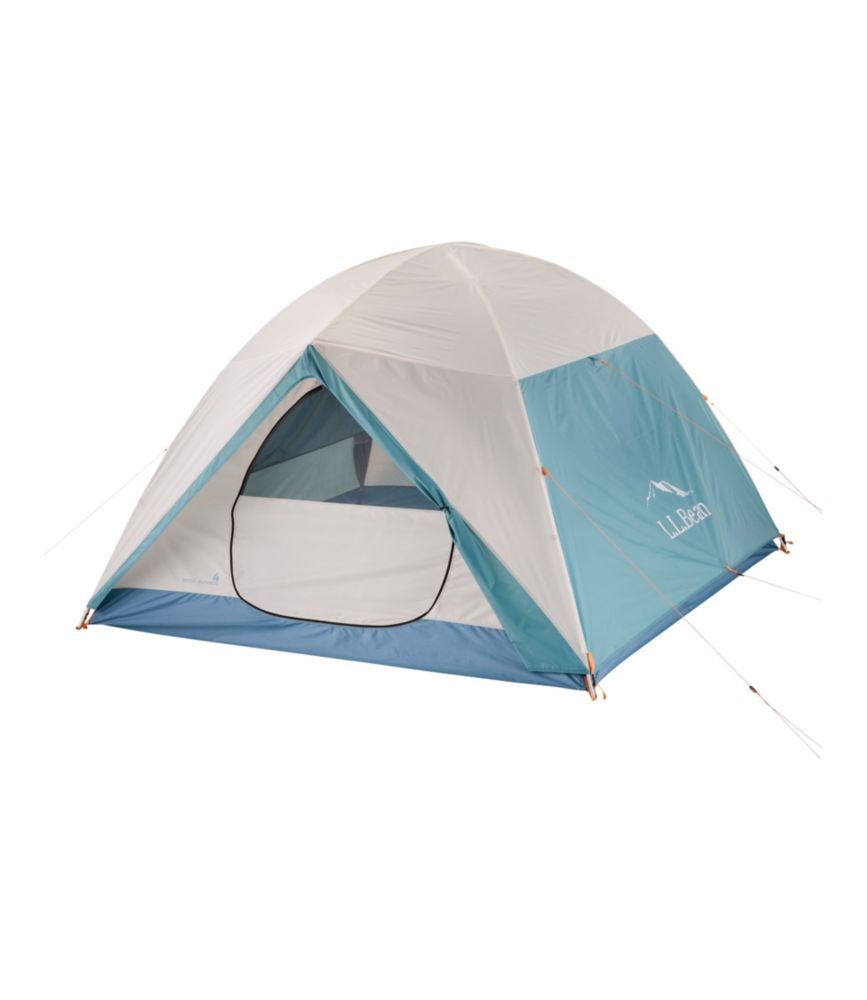
L.L.Bean Ridge Runner 4-Person Tent
L.L.Bean L.L.Bean Ridge Runner 4-Person Tent
A lightweight, multi-color aluminum tent with dual vestibules, excellent ventilation, and a waterproof polyester fly.
(0)
$350 $350
SALE
$350 $350
SALE
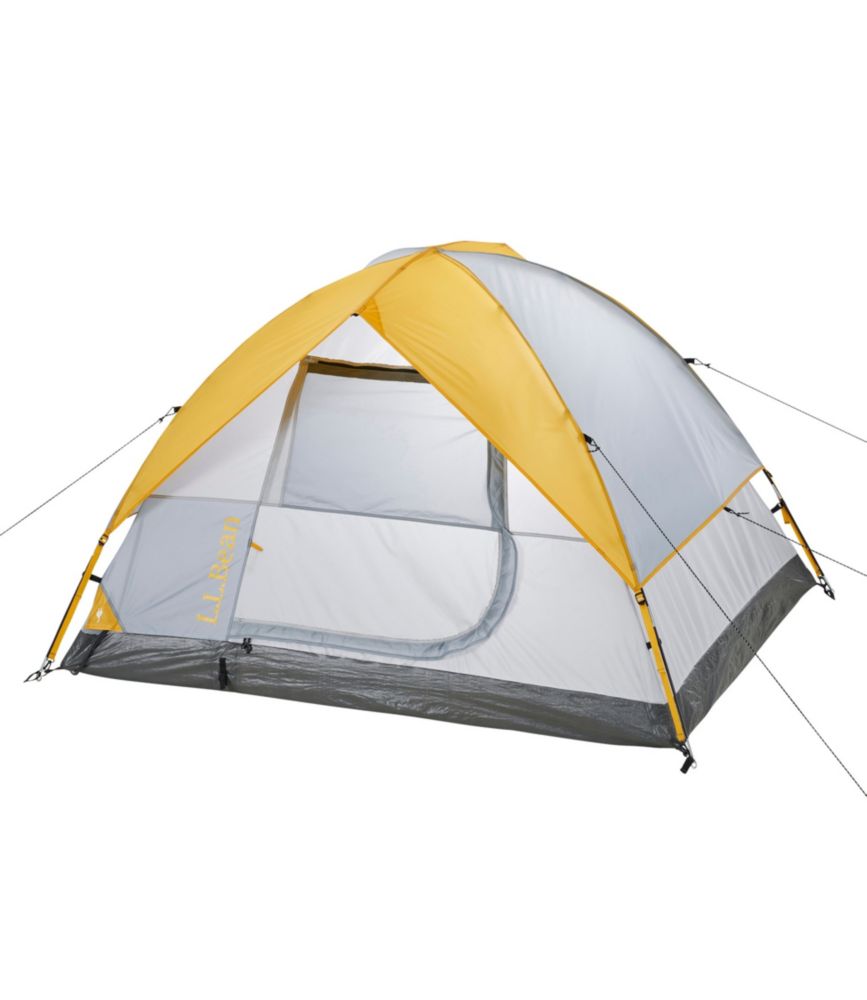
L.L.Bean Access 2-Person Tent
L.L.Bean L.L.Bean Access 2-Person Tent
An affordable, durable 2-person tent with waterproof coating, fiberglass poles, and a rugged polyethylene floor.
(0)
$110 $92.99
SALE
$110 $92.99
SALE
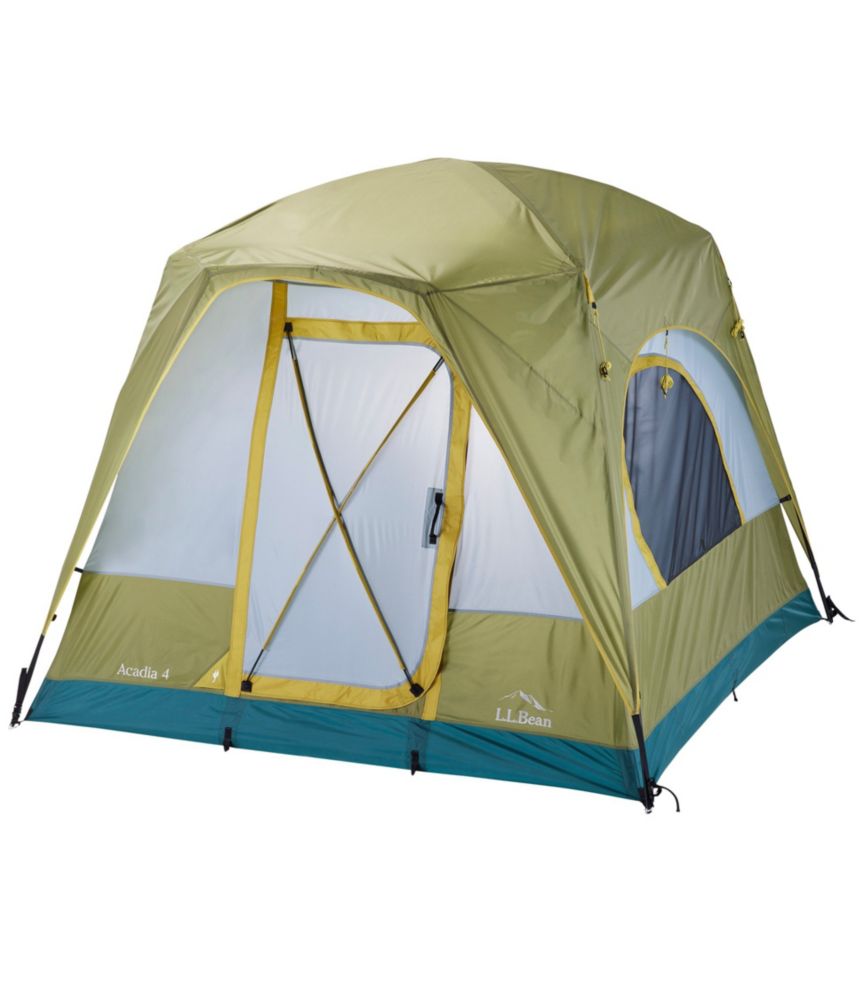
L.L.Bean Acadia 4-Person Tent
L.L.Bean L.L.Bean Acadia 4-Person Tent
An innovative four-person tent with self-closing magnetic door, durable polyester, and No-See-Um mesh windows.
(20)
$349 $239.99
SALE
What customers like:
Perfect fit
Soft material
Warmth
Comfortable
Shorter length
$349 $239.99
SALE
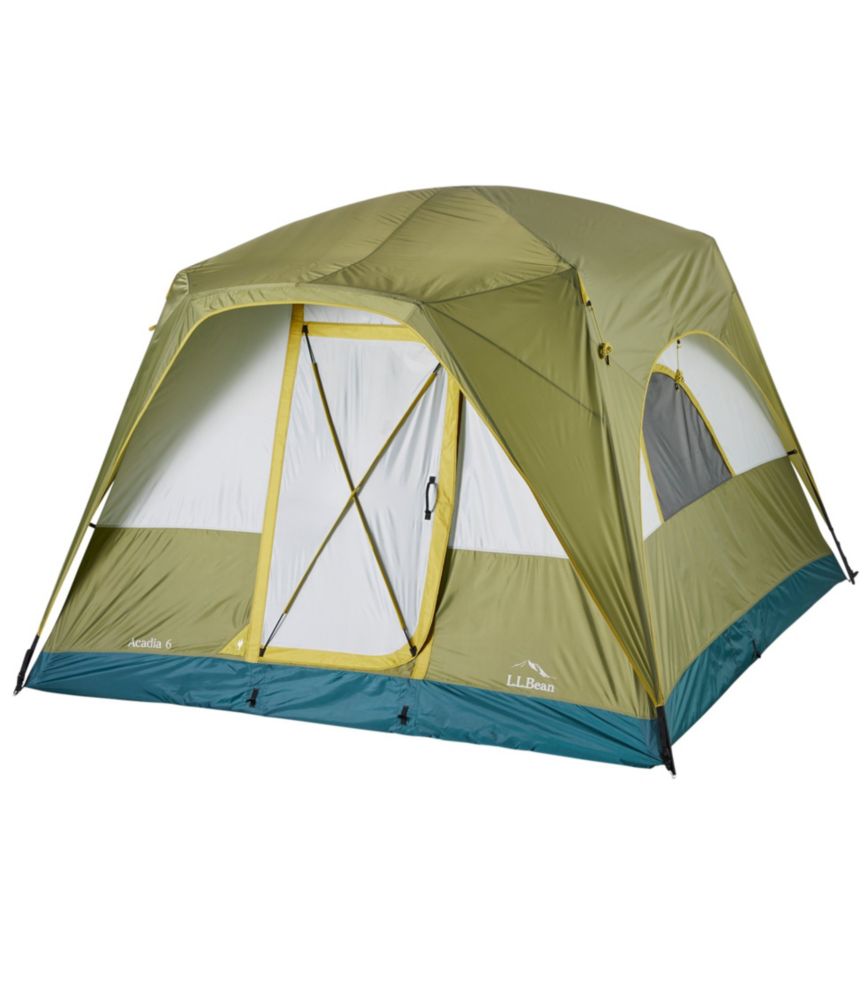
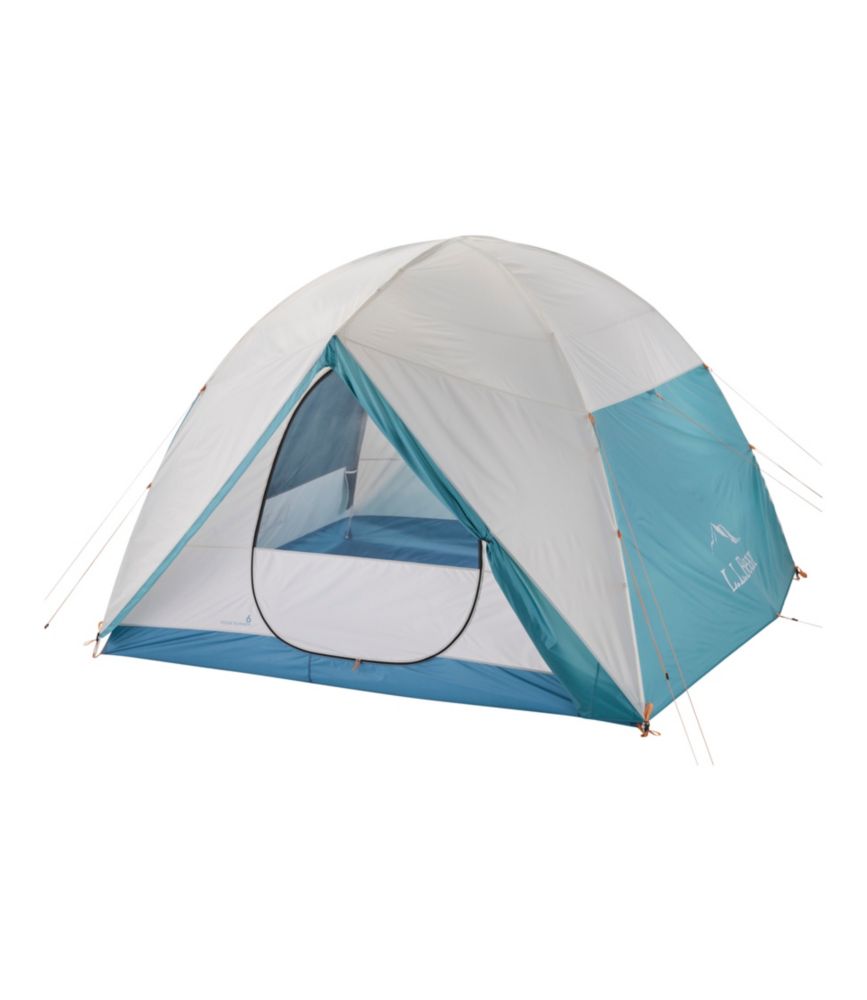
L.L.Bean Acadia 6-Person Family Tent
L.L.Bean L.L.Bean Acadia 6-Person Family Tent
An exceptionally roomy 6-person tent with self-closing magnetic door and durable waterproof polyester construction.
(0)
$399 $274.99
SALE
$399 $274.99
SALE
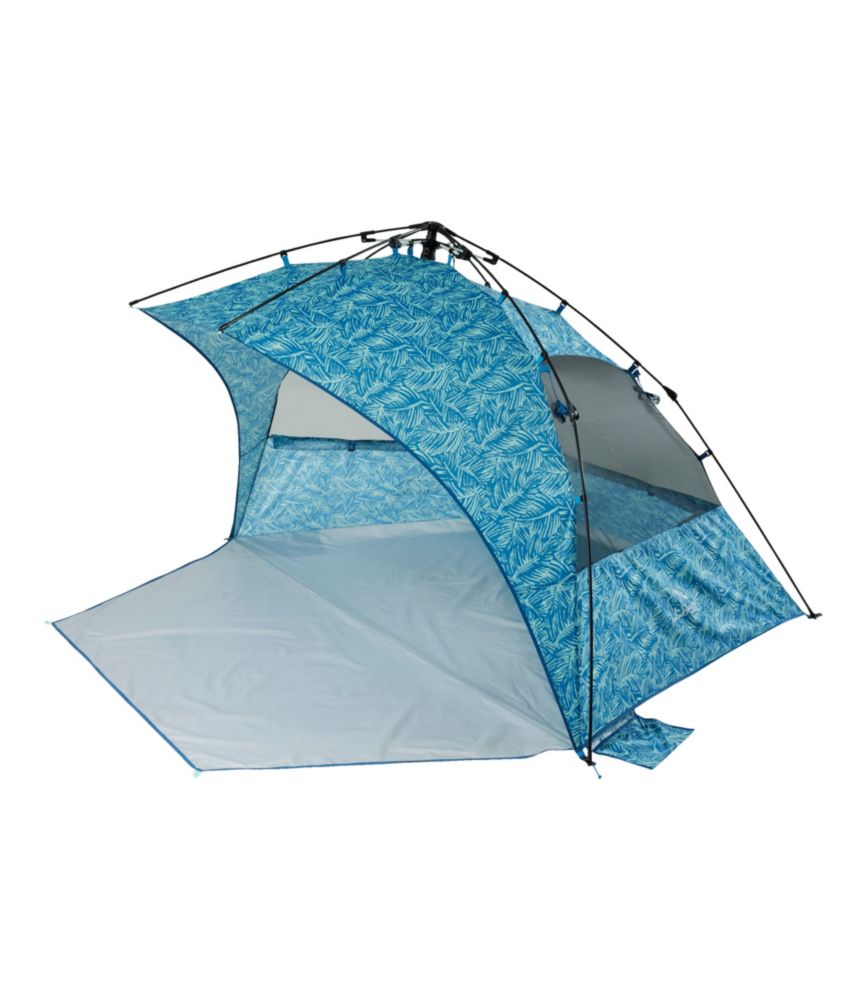
L.L.Bean Sunbuster Shelter, Print
L.L.Bean L.L.Bean Sunbuster Shelter, Print
A blue nylon pop-up sun shelter with UPF 50+ protection, sand pockets, and convenient gear storage.
(0)
$140 $118.99
SALE
$140 $118.99
SALE
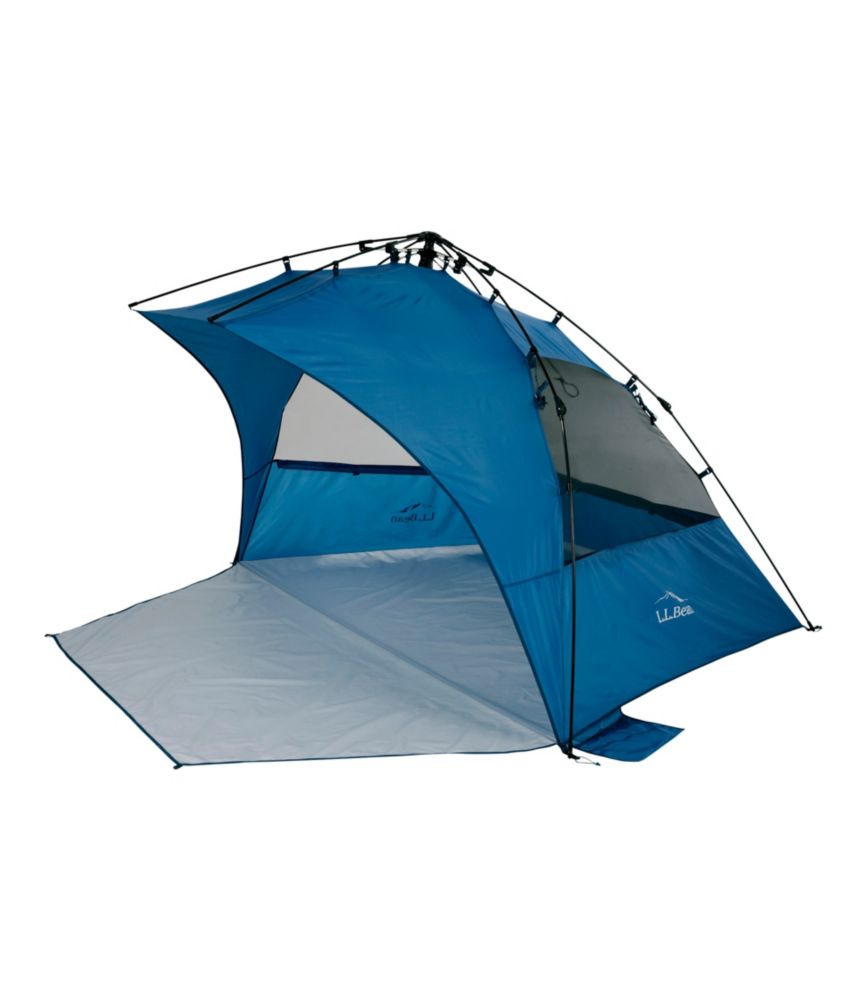
L.L.Bean Sunbuster Shelter
L.L.Bean L.L.Bean Sunbuster Shelter
A portable blue sun shelter made from recycled nylon with UPF 50+ protection and waterproof coating.
(0)
$140 $140
SALE
$140 $140
SALE
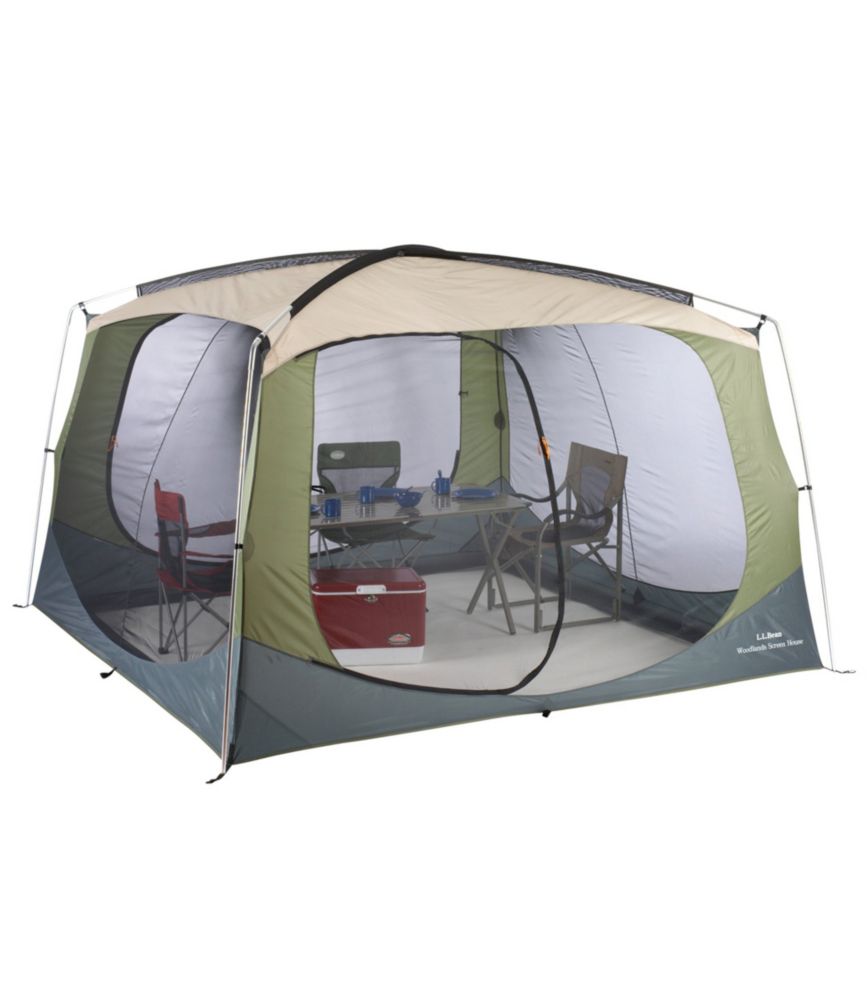
Woodlands Screen House
L.L.Bean Woodlands Screen House
A roomy sage screen house with an aluminum frame and optional rain fly for weather protection.
(0)
$500 $349.99
SALE
$500 $349.99
SALE

Vestibule Tents

Vestibule tents have a distinct entry area that forms part of the tent’s overall layout. A vestibule is the space adjoining an entrance outside the main tent interior, rather than an additional room within it. That distinction helps explain why overall dimensions, interior dimensions and vestibule dimensions deserve separate attention. The word “vestibule” identifies a design feature, but it does not describe a standard size or shape. Its proportions and placement depend on the individual tent, so a floor plan can be more informative than a photograph alone. A front view may show the entrance clearly without showing how far the vestibule extends or how it relates to the rest of the footprint. Looking at those details together gives a more complete sense of the tent’s shape. For shoppers who already have a preferred tent layout, the entrance arrangement can be a useful starting point for comparison. For someone choosing a first tent, the stated capacity and dimensions provide a starting point, with the vestibule considered separately from the main interior. Capacity labels and measurements describe different things: one gives the manufacturer’s stated capacity, while the other shows the proportions of the space. Neither substitutes for the other. The number and location of entrances are also individual specifications, not something the category name establishes. An illustration that identifies the main interior, entrance and vestibule makes those distinctions easier to see. Two tents with similar capacity labels can have different outlines, and a larger vestibule does not, by itself, establish a larger main interior. Comparing vestibule tents means looking at the whole layout rather than focusing on one prominent feature. A clear picture of what each measurement describes makes it easier to recognize the design that matches personal preferences.

Beyond the layout, the details accompanying each tent help make comparisons more meaningful. Listed weight, packed dimensions and assembled dimensions are separate measurements, each worth reading on its own terms. A photograph cannot reliably communicate any of them, especially when tents are shown from different angles or without a familiar object nearby for scale. Packed length and width can be considered alongside the space set aside for keeping the tent, while the assembled dimensions describe a different shape entirely. For construction and material information, the individual product description is the appropriate reference; a shared category name does not establish shared specifications. The same applies to included components, assembly directions and care requirements. Clear documentation is useful well beyond the initial choice, particularly when a tent has several separate pieces that need to stay together. Keeping the original instructions with those components gives the owner a consistent reference rather than relying on memory. Care should follow the manufacturer’s directions for the particular tent, including any instructions for cleaning, drying and storage. Long-term ownership also involves knowing which parts belong to the tent and where to find their identifying information. Compatibility matters when considering Tent Accessories, since a similar appearance or description is not enough to establish that an accessory matches a particular model. The tent’s own documentation is the best starting point for checking that relationship. These less noticeable details deserve attention alongside the shape of the vestibule: they help distinguish what is included, what requires a separate compatibility check and what care information applies. Shoppers considering durability can look for documented construction details and care requirements rather than drawing conclusions from a photograph, a broad category label or the size of the tent alone.

Choosing among vestibule tents is also a personal decision, shaped by familiar preferences and the people involved in the choice. Someone replacing a tent may know exactly which entrance arrangement feels familiar, while a first-time shopper may find a clearly labeled diagram more helpful than a long list of terms. Friends or family choosing together can compare the same measurements and photographs, making it easier to explain what each person prefers without relying on words such as “large” or “small.” Those descriptions are relative; dimensions provide a shared reference. At home, marking an outline on the floor with removable tape can turn an unfamiliar measurement into something easier to picture. It also makes the difference between the main interior and the overall footprint more apparent, provided the dimensions for each are listed separately. A drawn rectangle, a doorway in a photograph and a packed tent all convey different information, so none tells the whole story alone. For a gift recipient, those personal preferences matter just as much. A tent can be a thoughtful gift for someone who enjoys the outdoors, but knowing the recipient’s preferred capacity, layout and packed dimensions is more useful than guessing from a picture. An experienced owner may already have a particular arrangement in mind, while someone beginning to explore tent options may appreciate being part of the selection. Familiarity with existing equipment can also help identify which specifications deserve closer attention, without assuming that a new tent will share the same dimensions or components. The most useful comparisons stay grounded in the individual descriptions: the outline of the vestibule, the relationship between the entrance and main interior, the stated capacity, and the measurements that give those details scale. With those distinctions in view, vestibule tents become easier to evaluate as complete designs, each with its own proportions and specifications. The result is a choice based on clear information and personal preference, with the tent’s defining entry area understood as one part of the whole.
Read More

FAQs