Hiking Winter Gear
Hiking Winter Gear
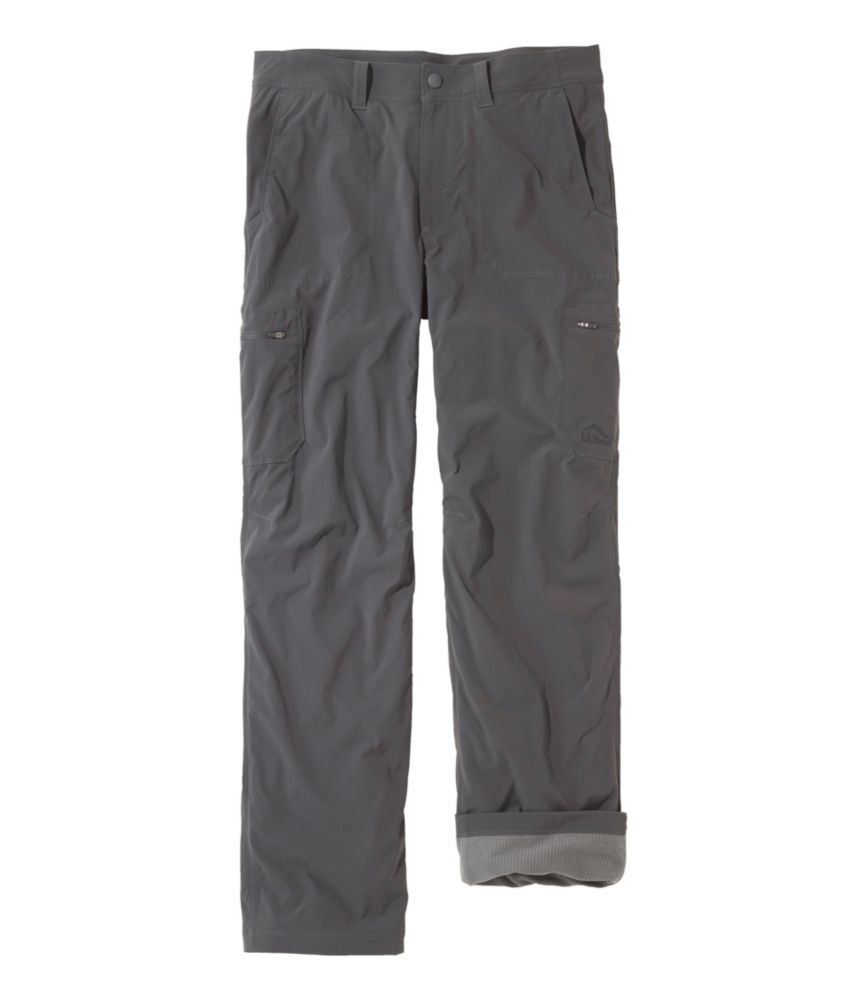
For families, friends, and solo adventurers alike, assembling the right hiker gear is about more than just comfort—it’s about safety and peace of mind. The essential things to bring in hiking during the colder months include traction devices for icy trails, trekking poles for stability, and a daypack roomy enough for extra layers, snacks, and emergency supplies. Many hikers find that winter adventures call for a few extra considerations: insulated water bottles or thermoses to prevent freezing, a headlamp for shorter daylight hours, and sun protection to guard against rays reflecting off snow. These thoughtful touches are also what make cold weather hiking gear a thoughtful and practical gift for the outdoor enthusiasts in your life—whether it’s a parent who loves early morning walks, a partner training for a winter trek, or a friend discovering the restorative power of nature during the off-season. Everyone, from beginners to seasoned explorers, can appreciate gear that’s built for both comfort and dependability when the temperature drops. When you’re choosing winter hiking gear, look for pieces that balance warmth, breathability, and weather resistance, so you can adapt to changing conditions and keep moving comfortably all day long.
Taking time to prepare for winter hikes means you’ll be ready to enjoy everything the season has to offer, from crisp sunrise strolls to weekend adventures in your favorite winter park. With the right gear, you can embrace the outdoors year-round, creating new memories on familiar trails and discovering the beauty that emerges when the landscape is blanketed in snow or touched by frost. If you’re looking for more advice or want to explore a wider range of options, our Cool Weather Hiking Gear page offers helpful tips and inspiration for gearing up for your next adventure. However you choose to experience the outdoors, investing in quality winter hiking gear ensures every outing is safe, comfortable, and filled with the simple joy of being outside—no matter what the weather brings.
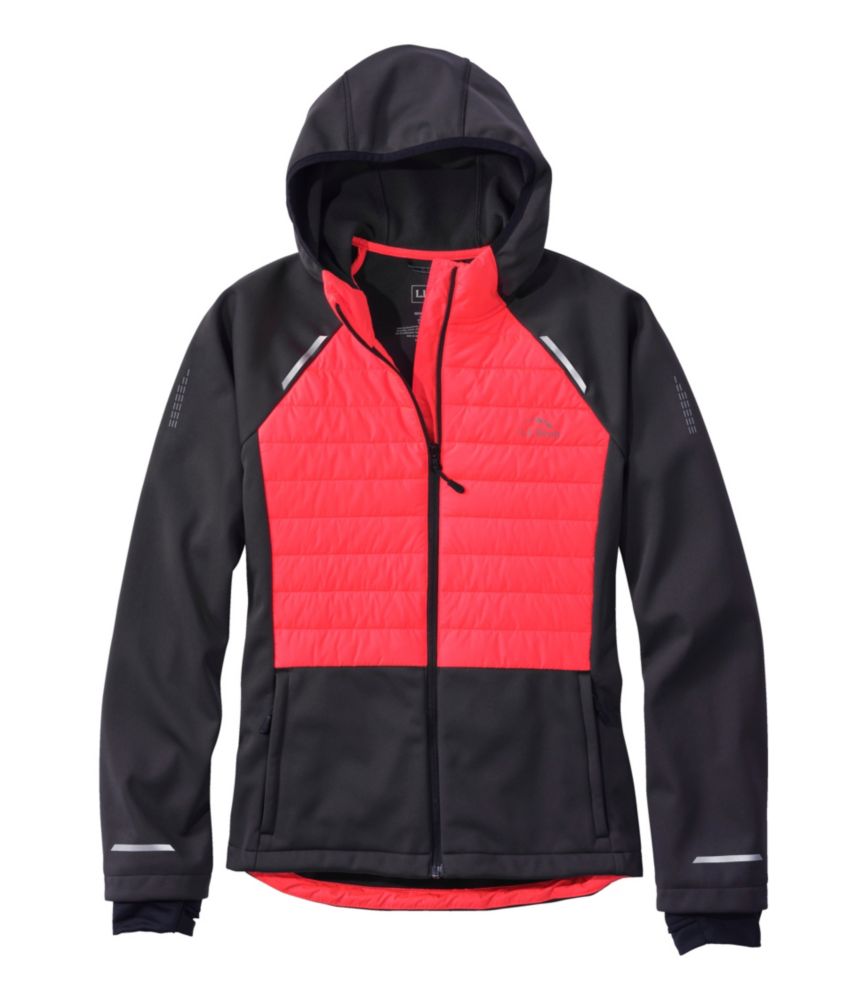
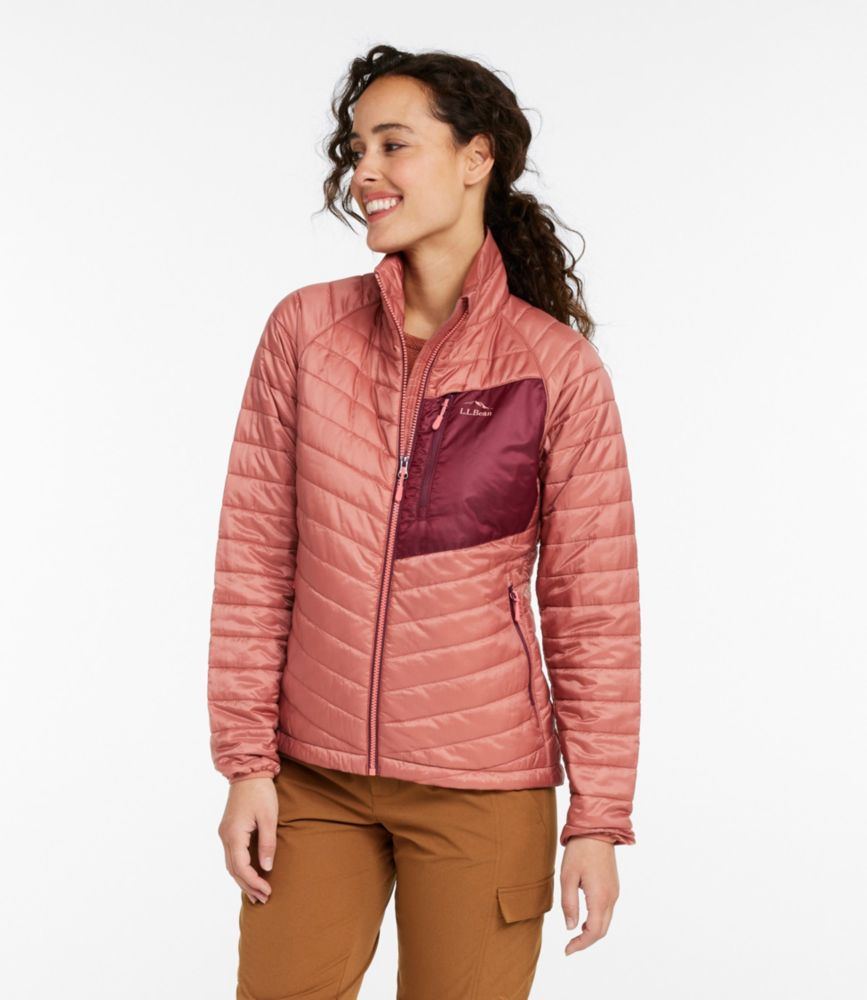
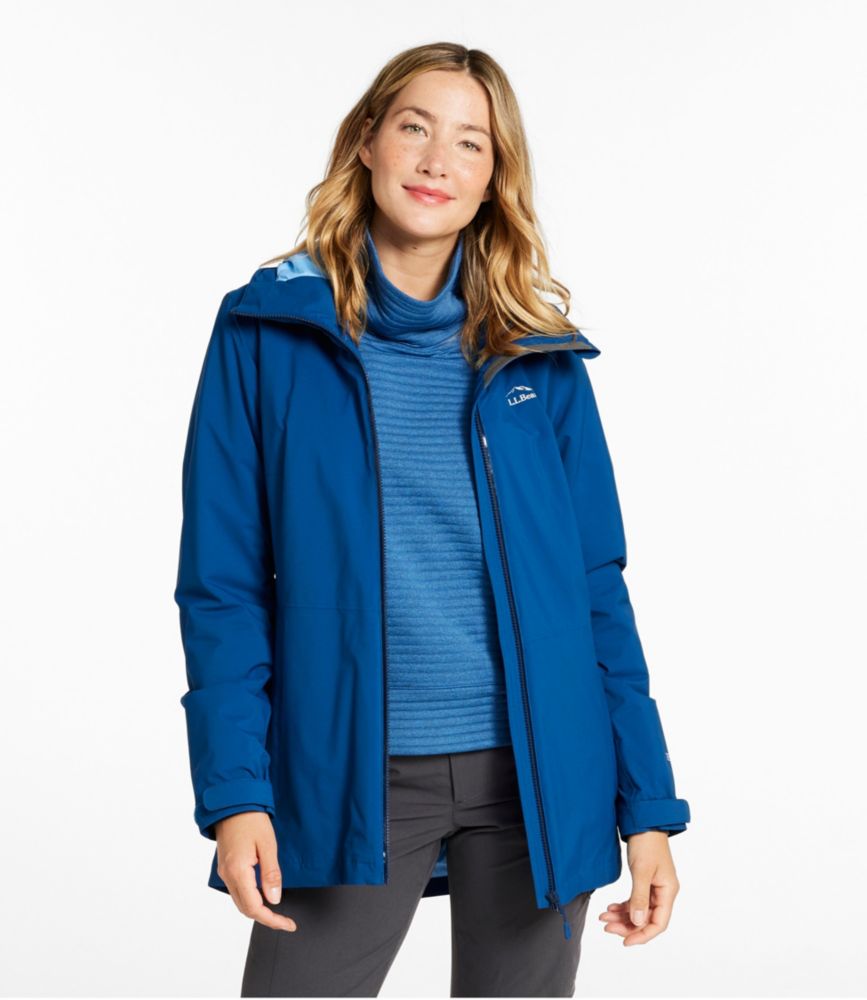
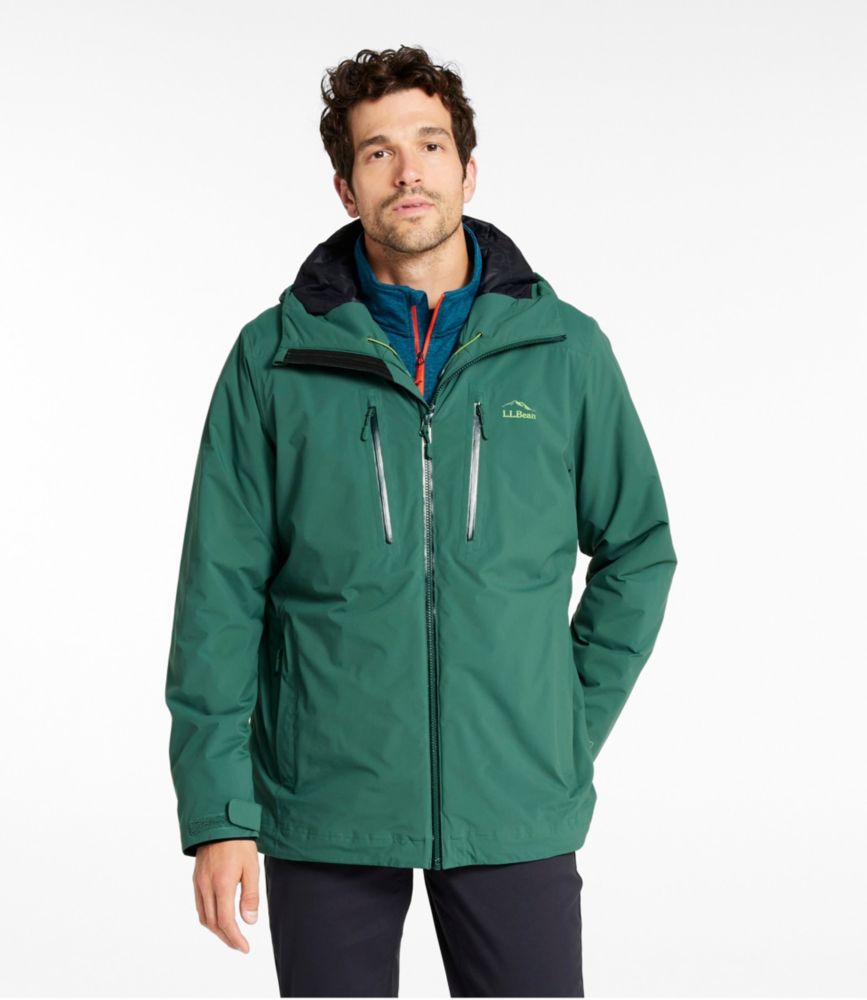
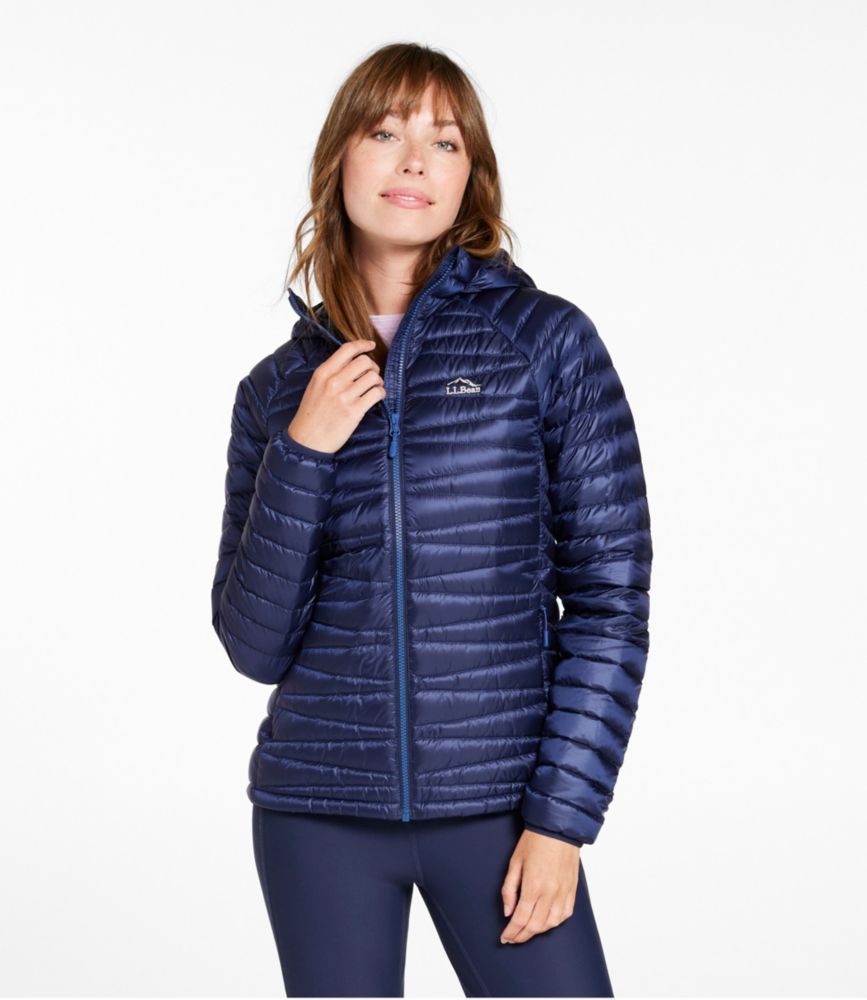
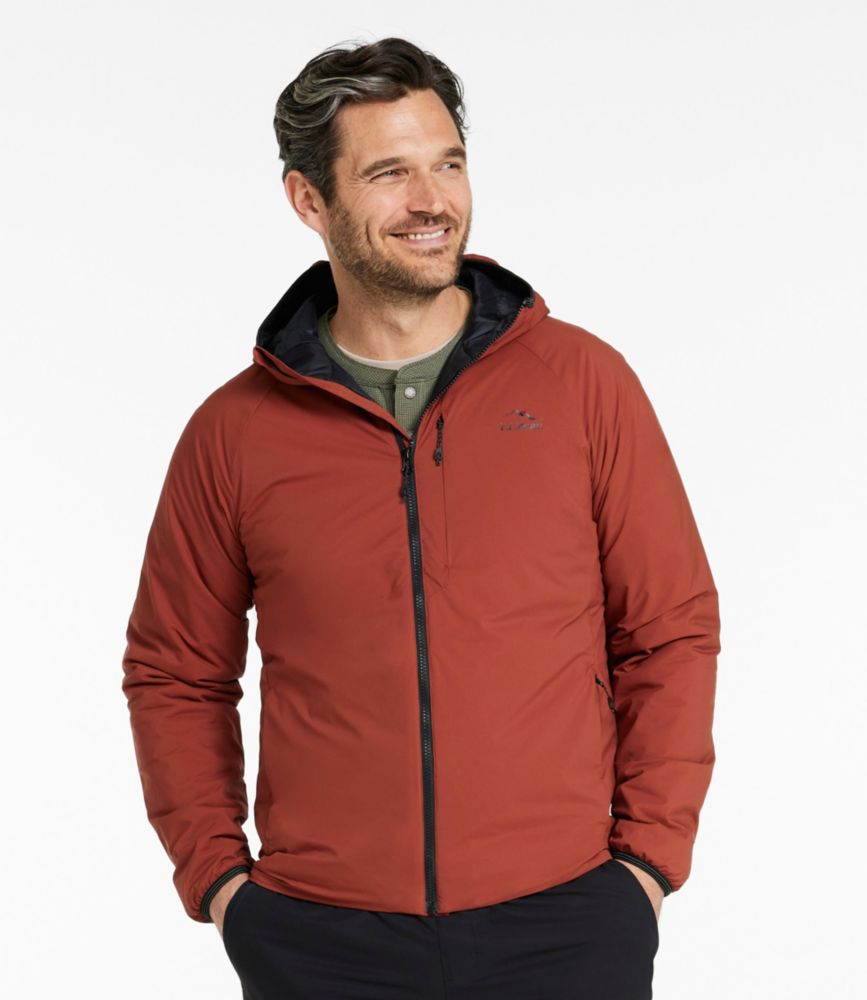
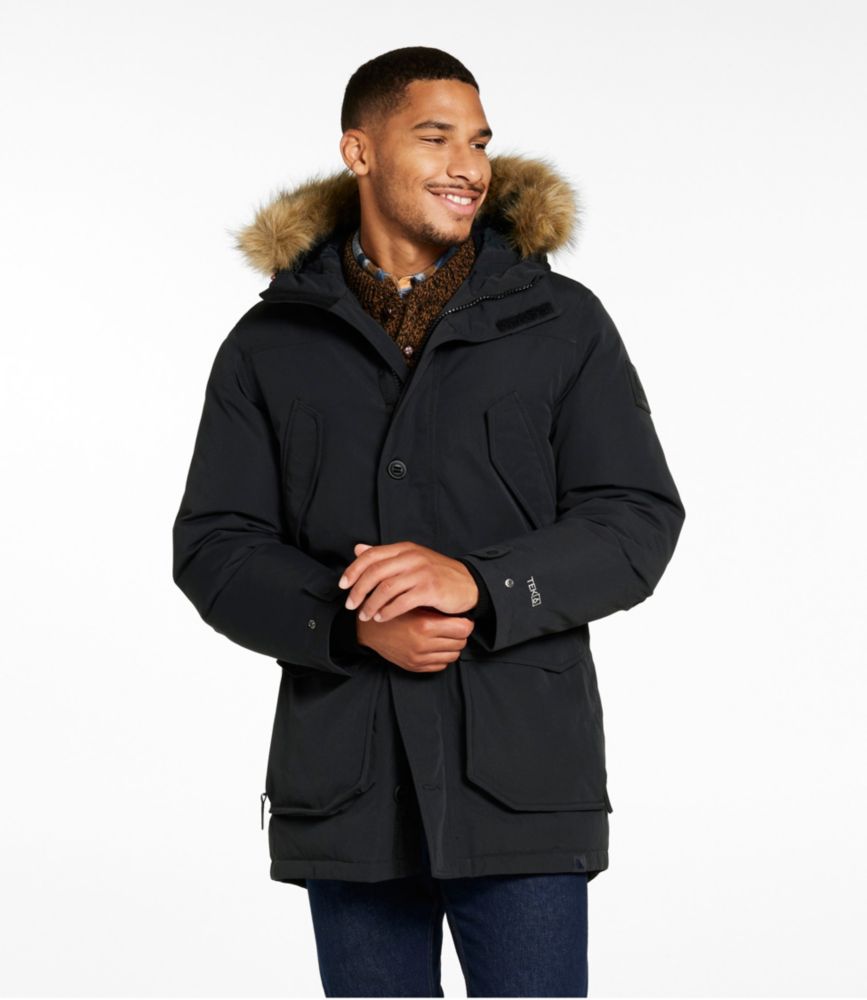
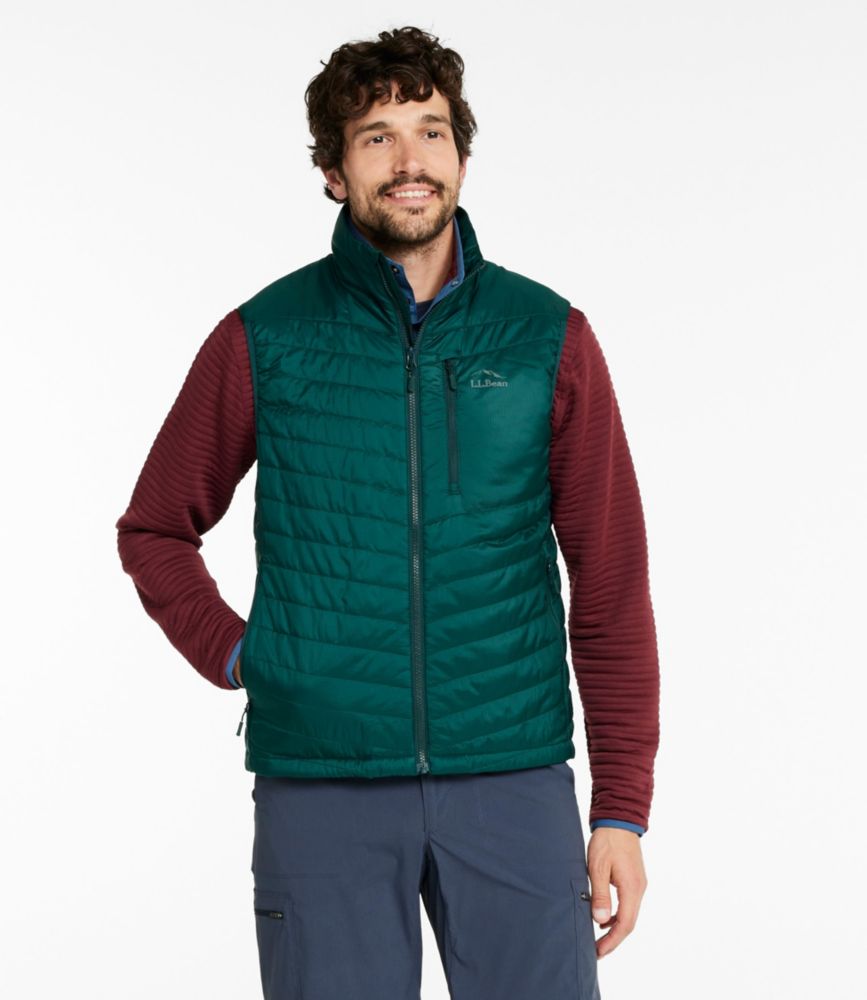
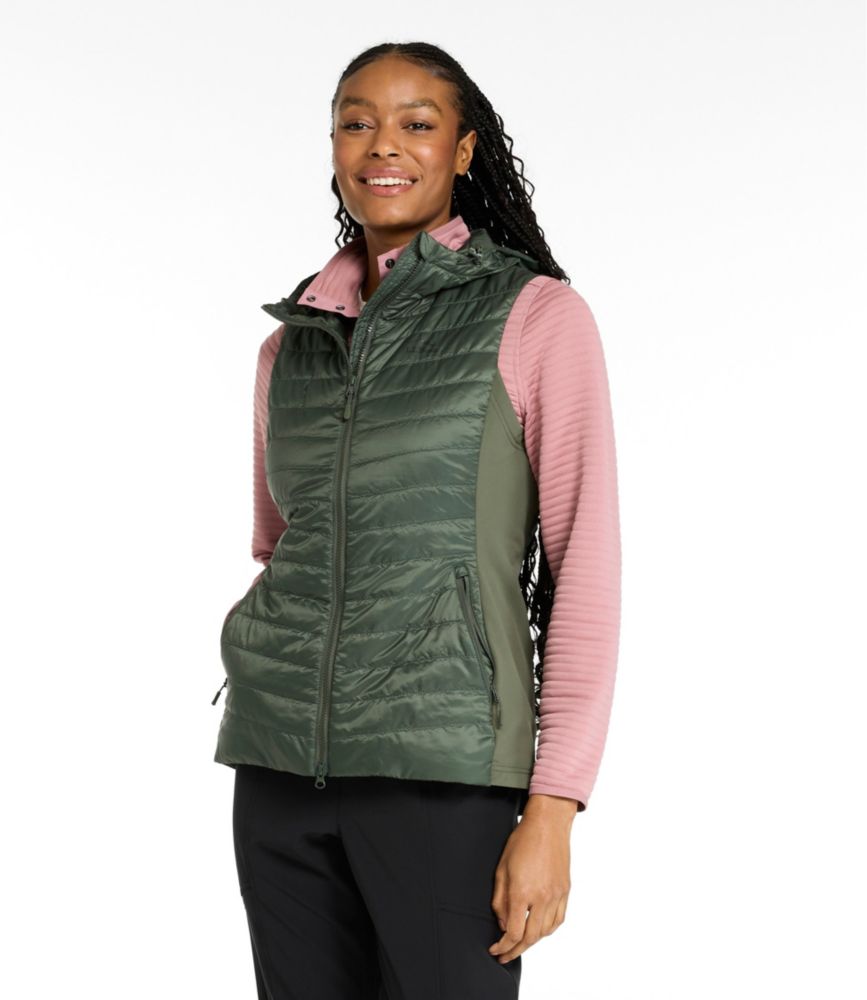
Layering is essential for winter hiking comfort. Start with a moisture-wicking base layer made of merino wool or synthetic materials to keep sweat away from your skin. Add an insulating mid-layer, such as fleece or a synthetic puffy jacket, to retain warmth. Top it off with a windproof and water-resistant outer shell to protect against snow and wind.
To prevent your water from freezing, use insulated water bottles or hydration systems with insulated hose covers. Keep bottles inside your pack and as close to your body as possible. Bringing a thermos with a warm beverage is also a great way to stay hydrated and comfortable on the trail.
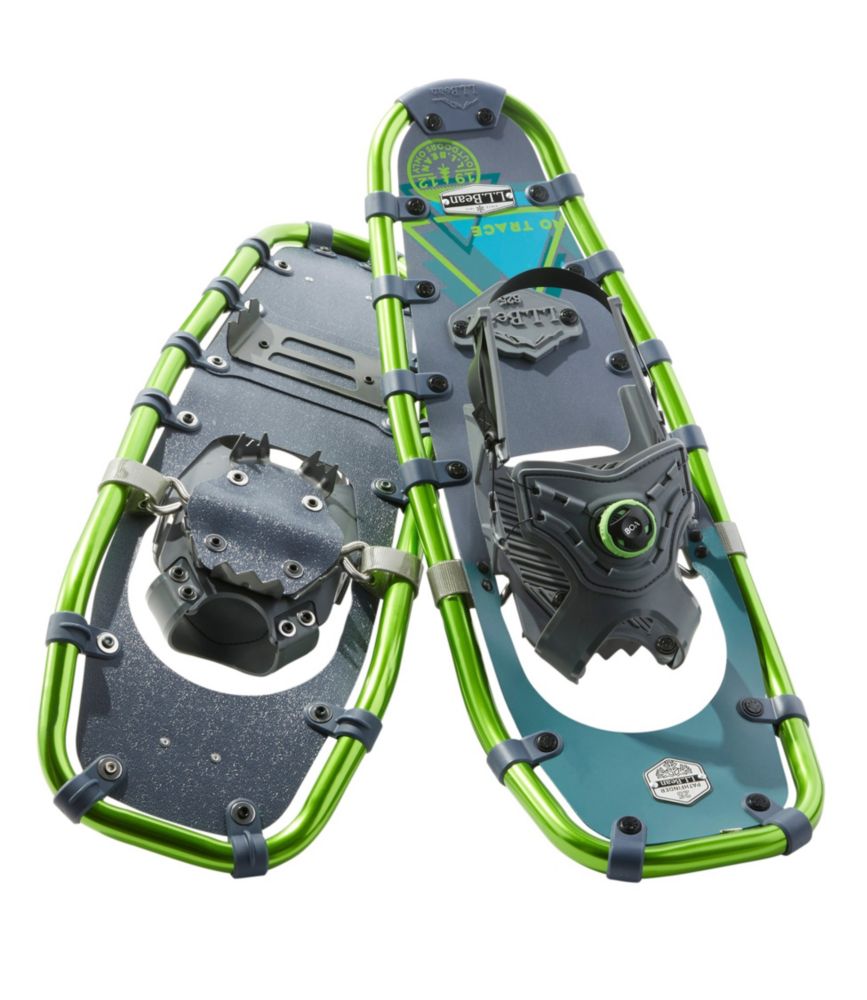
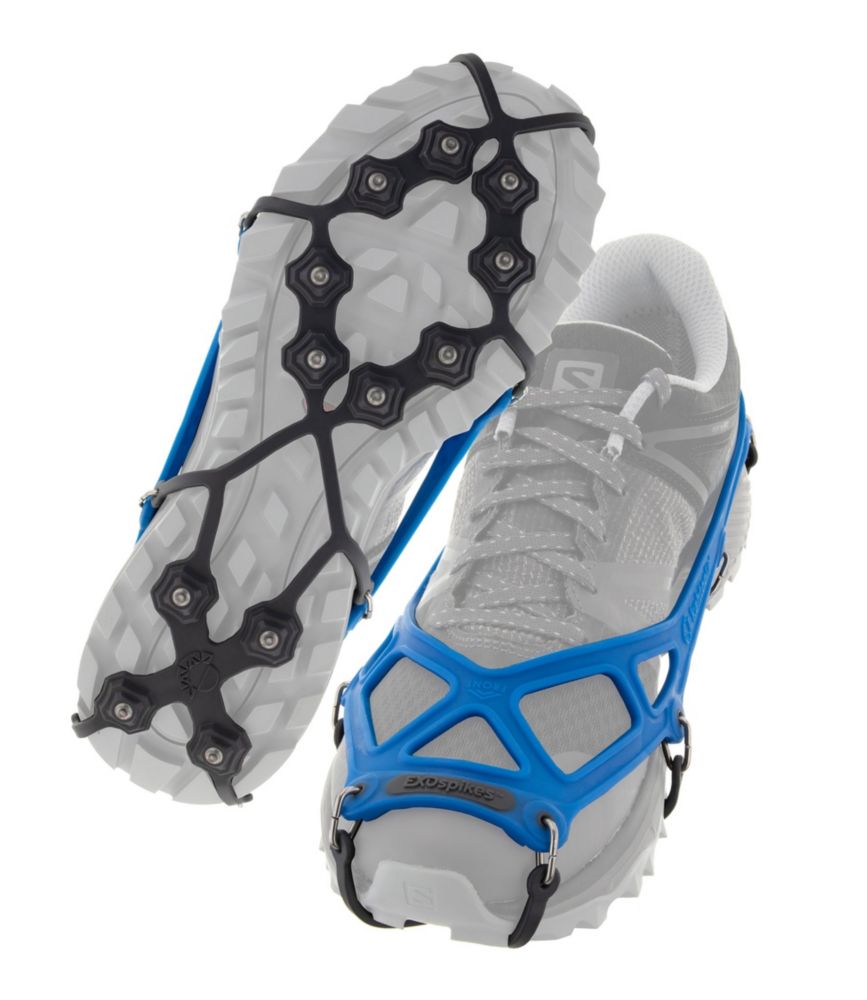
Insulated, water-resistant hiking boots with good traction are ideal for winter hiking. For added grip on icy trails, consider using traction devices like microspikes or crampons for shoes. Gaiters are also helpful for keeping snow out of your boots and ensuring your feet stay warm and dry.
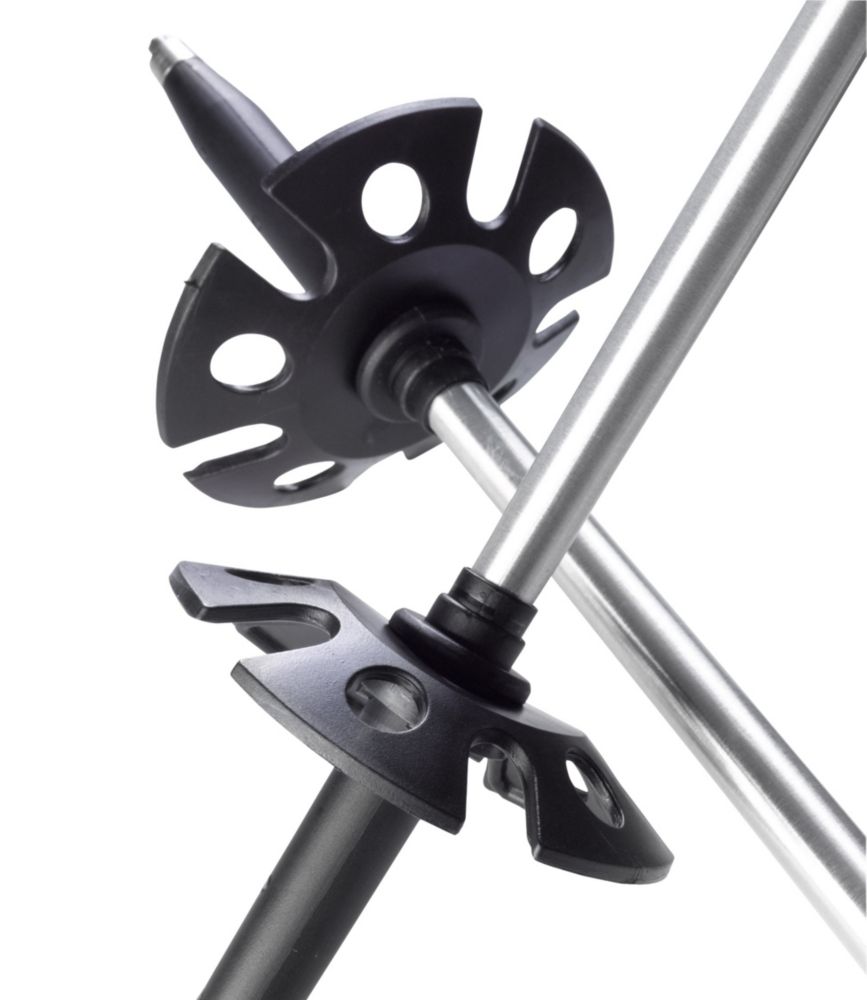
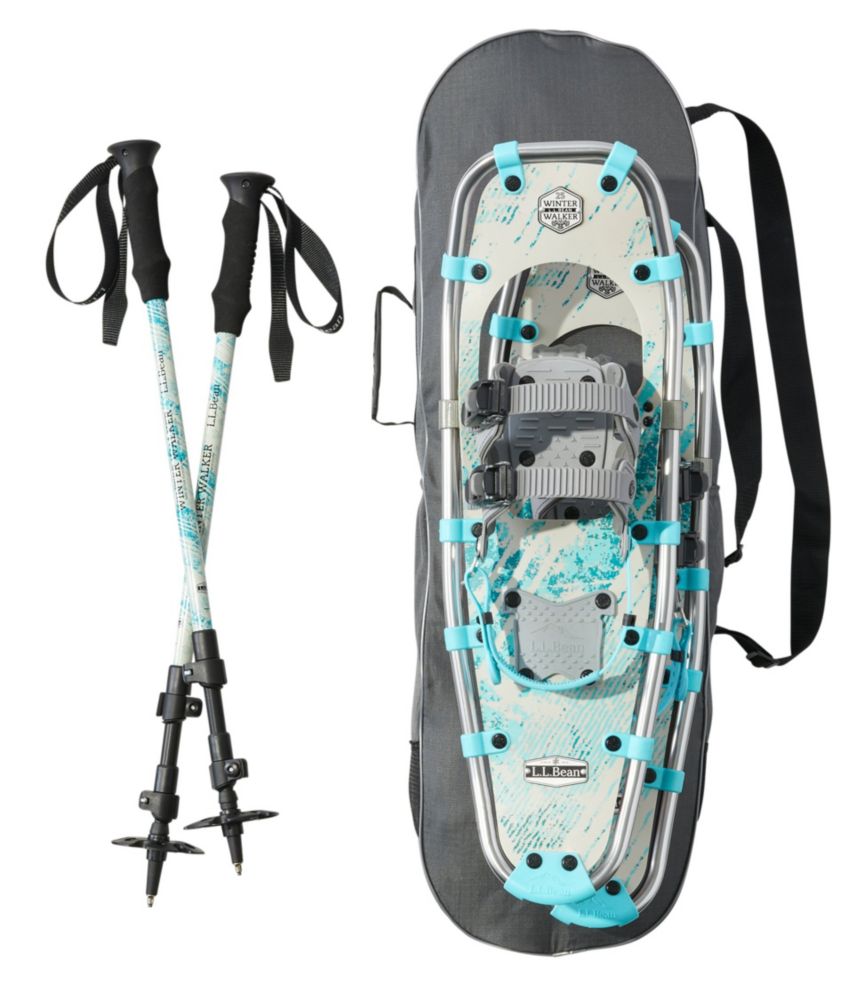
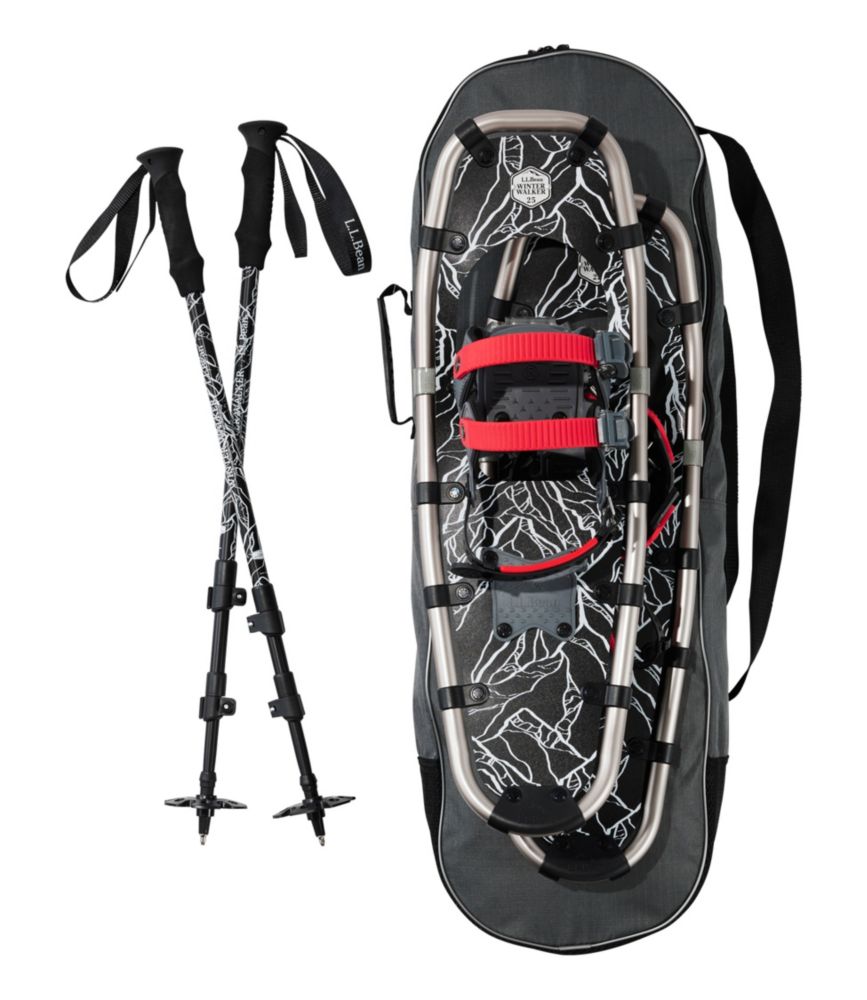
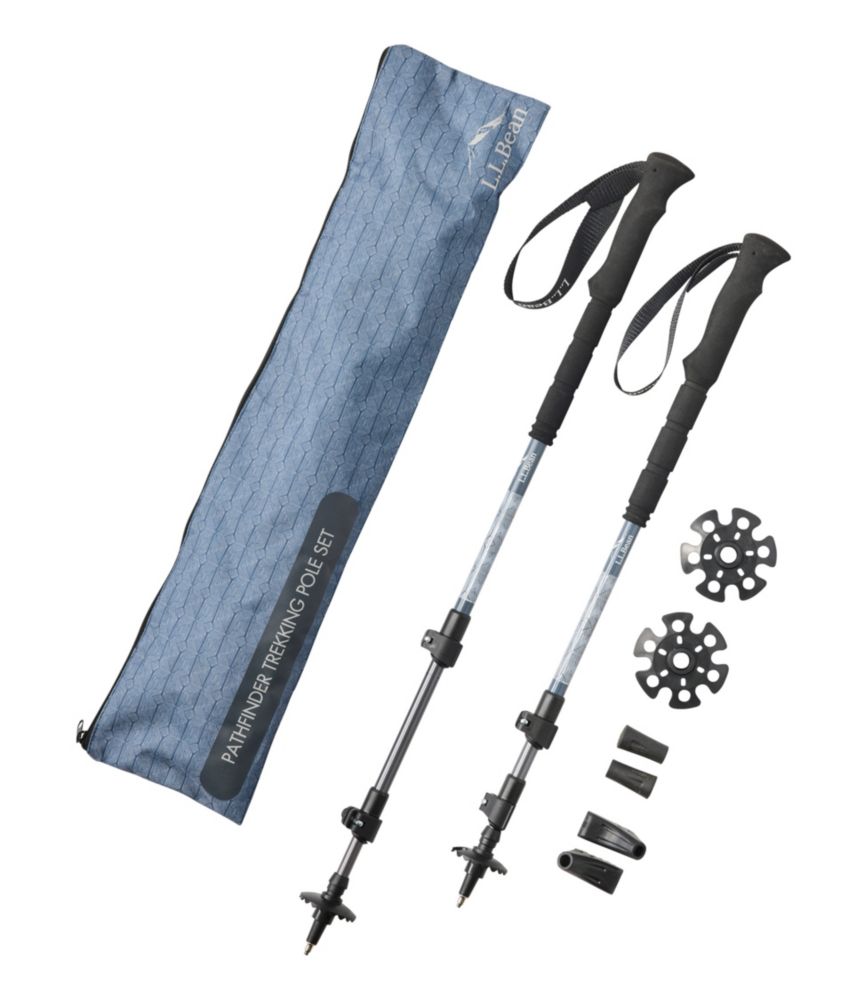
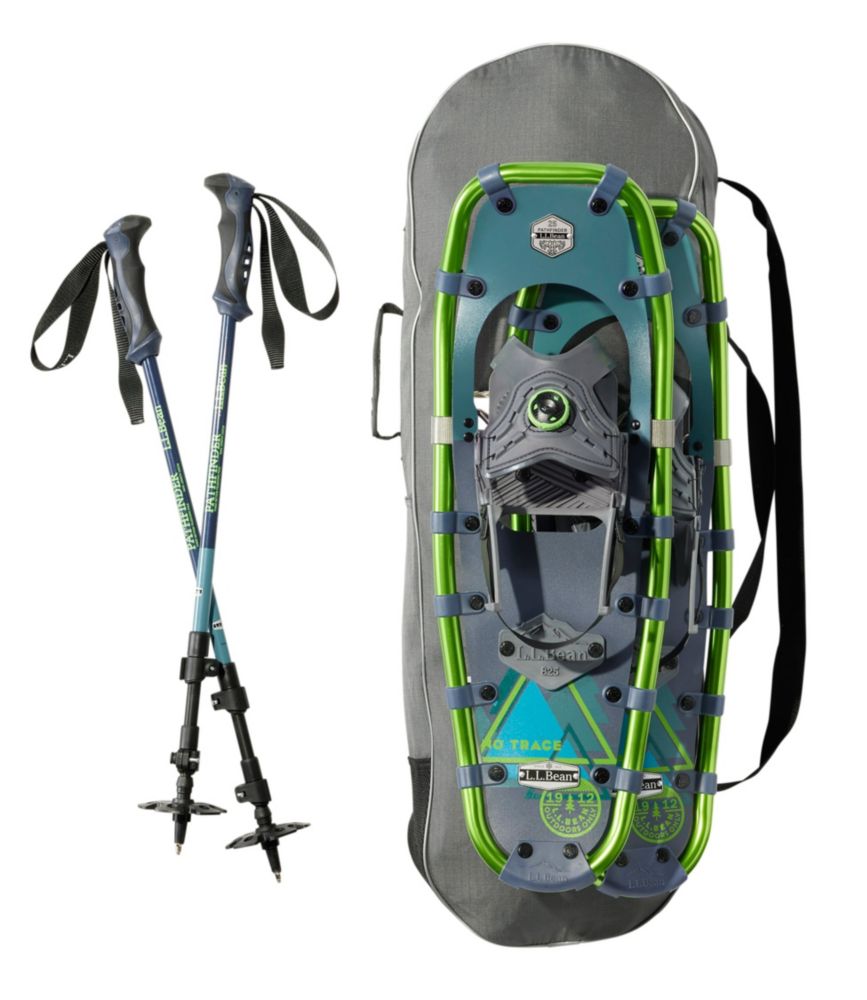
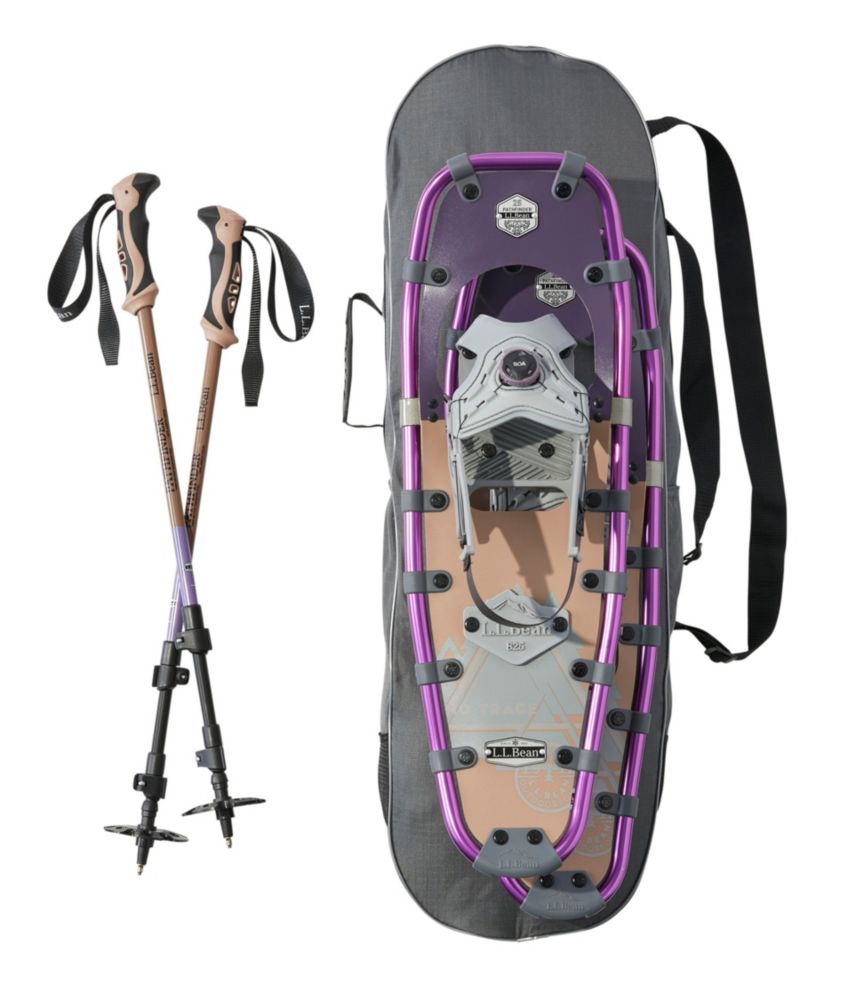
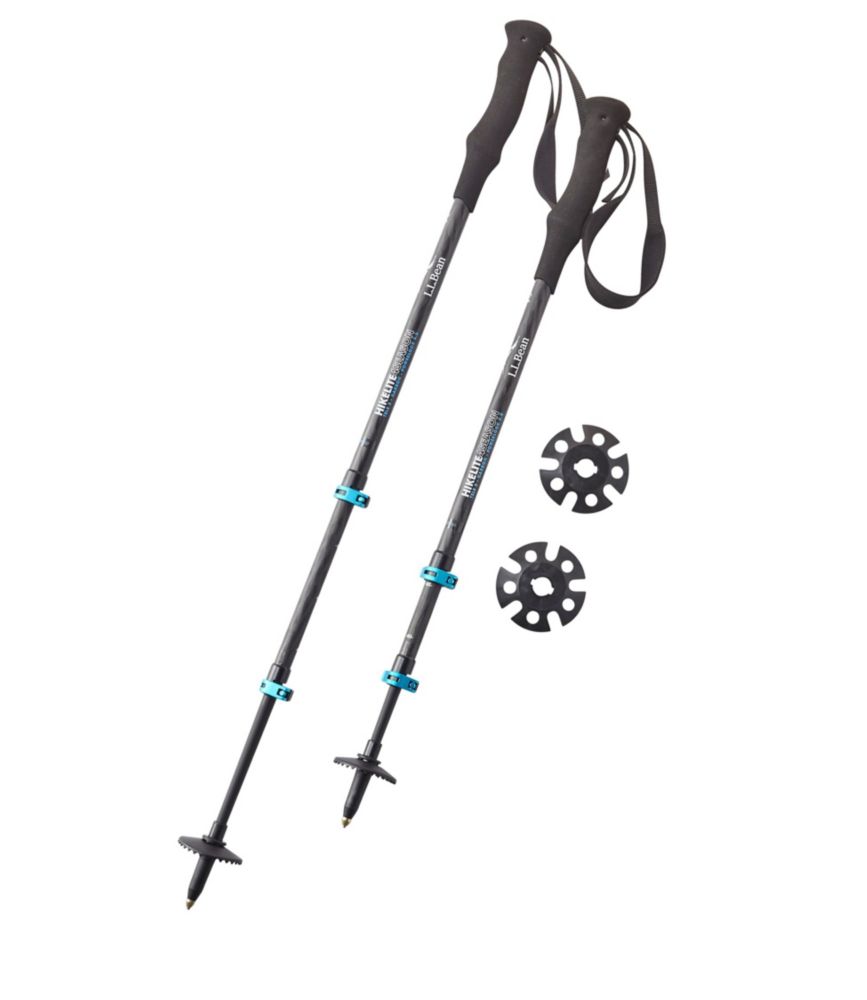
Trekking poles provide extra stability and support on snowy and icy terrain, making them a valuable addition to your winter hiking gear. Adjustable poles with snow baskets help prevent sinking into deep snow and can make navigating uneven ground much easier.
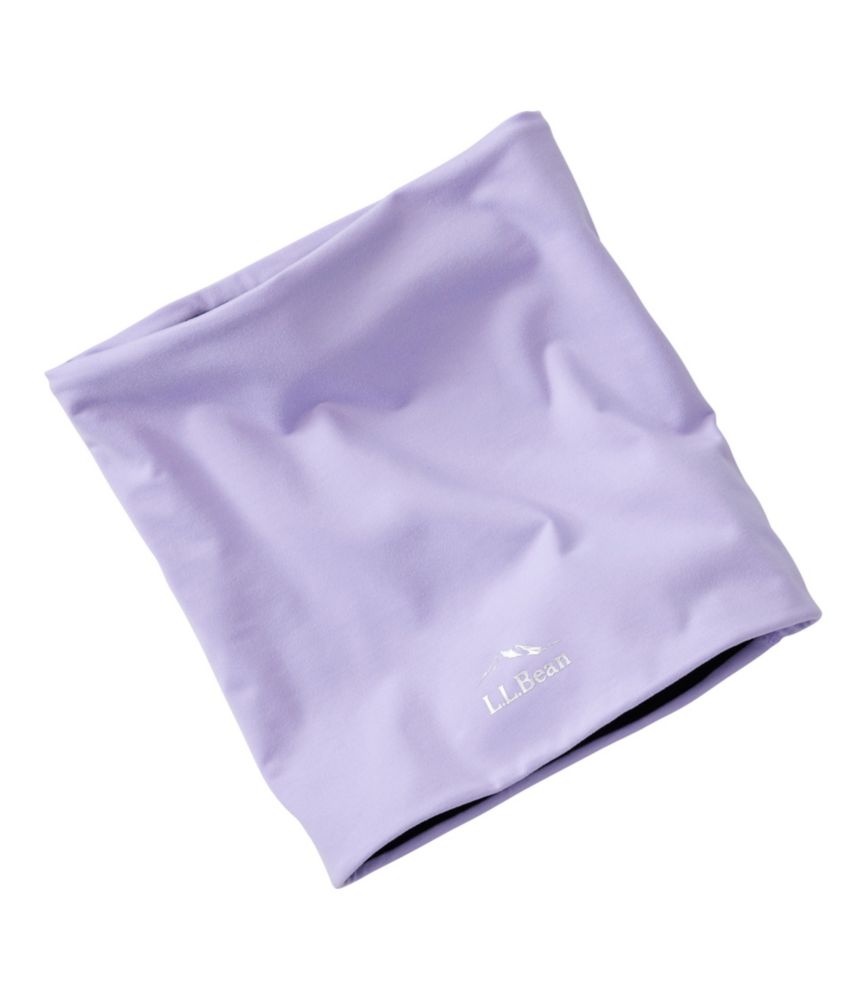
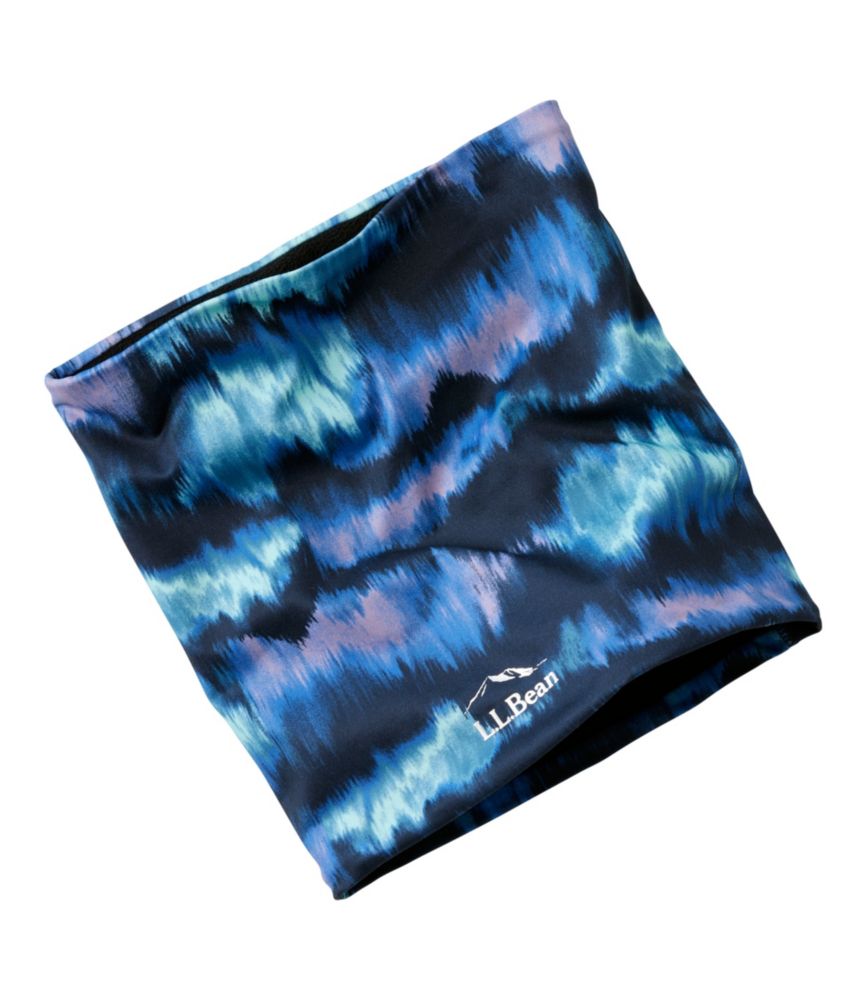
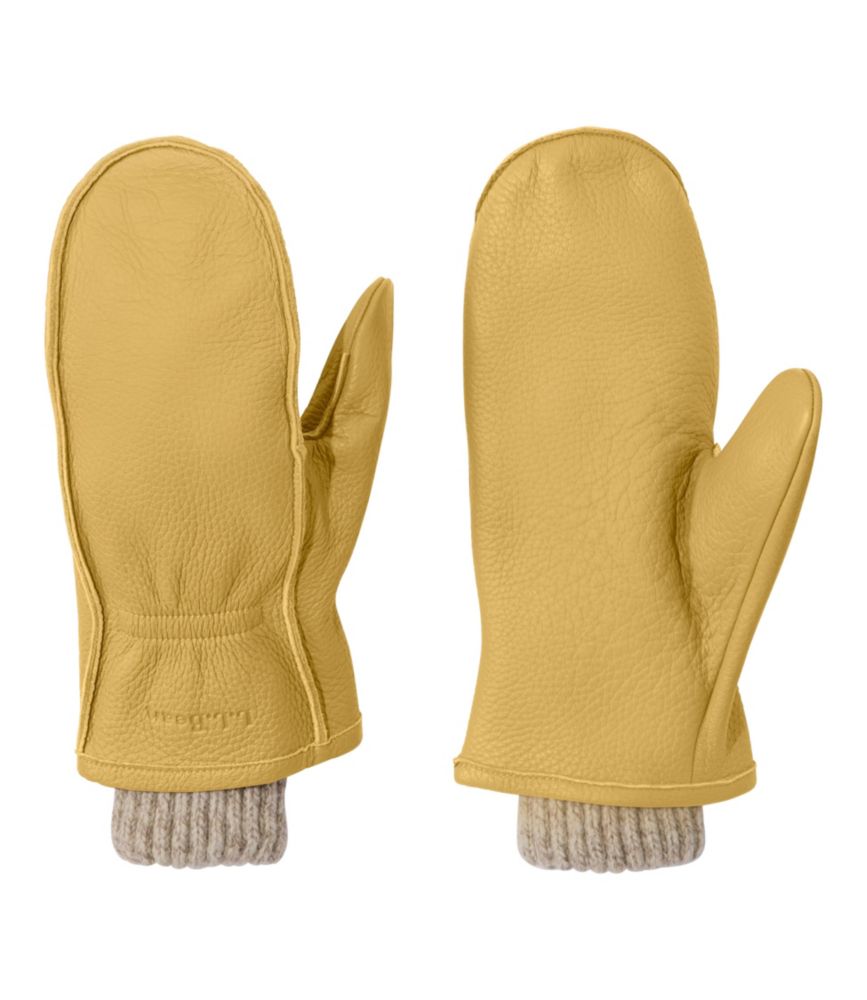
Essential accessories for winter hiking include a warm hat that covers your ears, a neck gaiter or balaclava, multiple pairs of gloves or mittens, and sunglasses or goggles for sun and wind protection. Don’t forget a headlamp with extra batteries, as daylight hours are shorter in winter.