It's time to upgrade your browser

Your current browser is no longer supported on llbean.com. Please upgrade to one of the following for a smoother, safer shopping experience with us:

Lanterns For Tents

Explore lanterns for tents with your tent’s layout and available space in mind. Compare the listed dimensions, power source and placement options for each lantern to help narrow the selection and choose one that fits your setup.
Read More
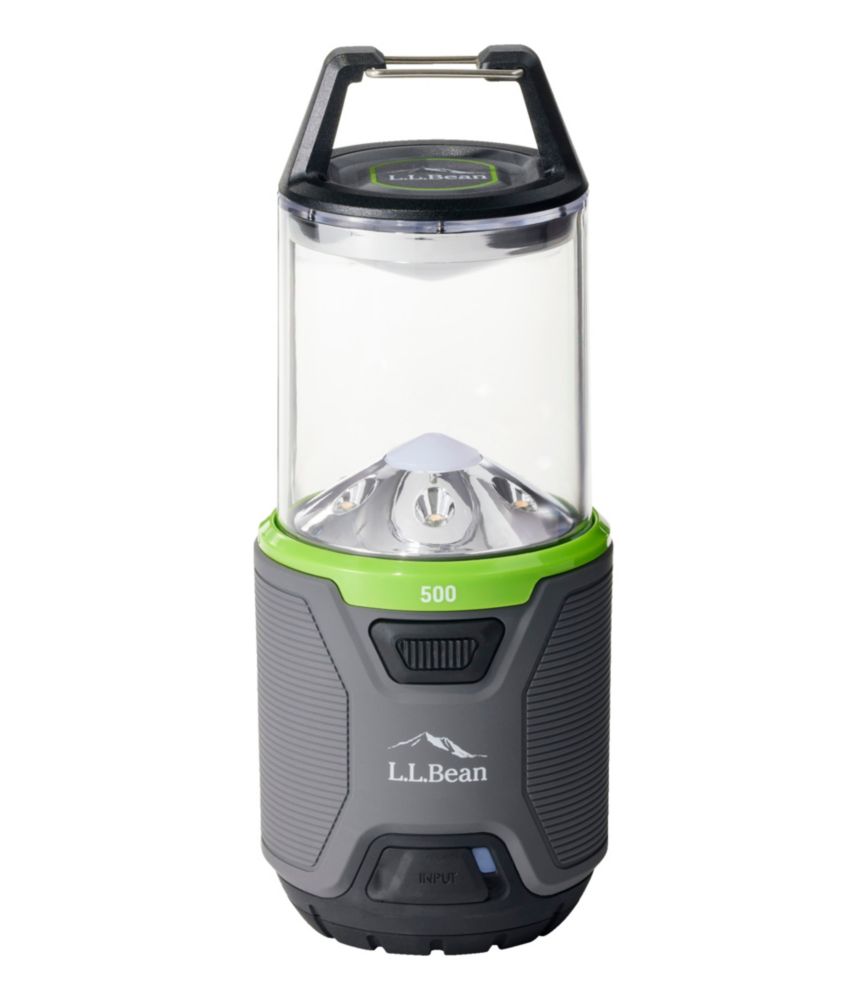
L.L.Bean Trailblazer 500 Rechargeable Lantern
L.L.Bean L.L.Bean Trailblazer 500 Rechargeable Lantern
A durable, rechargeable lantern with 500 lumens, dual LEDs, and a power bank for device charging.
(0)
$64.95 $64.95
SALE
$64.95 $64.95
SALE
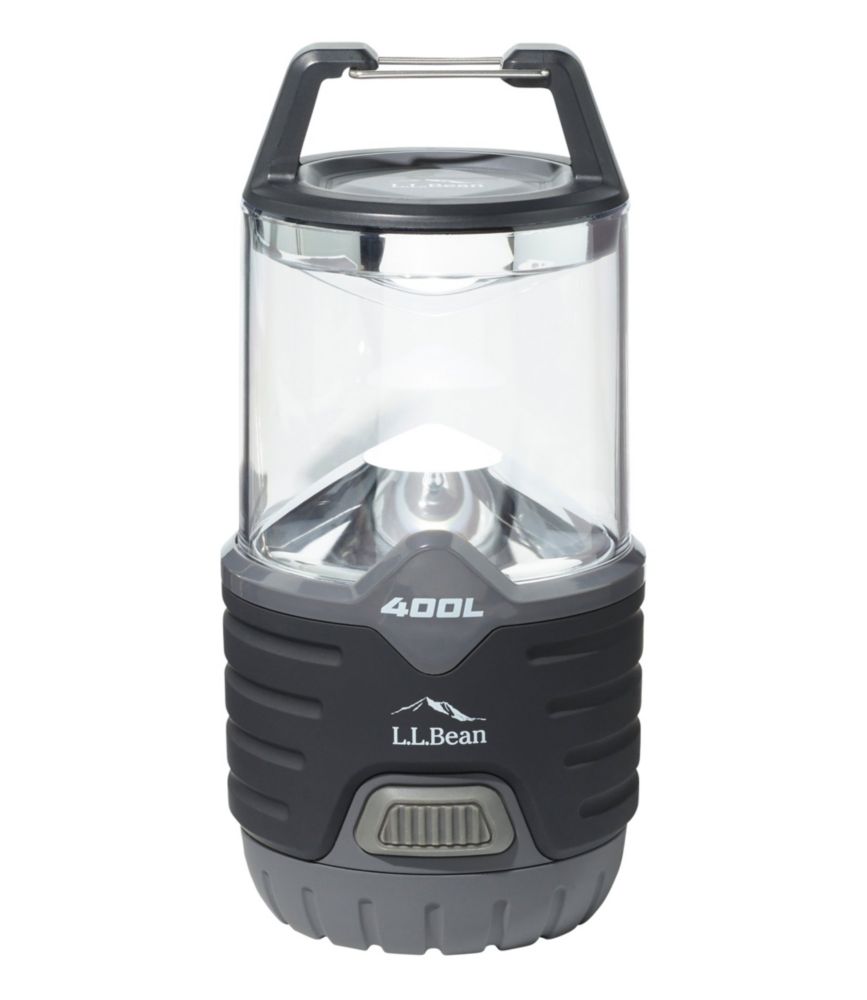
L.L.Bean Trailblazer 400 Lantern
L.L.Bean L.L.Bean Trailblazer 400 Lantern
A powerful 400-lumen lantern with a carabiner handle, multi-mode switch, and weather-resistant design.
(399)
$32.95 $32.95
SALE
What customers like:
Well-made
Lightweight
Great light
Good for emergency lighting
Looks good
$32.95 $32.95
SALE
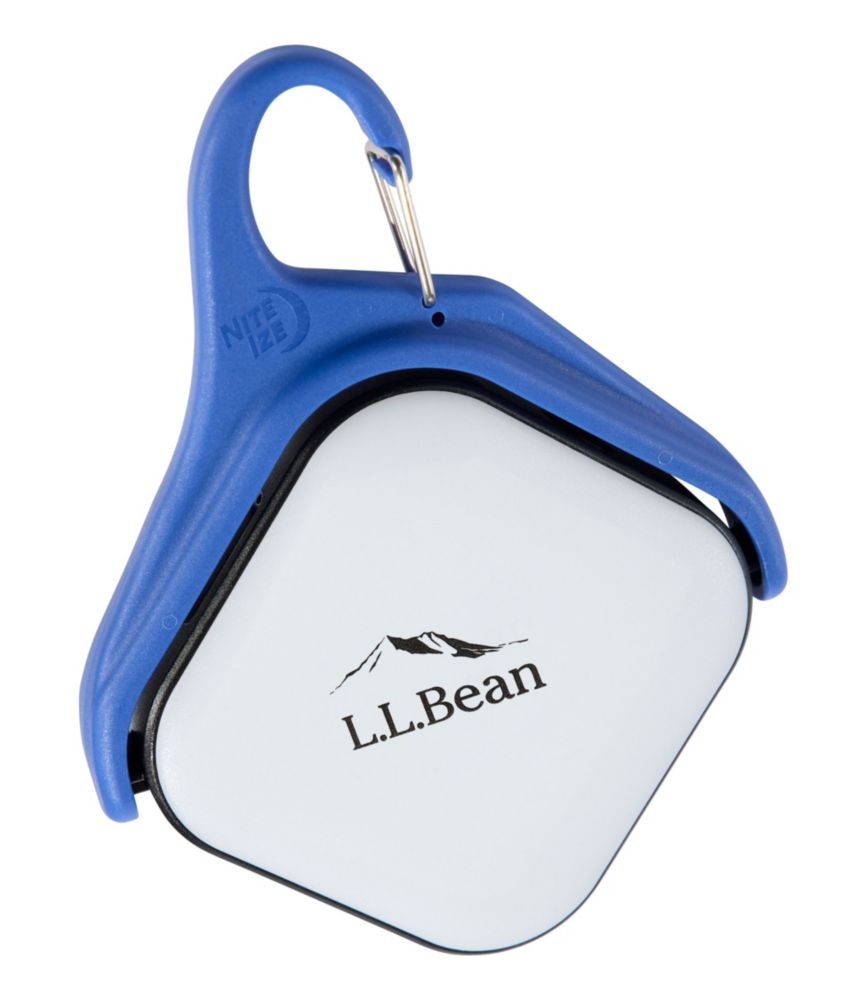
Trailblazer Rechargeable Solar Mini Lantern
L.L.Bean Trailblazer Rechargeable Solar Mini Lantern
A blue, water-resistant mini lantern with solar and rechargeable power, adjustable color temperature, and 360° rotation.
(0)
$29.95 $29.95
SALE
$29.95 $29.95
SALE

Lanterns For Tents

Lanterns for tents are lighting options for a familiar part of the outdoor experience: the place where the day’s adventures give way to conversation, quiet moments and plans for tomorrow. A tent can be a personal retreat or a shared space, with sleeping bags arranged side by side, a favorite book tucked into a pocket and tomorrow’s clothes set aside near a backpack. Choosing a lantern belongs in that larger picture, alongside the other gear that makes the space feel thoughtfully put together. The starting point is the individual product’s stated suitability for use inside a tent, rather than its appearance or the general label of outdoor lighting. From there, personal preferences help shape the choice. Someone putting together a first set of tent equipment may value a straightforward addition that fits naturally with the rest of the setup. A longtime outdoor enthusiast may have a clearer idea of the size, style and overall design that suits an established routine. Families and friends sharing a tent may approach the decision differently from someone choosing gear for a smaller space, but the common thread is finding something appropriate to the setting rather than choosing by looks alone. There is room for personal style, too. A traditional lantern shape can appeal to someone who enjoys familiar outdoor designs, while a simpler silhouette may better match a more understated collection of gear. Neither approach needs to turn a practical purchase into a complicated project. The most useful context is the tent itself, the people sharing it and the details provided for the lantern under consideration. Together, those elements give this everyday piece of outdoor equipment a place in the experience without asking it to do more than its individual specifications support.

Scale matters when choosing anything that will share a tent with people and their belongings. A lantern’s listed dimensions provide a more concrete point of comparison than a photograph alone, especially when the tent already has a defined arrangement of sleeping areas, storage pockets and entrances. A small-looking object in an isolated product image can feel quite different when considered beside a sleeping bag or a packed gear bag. That is why the relationship between the lantern and the space deserves as much attention as the design itself. Placement is another product-specific consideration: the lantern’s instructions and the tent manufacturer’s guidance should determine whether a proposed location or attachment is appropriate. An attachment point should not be assumed suitable simply because it is present. Construction details also deserve a close look, without treating any one appearance or material as a promise of durability. The materials listed for an individual lantern, its care requirements and any handling limitations offer a better basis for comparison than broad descriptions of outdoor gear. For someone who likes keeping equipment organized between outings, those details are part of the purchase rather than an afterthought. Care and storage directions can show how a lantern fits into an existing routine of checking equipment, putting belongings away and getting ready for the next trip. Familiarity with the rest of the tent setup helps make these comparisons meaningful: a designated place in a gear bin, an established packing list or a preference for keeping accessories together can all influence a decision. Shoppers considering the wider category can also explore Camping Lanterns, while checking each product’s stated uses before choosing it for a tent. The distinction matters because a broader category name does not establish that every design belongs in every setting. A thoughtful choice rests on the details of the individual lantern and how those details relate to the intended space.

There is also a personal side to selecting tent equipment, particularly when a lantern is being considered as a gift. Outdoor gear often becomes part of routines that are already well established: the same person organizes the equipment, another checks the packing list, and everyone has a preferred place for the belongings they want close at hand. A gift that respects those habits can feel more considered than one chosen only for its appearance. For a friend building an outdoor gear collection, knowing the type of tent they own and what equipment they already use gives the selection useful direction. For a family member with years of experience, a specific preference or a detail mentioned after an outing may be more helpful than guessing. Lanterns for tents can be considered in either situation, provided the recipient’s setup and the individual product’s intended use align. The appeal is connected to the shared experience as much as the object: a tent arranged before everyone settles in, a book waiting beside a sleeping bag, or a conversation about the most memorable part of the day. Those scenes do not call for an elaborate setup, and choosing equipment does not have to mean adding more than the space needs. A considered collection of gear reflects the people using it, with attention to fit, quality and the practical realities of putting everything away afterward. For some shoppers, that means coordinating a lantern with an existing outdoor style; for others, it means giving greater weight to dimensions, construction information and care instructions. Both approaches can lead to a choice that feels deliberate rather than incidental. The lasting value of the decision comes from understanding the product, respecting its stated limitations and choosing with the actual tent setting in mind. That keeps the focus where it belongs: on the people sharing the experience and the simple pleasure of making time to be outside.
Read More

FAQs