
It's time to upgrade your browser

Your current browser is no longer supported on llbean.com. Please upgrade to one of the following for a smoother, safer shopping experience with us:

Portable Lanterns

Shop portable lanterns and compare options by size, weight and lighting specifications. Check individual product details for power source, dimensions and other features that matter to you as you choose a lantern.
Read More
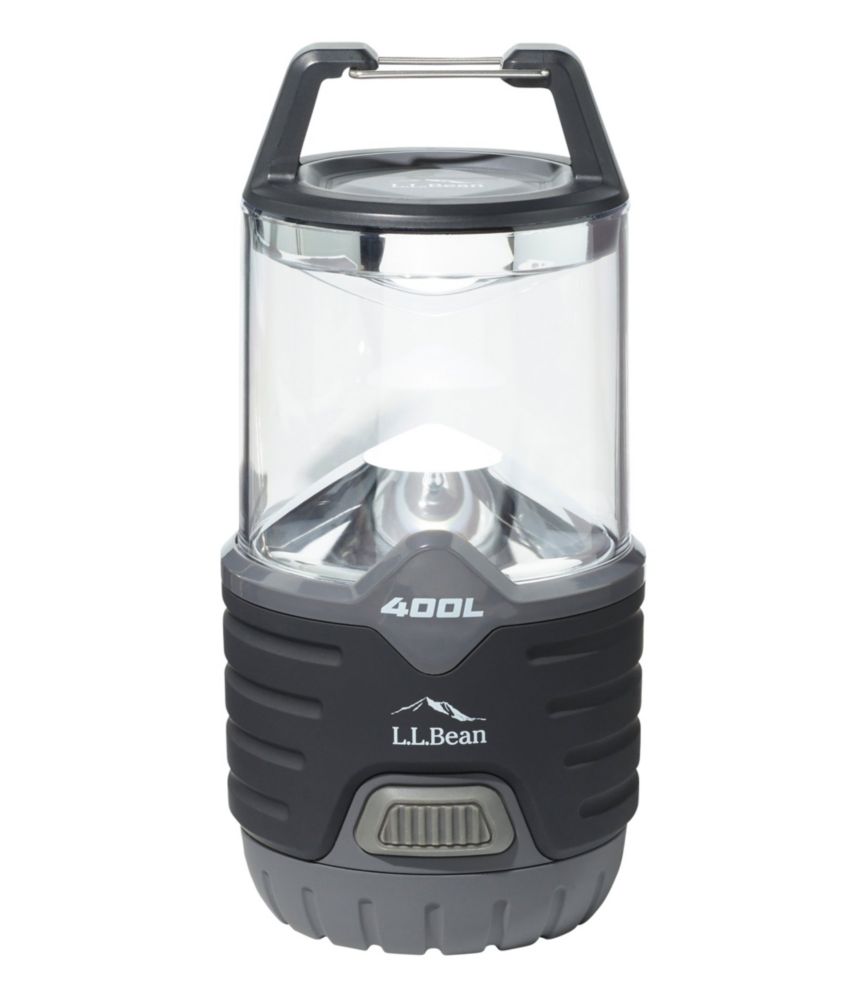
L.L.Bean Trailblazer 400 Lantern
L.L.Bean L.L.Bean Trailblazer 400 Lantern
A weather-resistant gray lantern with 400 lumens, three LED modes, diffuser, and carabiner handle for hanging.
(399)
$32.95 $32.95
SALE
What customers like:
Well-made
Lightweight
Great light
Good for emergency lighting
Looks good
$32.95 $32.95
SALE
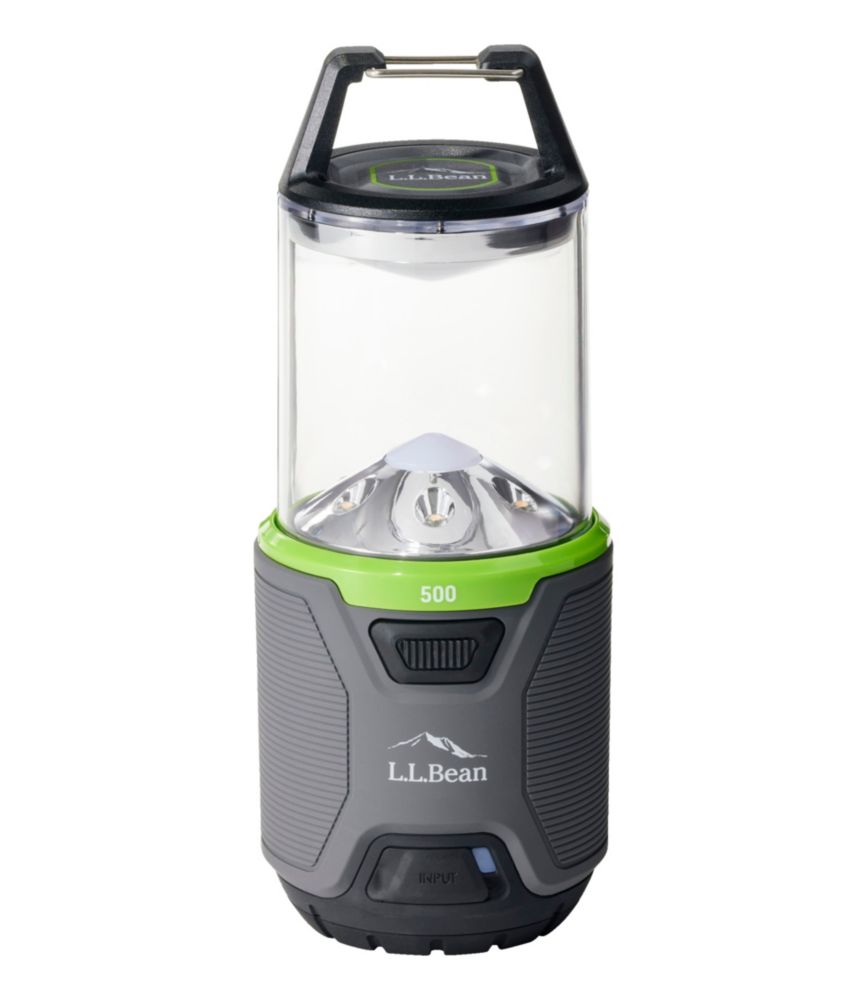
L.L.Bean Trailblazer 500 Rechargeable Lantern
L.L.Bean L.L.Bean Trailblazer 500 Rechargeable Lantern
A black 500-lumen rechargeable lantern with white and amber LEDs, power bank, and splash-resistant construction.
(0)
$64.95 $64.95
SALE
$64.95 $64.95
SALE
Trailblazer Rechargeable Solar Mini Lantern
L.L.Bean Trailblazer Rechargeable Solar Mini Lantern
A black, 90-lumen rechargeable solar lantern with adjustable white-to-amber light, three modes, and water-resistant construction.
(0)
$29.95 $29.95
SALE
$29.95 $29.95
SALE

Portable Lanterns

Portable lanterns are made to move from one place to another, but portability is not a single size, weight or shape. The right choice starts with how a lantern fits among the belongings that go along with it, and how much room it needs when put away. Listed dimensions and weight give those comparisons a practical starting point. A photograph shows appearance and proportion, while measurements help establish actual scale. Height, width and overall shape each deserve attention, especially when a lantern needs to fit into a particular bag, storage bin or shelf space. The opening of a bag matters just as much as the space inside it; a generous interior does not necessarily mean every shape will pass through easily. A measuring tape and a familiar object can make the numbers easier to picture than a close-up image alone. Weight is worth considering separately from size, too, since similarly sized lanterns need not weigh the same. There is also a difference between carrying one object by itself and carrying it alongside several other belongings. Looking at the complete arrangement helps make portability a personal consideration rather than an abstract description. When comparing measurements, notice what each listing says those measurements include, and avoid estimating dimensions that are not provided. Product photographs can then add context, showing the outline and visible details from different angles. A lantern does not need to be the smallest possible choice to make sense for its owner, nor does a larger profile automatically make it a better match. The useful comparison is between the stated specifications and the space the buyer has in mind. For someone who prefers to keep belongings neatly organized, that might mean checking the dimensions of an existing storage compartment. For someone who often carries several things together, the listed weight may deserve closer attention. These everyday details give portable lanterns a clear place in the shopping decision without making size alone the deciding factor.

Appearance brings another set of considerations, particularly for people who appreciate purposeful objects with a timeless look. A lantern’s proportions, outline and visible details can be as important to personal preference as its measurements. Some shoppers are drawn to a familiar lantern silhouette; others prefer a less prominent shape. Neither preference needs to be treated as a rule. Looking at the whole design, rather than one striking detail in a photograph, helps clarify what feels right. The relationship between the upper portion and the base, the amount of visual detail and the overall proportions all contribute to that impression. Material and construction information deserve a separate look in the written description, since appearance alone cannot establish what something is made from. A substantial-looking shape, for example, is not a substitute for stated information about construction or durability. Likewise, a finish shown in a photograph should not be the basis for assumptions about care. Those details are best considered alongside the instructions provided for the individual lantern. Power requirements, operating directions and information about included components also help explain what owning that lantern involves. Comparing those details can reveal differences that are not obvious from a name or image, without requiring every shopper to value the same things. Clear information matters more than a long list of unfamiliar terms. A useful comparison keeps each specification attached to the lantern it describes instead of assuming that all portable lanterns share the same characteristics. When several designs catch the eye, considering their dimensions, construction descriptions, operating information and care directions together can make the differences easier to understand. Personal style still has a place in that decision: an object chosen thoughtfully should feel like something its owner would enjoy having, not simply something selected by a number. For another way to browse, explore the Lanterns For Tents collection. Comparing related selections can help refine preferences while keeping the details of each lantern at the center of the choice.

Care and storage are part of that same thoughtful approach. Before choosing a portable lantern, consider the care directions that accompany it and whether those expectations fit the owner’s habits. There is no need to assume that all lanterns can be cleaned or stored in the same way. The instructions supplied with an individual design are the appropriate reference for cleaning methods, handling and any requirements associated with its power source. A familiar household cleaning routine should not take the place of those directions, particularly when the construction information calls for a different approach. Keeping the instructions with other household product information makes them easier to find when a question comes up later. It is also useful to consider where the lantern and anything supplied with it will be kept. A designated space can make the dimensions more meaningful: the depth of a closet shelf, the width of a bin or the room left in a carrying bag are concrete details that help connect a purchase to everyday organization. If separate components are listed, account for those rather than considering the lantern’s dimensions alone. For a gift purchase, these practical considerations can be paired with what is known about the recipient’s taste. Someone who appreciates classic design may notice the overall silhouette first, while a person who likes carefully organized belongings may care more about measurements and storage. A shared appreciation for thoughtfully chosen gear can provide a personal connection without requiring a guess about which specifications matter most. When possible, use preferences the recipient has already expressed, especially about size, appearance and the amount of care they are comfortable taking on. Including the product instructions with the gift keeps the operating and care information close at hand. Ultimately, choosing among portable lanterns is about bringing several ordinary considerations together: how a lantern is carried, where it is kept, what its description explains and whether its design feels right to the person receiving it. Attention to those details makes the decision more personal, grounded and useful.
Read More

FAQs