It's time to upgrade your browser

Your current browser is no longer supported on llbean.com. Please upgrade to one of the following for a smoother, safer shopping experience with us:

Lightweight Lanterns

Shop lightweight lanterns and compare options by weight, size and features. Check each lantern’s product details for light output and power source to find the balance that’s right for you.
Read More
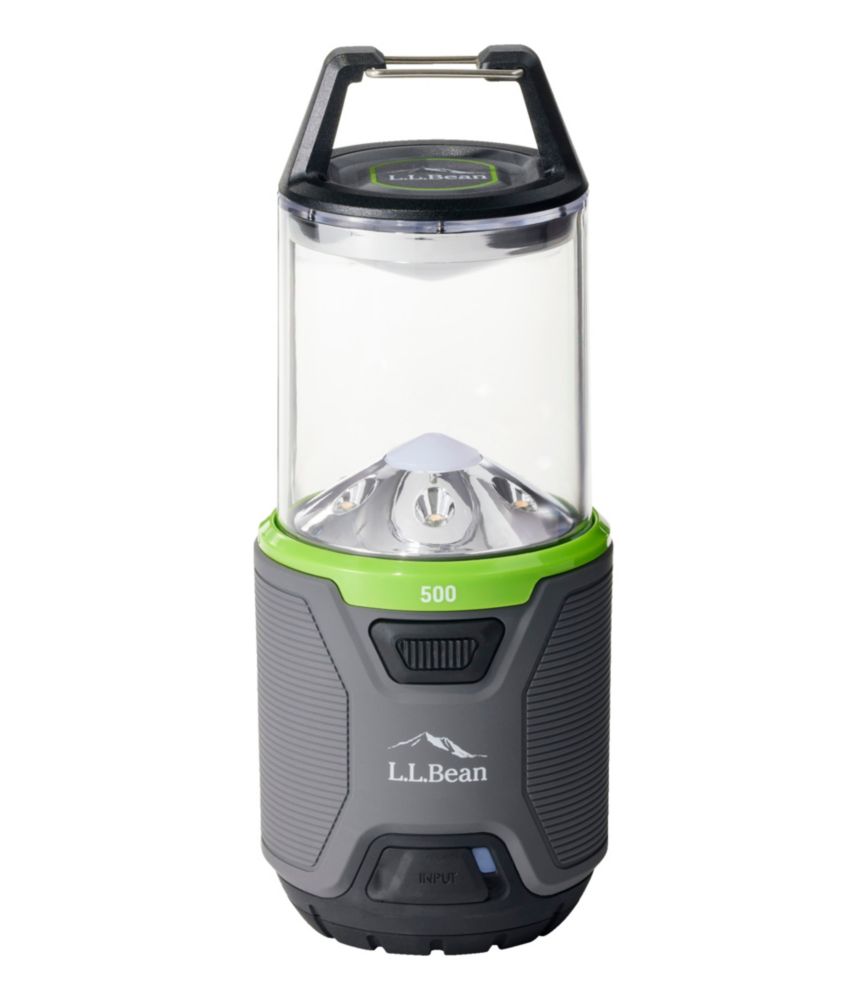
L.L.Bean Trailblazer 500 Rechargeable Lantern
L.L.Bean L.L.Bean Trailblazer 500 Rechargeable Lantern
A durable, rechargeable lantern with 500 lumens, dual LEDs, and a power bank for device charging.
(0)
$64.95 $64.95
SALE
$64.95 $64.95
SALE
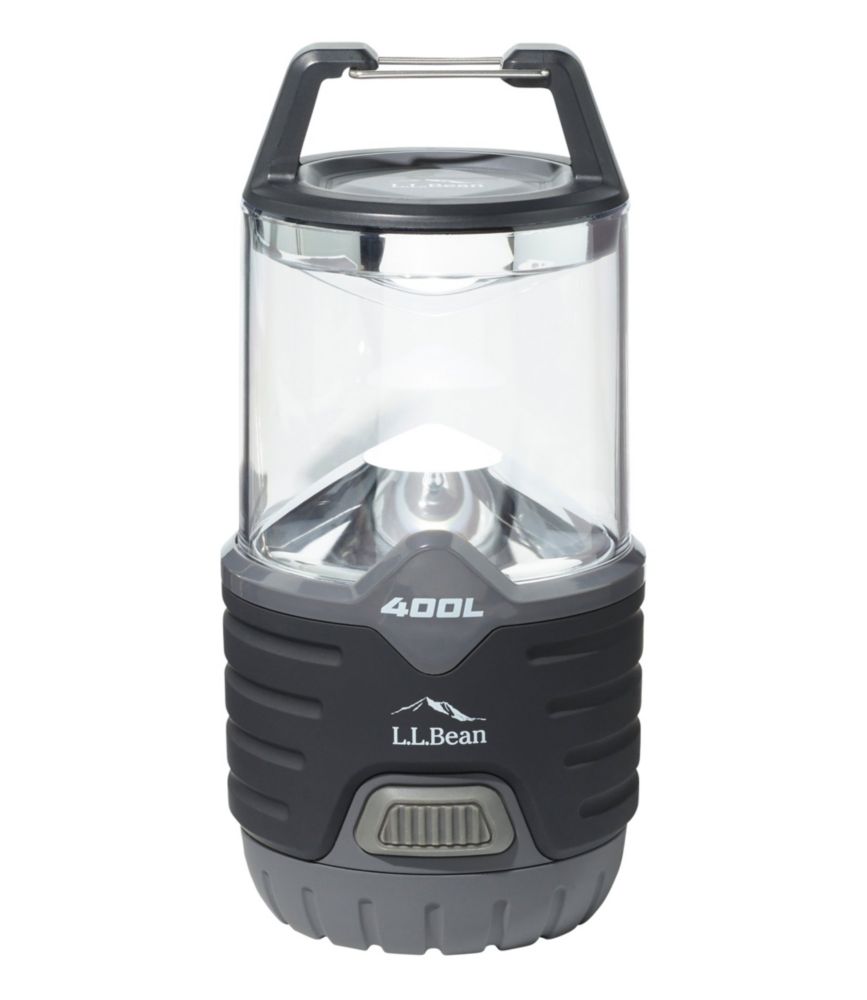
L.L.Bean Trailblazer 400 Lantern
L.L.Bean L.L.Bean Trailblazer 400 Lantern
A powerful 400-lumen lantern with a carabiner handle, multi-mode switch, and weather-resistant design.
(399)
$32.95 $32.95
SALE
What customers like:
Well-made
Lightweight
Great light
Good for emergency lighting
Looks good
$32.95 $32.95
SALE
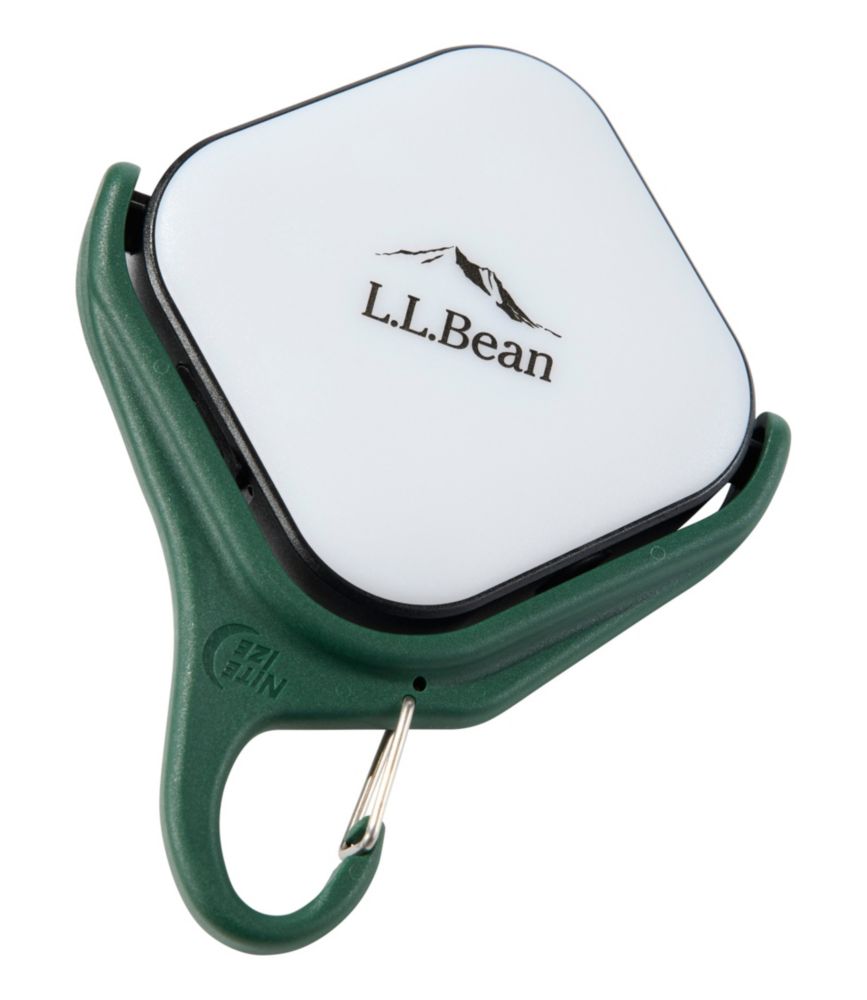
Trailblazer Rechargeable Solar Mini Lantern
L.L.Bean Trailblazer Rechargeable Solar Mini Lantern
A green, water-resistant lantern with solar and rechargeable power, adjustable color temperature, and 360° revolving body.
(0)
$29.95 $29.95
SALE
$29.95 $29.95
SALE

Lightweight Lanterns

Lightweight lanterns put weight at the center of the selection, offering a clear starting point for shoppers who pay attention to how much their gear weighs. The appeal is straightforward: a lantern’s weight matters alongside its dimensions, appearance, and individual features. Yet lightweight does not describe every other aspect of a lantern. It does not establish brightness, power source, materials, or how long a light will operate. Those details belong to the individual product description, where differences between designs become easier to understand. A useful comparison begins with the stated weight and what that measurement includes. A figure for the lantern alone may not represent the total once batteries or separate accessories are added, so the accompanying specifications deserve a close look. Dimensions provide another part of the picture. Weight and size are different measurements, and a lower weight does not necessarily mean a smaller shape. Looking at height, width, and depth together gives a clearer sense of proportion than a photograph alone. A product image can show the relationship between the base, body, and any visible handle, while the measurements supply the scale that an image cannot always convey. The result is a more grounded way to browse lightweight lanterns: not simply choosing the lowest number, but considering how the complete design matches personal preferences. Some shoppers begin with a particular weight limit; others are more interested in the balance between weight and the other details listed for each lantern. Both approaches leave room for individual priorities without treating every lightweight design as interchangeable. Quality, versatility, and an outdoor-inspired character can be part of that decision, too, provided the choice stays rooted in the information supplied for the lantern being considered. The most meaningful comparison is between complete descriptions, rather than isolated numbers or assumptions based on appearance.

Beyond weight, the details that distinguish lanterns deserve to be considered on their own terms. Brightness, for example, is a separate specification, not something that can be inferred from the size of the housing. When a description includes a lumen rating, that number describes light output; it does not, by itself, explain every aspect of how the light looks. Product photographs and descriptions may provide additional context about the shape of the light and the settings offered. Runtime is another detail best read with its accompanying conditions, including the setting associated with a stated duration. Keeping those details together makes comparisons more useful than placing two headline figures side by side. Power information also belongs in the individual listing. Rather than assuming that lightweight lanterns share a particular battery or charging arrangement, look for a clear explanation of what each design requires and what is included. That distinction can matter to someone who already has established preferences about batteries, chargers, or accessories. Materials call for the same attention. A photograph may suggest a texture or finish, but the construction details are the better source for identifying what a lantern is made from. Weight alone is not evidence of durability, and a substantial-looking exterior is not a substitute for documented construction information. Any statements about resistance to water, impact, or other conditions should be assessed exactly as written for that individual lantern. Care information adds useful context by explaining the recommended cleaning, handling, and storage practices for the design. Following those directions avoids treating different materials or power systems as though they require the same care. For shoppers, these details are less about collecting technical terms than understanding the object being selected. A clearly stated measurement, an explanation of an included component, or a close photograph of a control can answer a practical question that a broad description leaves open. Together, those details give lightweight lanterns their individual character and help separate a genuinely preferred design from one that merely looks similar at first glance.

Personal preference also has a place in a thoughtful lantern selection. The outline of the body, the arrangement of visible controls, and the treatment of a handle or base all contribute to the overall design when those elements are present. A simple silhouette may appeal to one shopper, while another may prefer a more detailed appearance. Neither preference needs to stand in for a performance judgment. The same is true of familiarity: someone replacing a lantern may know exactly which details to compare, while a first-time buyer may appreciate descriptions that explain the basics without requiring specialist knowledge. Picture a shopper checking a listed height against a ruler, then returning to the photographs with a better sense of scale. That small step turns an abstract dimension into something recognizable. Another shopper might compare the stated weights of several lanterns while keeping the included components in view, making sure the comparison remains consistent. These are practical ways to bring personal priorities into a collection without assuming that one design is right for everyone. Lightweight lanterns can also be considered as gifts for someone who enjoys choosing and caring for outdoor gear. In that case, the recipient’s preferences are a better starting point than a guess about the features they might want. Existing equipment, preferred power arrangements, and an expressed interest in a particular design can all help inform the choice. Shoppers interested in a related collection can also explore Lanterns For Tents, keeping the individual product information central to any comparison. Across the selection, the word lightweight identifies one important characteristic while leaving the rest of the decision open to careful consideration. There is value in that straightforward approach. It makes room for different tastes, different levels of familiarity, and different priorities without turning a single specification into a promise about everything else. A well-considered lantern choice brings together the stated weight, documented features, care requirements, and design details that matter to the person receiving it.
Read More

FAQs