It's time to upgrade your browser

Your current browser is no longer supported on llbean.com. Please upgrade to one of the following for a smoother, safer shopping experience with us:

Kids Sneakers

Find kids sneakers to suit your child's style, with a selection of looks to browse in one place. As you compare pairs, check individual product details for sizing and fit information to help narrow your choice.
Read More
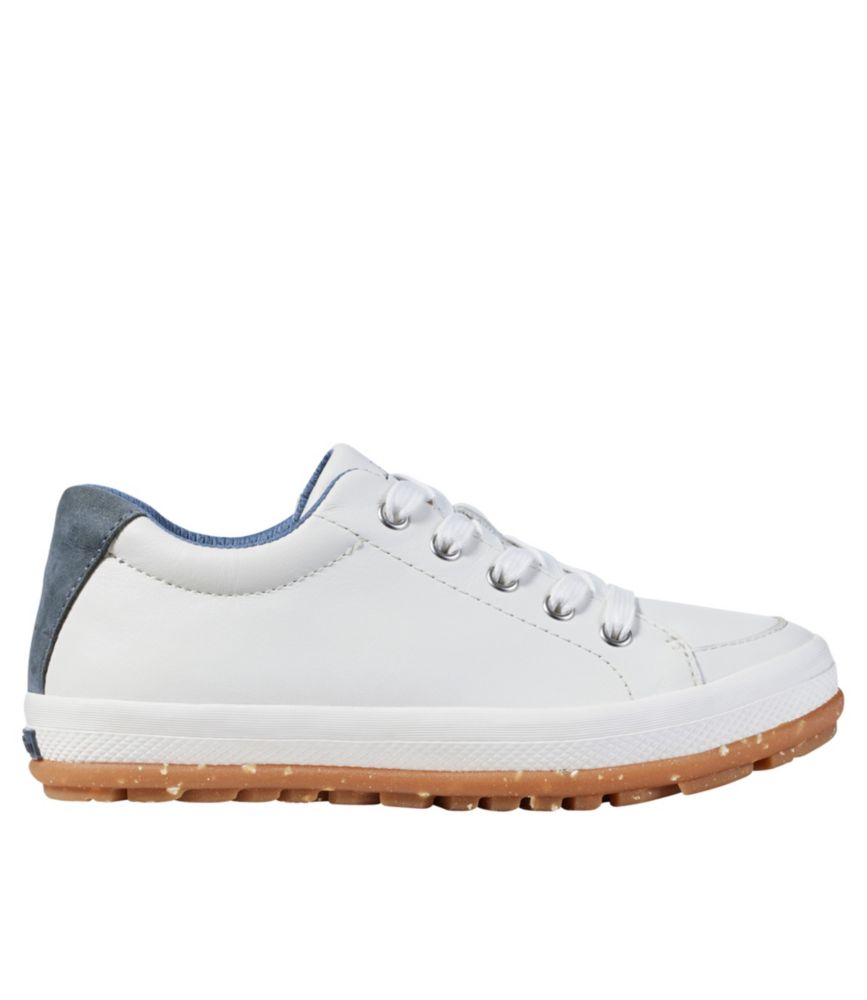
Kids' Everywhere Explorer Sneakers
L.L.Bean Kids' Everywhere Explorer Sneakers
A white leather sneaker with cushioned EVA footbed, grippy rubber outsole, and cooling polyester lining.
(0)
$59.95 $39.99
SALE
$59.95 $39.99
SALE
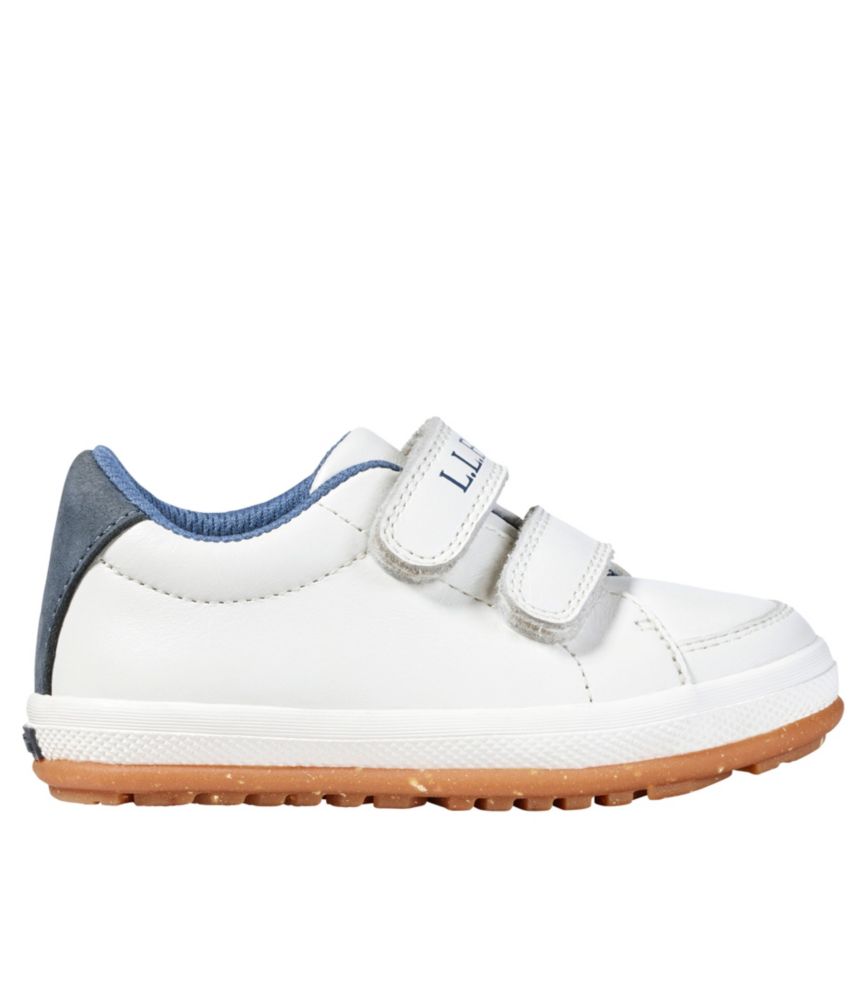
Toddlers' Everywhere Explorer Hook-and-Loop Sneakers
L.L.Bean Toddlers' Everywhere Explorer Hook-and-Loop Sneakers
A white leather sneaker with hook-and-loop closures, cushioned EVA footbed, cooling lining and grippy rubber outsole.
(0)
$49.95 $39.99
SALE
$49.95 $39.99
SALE
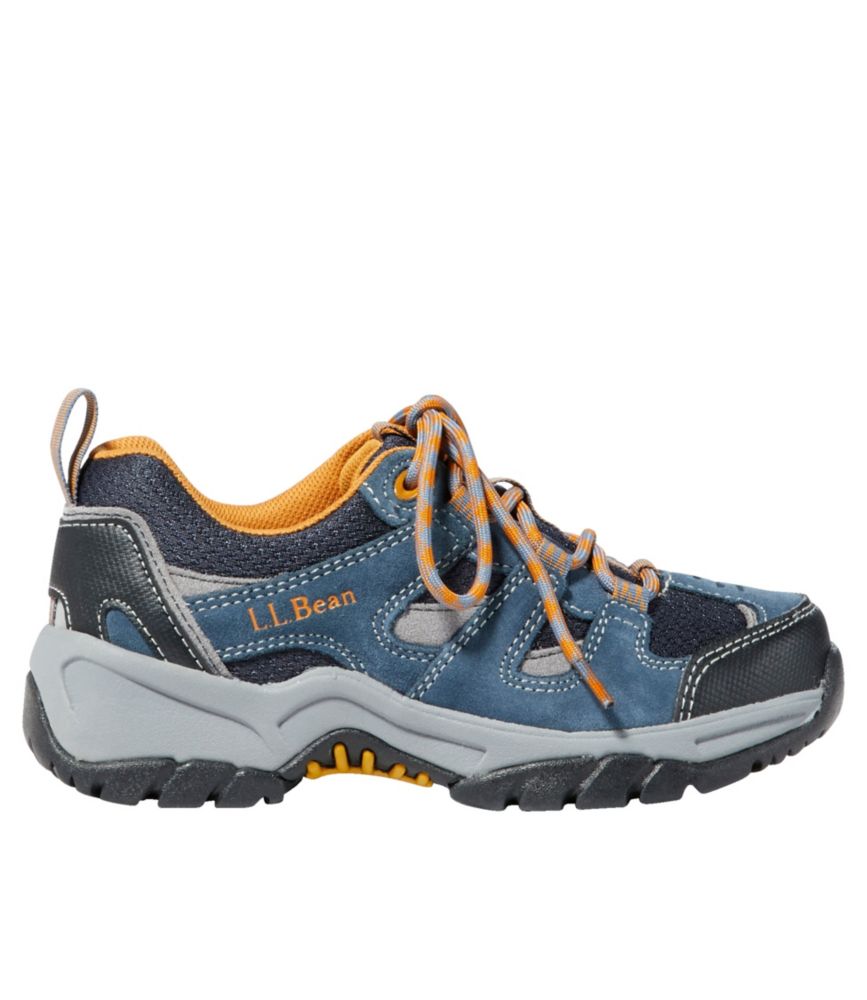
Kids' Trail Model Hikers, Low
L.L.Bean Kids' Trail Model Hikers, Low
A blue kids’ hiking shoe with water-resistant suede, breathable mesh nylon, cushioned EVA comfort, and rugged rubber traction.
(253)
$64.95 $44.99
SALE
What customers like:
Well-made
Nice appearance
Durable
Versatile
Comfortable
$64.95 $44.99
SALE
Kids' Trail Model Hikers, Lace-Free
L.L.Bean Kids' Trail Model Hikers, Lace-Free
A gray, lace-free hiking shoe with breathable mesh, waterproof protection, cushioned comfort and grippy traction.
(0)
$89.95 $89.95
SALE
$89.95 $89.95
SALE
Toddlers' Trail Model Hikers
L.L.Bean Toddlers' Trail Model Hikers
A red suede, rubber and nylon hiker offering waterproof protection, cushioned comfort and durable traction.
(99)
$64.95 $64.95
SALE
$64.95 $64.95
SALE
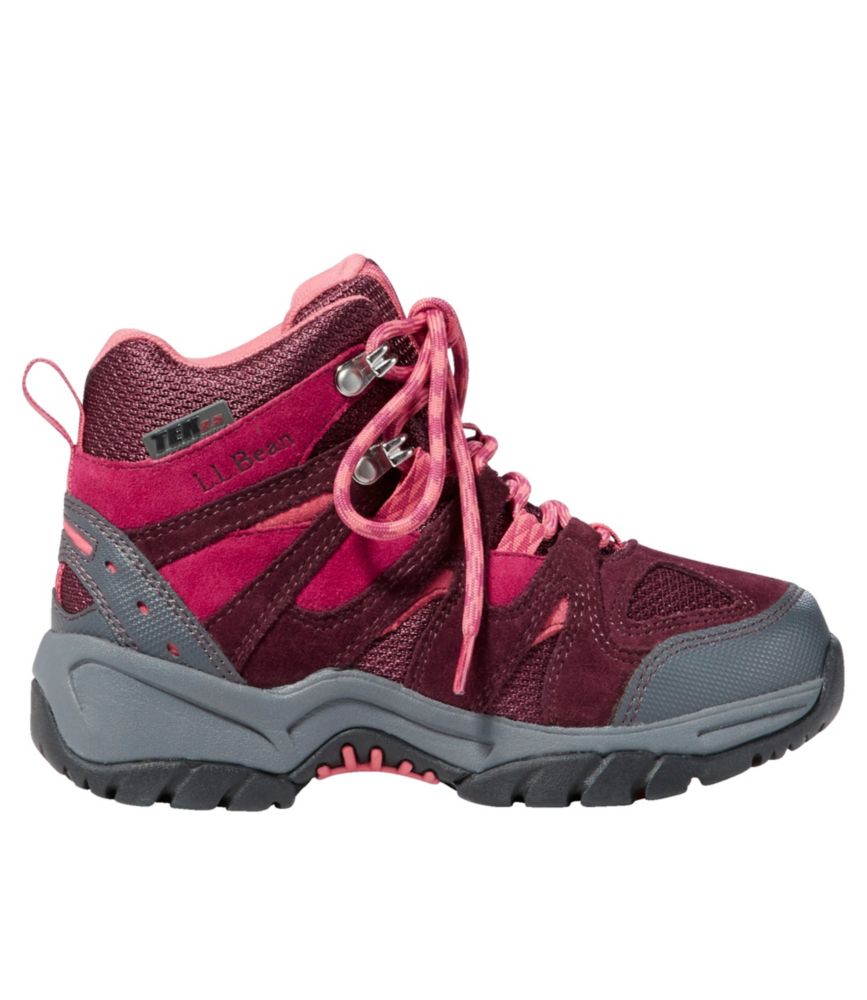
Kids' Trail Model Hikers
L.L.Bean Kids' Trail Model Hikers
A red kids’ hiking shoe with breathable mesh, waterproof membrane, cushioned EVA comfort, and rubber traction.
(327)
$79.95 $44.99
SALE
What customers like:
Waterproof
Comfortable for travel
Durable material
Great color options
Good fit
$79.95 $44.99
SALE
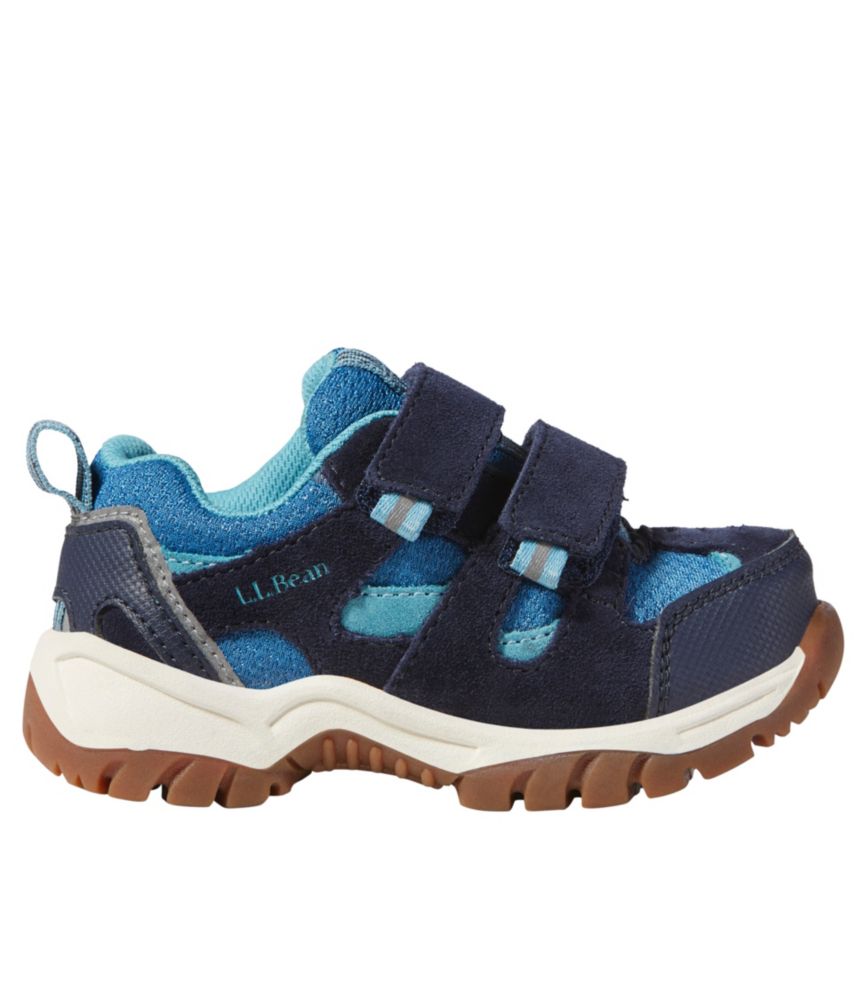
Toddlers' Trail Model Hikers, Low
L.L.Bean Toddlers' Trail Model Hikers, Low
A blue toddler hiking shoe with suede-and-mesh upper, water resistance, cushioned comfort, and grippy rubber traction.
(0)
$54.95 $34.99
SALE
$54.95 $34.99
SALE
Kids' Access Insulated Snow Boots
L.L.Bean Kids' Access Insulated Snow Boots
A red rubber-and-nylon insulated snow boot with waterproof protection, cozy PrimaLoft insulation, and reliable winter traction.
(0)
$99.95 $74.99
SALE
$99.95 $74.99
SALE
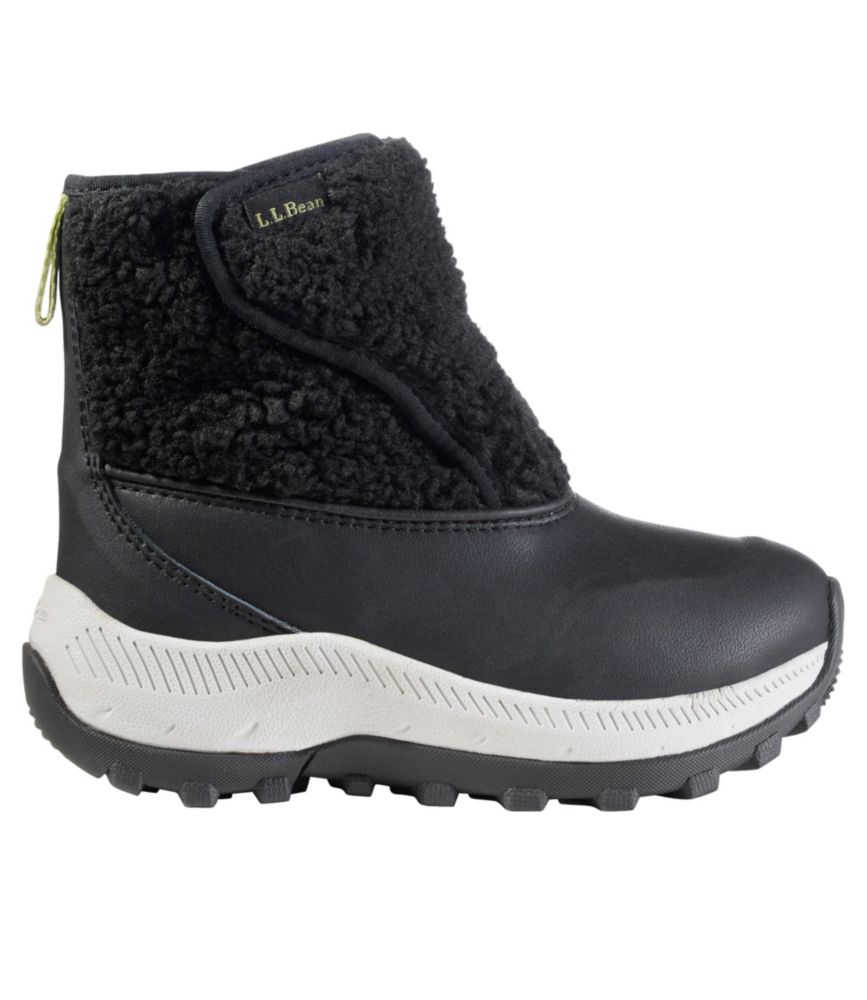
Toddlers' Access Sherpa Snow Boots
L.L.Bean Toddlers' Access Sherpa Snow Boots
A black, insulated leather-and-rubber snow boot with sherpa fleece, easy closures, and dependable winter traction.
(0)
$89.95 $69.99
SALE
$89.95 $69.99
SALE

Kids Sneakers

Kids' sneakers are a familiar footwear style, but choosing a pair is personal: the size needs attention, the look should feel like the child’s own, and the details deserve a closer read. For some children, color is the first thing that catches their eye. Others notice the shape, the pattern or how closely a pair resembles a favorite sneaker they have already worn. Those preferences give families a useful starting point without making the decision all about appearance. A simple design can be an appealing choice for a child who likes familiar clothing combinations, while a more distinctive look may appeal to someone who enjoys choosing each part of an outfit. Neither approach needs to follow a trend. The goal is a pair that reflects the child’s taste, with sizing and product information considered alongside style. Looking at several views of a shoe can help make its proportions clearer, especially around the opening, toe and heel. The written description adds details that a photograph cannot fully explain, including the fastening method and any specific fit notes. A child who has strong preferences about how shoes open or close can contribute to that part of the decision, too. Whether they prefer tying laces or using another fastening method, their familiarity with the design is worth considering. Families often find that narrowing the choices together makes the conversation more straightforward: an adult checks the details, and the child identifies the looks they like. That balance gives children a voice while keeping the practical parts of choosing footwear in view. Kids' sneakers do not need to look exactly like a previous pair to feel like a natural next choice, but remembering what a child liked or disliked about earlier shoes can make comparisons more meaningful. A favorite color is useful information; so is a clear description of where a previous shoe felt too tight.

Fit is one of the most important considerations when comparing kids' sneakers, and a familiar size number is only a starting point. Children’s feet change, so a measurement taken for an earlier pair may no longer reflect the size needed. Measuring both feet and comparing the results with the relevant size chart gives families a clearer basis for choosing. If the measurements differ, the larger foot generally guides the initial size choice, with the fit checked on both feet. A professional fitting can also be helpful when measurements are difficult to interpret or a child repeatedly finds shoes uncomfortable. Length is not the only detail that matters: width, the shape of the toe area and the fit around the heel all deserve attention. Trying shoes with the socks the child expects to wear makes the comparison more representative than trying them barefoot or with an unusually thick pair. During a try-on, fastening the shoes properly and having the child stand and walk provides more information than checking them while seated. The toes should not feel crowded, and the heel should not slip excessively with each step. A child’s own description matters here, particularly if they can point to a spot that feels squeezed or explain that one shoe feels different from the other. Room for growing feet is a consideration, but choosing a much larger size is not a substitute for a suitable fit today. Comparing a current measurement with the chart is more useful than automatically moving up a full size. Different sizing systems also require attention; the same number can refer to different measurements across children’s and adult footwear. Keeping a note of the measurement and the date it was taken can simplify the next comparison without treating that note as permanent. For families choosing shoes for more than one child, separate measurements and individual preferences help keep the decision specific to each wearer rather than assuming siblings need the same shape or size.

Materials, construction and care information add another layer to the comparison, particularly when two pairs have a similar appearance. The listed composition explains what each shoe is made of, while construction notes can clarify details that are hard to judge from photographs. Those details are worth reading individually rather than relying on color, styling or the appearance of the surface. Durability is another common consideration, but appearance alone cannot establish how a pair will hold up. Looking back at where an earlier pair showed wear can help families identify the construction details they want to examine more closely. Care should be based on the instructions for the particular shoe, not on a cleaning routine used for a different pair. A familiar household cleaner or washing method is not automatically appropriate for every material. Checking the care information before cleaning helps avoid guesswork, and any instructions for separate components should be followed as provided. Intended use deserves the same individual attention. When footwear is being chosen for an organized activity, the activity’s requirements and the shoe’s stated purpose should be compared directly. Related footwear categories include Running Sneakers, which offers another place to continue that comparison. For a gift, the most useful information often comes from the child or the adult who usually helps with footwear: a recent measurement, the relevant sizing system, preferred fastening details and a sense of the child’s style. A remembered shoe size from an earlier birthday may not be enough. Letting a child help choose the look can keep the gift personal while leaving the fit decision grounded in current information. Whether the pair is a gift or a family purchase, the strongest starting point is the same: a child’s preferences, accurate measurements and a careful reading of the details for the shoes being considered. Those small, specific pieces of information make the choice more thoughtful than appearance alone.
Read More

FAQs