It's time to upgrade your browser

Your current browser is no longer supported on llbean.com. Please upgrade to one of the following for a smoother, safer shopping experience with us:

Childrens Running Shoes

Shop children's running shoes with your child's size and running needs in mind. Compare styles and review each pair's sizing, fit information and product details to help narrow down the selection.
Read More
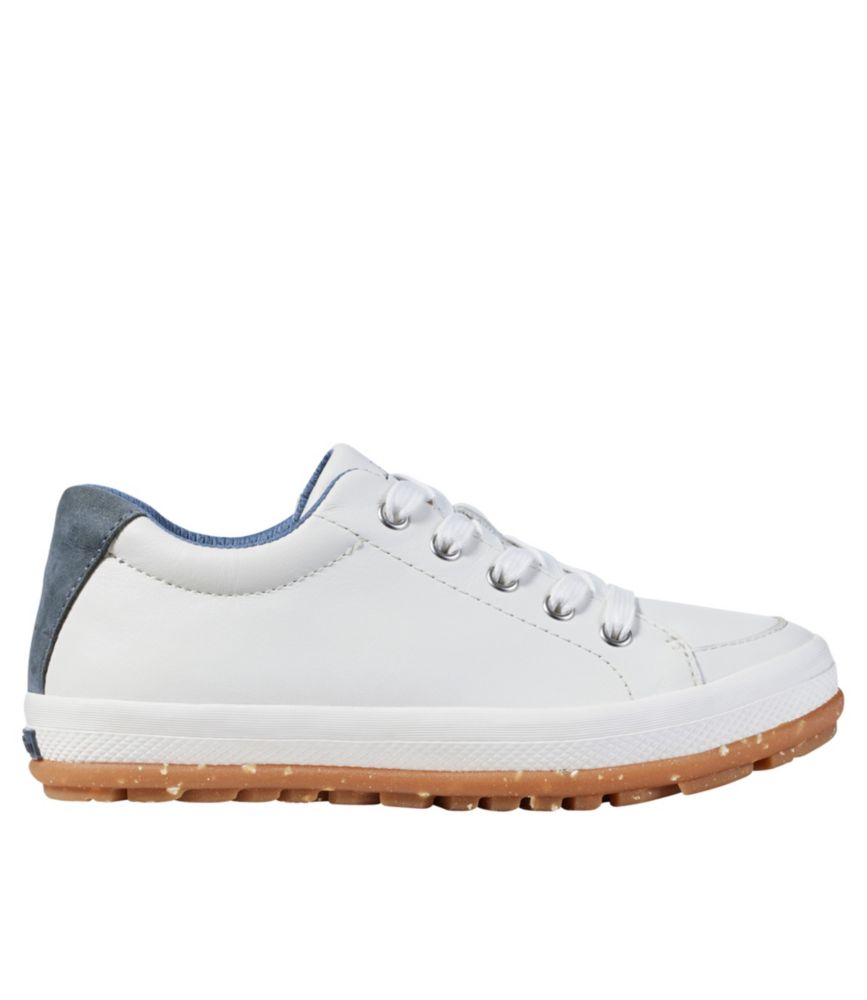
Kids' Everywhere Explorer Sneakers
L.L.Bean Kids' Everywhere Explorer Sneakers
A white leather sneaker with a durable traction-enhanced rubber outsole and cushioned EVA footbed.
(0)
$59.95 $47.99
SALE
$59.95 $47.99
SALE
Kids' Trail Model Hikers, Low
L.L.Bean Kids' Trail Model Hikers, Low
A gray kids’ hiking shoe with water-resistant suede, breathable mesh, cushioned EVA, and rugged rubber traction.
(253)
$64.95 $49.99
SALE
What customers like:
Good value for money
Durable construction
Rugged soles for traction
Versatile for everyday wear
Comfortable fit
$64.95 $49.99
SALE
Toddlers' Trail Model Hikers
L.L.Bean Toddlers' Trail Model Hikers
A gray waterproof hiker with suede, nylon and rubber construction, cushioned comfort, traction and hook-and-loop fastening.
(99)
$64.95 $54.99
SALE
$64.95 $54.99
SALE
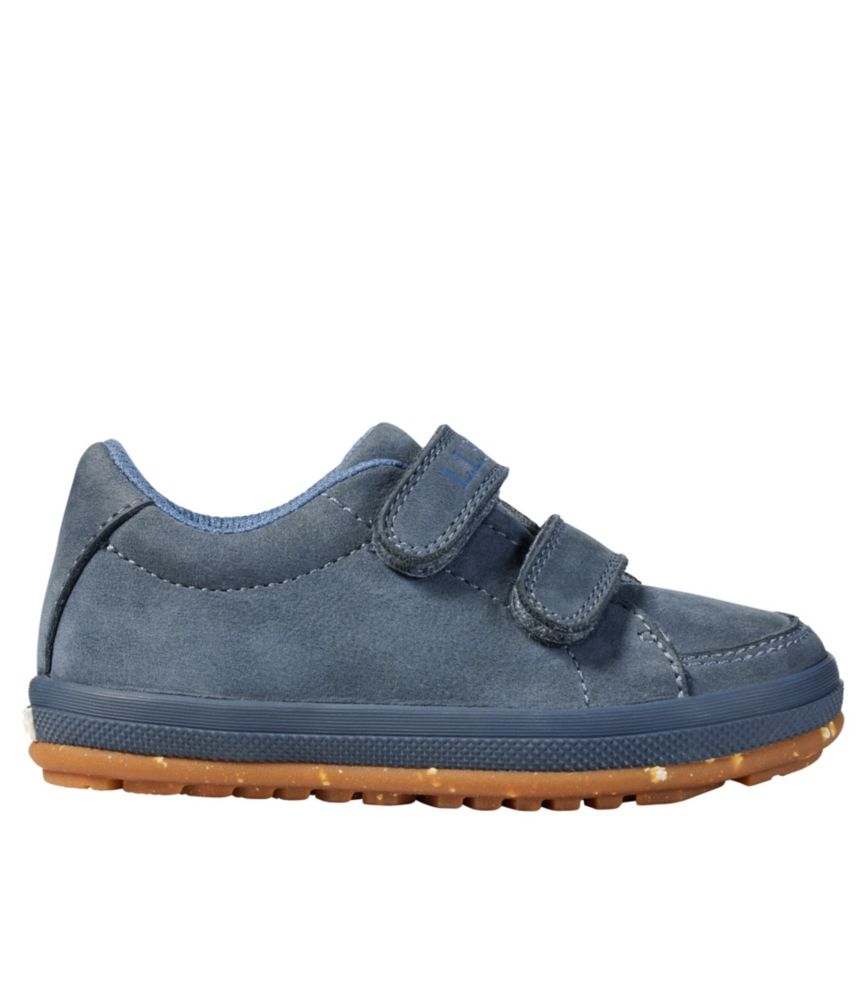
Toddlers' Everywhere Explorer Hook-and-Loop Sneakers
L.L.Bean Toddlers' Everywhere Explorer Hook-and-Loop Sneakers
A blue leather sneaker with washable upper, cushioned EVA footbed, tractioned rubber outsole and easy hook-and-loop closures.
(0)
$49.95 $39.99
SALE
$49.95 $39.99
SALE

Childrens Running Shoes

Children’s running shoes are part of a familiar family scene: a pair waiting by the door, a child eager to lace up, and a little time set aside to run together. For some children, running means joining a group and learning what it feels like to keep a steady pace. For others, it is the simple pleasure of choosing a landmark ahead and making their way toward it, with a parent or sibling alongside. Choosing shoes for those moments starts with the child who will wear them—their current measurements, their preferences, and the kind of running they plan to do. Age alone does not tell the whole sizing story, and a size that worked in a previous pair is a starting point rather than a final answer. The size chart and fit information for each style offer a more useful basis for comparison than the number on an old shoe. Children can also have surprisingly clear opinions about how shoes should look, whether they prefer a quiet color combination or something more expressive. Giving them a say in appearance can make the selection feel like their own, while an adult keeps the focus on sizing and the details that matter. A child getting ready for a first organized run may approach the choice differently from one who already looks forward to regular running time. Neither needs an elaborate story or a promise of faster finishes. The point is to find a pair that fits the child, reflects their taste, and matches the running described in its product information. That balance of practical consideration and personal choice keeps children’s running footwear grounded in real family life, where getting ready is only a small part of the time spent together.

Fit deserves close attention when comparing children’s running shoes, especially when a child has grown since the last purchase. Measuring both feet and checking those measurements against the relevant size chart gives families a clearer place to begin. If the measurements differ, keep that difference in mind rather than assuming both feet will feel the same in a shoe. Length is only part of the picture: width, the shape of the front of the shoe, and the way the opening sits around the foot can all affect a child’s experience of the fit. When trying on shoes, the socks a child expects to wear for running provide useful context. Have the child try both shoes, fasten them as intended, and describe what they notice. Specific observations are more helpful than a quick answer that everything feels fine. A child might mention a toe touching the front, a side feeling tight, or a heel shifting as they move. Those details deserve attention even when the stated size appears correct. Buying a much larger size simply to allow for growth can make the immediate fit an afterthought; the child needs a pair that fits now, not just one that might fit later. Fastenings are another meaningful comparison point. Look at the closure shown for each style and consider how familiar the child is with using it, including whether an adult usually helps. A child who enjoys tying laces may have different preferences from one still practicing the steps. These are everyday decisions, not measures of running ability or independence. Clear sizing information, a thoughtful try-on, and the child’s own feedback help narrow the choice without relying on broad assumptions about what all children of a certain age need. Appearance can remain part of the conversation, but it should not settle a fit concern that the child has already noticed.

Materials, construction, care, and durability are best considered through the details provided for each pair, rather than treated as qualities shared by every children’s running shoe. Product descriptions and close-up images can help clarify how styles differ, while care instructions establish how a particular pair should be cleaned and maintained. A familiar-looking shoe may call for different care from the pair it replaces, so it is worth checking the directions before reaching for a brush, cleaning solution, or washing machine. Durability also involves more than the appearance of a shoe on its first day. As children wear their shoes, families can keep an eye on changes to the soles, seams, fastenings, and fit, using the condition of the actual pair rather than a fixed calendar as the basis for deciding when to reassess it. Growth may prompt that conversation before visible wear does. Keeping track of the style and size that fit well can be helpful for future comparisons, though a repeat purchase still deserves a fresh measurement and a review of the sizing information. For relatives considering running shoes as a gift, current measurements and a conversation with the parent or caregiver are more useful than guessing from the child’s age. Including the child in the choice can also leave room for preferences that adults might not predict. Families comparing a separate footwear category can explore Children's Walking Shoes, while keeping the intended activity and individual product details central to each decision. Within children’s running shoes, the most meaningful comparison is not necessarily the boldest appearance or the longest list of features. It is the relationship between the shoe’s stated purpose, the available fit information, and the child’s experience wearing it. A considered choice leaves space for what makes running enjoyable in the first place: setting out together, finding a rhythm, noticing progress, and sharing the small stories that come home afterward.
Read More

FAQs