It's time to upgrade your browser

Your current browser is no longer supported on llbean.com. Please upgrade to one of the following for a smoother, safer shopping experience with us:

Childrens Sport Shoes

Shop children’s sport shoes and compare kids’ athletic footwear to find the right pair for your child. Check individual product details for sizing, fit guidance and intended activities to help narrow your choices.
Kids' Everywhere Explorer Sneakers
L.L.Bean Kids' Everywhere Explorer Sneakers
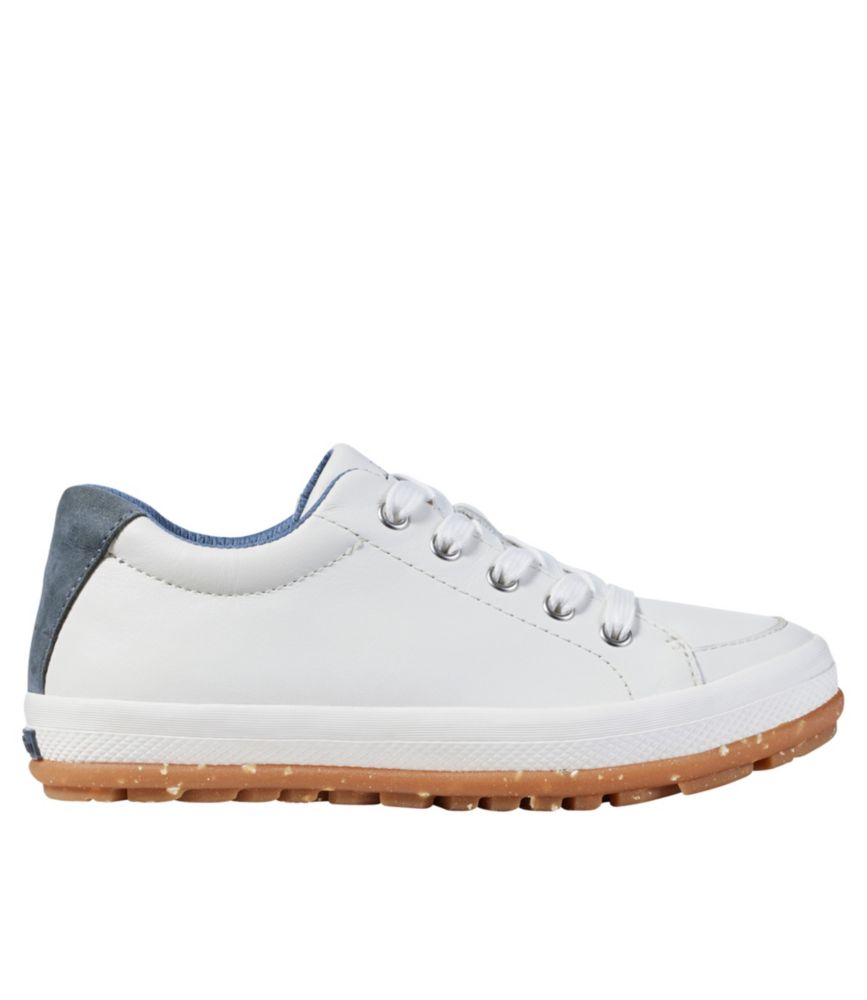
A white kids’ sneaker with washable leather, cushioned EVA footbed, traction rubber outsole, and polyester lining.
(0)
$59.95 $39.99
SALE
$59.95 $39.99
SALE
Kids' Trail Model Hikers, Low
L.L.Bean Kids' Trail Model Hikers, Low
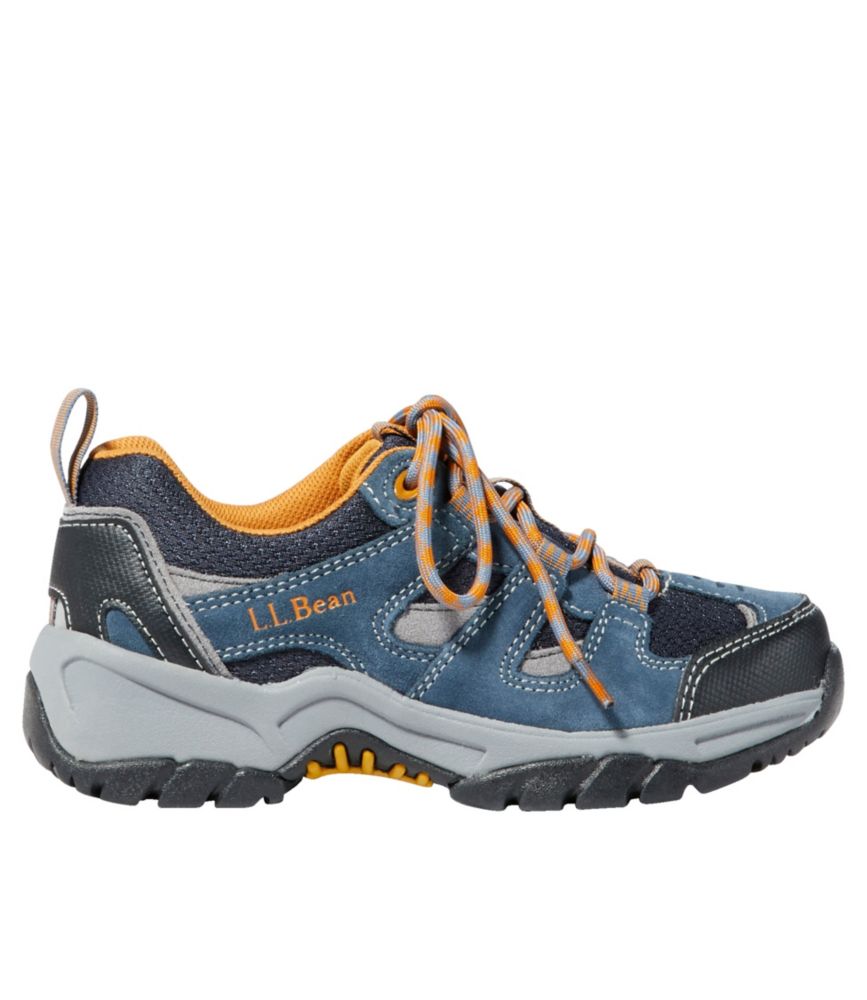
A blue kids’ hiking shoe with water-resistant suede, breathable mesh, EVA cushioning, and rugged rubber traction.
(253)
$64.95 $44.99
SALE
What customers like:
Well-made
Nice appearance
Durable
Versatile
Comfortable
$64.95 $44.99
SALE
Kids' Trail Model Hikers, Lace-Free
L.L.Bean Kids' Trail Model Hikers, Lace-Free
Lace-free kids’ hiking shoes with a green polyester mesh upper, waterproof membrane, hook-and-loop closure, and rugged traction.
(0)
$89.95 $89.95
SALE
$89.95 $89.95
SALE
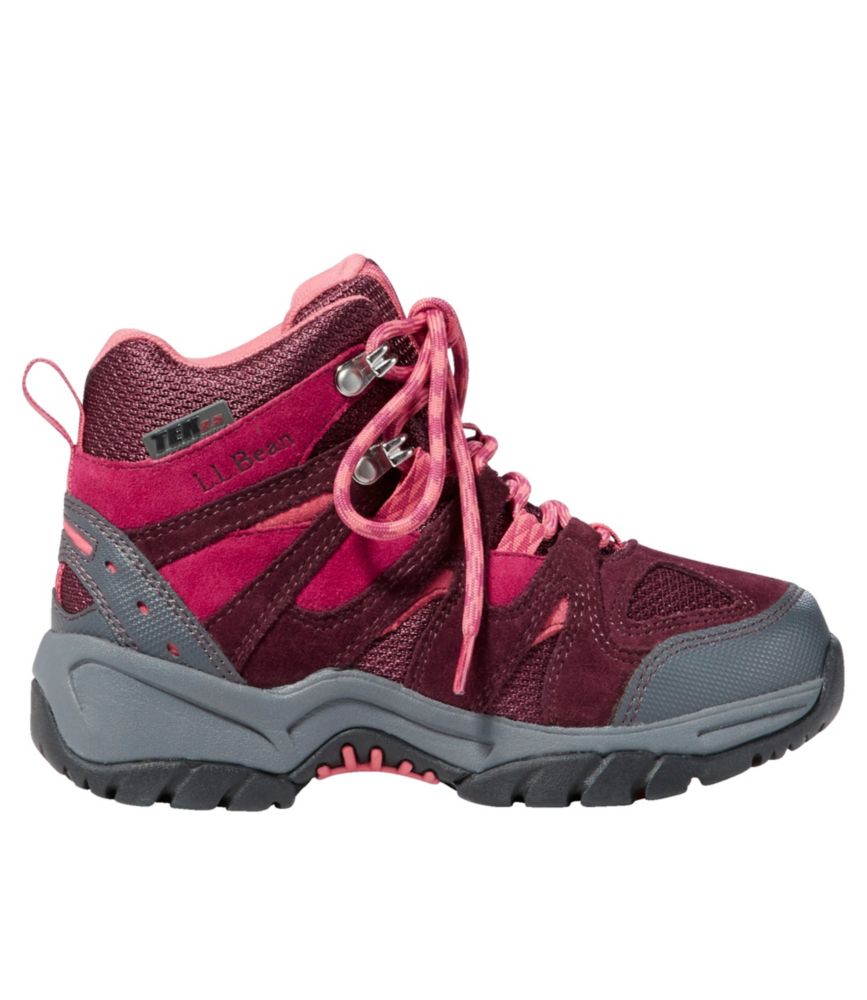
Kids' Trail Model Hikers
L.L.Bean Kids' Trail Model Hikers
Red kids’ hiking shoes with breathable mesh, waterproof membrane, cushioned EVA comfort, and grippy rubber outsoles.
(327)
$79.95 $44.99
SALE
What customers like:
Waterproof
Comfortable for travel
Durable material
Great color options
Good fit
$79.95 $44.99
SALE
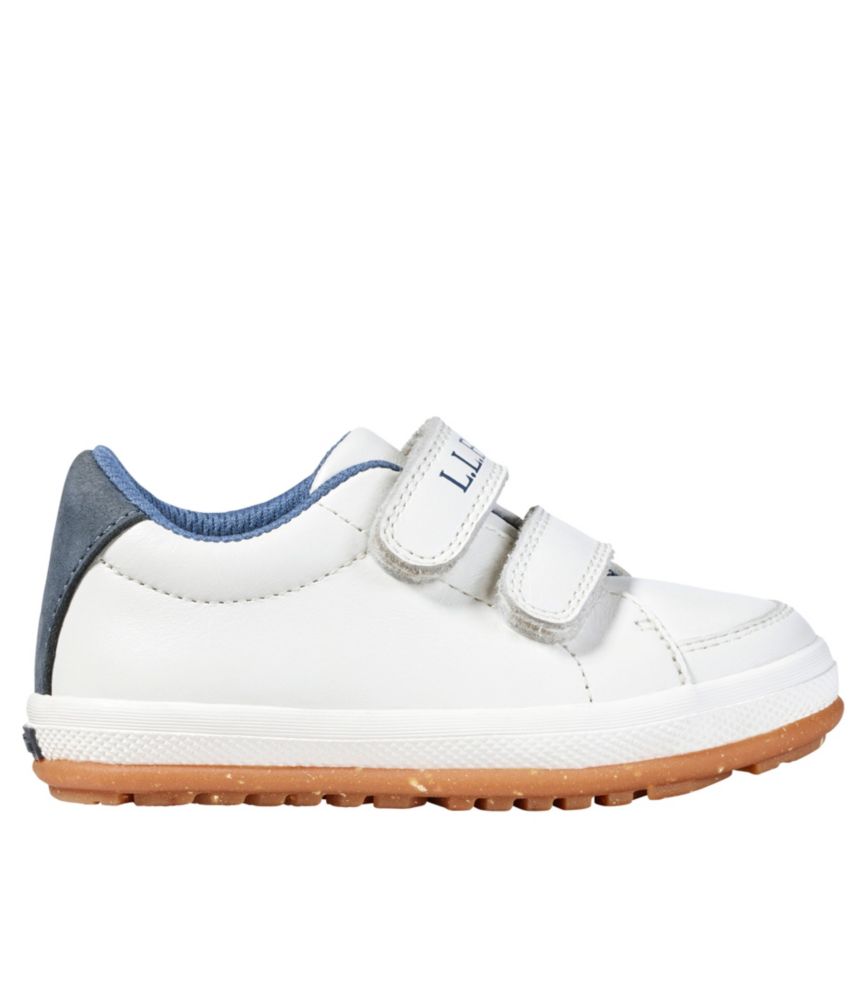
Toddlers' Everywhere Explorer Hook-and-Loop Sneakers
L.L.Bean Toddlers' Everywhere Explorer Hook-and-Loop Sneakers
A white leather sneaker with hook-and-loop closures, cooling lining, cushioned EVA footbed and traction rubber outsole.
(0)
$49.95 $39.99
SALE
$49.95 $39.99
SALE
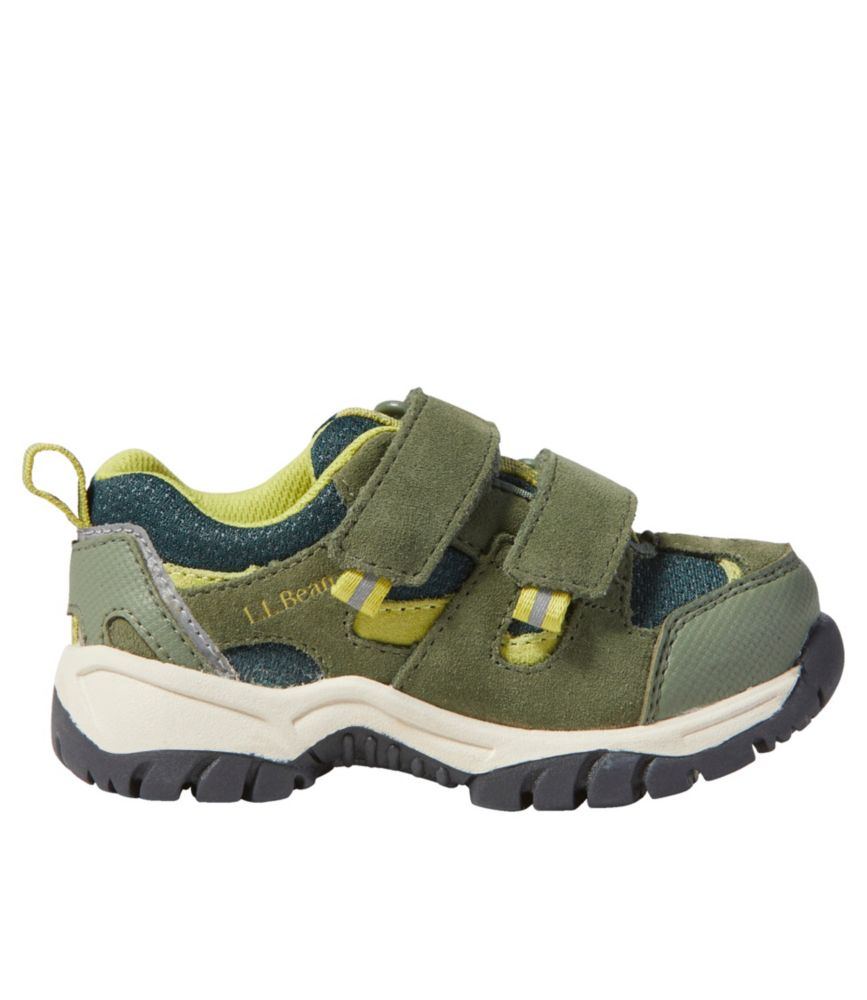
Toddlers' Trail Model Hikers, Low
L.L.Bean Toddlers' Trail Model Hikers, Low
A low hiking shoe in multicolor suede and mesh, with water-resistant comfort and grippy rubber traction.
(0)
$54.95 $34.99
SALE
$54.95 $34.99
SALE
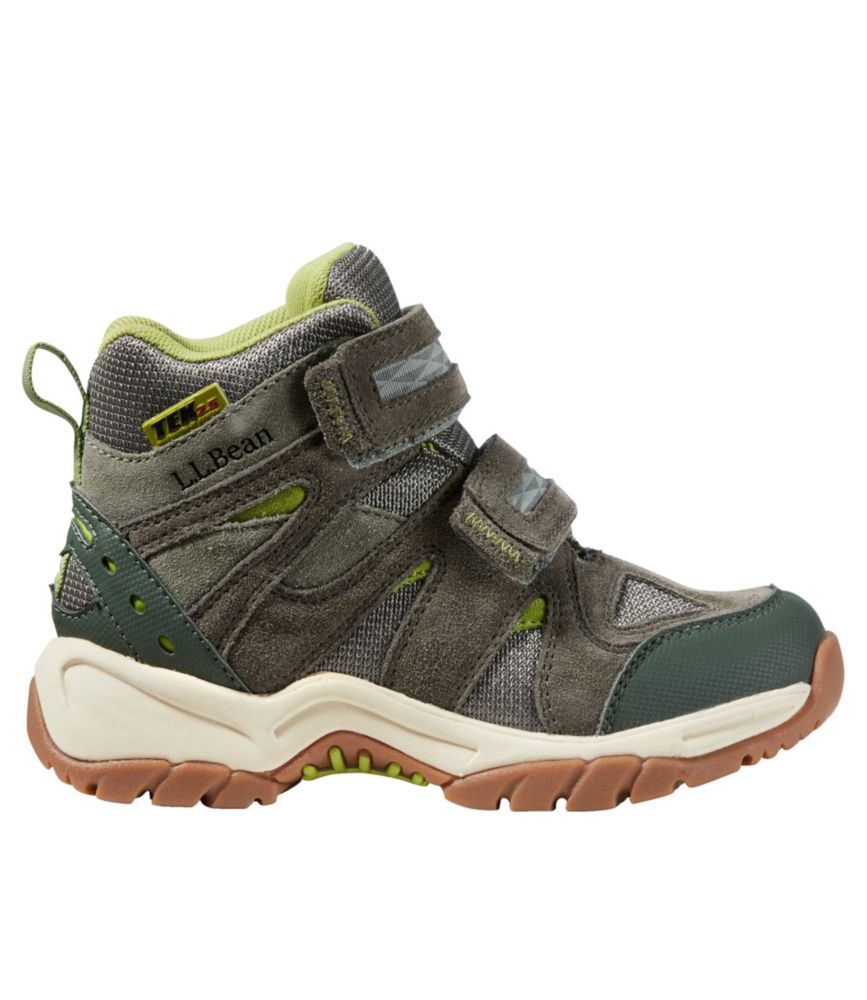
Toddlers' Trail Model Hikers
L.L.Bean Toddlers' Trail Model Hikers
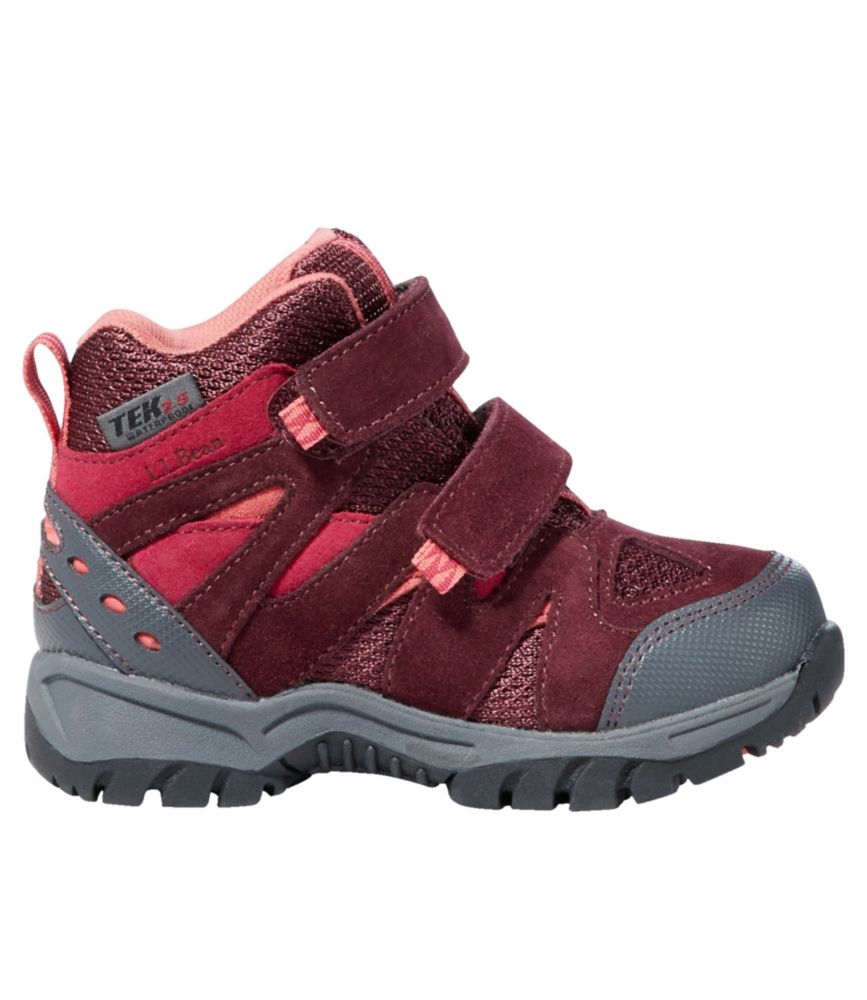
A red toddler hiking boot with suede, nylon and rubber construction, waterproofing, cushioning and grippy traction.
(99)
$64.95 $64.95
SALE
$64.95 $64.95
SALE
Kids' Access Insulated Snow Boots
L.L.Bean Kids' Access Insulated Snow Boots
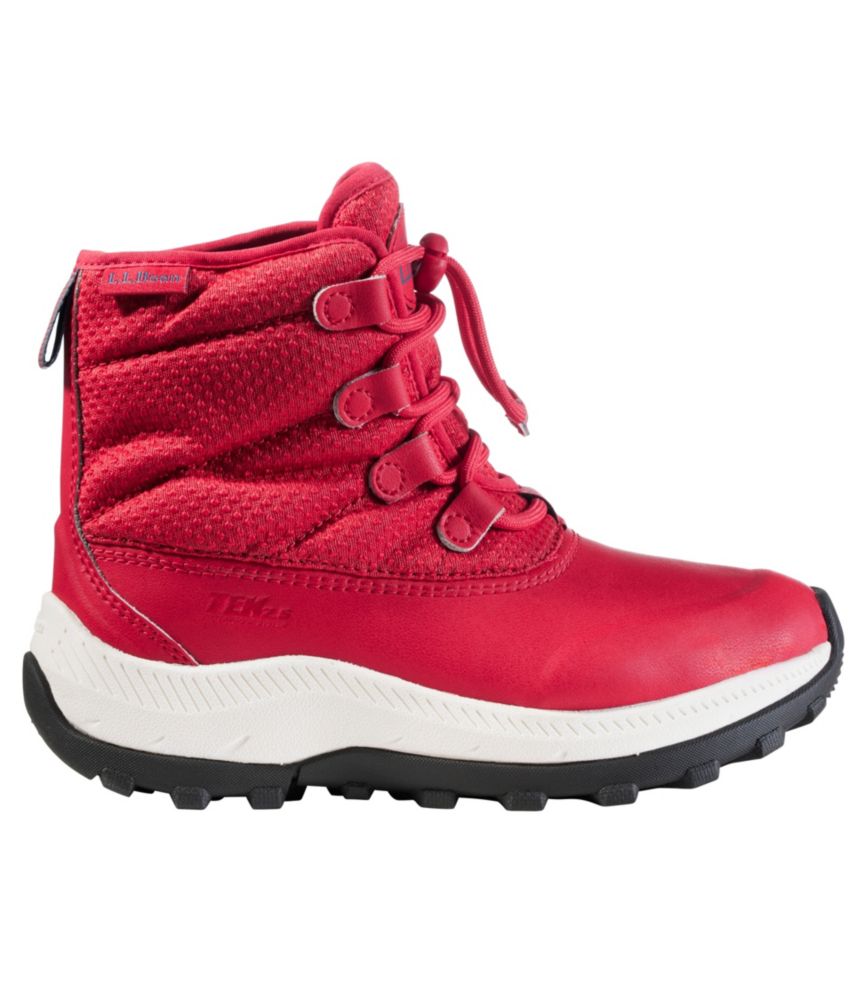
A red insulated snow boot with waterproof nylon, PrimaLoft® lining and rugged rubber traction.
(0)
$99.95 $74.99
SALE
$99.95 $74.99
SALE

Childrens Sport Shoes

Children’s sport shoes are a familiar part of getting ready for sports, and choosing a pair involves more than finding the right number on a box. Fit, personal taste and the requirements of a child’s sport all deserve a place in the decision. For families organizing registration forms, practice schedules and equipment lists, footwear is one detail worth considering with the child involved. A useful starting point is a recent measurement of both feet, checked against the sizing information provided for the pair under consideration. A size that worked before may not tell the whole story, and the size printed inside another pair is best treated as a reference rather than a final answer. Length and width both matter when assessing fit. Trying shoes on with the socks a child expects to wear gives a more relevant impression than a quick try-on with whatever happens to be nearby. Once the shoes are fastened, check where the toes sit, whether the heel stays in place and whether any area feels tight. Give the child time to stand and move around, then ask for a description more specific than “fine.” A child may be able to point to a crowded toe or an uncomfortable edge even without knowing how to explain the fit in adult terms. Checking both shoes is important; a good impression from one foot does not settle the choice for the other. Growth is part of shopping for children’s footwear, but choosing a much larger size simply to postpone the next purchase can make the present fit harder to judge. The sizing guidance for the particular pair should remain the reference point. When several sizes seem possible, taking another measurement is more useful than guessing. A little attention at this stage keeps the decision centered on the child who will wear the shoes, rather than on a familiar size or a favorite color alone.

The sport itself provides another starting point for comparing children’s athletic footwear. A team checklist, program description or instructor’s requirements can help families understand what to look for before narrowing the selection by appearance. The intended-use information in a shoe’s description belongs alongside those requirements, particularly when a program specifies a particular kind of footwear. An athletic appearance alone does not answer every question about whether a pair meets a sport’s rules. Families may also want to consider how the child manages the shoes independently. A try-on is an opportunity to let the child handle the fastening from beginning to end, rather than having an adult do it automatically. Notice whether the child understands the steps and can repeat them without the process becoming frustrating. That small interaction can be more informative than judging a fastening by its appearance. Material information and care directions deserve the same attention as size and style. Read them together to understand what caring for the pair will involve, and keep the supplied instructions somewhere easy to find after the packaging is put away. Before putting any footwear into a washing machine or dryer, confirm that its care directions allow that method. Household cleaning habits are not a substitute for the instructions supplied with the shoes. Regularly looking over the inside and outside of each pair also gives families an opportunity to notice changes in condition, loose fastenings or areas that need attention. Questions about durability are best considered alongside those details and the care requirements, rather than answered by appearance alone. Fit deserves another check as time passes, even when the shoes still look presentable. A child’s comments about how a pair feels are worth revisiting, especially if getting ready begins to involve repeated adjustments. Keeping size, care and intended use together in the comparison creates a clearer picture than letting any single detail carry the whole decision.

Personal style has a place in choosing children’s sport shoes, too. Some children arrive with a clear preference, while others enjoy looking through different designs before deciding what feels like their own. Letting a child help choose among options that meet the necessary fit and sport requirements gives that preference room without making appearance the only consideration. The conversation can stay simple: which design appeals to them, which pair they can manage themselves and how each one feels when properly fastened. For siblings, separate fit checks and individual preferences matter more than selecting matching footwear. A shared sports schedule does not mean two children need the same size or will prefer the same style. Families putting together sports outfits can also browse children’s sports shirts, keeping clothing choices and footwear decisions connected without overlooking the details of either. Shoes can be a thoughtful gift for a child who enjoys sports, especially when the giver has checked the child’s measurements, preferences and program requirements with a parent or caregiver. Including the child in the selection may be more useful than preserving every element of surprise. A favorite design is easier to appreciate when the sizing has received equal attention. For households managing several children’s schedules, a brief note of measurements and the date they were taken can make the next footwear comparison less dependent on memory. Keeping care information with those notes also makes it easier for different caregivers to follow the same instructions. These are small, practical details, but they reflect what shopping for children’s sports footwear often involves: listening to the child, understanding the activity and considering how the purchase fits into family routines. A clear comparison leaves room for both the necessary checks and the pleasure of choosing a pair a child is happy to call their own.

FAQs