
It's time to upgrade your browser

Your current browser is no longer supported on llbean.com. Please upgrade to one of the following for a smoother, safer shopping experience with us:

Dining Benches

Find dining benches that complement your table and bring your dining space together. As you browse the selection, compare bench length and seat height with your table’s dimensions, and consider how the style works with your existing dining chairs.
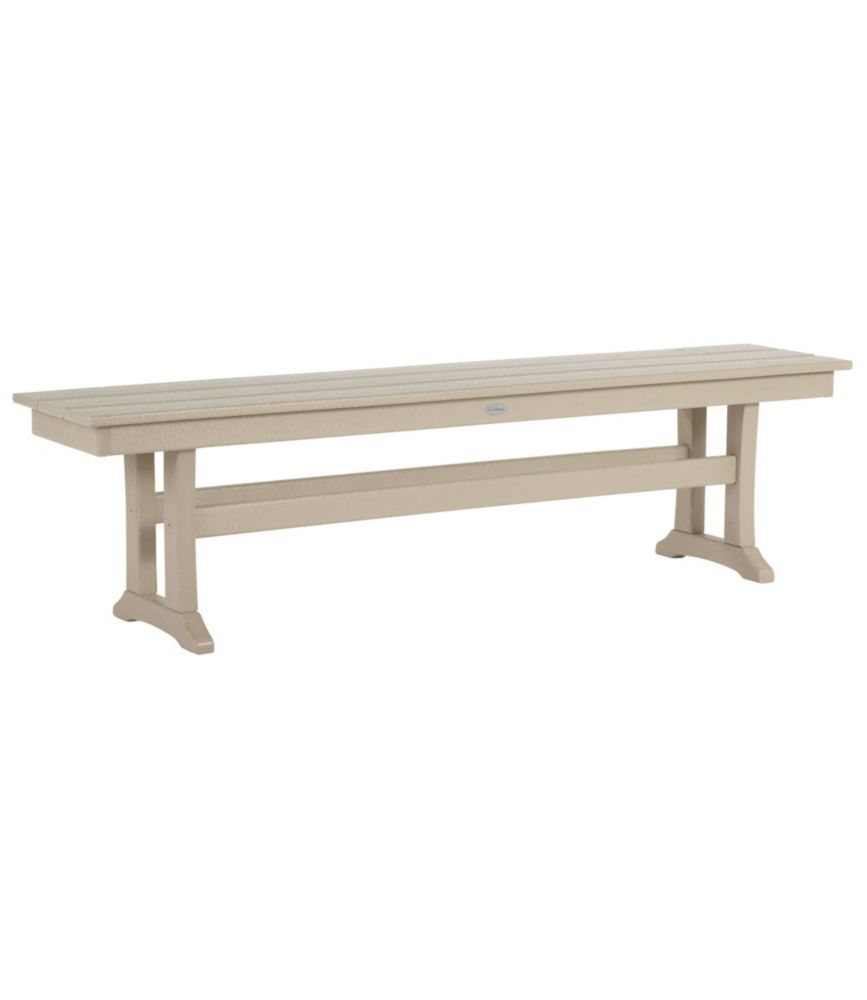
All-Weather Farmhouse Bench
L.L.Bean All-Weather Farmhouse Bench
A tan outdoor bench made from durable recycled-content HDPE lumber with rust-resistant stainless-steel hardware.
(57)
$500 $500
SALE
$500 $500
SALE
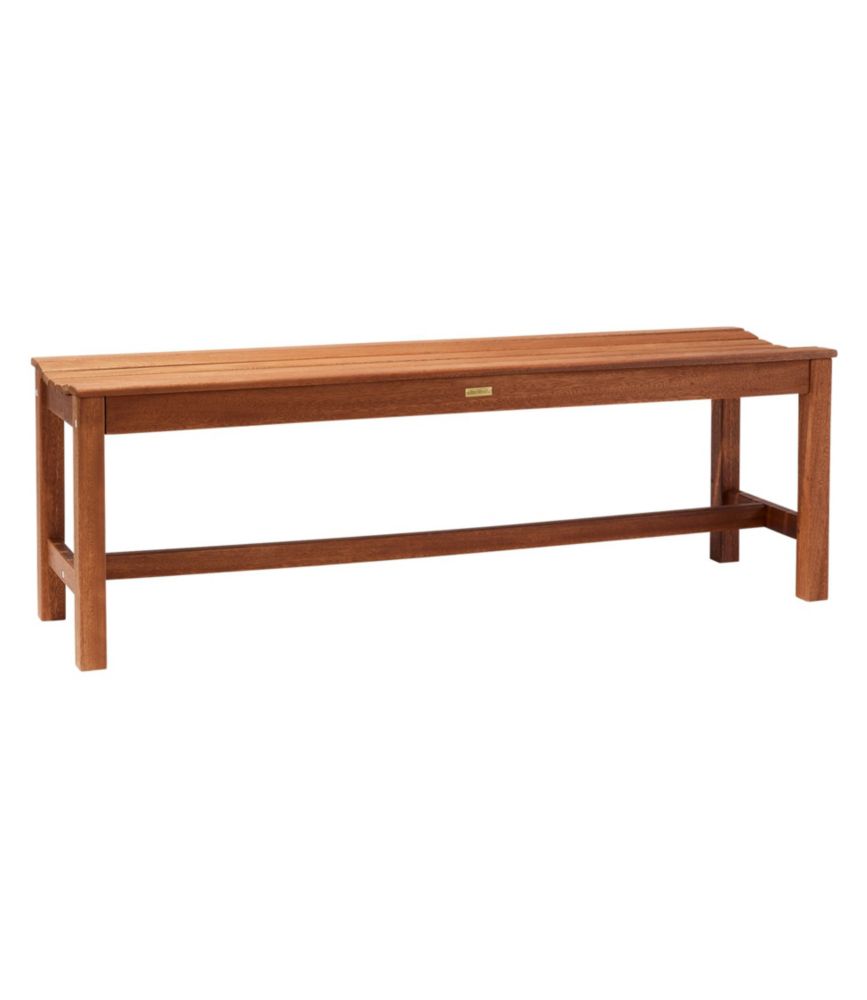
Eucalyptus Farmhouse Bench
Outdoor Interiors Eucalyptus Farmhouse Bench
A tan eucalyptus hardwood bench with teak-like durability, stainless steel hardware and protective resin footpads.
(0)
$330 $330
SALE
$330 $330
SALE

Dining Benches

Dining benches are shared seating designed to accompany a dining table, offering an alternative to a row of individual chairs. Their continuous shape gives the dining area a distinctive look, whether the surrounding style is simple and understated or more traditional. A bench can be the visual counterpart to a long tabletop, with the relationship between the two pieces doing much of the decorating work. The lines of the legs, the shape of the seat and the proportions of the base all contribute to that relationship. A substantial table might call for a bench with a similarly substantial profile, while a table with slender legs may look more balanced beside a lighter-looking silhouette. Matching every detail is not essential; repeating one element, such as a similar outline or complementary color, can give the arrangement a sense of continuity. Dining benches also change the composition of a table setting. A bench along one side and individual chairs along the other create a different rhythm from chairs placed all the way around. The right balance depends on the table, the room and the preferences of the people who gather there. Picture the whole setting: plates arranged for dinner, chairs at the ends and the bench positioned along the table’s edge. That view often reveals more than considering any piece on its own. Details that seem small in a product image, including how far the legs angle outward or how the seat ends align with the tabletop, become more noticeable in the room. Color deserves the same attention. A close match can create a coordinated appearance, while a deliberate contrast can give the bench its own presence. Neither approach needs to feel formal or elaborate. A thoughtful dining arrangement starts with proportions and details that feel at home together, leaving room for personal touches in the table setting and surrounding decor.

Fit is one of the most important considerations when comparing dining benches, and overall length is only part of the picture. Seat height, seat depth, table height and the position of the table legs all affect how the pieces relate. Standard dining tables are commonly around 28 to 30 inches high, with dining seats often around 18 to 20 inches high; those measurements are reference points rather than a guarantee that any two pieces will work together. The underside of the table matters as much as the top. An apron beneath the tabletop may reduce the open space above the seat, and a support running between the table legs may influence where people place their feet. Bench length should also be compared with the distance between the table legs, not just the tabletop’s end-to-end measurement. A bench shorter than the tabletop may still be too long to slide between its supports. If tucking the bench beneath the table is part of the intended arrangement, check its full dimensions against that opening, including any projecting parts of the base. For seating plans, roughly 24 to 30 inches of table edge per person is a useful starting range, with individual preferences and the table setting affecting the space needed. That estimate does not establish a bench’s seating capacity; the stated capacity and dimensions remain the relevant details for each design. Room measurements complete the picture. Include the space occupied when the bench is pulled away from the table, along with the routes people take around the dining area. A quick floor plan or a few strips of removable tape can help make the footprint easier to picture. These checks are particularly useful when a bench and table are being chosen separately, or when an existing dining arrangement includes chairs that will remain. Comparing measurements first keeps the focus on a combination that makes sense as a whole.

Beyond size and appearance, the individual product details provide the clearest basis for comparing dining benches. Material composition, construction, care requirements and stated seating capacity are separate considerations, and none can be reliably determined from color or silhouette alone. Two benches with a similar appearance may have different care instructions, so a familiar-looking finish is not a reason to assume the same maintenance routine applies. Read the supplied care guidance before choosing cleaning products or methods, and follow any directions concerning routine upkeep. Questions about durability are best approached through the documented construction and maintenance information rather than broad assumptions about a particular look. The same attention belongs to assembly requirements, where provided, and to the measurements needed to bring furniture into the dining area. Doorway width, turns in a hallway and the dimensions of the delivered components can matter well before the bench reaches the table. These are practical details, but they belong alongside the more enjoyable decisions about shape and style. A clear understanding of both helps narrow a choice without letting appearance do all the work. When a dining bench is being considered as a housewarming gift or a contribution to a shared home, confirming the recipient’s table measurements and preferences is especially worthwhile. Furniture is personal, and agreement on proportions, color and care expectations makes the selection more thoughtful. For an existing dining room, take cues from the pieces that will stay rather than feeling that everything must be replaced or matched exactly. A bench can have its own character while still relating to the table and chairs around it. If the search extends beyond dining furniture, explore the separate selection of Outdoor Benches. For the dining area, the most meaningful comparison comes back to the complete setting: the table’s proportions, the room’s layout, the documented product details and the preferences of the people gathering around it.

FAQs