It's time to upgrade your browser

Your current browser is no longer supported on llbean.com. Please upgrade to one of the following for a smoother, safer shopping experience with us:

Rustic Benches

Explore rustic benches with timeless style and a relaxed, welcoming look. Compare dimensions and design details to find a bench that fits your space and complements the furniture you already love.
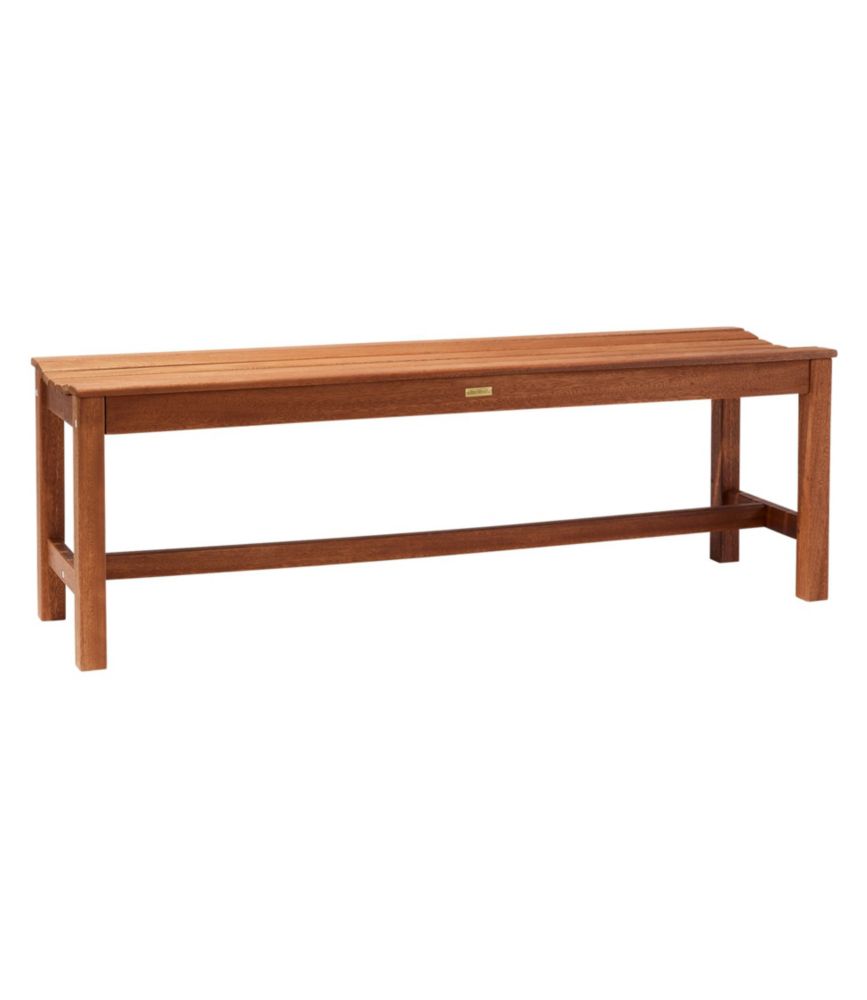
Eucalyptus Farmhouse Bench
Outdoor Interiors Eucalyptus Farmhouse Bench
A tan eucalyptus hardwood bench with teak-like durability, stainless steel hardware and protective resin footpads.
(0)
$330 $330
SALE
$330 $330
SALE
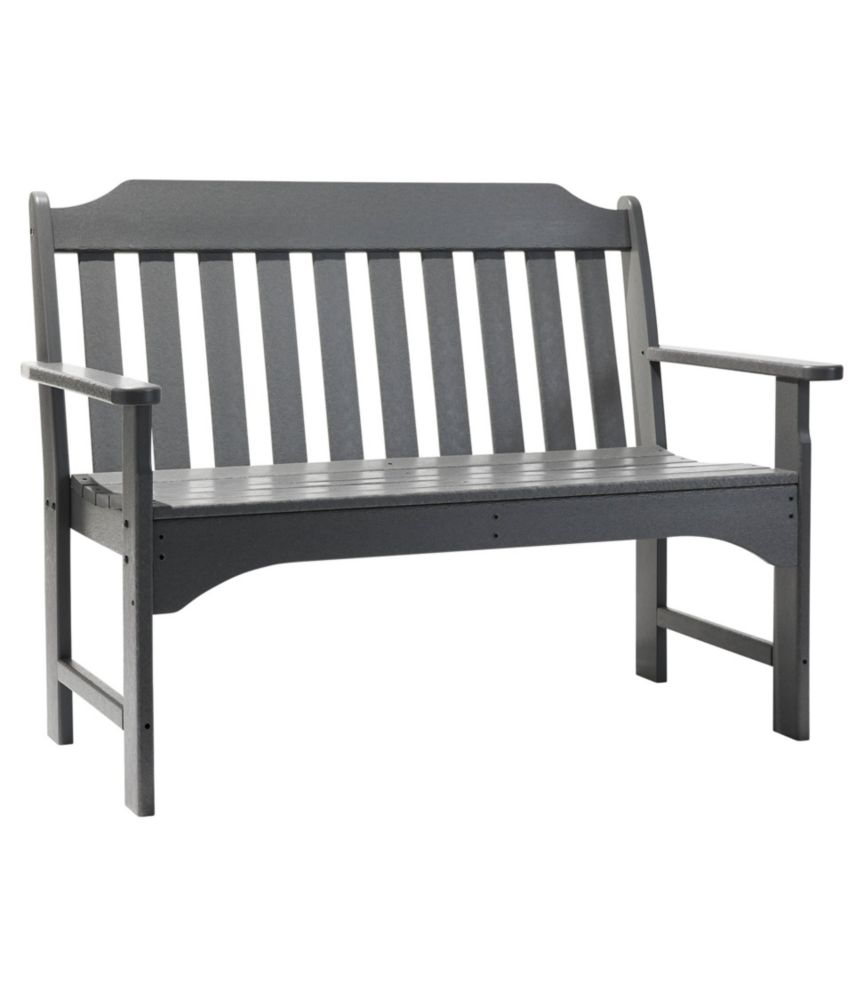
All-Weather Garden Bench
L.L.Bean All-Weather Garden Bench
A gray all-weather garden bench made from durable HDPE lumber with marine-grade stainless-steel hardware.
(163)
$480 $480
SALE
What customers like:
Heavy
Beautiful
Weatherproof
Durability
Ruggedness
$480 $480
SALE
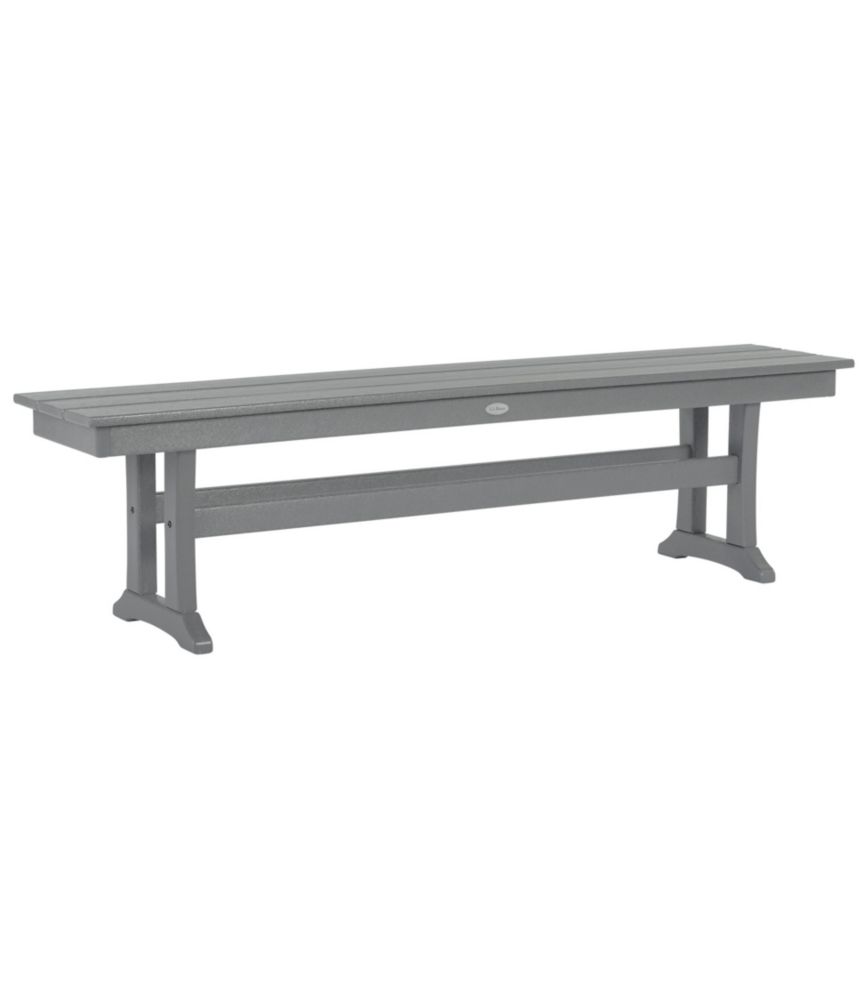
All-Weather Farmhouse Bench
L.L.Bean All-Weather Farmhouse Bench
A gray outdoor bench made from durable recycled-content HDPE lumber with rust-resistant stainless-steel hardware.
(57)
$500 $500
SALE
What customers like:
Attractive design
Comfortable seating
Perfect fit
Sturdy construction
Highly durable
$500 $500
SALE

Rustic Benches

Rustic benches bring a relaxed, grounded look to a furniture arrangement, with a style that feels welcoming rather than formal. Their appeal starts with a straightforward idea: a familiar shape, a clear sense of proportion and enough character to give the surrounding space a distinct personality. Rustic style does not have to mean elaborate decoration or an intentionally aged appearance. It can be quiet and restrained, with simple lines and a substantial outline, or more expressive, with shaped details that draw the eye. The difference is often in the balance between the seat, the base and any back or arms. A broad profile creates a different visual impression than a narrow one, while open space beneath the seat can make the overall outline feel less imposing. These details are worth noticing because they help distinguish a bench that merely matches a style description from one that feels right alongside the furniture you already own. For a broader view of this design direction, explore Rustic Furniture and look for shared shapes and proportions rather than an exact match in every detail. A cohesive arrangement can include variation; repeating one or two visual elements is often enough to connect the pieces. For example, a straight-lined bench can echo the clean outlines of nearby furnishings without repeating every decorative feature. A more detailed silhouette may work best when the surrounding arrangement is visually quieter. Neither approach requires making everything look like a matching set. The goal is a considered balance that leaves room for personal taste. Rustic benches are especially appealing as a design category because the look can feel familiar without feeling overly formal. Let the overall shape establish that character, then give the smaller details a closer look. A shaped leg, a defined seat edge or the relationship between the base and top can influence the impression just as much as a decorative accent.

Proportion deserves as much attention as style when comparing rustic benches. Overall length, depth and height describe different aspects of a bench, and each measurement matters to the space it will occupy. A long, low outline may appear understated in a photograph yet have a considerable presence once its full dimensions are marked out. A shorter design can look more substantial when its base is broad or its back is prominent. Checking measurements against the actual space helps make those differences easier to picture. A simple outline marked on the floor can clarify the footprint, while a measuring tape held at the listed height gives a better sense of the profile. Leave the surrounding arrangement in place during that check so the comparison reflects the space as it really is. Notice the gaps between furnishings, the lines of nearby architectural details and whether the bench would overlap anything you want to keep visible. Product photographs are helpful for understanding shape, but they are not a substitute for dimensions. Look at more than one angle when images are provided: a front view may emphasize length, while a side view can reveal depth, the angle of a back or the position of the base. Seat dimensions, when listed, offer another point of comparison beyond the overall measurements. If a design includes arms or a back, account for those in the full outline rather than judging only by the seat. Fit is also personal, so compare the stated measurements with furniture whose proportions you already know. Any listed seating capacity or other limits should be reviewed separately rather than inferred from appearance. A substantial-looking frame does not tell the whole story. Taking these details together gives a clearer basis for choosing: the bench’s scale, its visual relationship to the surrounding space and the information provided in its individual description. That combination is more useful than relying on a photograph or a broad style label alone.

Materials, construction and care information deserve the same close attention as the silhouette. Rustic describes a look; the individual product details explain what a particular bench is made of and how it should be maintained. Read those details together, including any information about the finish, assembly and intended placement. Differences that are difficult to judge from an image may become clearer in the written specifications. For durability considerations, look for concrete construction information and follow the stated limits rather than treating a substantial appearance as evidence of strength. Care should be equally specific. Follow the directions supplied for the individual bench, including any guidance about cleaning products, routine upkeep or periodic attention. An intentionally rustic appearance is not a reason to disregard those instructions, and a finish that looks understated still deserves the care specified for it. Keep the care information where it can be found again instead of relying on memory after the first cleaning. These practical details belong in the selection process, not just after a decision has been made. Think about the level of upkeep you are prepared to follow and how clearly the product information explains it. Personal preferences matter here as much as appearance: some people enjoy attending to furniture details, while others prefer a simpler routine. If a bench is being considered as a gift, confirm the recipient’s measurements and style preferences first, and make sure the care information accompanies it. Furniture is a personal choice, and a familiar rustic look can still take many different forms. Someone drawn to spare, straightforward shapes may have a different preference from someone who appreciates more decorative detail. The most thoughtful selection respects those differences. With its appearance, dimensions and care requirements considered together, a rustic bench becomes a deliberate part of a larger arrangement rather than a piece chosen for its label alone. Look for a balance of clear product information, appealing proportions and timeless style that feels at home with the recipient’s—or your own—sense of character.

FAQs