
It's time to upgrade your browser

Your current browser is no longer supported on llbean.com. Please upgrade to one of the following for a smoother, safer shopping experience with us:

Bedroom Benches

Explore bedroom benches with timeless style to complement your bed, dresser and other bedroom furniture. As you compare options, consider each bench’s dimensions and how it fits your room’s layout, leaving enough space to move comfortably around it.
Read More
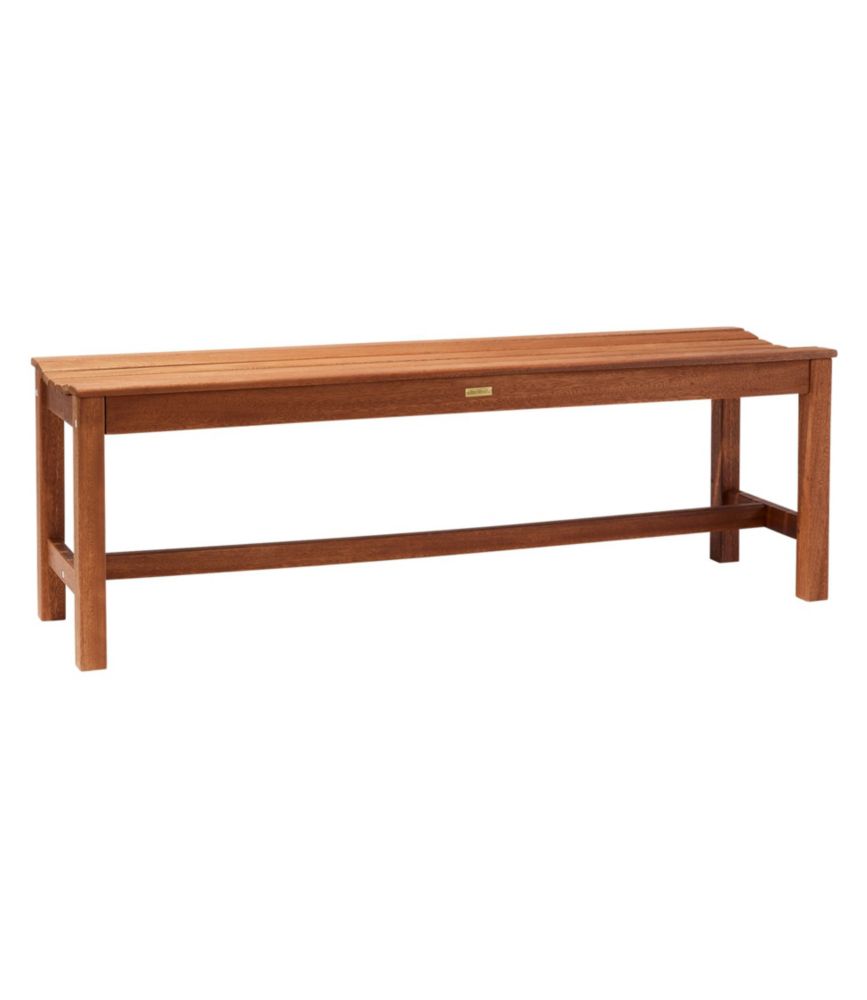
Eucalyptus Farmhouse Bench
Outdoor Interiors Eucalyptus Farmhouse Bench
A tan eucalyptus hardwood bench seats three and naturally resists insects, rot and weather.
(0)
$330 $330
SALE
$330 $330
SALE
Rustic Wooden Mudroom Bench, Large
L.L.Bean Rustic Wooden Mudroom Bench, Large
A tan solid-pine bench with a low-shine lacquer finish, open storage shelf and fully assembled convenience.
(0)
$400 $400
SALE
$400 $400
SALE
Bean's Leather Lodge Ottoman
L.L.Bean Bean's Leather Lodge Ottoman
A durable top-grain leather ottoman with a kiln-dried hardwood frame, spring construction, and high-density foam cushioning.
(0)
$1100 $1100
SALE
$1100 $1100
SALE
Pine Point Ottoman
L.L.Bean Pine Point Ottoman
A gray hardwood ottoman with stain-resistant polypropylene upholstery, supportive foam cushioning, and versatile extra seating.
(0)
$700 $700
SALE
$700 $700
SALE

Bedroom Benches

Bedroom benches add a distinct finishing touch to a room, bringing another shape and proportion into the space alongside the bed, bedside tables and other furnishings. Their visual appeal often comes from that relationship: a bench can echo the straight lines of a bed frame, introduce a softer outline or provide a quiet contrast to the surrounding furniture. At the foot of a bed, it becomes part of the room’s central composition; against a bedroom wall, it creates a different point of interest. The right choice depends less on matching every detail and more on finding a piece that feels at home with what is already there. A bedroom with patterned bedding and several decorative accents may call for a simple silhouette, while a room with plain walls and understated furnishings can give a more distinctive shape room to stand out. Neither approach requires a completely coordinated furniture set. A few shared details, such as similar proportions or repeated lines, can make separate pieces feel connected without making the bedroom look overly matched. Think about the view from the doorway, where the bed usually establishes the first impression and a bench becomes part of the scene around it. Then consider the view from elsewhere in the room. A piece that looks balanced from one angle may have a different presence when seen beside a dresser or beneath a window. These everyday perspectives help clarify what appeals to you beyond a single photograph. Bedroom benches also offer an opportunity to express personal taste without rethinking the entire room. An uncomplicated outline can sit comfortably within a classic decorating scheme, while a more defined profile can give an otherwise restrained bedroom a focal point. The aim is a room that feels personal and put together, with individual furnishings that relate to one another rather than compete for attention.

Proportion matters as much as appearance when comparing bedroom benches. Width, depth and height each affect how a piece relates to the bed and to the space around it, so the full set of listed dimensions deserves attention. Width helps establish the visual relationship with the bed; depth determines how far the bench extends into the room; height changes the line it creates against nearby furniture. A photograph can suggest those relationships, but measurements make them much clearer. For a bench placed at the foot of a bed, compare its dimensions with the bed frame itself, not just the mattress. A frame that extends beyond the mattress can change the proportions more than expected. The space between the bed and the opposite wall also matters, particularly when a dresser, closet or bedroom door is nearby. Marking the proposed footprint on the floor offers a straightforward way to picture the arrangement before making a choice. Include the space needed for doors and drawers to open, and consider the route through the bedroom rather than looking only at the empty spot where the bench would go. In a smaller bedroom, the outline of each furnishing tends to have a stronger visual effect because the pieces are closer together. In a larger bedroom, a bench’s relationship to the bed may matter more than its relationship to the room as a whole. Neither setting calls for one universal size or shape. What feels balanced depends on the surrounding furniture, the layout and your preferences. Details such as the distance between the legs, the shape of the ends and the amount of open space beneath the bench can also influence its appearance. Looking at those details alongside the measurements helps distinguish between designs that might seem similar at first glance. It is a practical way to narrow the choices while keeping the character of the bedroom in view.

Beyond dimensions, bedroom benches are worth considering as part of the room’s overall style rather than as isolated pieces. Look at the lines already repeated throughout the bedroom: the outline of the headboard, the edges of the bedside tables, the proportions of a dresser and even the shapes within framed artwork. A bench does not need to repeat all of them. One or two visual connections can be enough, leaving room for a difference that makes the arrangement feel collected over time. Color relationships deserve the same thoughtful approach. An exact match is not always necessary; a related shade or a deliberate contrast may feel more natural than an attempt to make every furnishing identical. Pay attention to how much visual emphasis you want the bench to have. If the bed is the room’s main focal point, a quieter design may be the right companion. If the bedroom is otherwise spare, the bench can take a more noticeable role in the composition. Individual product descriptions are the place to confirm materials, dimensions and care directions, rather than relying on appearance alone. Reading those details together gives a fuller picture of a design and helps you decide whether it fits your preferences. Care directions should come from the information provided for the individual piece, not from assumptions based on another bench with a similar look. For a shared bedroom, choosing together can also reveal small differences in taste that are easy to overlook: one person may favor a less prominent profile, while another prefers a more defined shape. A thoughtful selection makes room for both perspectives without losing the room’s sense of continuity. The same attention is useful when considering a bench as a gift for someone furnishing a bedroom; knowing their space and style matters more than guessing from a photograph. For a separate category to explore, browse Outdoor Benches. Within the bedroom, keep the focus on the proportions, details and overall character that make a bench feel like a natural part of the room.
Read More

FAQs