It's time to upgrade your browser

Your current browser is no longer supported on llbean.com. Please upgrade to one of the following for a smoother, safer shopping experience with us:

Convertible Hiking Pants for Women

Explore convertible hiking pants for women with the versatility of pants and shorts in one style. Compare the available options and check individual product details for fit, sizing and conversion features to find the right pair for your next hike.
Read More
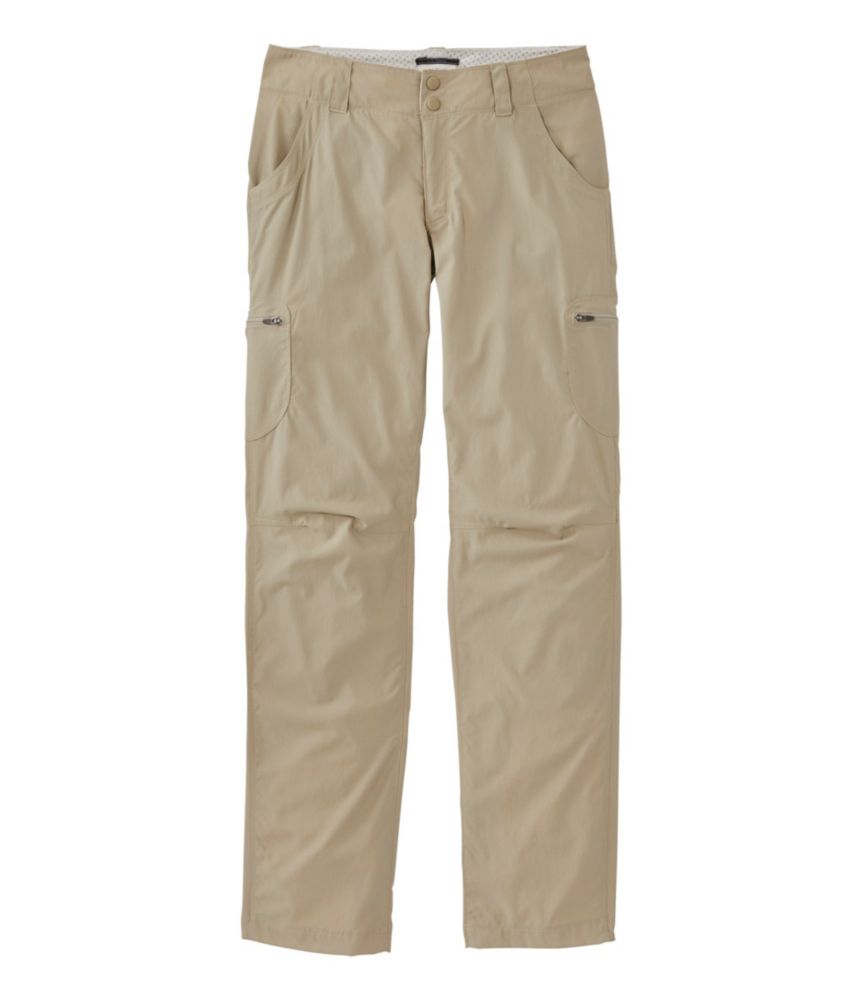
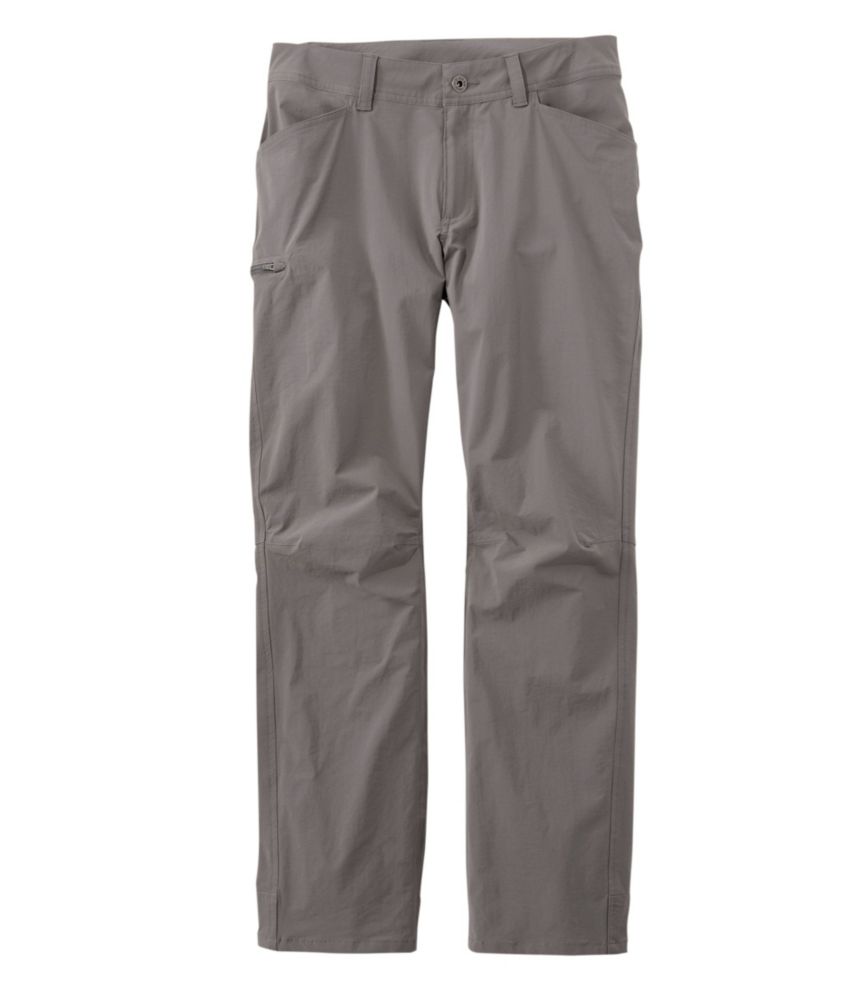
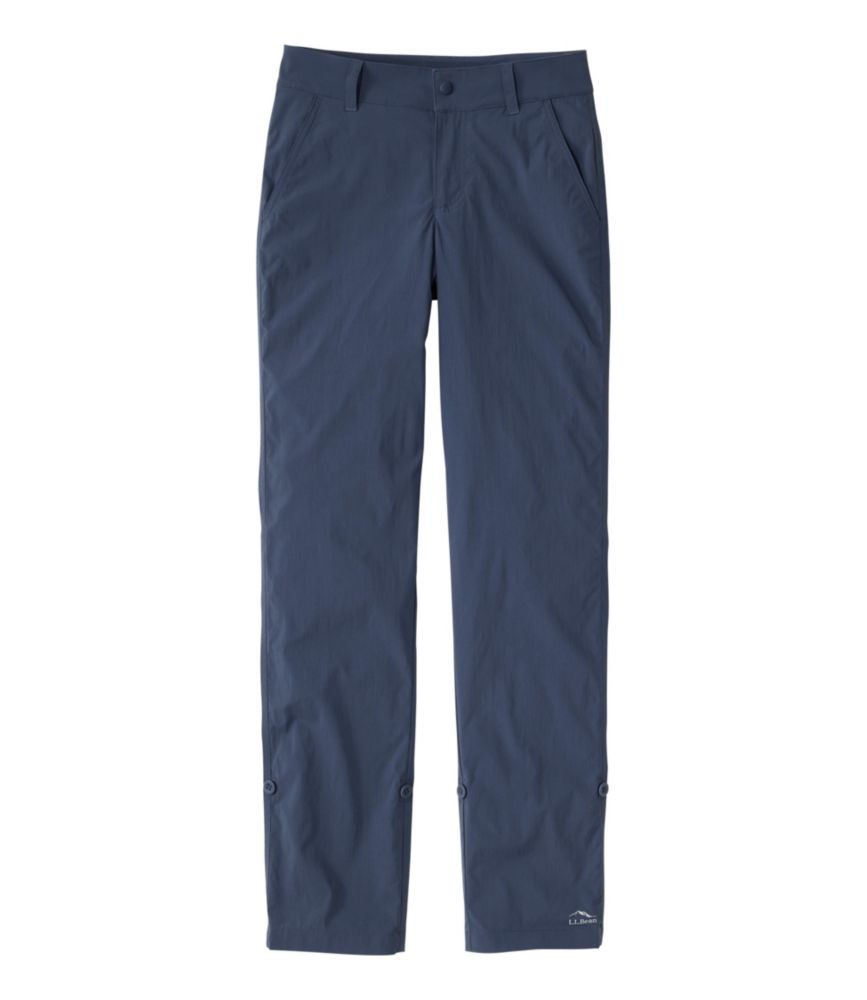
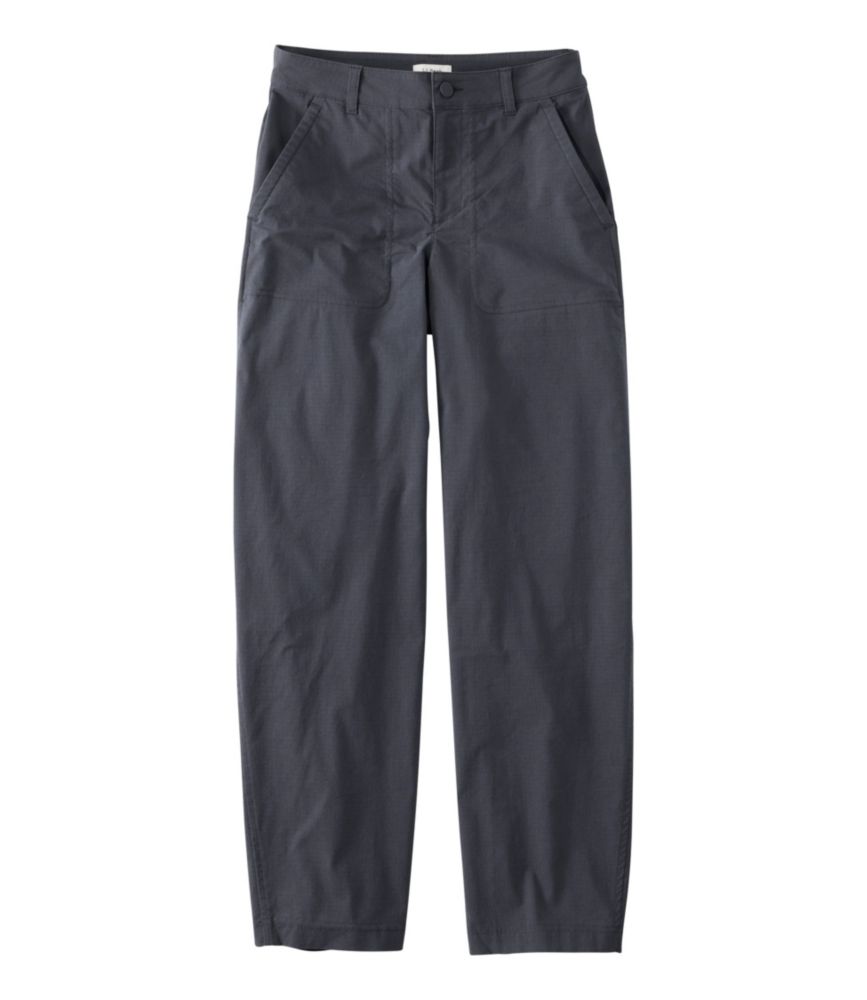
Women's Vista Trekking Pants, Mid-Rise Straight-Leg
L.L.Bean Women's Vista Trekking Pants, Mid-Rise Straight-Leg
A lightweight, durable pair of hiking pants with UPF 50+ protection and moisture-wicking nylon-spandex blend.
(1,537)
$99.95 $84.99
SALE
What customers like:
Quick drying
Lightweight
Versatile
Comfortable
Good fit
$99.95 $84.99
SALE
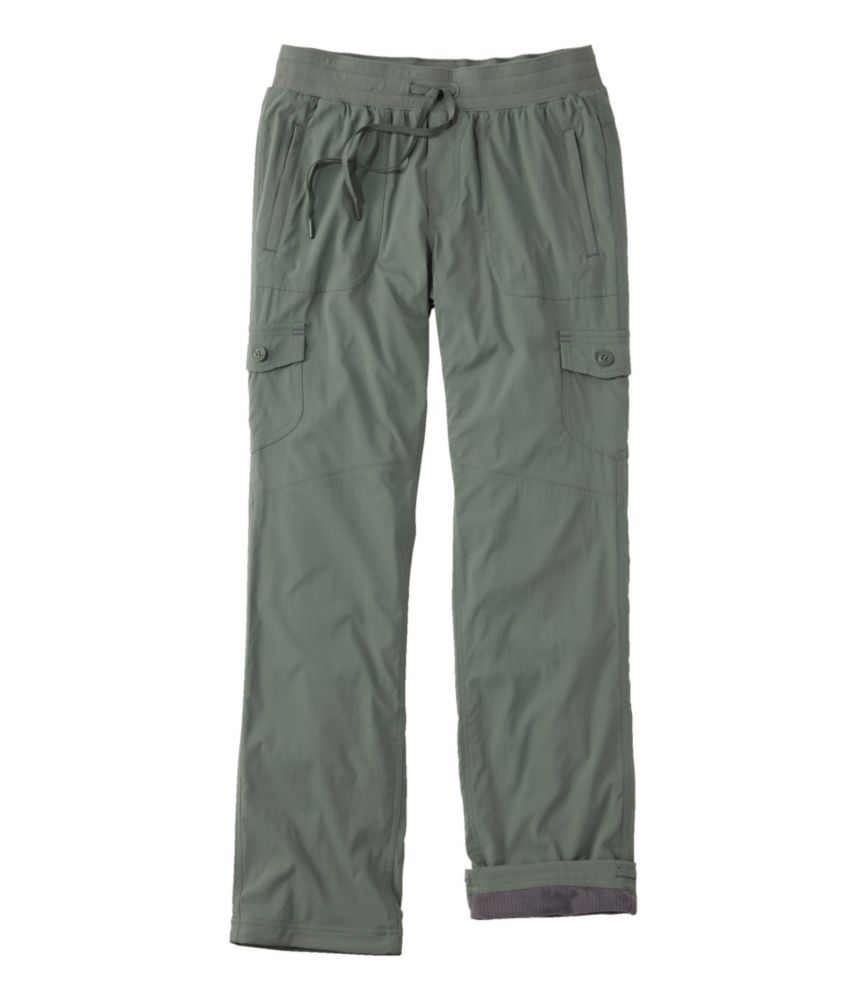
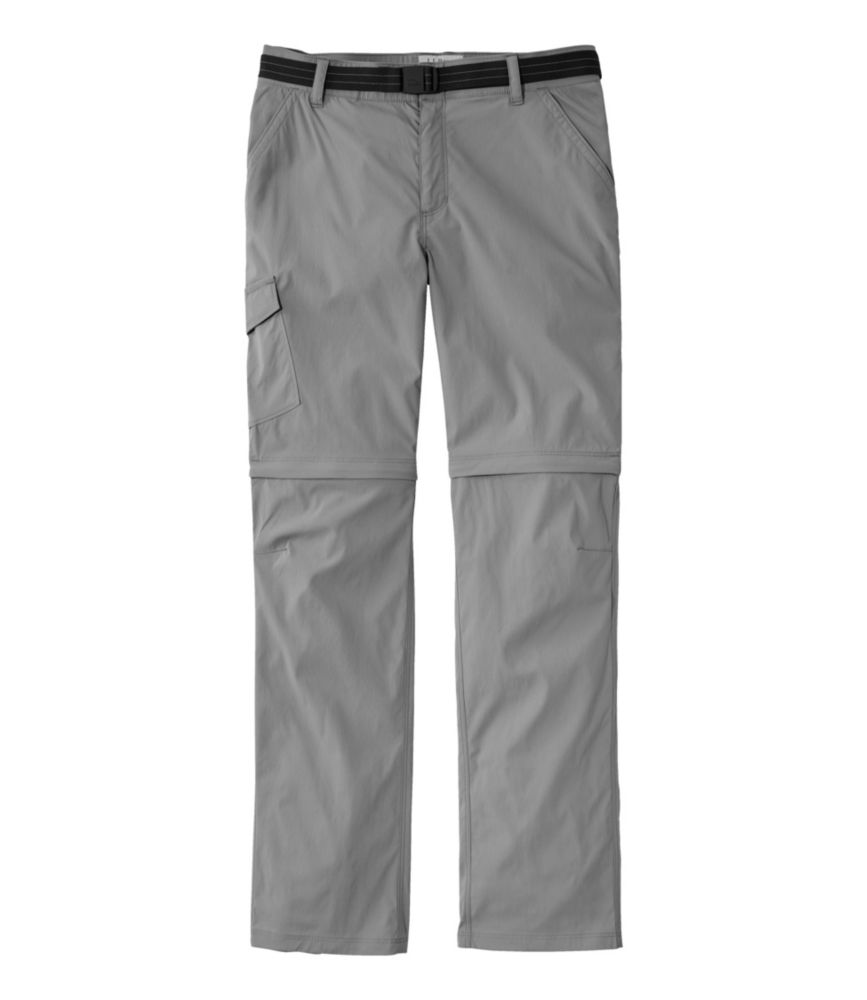
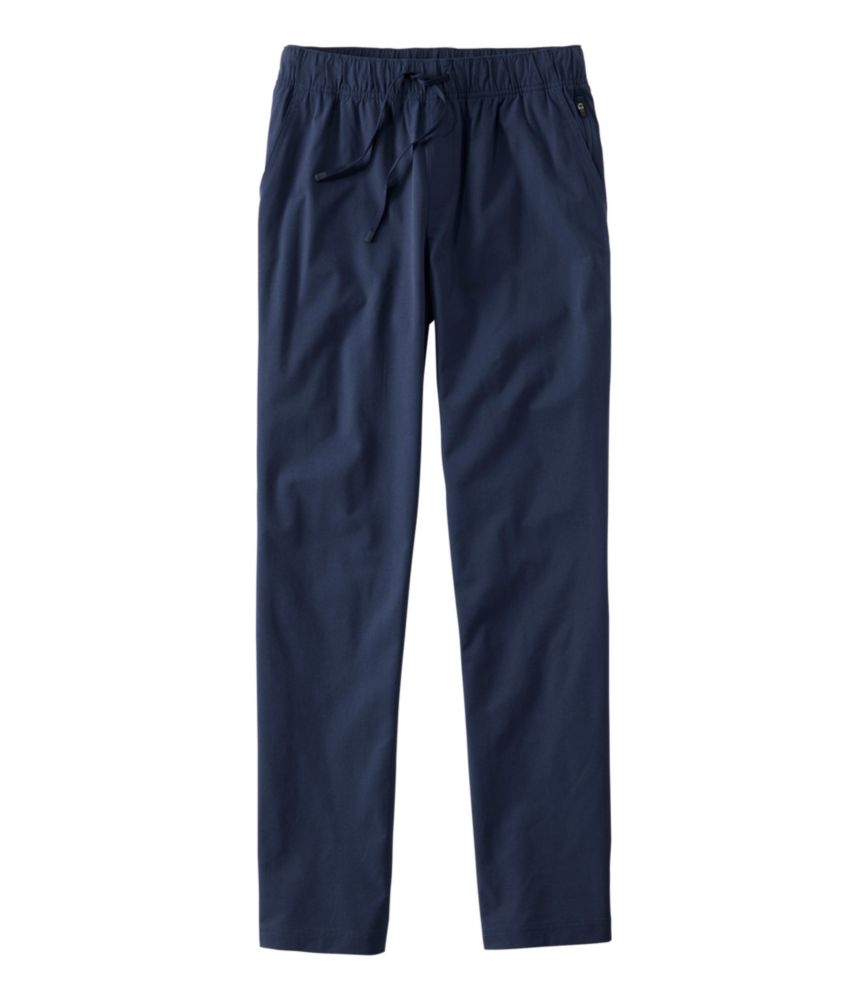
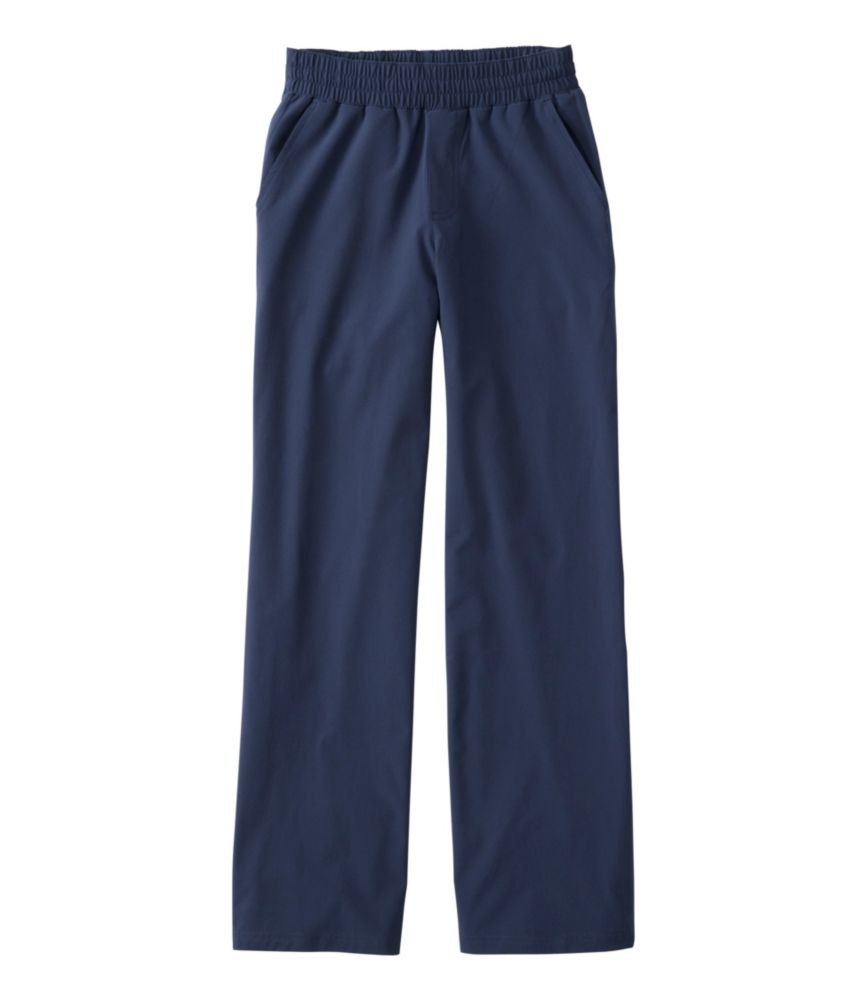
Women's Tropicwear Zip-Off Pants, Mid-Rise
L.L.Bean Women's Tropicwear Zip-Off Pants, Mid-Rise
A versatile pair of frost gray, mid-rise pants that convert to shorts, made from quick-drying nylon.
(206)
$99.95 $99.95
SALE
What customers like:
High-quality fabric
Good fit
Ideal for tropical wear
Worth the price
Versatile pants
$99.95 $99.95
SALE
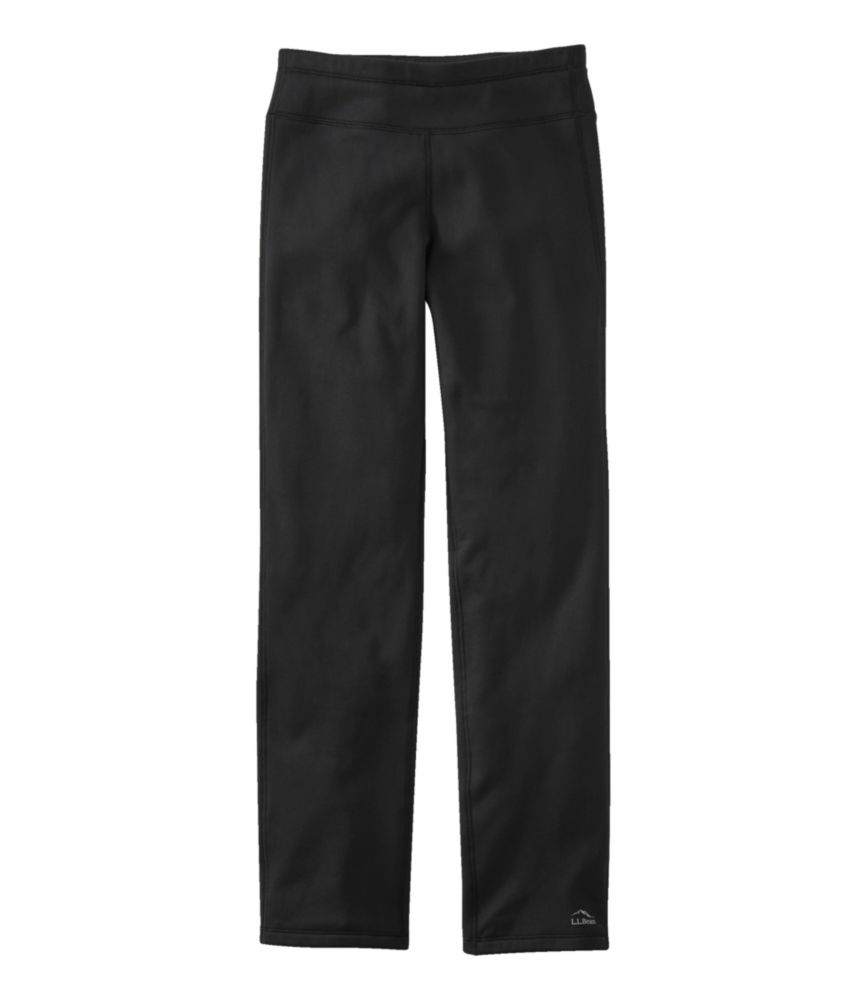
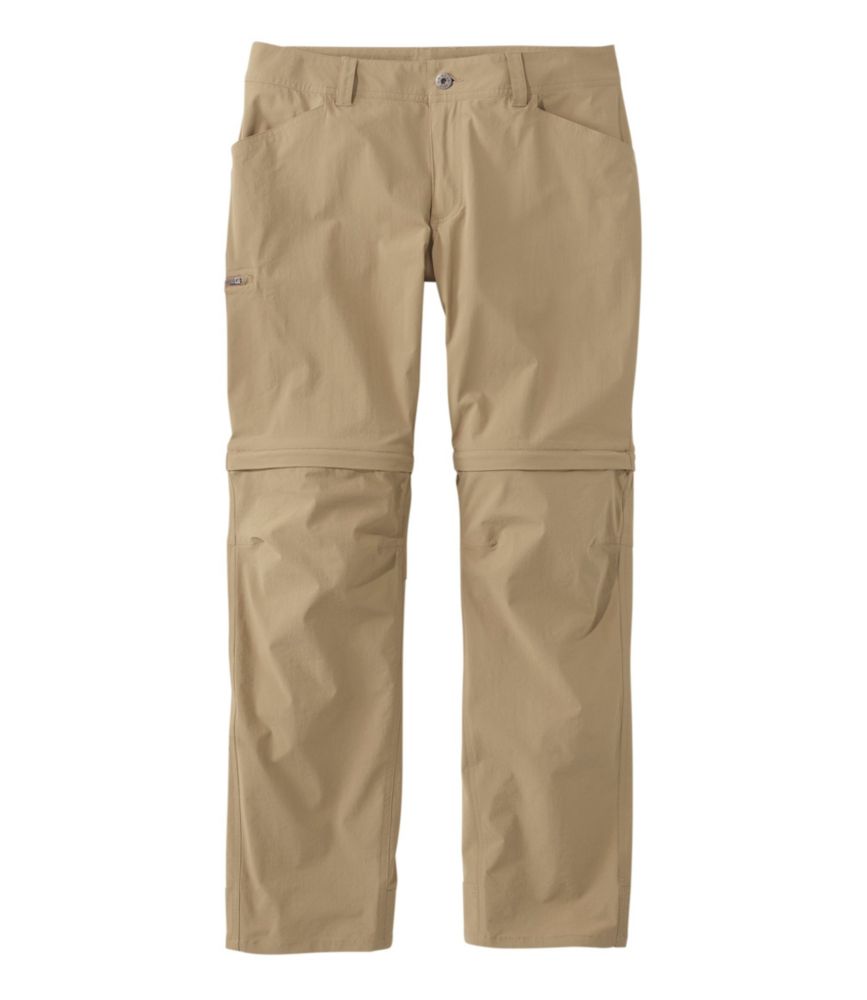
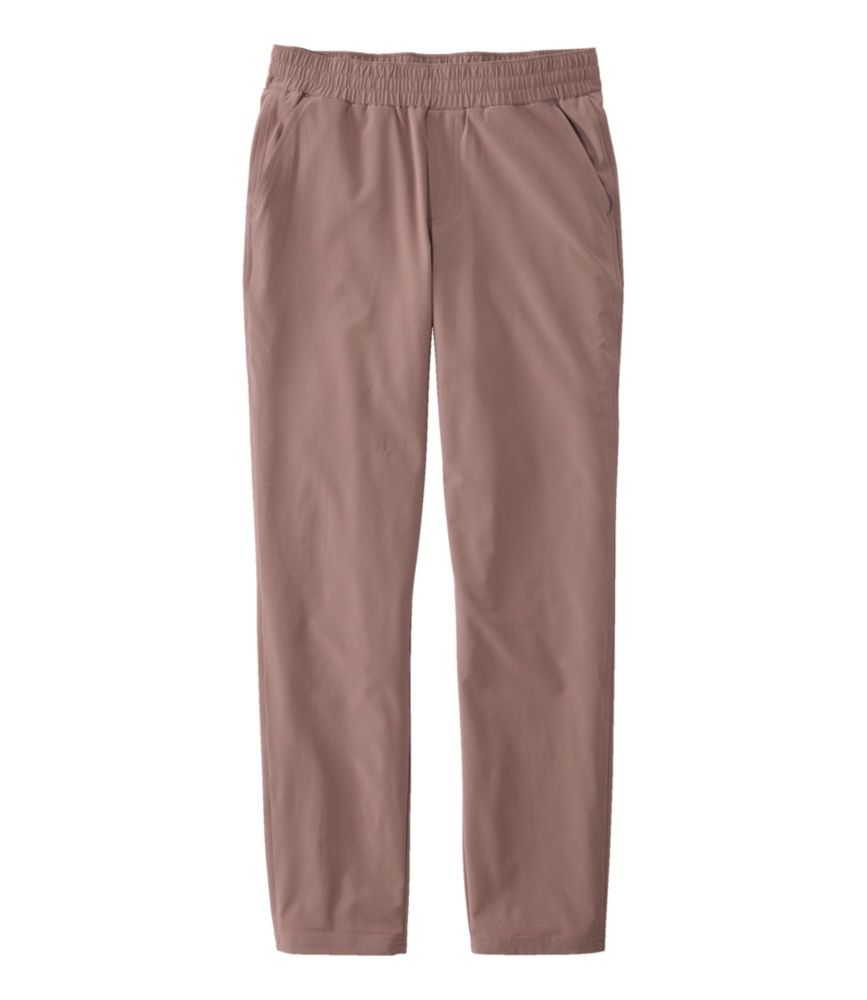
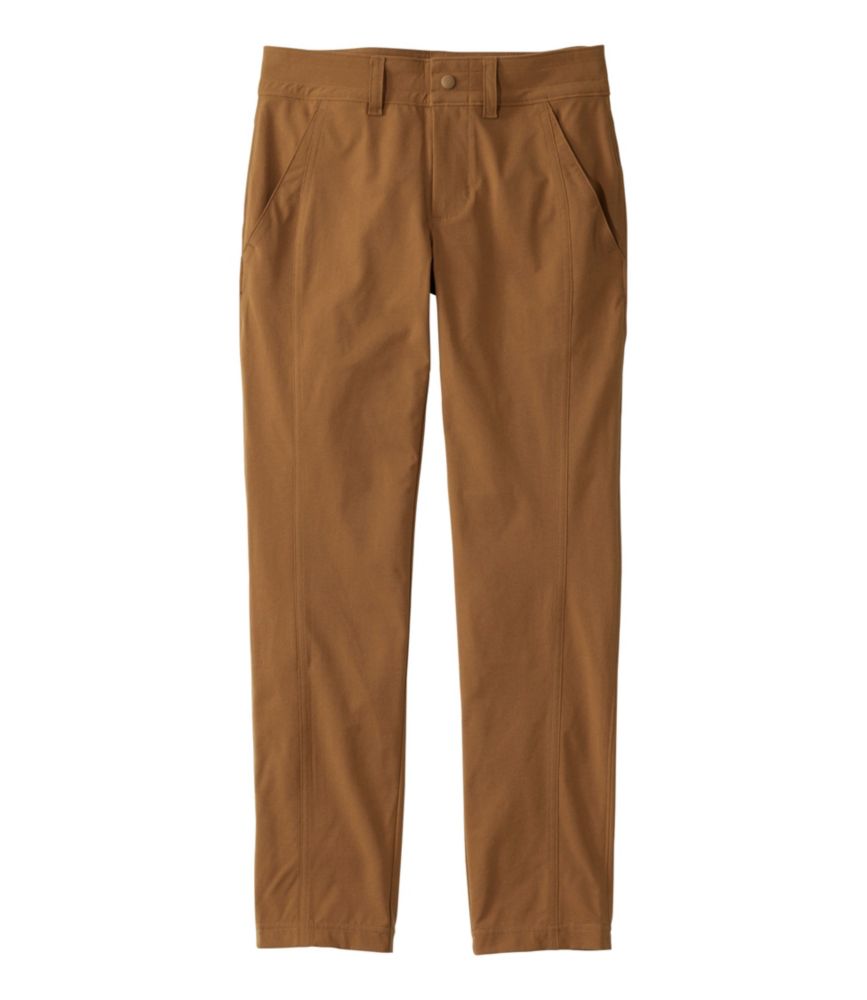
Women's No Fly Zone Zip-Off Pants, Mid-Rise
L.L.Bean Women's No Fly Zone Zip-Off Pants, Mid-Rise
A pair of dark silt, mid-rise nylon pants that repel insects, offer UPF 50+ protection, and convert to shorts.
(136)
$110 $110
SALE
What customers like:
Great fit
High quality
Comfortable feel
Warmth
Versatile
$110 $110
SALE
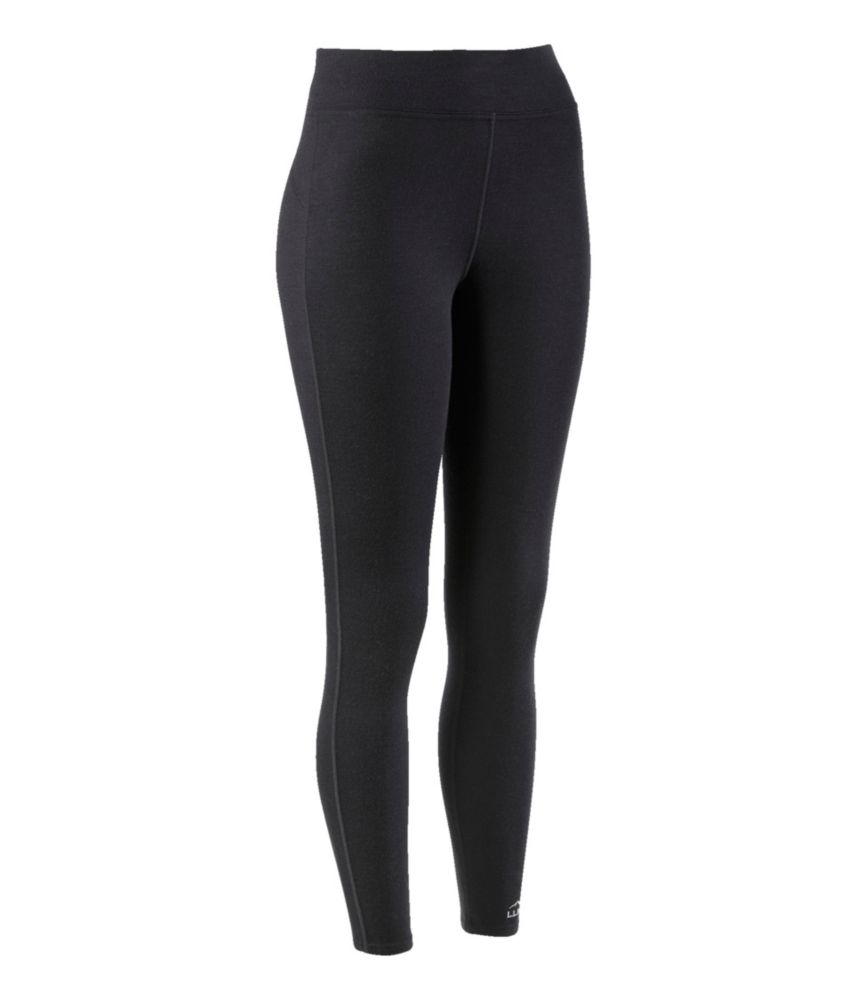
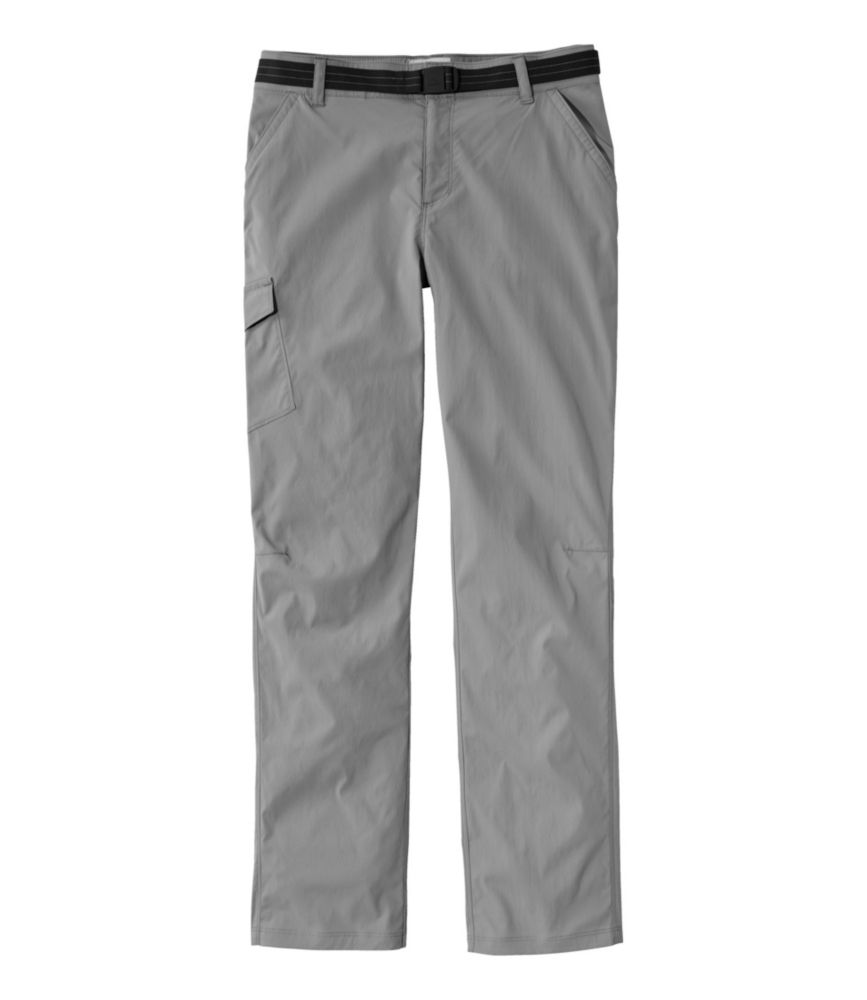
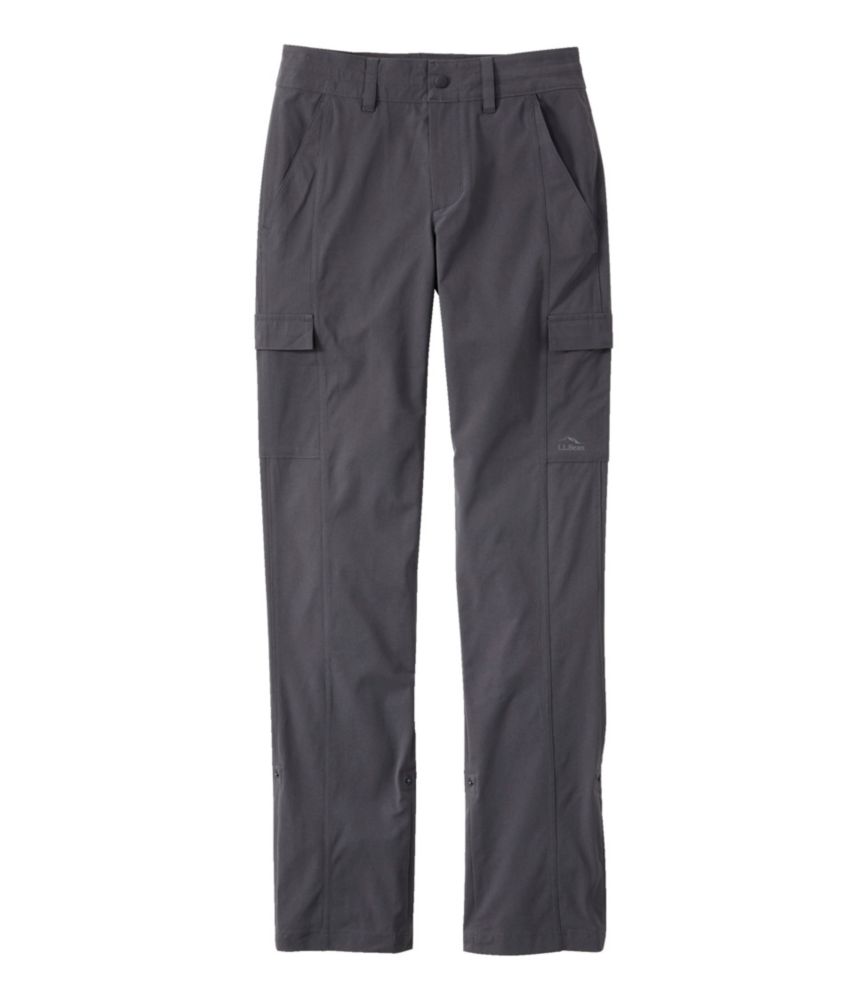
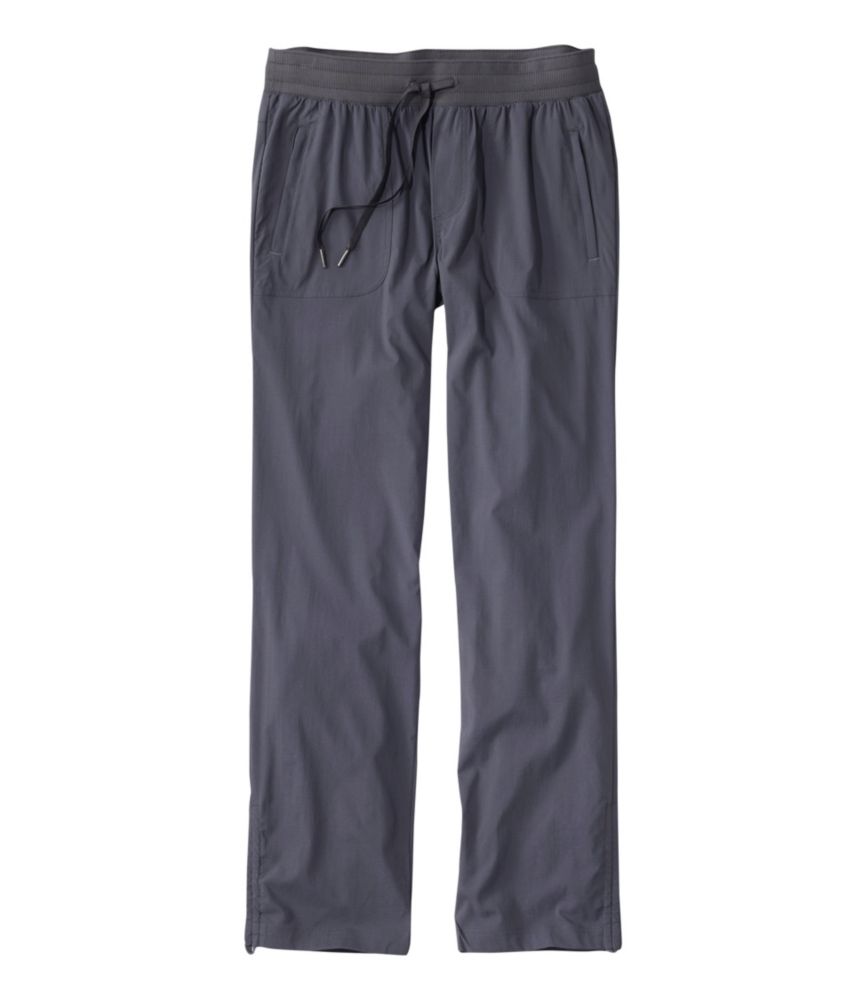
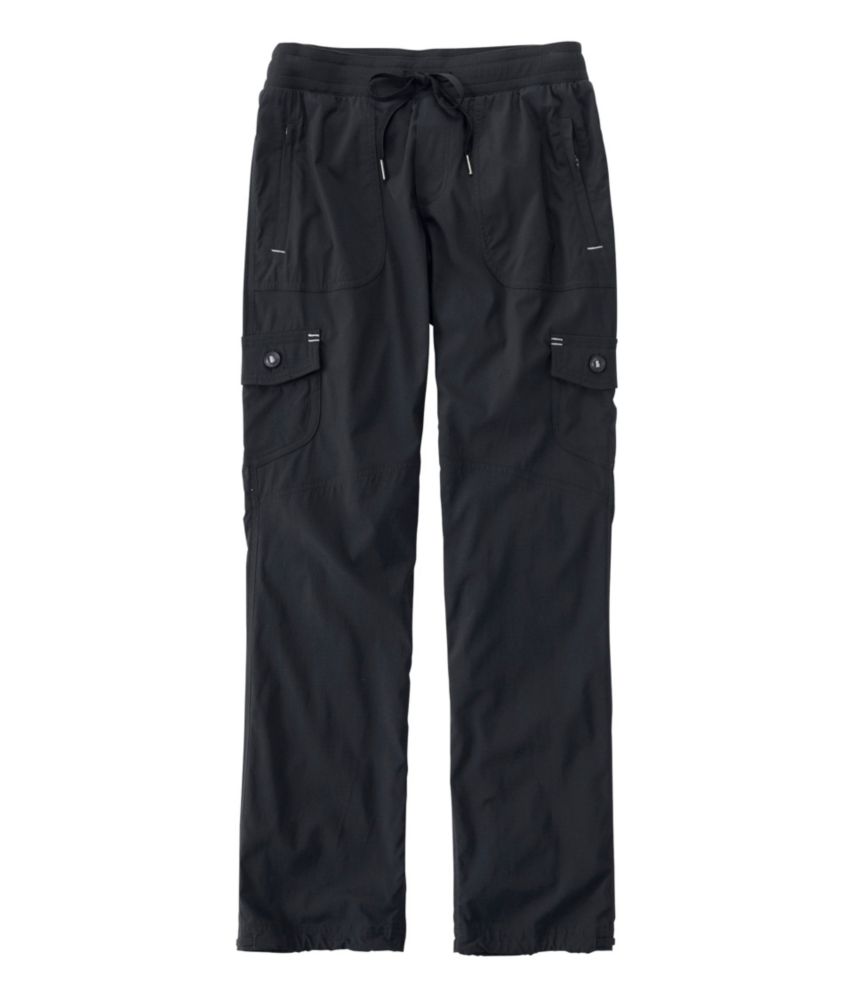
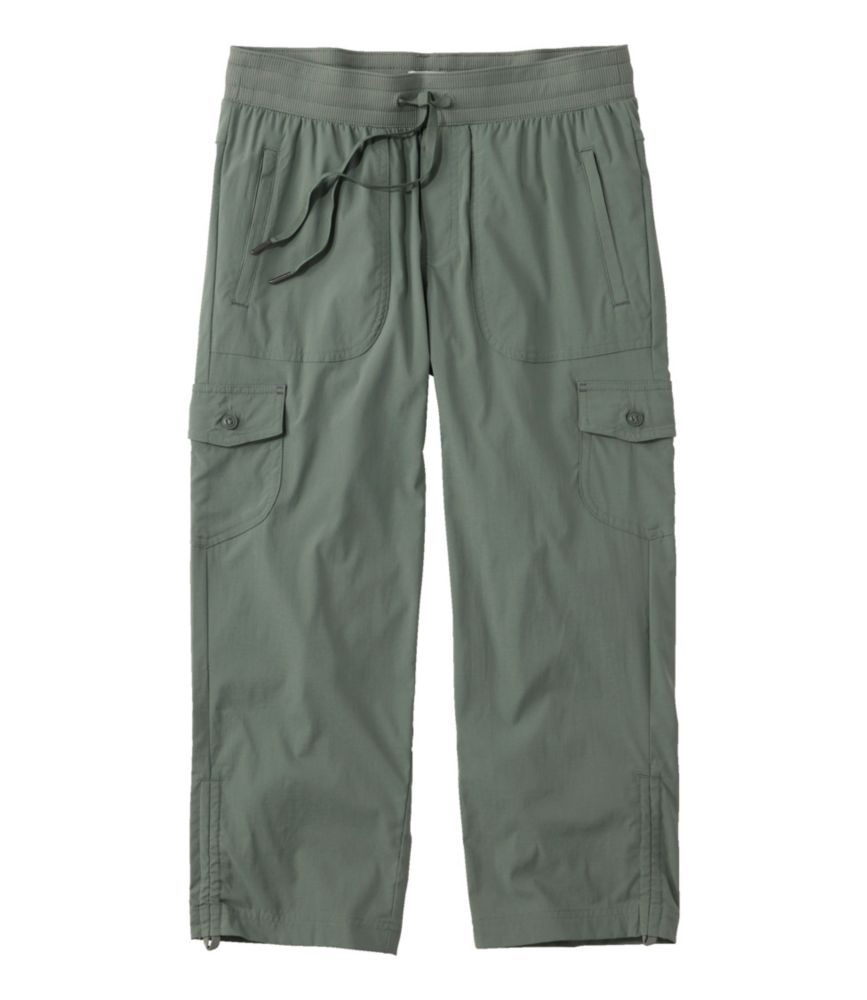
Women's Bean's Multisport Trail Pant
L.L.Bean Women's Bean's Multisport Trail Pant
A pair of versatile, water-resistant gray pants with UPF 50+ protection and convertible hem for capris.
(0)
$89.95 $89.95
SALE
$89.95 $89.95
SALE

Convertible Hiking Pants for Women

Convertible hiking pants for women bring two familiar trail silhouettes together: full-length pants and a shorter option in a single design. That change in length is the defining feature of the category, making conversion style an important detail when comparing pairs. Zip-off designs have detachable lower-leg sections, while the exact placement of the connection and the length of the resulting shorts depend on the design. Those proportions deserve as much attention as the appearance of the full-length pants. A pair can have a favorite straight-leg shape when worn long yet create a shorts length that feels different from the shorts already in a hiking wardrobe. Product descriptions and measurements help clarify both versions, giving a fuller picture than a photograph of the pants alone. For women who enjoy a winding woodland trail, a familiar loop with friends or a weekend hike with family, the appeal starts with that choice of length. Personal preferences still matter: some hikers favor a closer silhouette, while others prefer a more relaxed shape through the hip and thigh. Neither look defines the category, and the conversion feature is only one part of finding a pair that feels right. The broader selection of convertible hiking pants provides another place to compare styles while keeping those individual preferences in mind. As hiking plans carry into the cooler months, the full-length configuration may become the more familiar choice, but the shorter configuration remains part of what distinguishes these pants from conventional hiking styles. The most useful comparison considers the complete design rather than treating the detachable sections as an afterthought. Waist shape, inseam, shorts length and the position of the conversion point all contribute to how a pair fits into an established hiking wardrobe. Together, those details make the category relevant to women with different tastes, different proportions and different ways of enjoying time on a trail.

Fit is especially worth considering in both configurations because the connection between the upper and lower sections adds another measurement point beyond the usual waist, hip and inseam. On a zip-off style, the location of that connection determines where the shorts end and where the joining seam sits when the pants are worn long. Photographs can show the overall shape, but listed dimensions and fit descriptions provide a more dependable basis for comparison. A familiar pair of hiking pants can serve as a useful reference for the waist and rise, while favorite shorts offer a separate reference for the shorter length. The comparison becomes more concrete when it reflects the small movements of an actual hike: sitting on a trailside bench, bending to retie a boot or stepping onto the first rise of a stone stairway. How the waistband feels while seated and where the conversion seam rests with a bent knee are personal fit considerations, not details that a size label alone can settle. Rise also changes where the waistband sits, so two pairs with the same labeled size may have noticeably different proportions. For women whose preferred fit falls between sizes, the individual size chart and any stated fit notes are more useful than assuming every style follows the same cut. Pocket placement, closures and waistband details are additional points to compare where they are shown in the product information. A preference for a simple silhouette may lead to a different choice than a preference for more visible pockets and details. Looking at front, back and side views helps reveal those differences without relying on a single styled image. The goal is a pair that matches the wearer’s preferences in its full-length and shorter forms, with neither version feeling like a compromise made solely for the conversion feature. That attention to proportion is equally relevant for someone choosing a first pair and someone replacing a well-loved hiking staple.

Fabric composition, construction details and care instructions provide another useful layer of comparison, particularly for women who already know what they like about their hiking clothing. The composition listed for each pair is the place to establish what it is made from; the category name alone does not describe the fabric or its characteristics. Close-up images and individual descriptions can also help distinguish the surface appearance, seams and finishing details of different styles. Durability is best considered through those specific construction details and the stated care requirements rather than assumed from an outdoorsy appearance. Convertible designs have an additional practical consideration: keeping track of the parts that make the change in length possible. For detachable-leg styles, both lower sections remain part of the complete garment even when the shorts configuration is getting more wear. Keeping the matching sections together between hikes makes the next outing simpler, especially in a household where several people have similar clothing. Any instructions for operating the conversion closures are worth retaining alongside the care information. Washing and drying methods should follow the individual garment label, including any directions about closures, rather than a general routine borrowed from another pair of pants. These everyday details help explain why familiar preferences can be so valuable when selecting convertible hiking pants as a gift. For a partner, sister, parent or friend who enjoys hiking, knowing the preferred rise, inseam and shorts length makes the choice more personal than relying on a usual size alone. An established favorite silhouette is often a helpful starting point, whether the recipient enjoys leisurely trails with family or makes a regular habit of exploring new routes. Timeless styling and versatility can matter as much as the visual details that first catch the eye. A thoughtful selection brings those preferences together with clear information about conversion, fit and care. The result is a more considered addition to a hiking wardrobe, chosen around the person who will wear it and the shared outdoor days ahead.
Read More

FAQs