It's time to upgrade your browser

Your current browser is no longer supported on llbean.com. Please upgrade to one of the following for a smoother, safer shopping experience with us:

Convertible Spring Hiking Pants

Find convertible spring hiking pants for your next day on the trail. Browse the selection and compare each pair’s fit, sizing and conversion details to choose a style that suits your hiking plans.
Read More
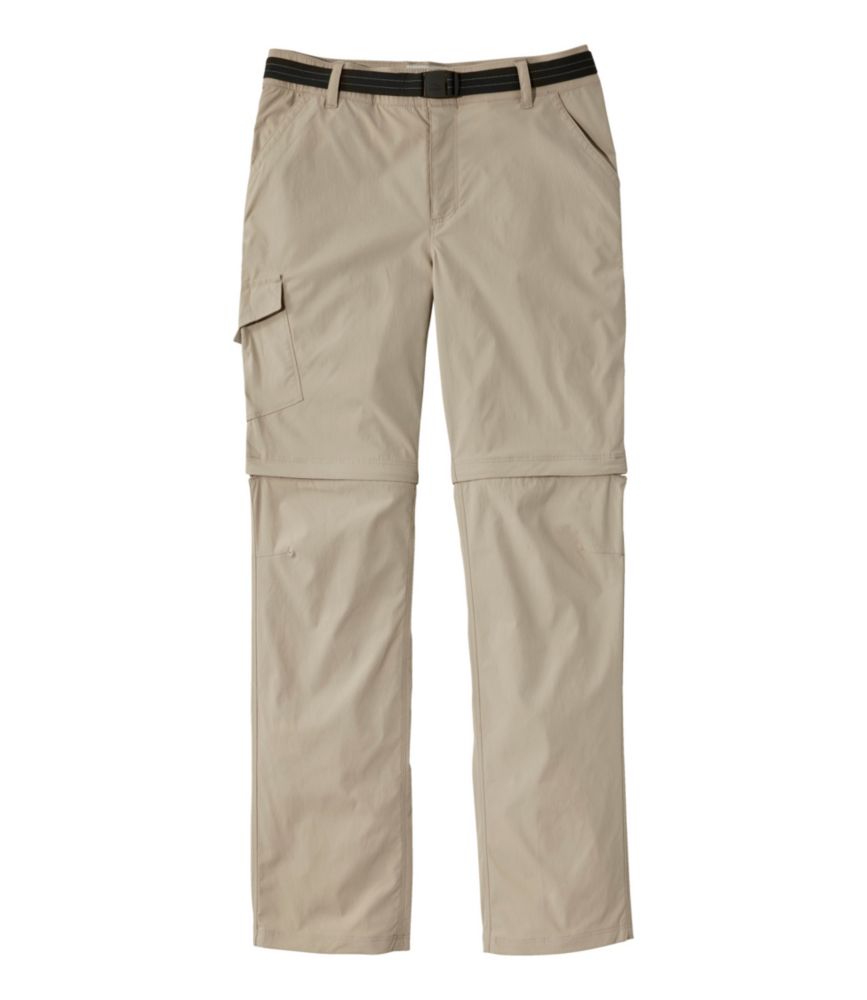
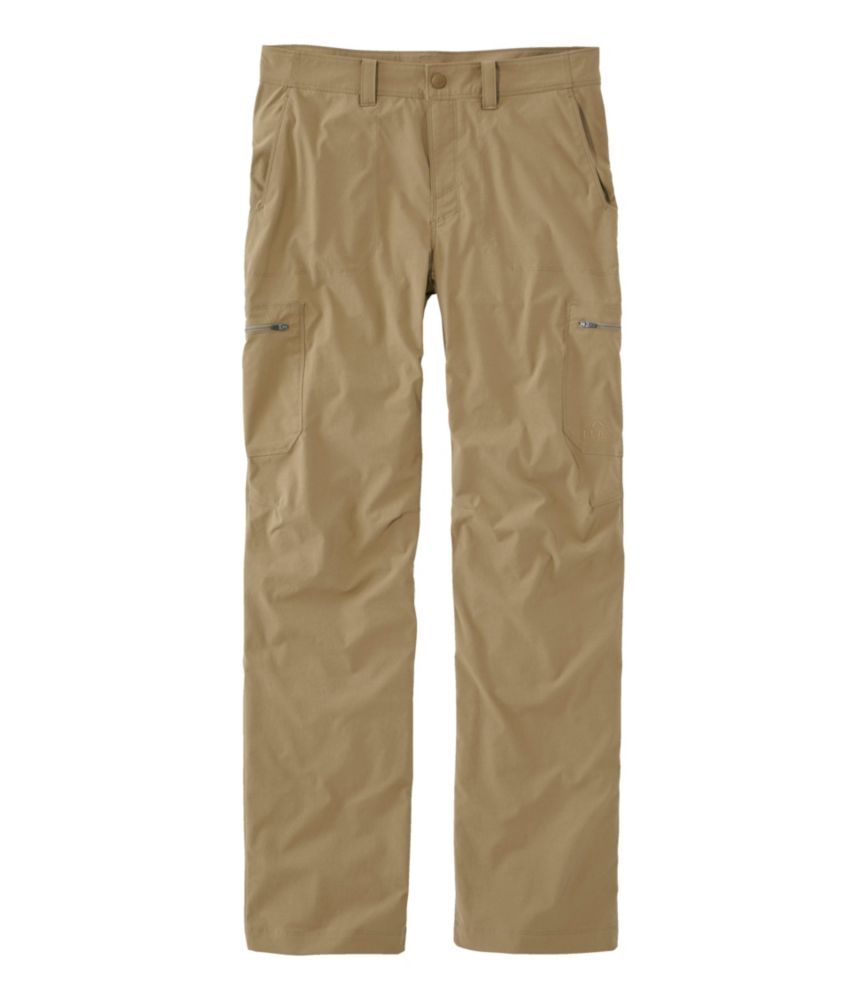
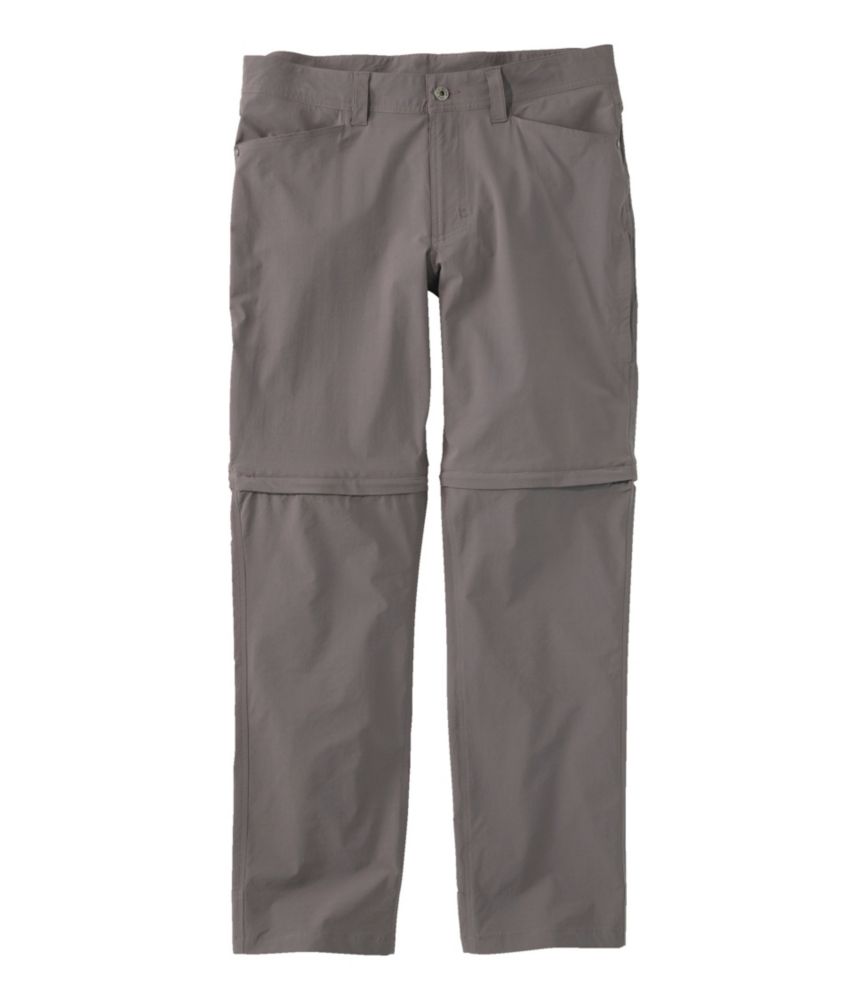
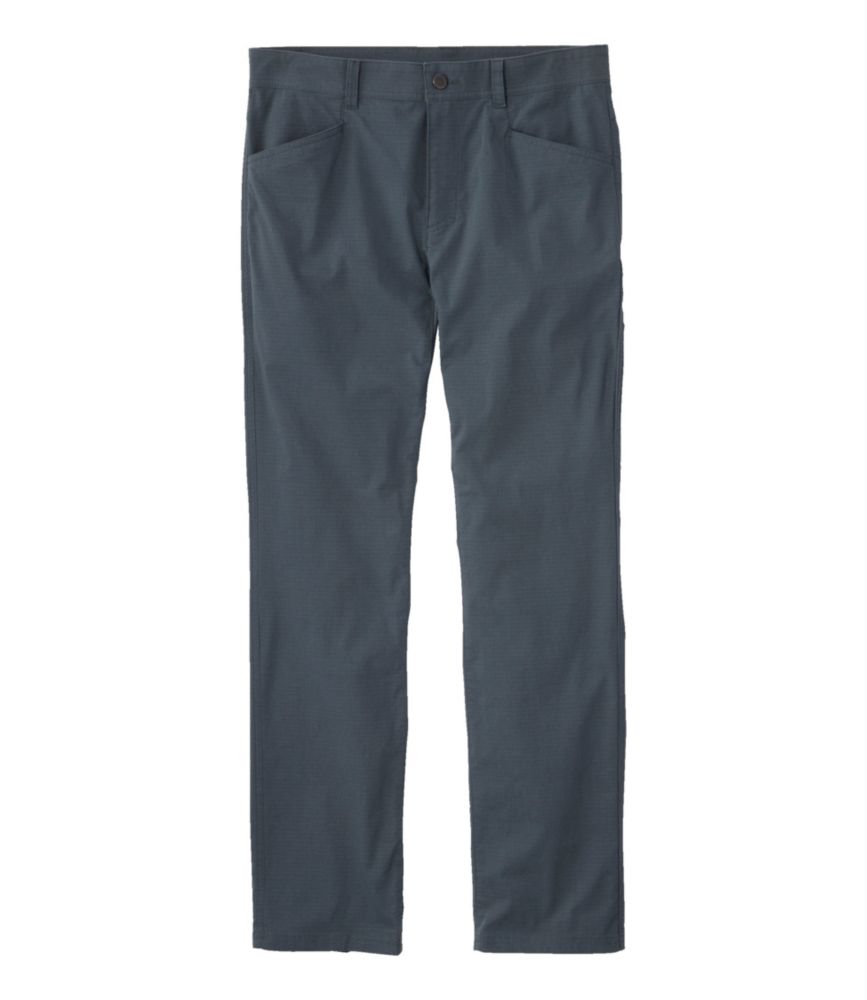
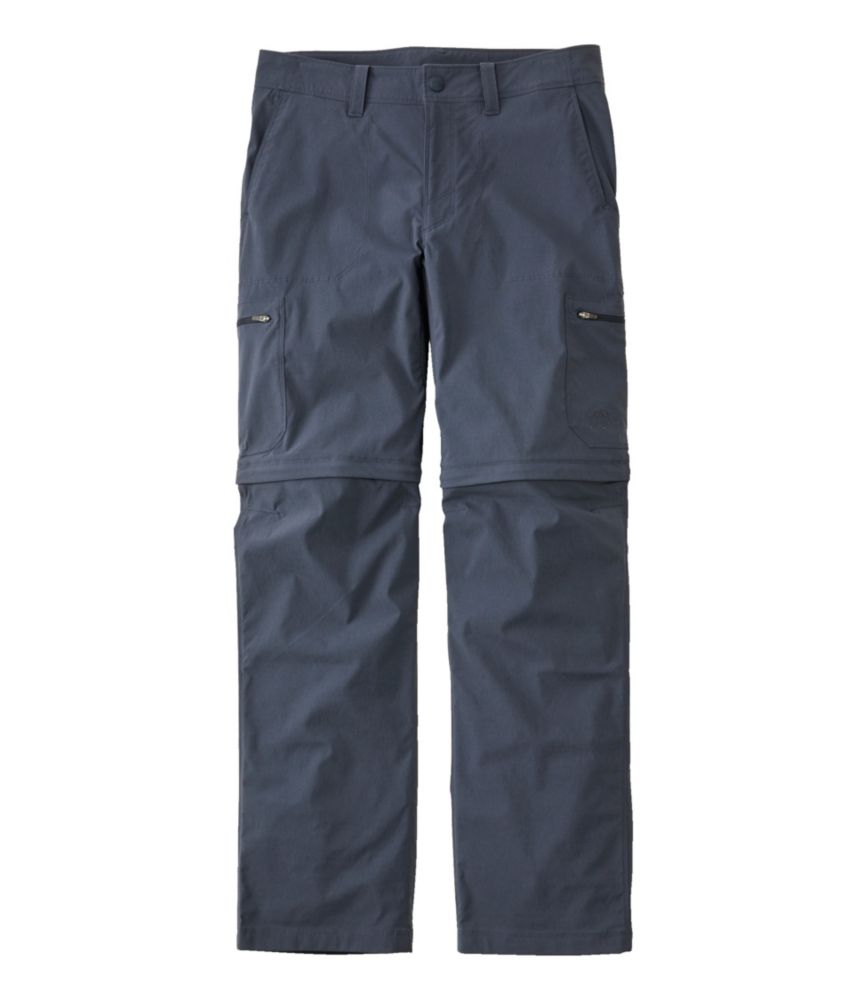
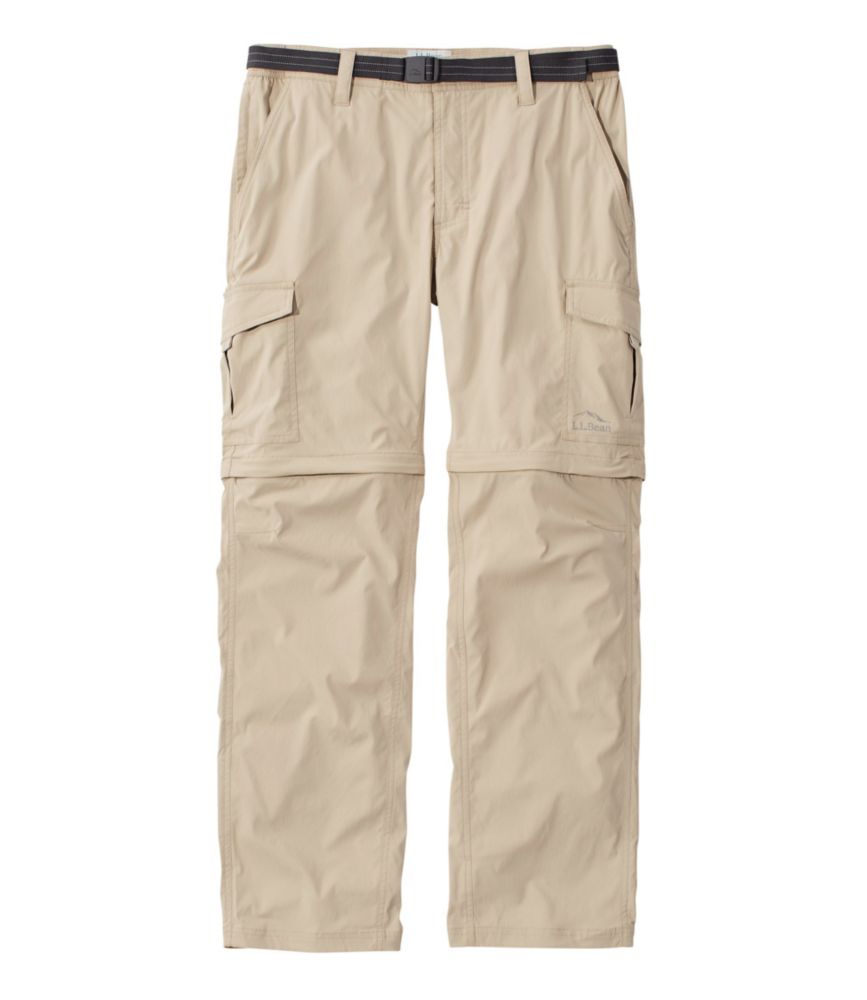
Men's Water-Resistant Cresta Zip-Off Pants, Standard Fit
L.L.Bean Men's Water-Resistant Cresta Zip-Off Pants, Standard Fit
A pair of dark cinder hiking pants that convert to shorts, made from durable, water-resistant nylon blend.
(873)
$99.95 $99.95
SALE
What customers like:
Great for hiking/backpacking
Excellent performance
Accurate sizing
Multiple pockets with zippers
Durable and water-resistant
$99.95 $99.95
SALE
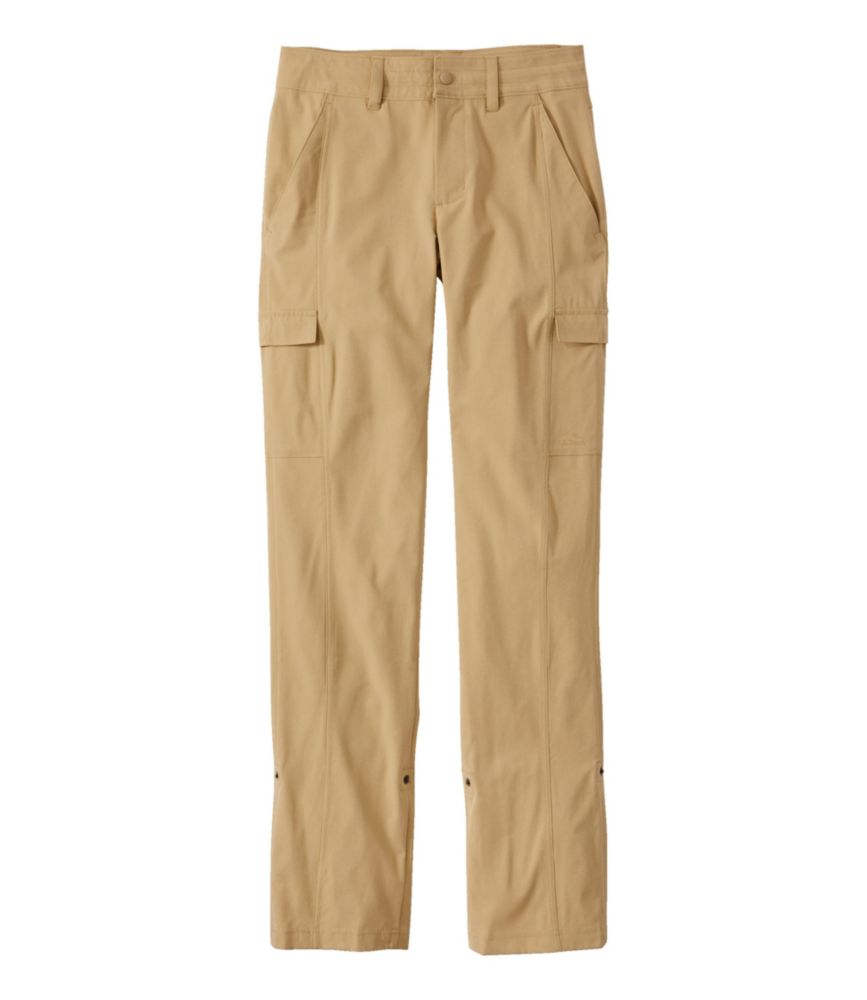
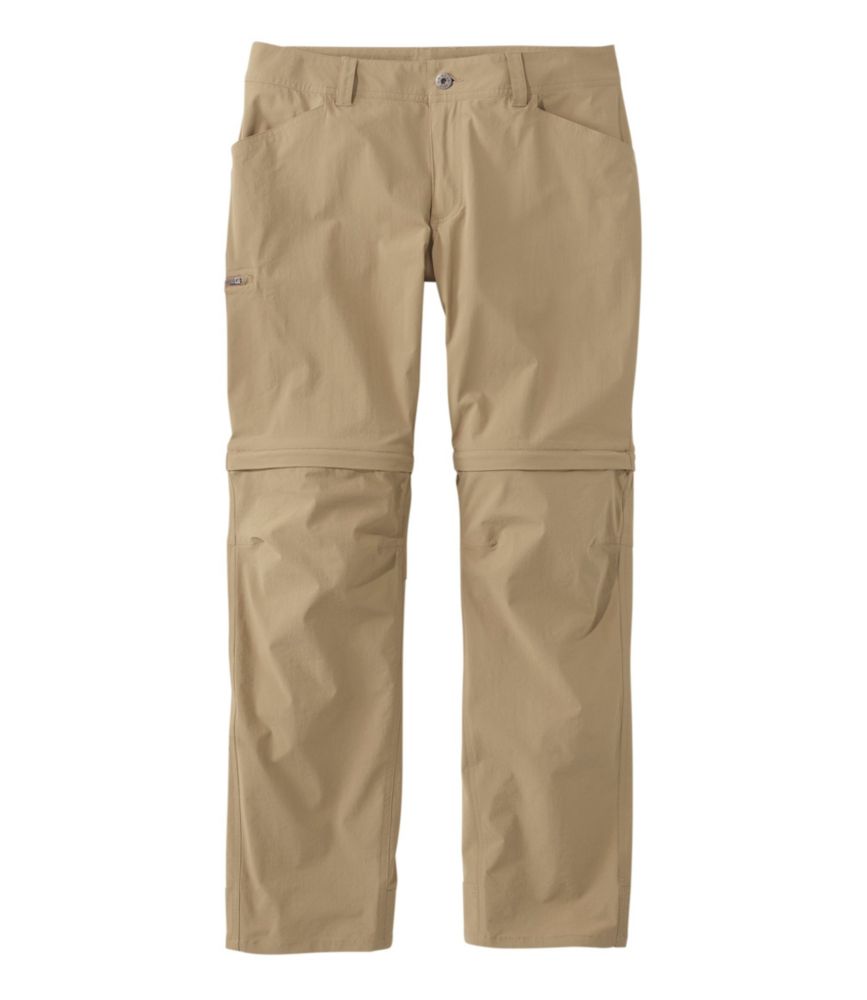
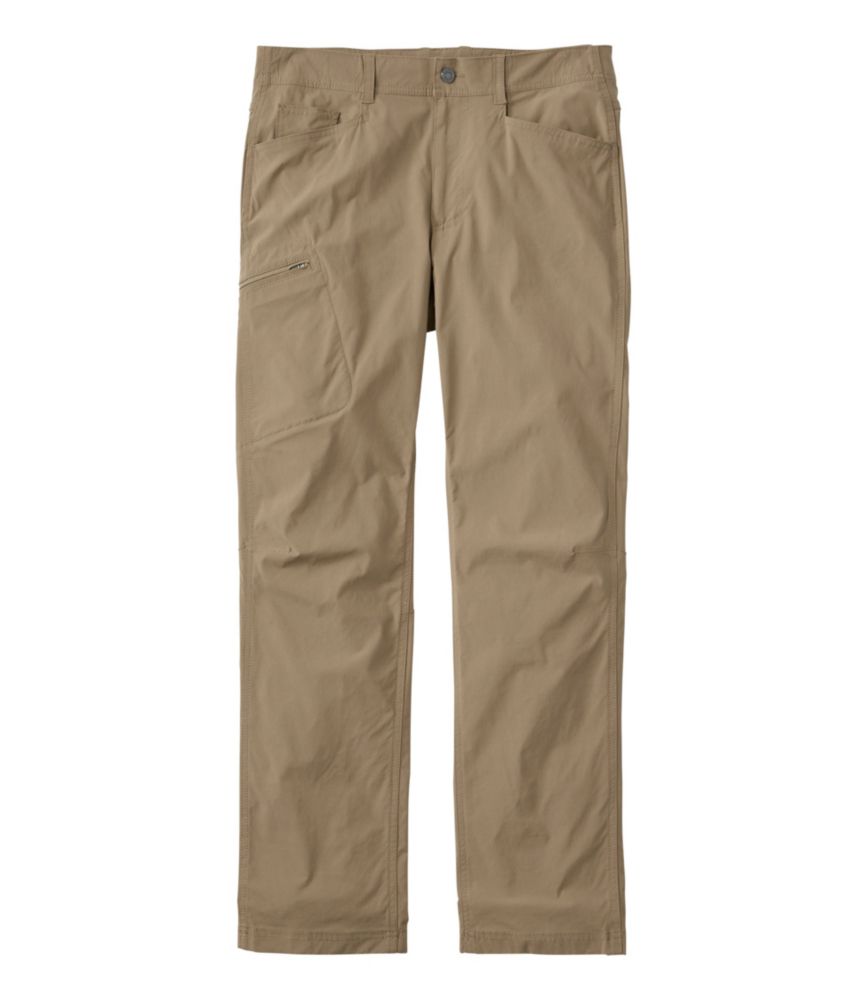
Men's Tropicwear Zip-Leg Pants
L.L.Bean Men's Tropicwear Zip-Leg Pants
A versatile pair of soft sand nylon pants that convert to shorts, offering sun protection and comfort.
(240)
$99.95 $74.99
SALE
What customers like:
Versatile convertible design
Ample pockets
Durable material
Quick-drying
Comfortable fit
$99.95 $74.99
SALE
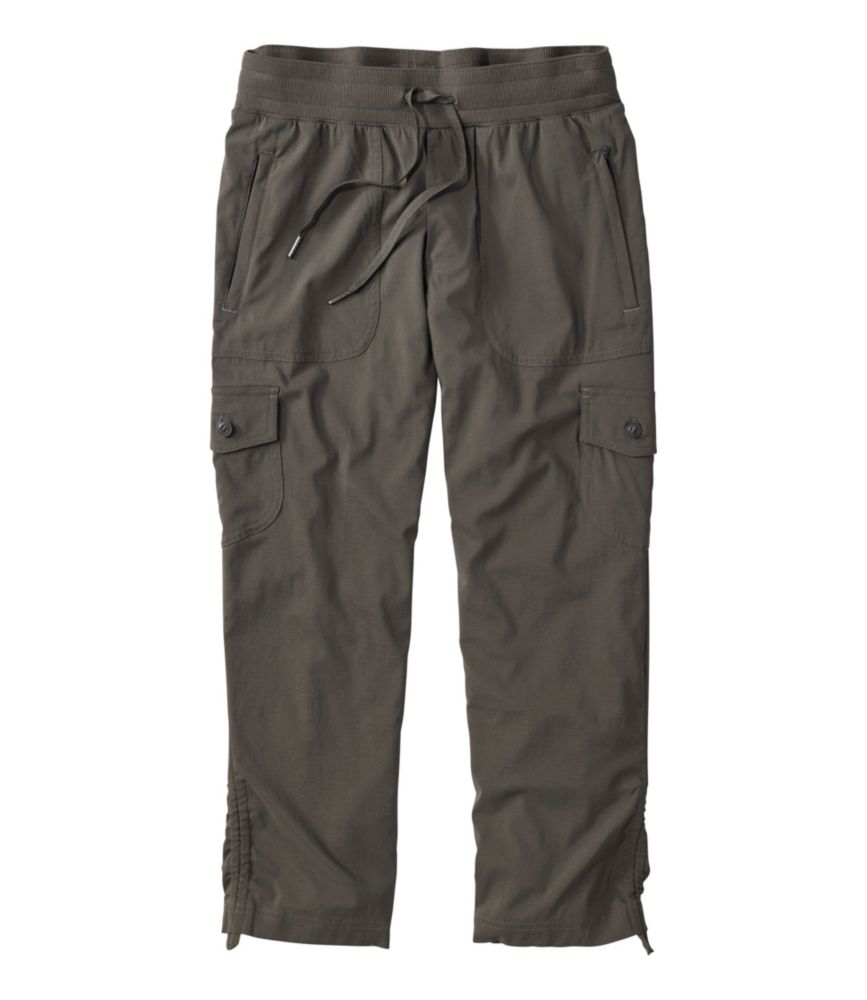
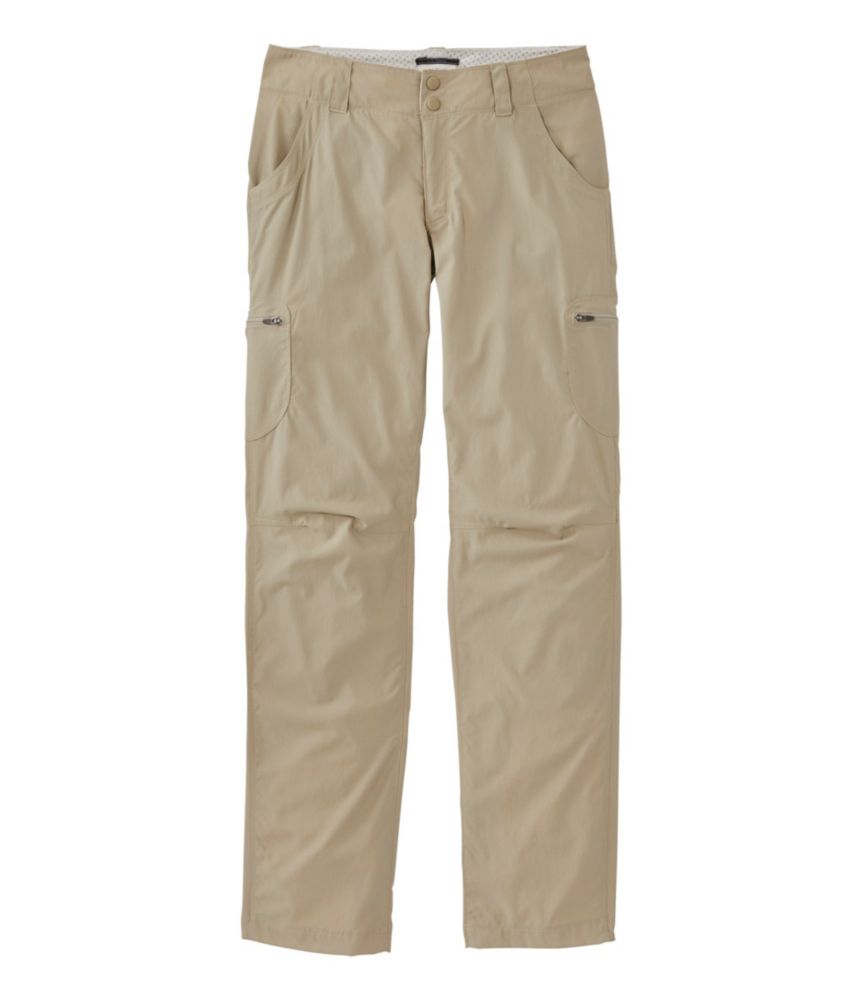
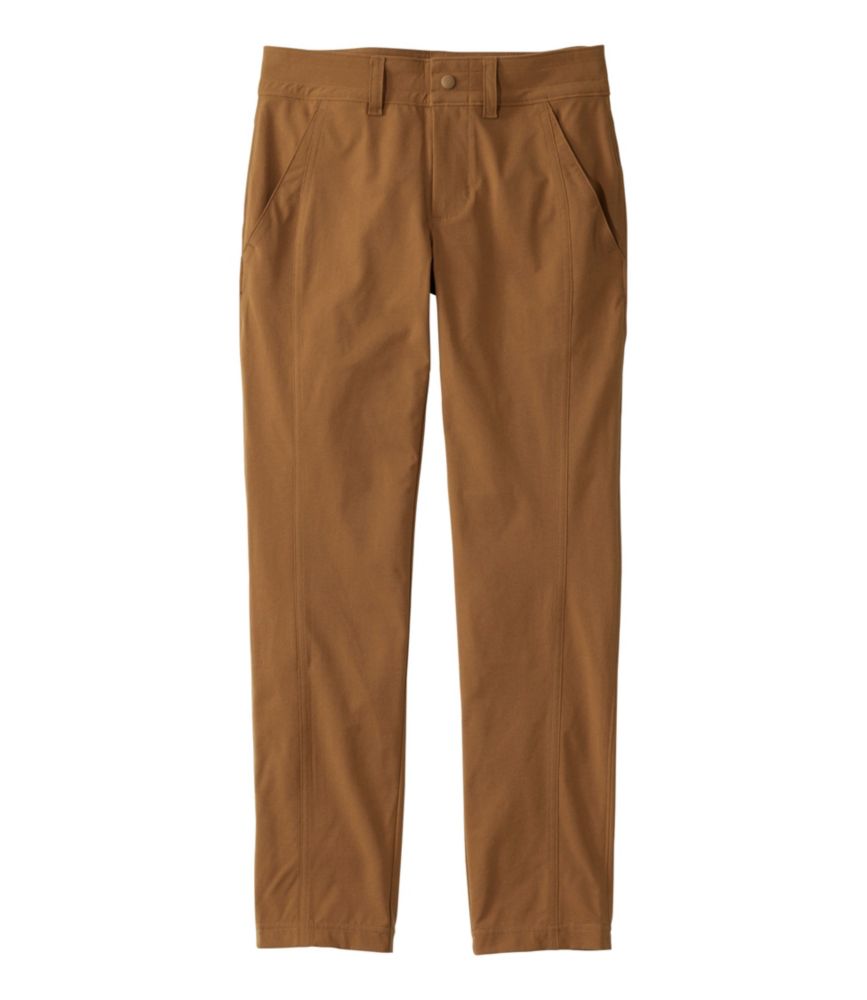
Women's No Fly Zone Zip-Off Pants, Mid-Rise
L.L.Bean Women's No Fly Zone Zip-Off Pants, Mid-Rise
A pair of mid-rise, nylon zip-off pants that repel insects, offer UPF 50+ protection, and convert to shorts.
(136)
$110 $110
SALE
What customers like:
Great fit
High quality
Comfortable feel
Warmth
Versatile
$110 $110
SALE
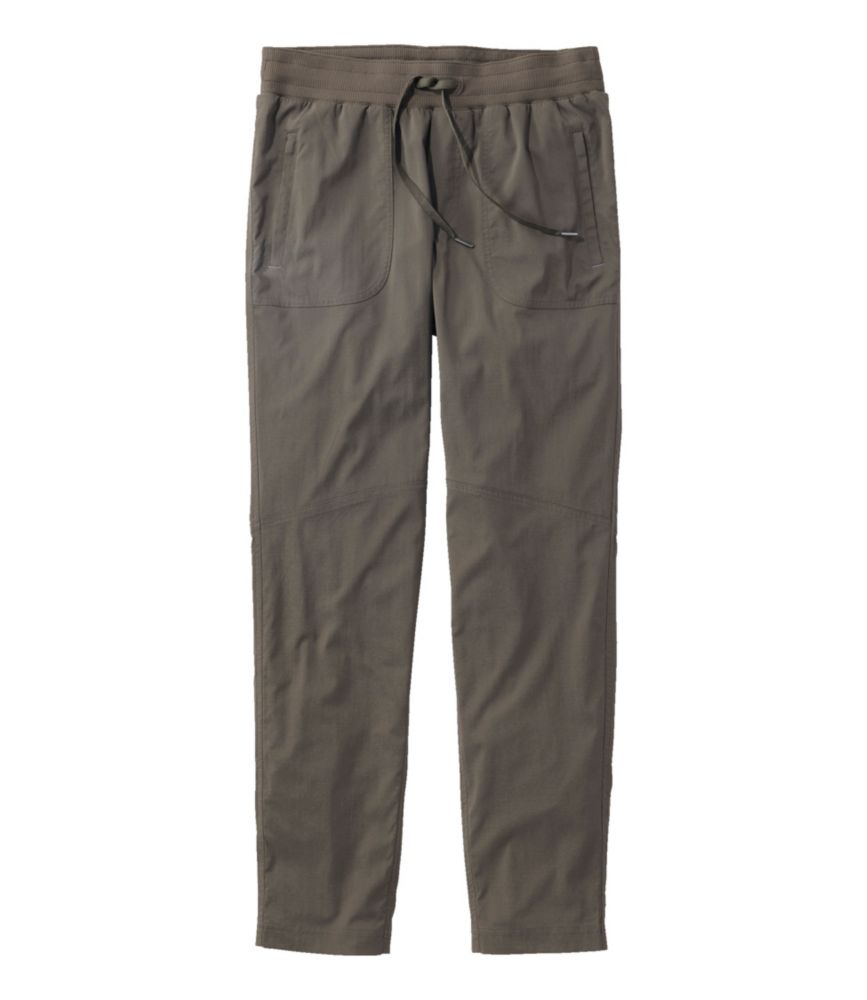
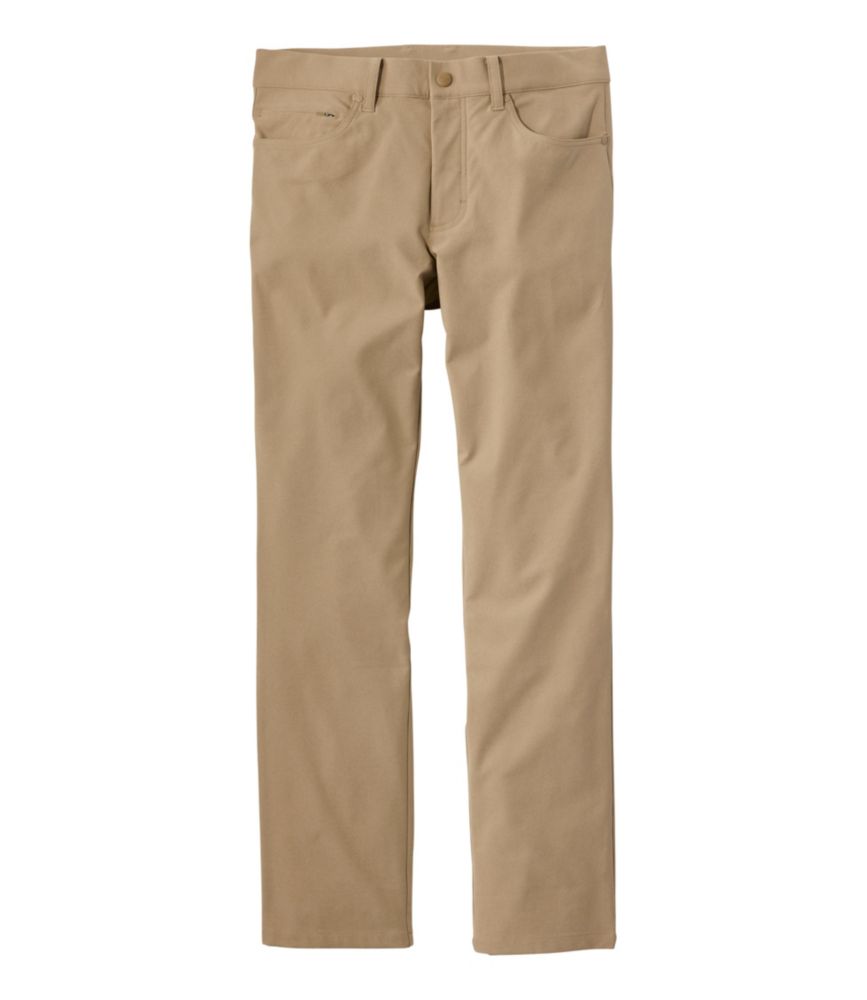
Men's No Fly Zone Zip-Off Pants
L.L.Bean Men's No Fly Zone Zip-Off Pants
A versatile pair of briar-colored nylon pants that repel insects, offer UPF 50+ protection, and convert to shorts.
(101)
$110 $110
SALE
What customers like:
Lightweight
Excellent quality
Stylish
Comfortable
Good fit
$110 $110
SALE

Convertible Spring Hiking Pants

Convertible spring hiking pants bring two familiar trail styles together: full-length pants and shorts in a single design. Their defining feature is the ability to remove the lower legs, giving hikers a choice of lengths without switching to a separate pair. That versatility is especially relevant to spring hiking, when a route might begin beneath bare branches and continue onto an open hillside in afternoon sunshine. Choosing between pants and shorts becomes less of an either-or decision before leaving home. The appeal is straightforward, whether the outing is a familiar loop with family or a first visit to a trail a friend has recommended: one pair offers different ways to dress for the walk. The details of that conversion still deserve a close look, since the placement of the connection, the finished shorts length, and the shape of the full-length leg all affect personal preference. A hiker who likes longer shorts may choose differently from someone who prefers a shorter hem, even when both are looking at the same pants inseam. Photos showing both configurations can help make those differences clear. Spring hiking pants also belong to the small rituals that make an outing feel inviting: setting out clothes the night before, checking the route over breakfast, and meeting companions at the trailhead with time to enjoy the walk. Convertible styling adds a practical choice to that preparation without needing to be the focus of the day. For people who enjoy stopping to notice fresh leaves, listening for birds, or taking a photo at a favorite overlook, the draw is clothing chosen thoughtfully before the trail begins. These are hiking pants first, with a second configuration that can make sense for different preferences along the same route. Their value as a wardrobe choice comes from that clear, useful distinction rather than a long list of features that may differ from pair to pair.

Fit deserves equal attention in both configurations, because a pair that looks right at full length should also match the wearer’s preferences as shorts. Waist size is only the starting point; rise, room through the seat and thigh, pants inseam, and shorts inseam all help describe how a pair will sit. A familiar pair of hiking pants can provide a useful point of comparison, especially when shopping for a different cut. Measurements are more informative than relying on a size label alone, and the size chart and fit description can help distinguish a closer silhouette from a roomier one. Picture the ordinary movements of a hike: stepping onto a broad stone, bending to retie a shoe, or sitting on a trailside bench while everyone catches up. Those moments explain why the relationship between the cut and the wearer matters, without assuming that every hiker wants the same amount of room. The connection between the upper and lower leg is another detail to consider alongside the overall shape, particularly where it falls in relation to the knee. Pockets, waist adjustments, and closures are worth comparing when shown in the individual descriptions, rather than treating them as standard across the category. For a more focused selection, convertible hiking pants for women offer a place to compare the relevant sizing and silhouettes. Fabric composition is another point of comparison, best considered through the listed details for each pair instead of assumptions based on appearance. A photograph can show the outline of a leg or the placement of a seam, but it cannot tell the whole story of how a fabric feels to a particular person. Existing preferences are helpful here: the hiking clothes someone already reaches for can offer clues about the cuts and fabric descriptions they tend to like. Taken together, those details make the choice more personal and more useful than choosing solely by color or the word “convertible.”

Care and durability are part of the longer view, especially for clothing that may become a familiar part of spring hiking plans year after year. Neither can be judged from convertible styling alone. Construction information and the care label provide the relevant details for an individual pair, including its washing and drying requirements. Any directions for closures or detachable sections deserve the same attention as the main garment’s care instructions. Keeping the lower legs together between outings is a simple organizational habit that preserves the usefulness of the two-part design; finding only one section when getting dressed defeats the reason for choosing convertible pants in the first place. Before the next hike, checking that both sections are accounted for and that the connections are properly aligned can make preparation more straightforward. These everyday considerations also help explain who might appreciate the category. A beginner building a hiking wardrobe may like the choice of two lengths, while someone with an established routine may be replacing a familiar style or looking for a different fit. Couples and families planning walks together can share an interest in convertible pants without needing identical cuts, inseams, or styling. One person may prefer to start in shorts, while another keeps the full-length configuration for the entire outing. There is no need for everyone at the trailhead to make the same choice. As a gift for someone who enjoys spring hiking, convertible pants are most thoughtfully selected with a known size, preferred fit, and some understanding of the recipient’s existing hiking clothes. A favorite pair’s measurements can be more useful than guessing from height alone, and shorts length is worth considering separately. The best match is ultimately a pair that suits the wearer in both forms, with details that fit their preferences and care requirements they are happy to follow. That leaves the attention where it belongs: on a winding path, a conversation with a hiking companion, and the pleasure of spending time outside together.
Read More

FAQs