It's time to upgrade your browser

Your current browser is no longer supported on llbean.com. Please upgrade to one of the following for a smoother, safer shopping experience with us:

USB Headlamps

Browse USB headlamps and compare models by their listed charging details, fit and controls. Check each product description for USB connection type and included accessories to help you choose the right option.
Read More
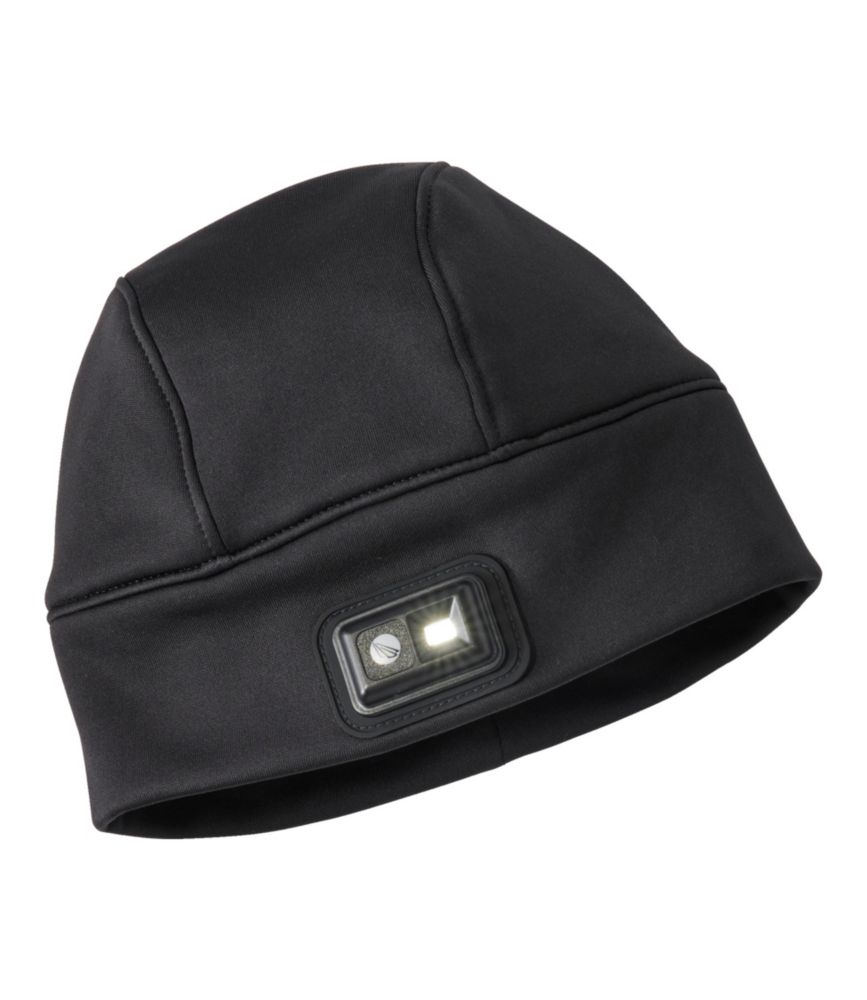
Adults' Pathfinder II Rechargeable Beanie
L.L.Bean Adults' Pathfinder II Rechargeable Beanie
A black synthetic fleece beanie with built-in rechargeable LED light, moisture-wicking lining, and water resistance.
(0)
$39.95 $39.95
SALE
$39.95 $39.95
SALE
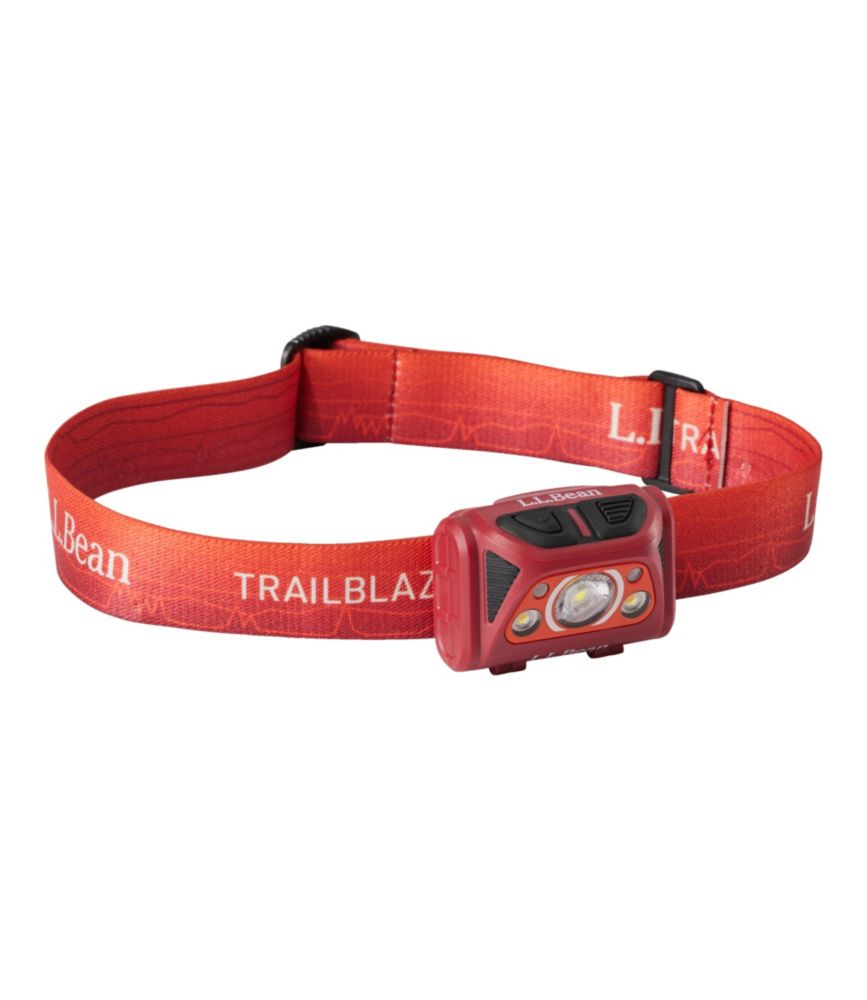
L.L.Bean Trailblazer 700 Rechargeable Headlamp
L.L.Bean L.L.Bean Trailblazer 700 Rechargeable Headlamp
A deep red, 700-lumen headlamp with dual fuel technology and 100% waterproof construction for versatile outdoor use.
(0)
$54.95 $54.95
SALE
$54.95 $54.95
SALE
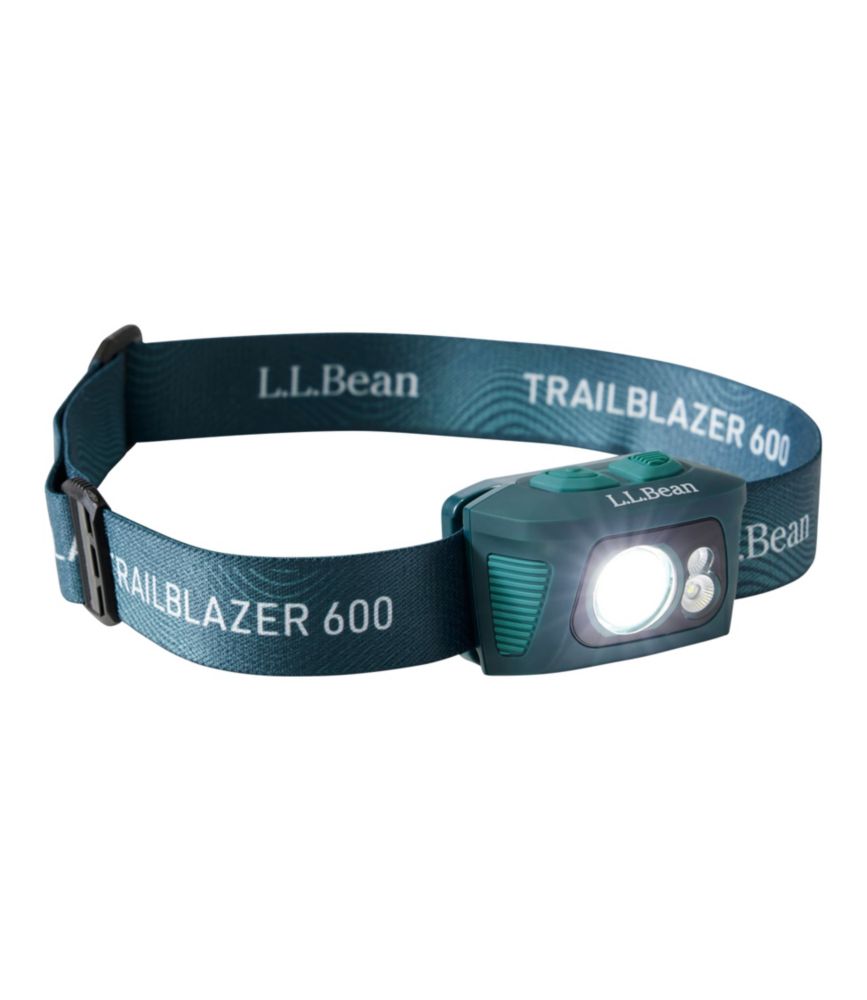
Trailblazer 600 Headlamp
L.L.Bean Trailblazer 600 Headlamp
A versatile green headlamp with six modes, 600 lumens, water resistance, and rechargeable or AAA battery options.
(0)
$44.95 $44.95
SALE
$44.95 $44.95
SALE

USB Headlamps

USB headlamps bring a familiar connection type into the choice of a head-worn light, giving shoppers a useful starting point for comparing outdoor essentials. The USB designation is one part of that choice, not a complete description of the headlamp or everything needed to connect it. USB connections come in different forms, so the port, cable ends, and manufacturer’s directions deserve a closer look before making a selection. A cable that connects to one device may not connect to another, even when both are described as USB. Rather than assuming that a cord already tucked into a drawer will be the right match, compare the stated connection with the equipment already at home. Picture the place where personal electronics are kept: a small shelf beside the door, a basket on a desk, or a designated spot in a gear cabinet. Knowing which cables belong there, which connections they have, and how they are labeled can make the choice more straightforward. Check the description for what is included, too, rather than treating a pictured cable or accessory as confirmation of the package contents. The distinction between a cable and a power source is worth keeping in mind; having one does not necessarily mean having everything specified in the directions. For a USB headlamp, the most useful starting point is clear information about its connection requirements and how those requirements fit an existing routine. That approach keeps the comparison grounded in details instead of assumptions. It also gives the USB designation its proper place: an important part of the description, alongside the individual headlamp’s fit, construction, and care information, rather than a promise that every option works the same way.

Choosing among USB headlamps also involves the personal details that are easy to overlook when browsing photographs. Fit is individual, and a product image cannot establish how something will feel when worn. Look for the manufacturer’s sizing and adjustment information, and use any stated measurements rather than judging proportions from the photograph alone. Someone who already owns a headlamp may have a clear sense of the shape and arrangement they prefer; someone choosing a first headlamp may benefit from taking a little more time with those details. Neither shopper needs to treat the most elaborate description as the best match. A more useful comparison starts with personal preferences and checks them against the information supplied for each option. Materials and construction deserve the same careful reading. Refer to the listed composition and component descriptions rather than assuming that similar-looking headlamps are made alike. Appearance alone is not a reliable measure of durability, and the USB designation does not establish how a headlamp should be handled, cleaned, or stored. Care directions are therefore part of the selection, not something to leave until later. Before choosing, consider whether the stated care routine is one that will be followed consistently. Afterward, keep the instructions somewhere accessible, along with any connection information that may be needed again. A labeled compartment or small organizer can help keep the corresponding cable and paperwork together without relying on memory. If a household has several similar cords, a simple label can distinguish them while leaving the manufacturer’s markings visible. These are modest habits, but they keep ownership centered on the directions for the actual headlamp rather than general advice borrowed from a different device. For intended use, look to the individual description and its stated limitations instead of extending a claim from one headlamp to the entire category. Shoppers interested in another category can also explore Running Headlamps, while continuing to compare the details of each option on its own terms.

A USB headlamp can also be a thoughtful gift when the recipient has asked for one or has shared clear preferences about their outdoor equipment. The best starting point is what that person actually wants, not a guess based solely on an interest in spending time outside. Someone may prefer to keep the same USB connection across their electronics, have a particular fit preference, or already have an established place for organizing personal gear. Asking about those details need not take away the thoughtfulness of the gift; it can show attention to the small things that matter to its recipient. For a partner, friend, or family member, a brief conversation about the connections they already use may be more valuable than choosing by appearance alone. If the gift is intended to replace an older headlamp, avoid assuming that familiarity with the previous one carries over to a different design. Connection requirements, fit information, and care directions should still be checked independently. Keep any supplied instructions with the gift so the recipient has the original information from the start. For personal purchases, that same attention helps distinguish a considered choice from a collection of appealing details that do not necessarily match everyday preferences. Begin with the USB connection, then give equal attention to the information that explains the headlamp as a whole. Read the description alongside the specifications, review what comes with it, and resolve any unclear requirement before deciding. When comparing several options, keeping a short record of their stated connections and fit details can be more useful than trying to remember each photograph. There is no need to assume that one design is right for every person or that a shared category name makes all headlamps interchangeable. A well-considered selection reflects the person who will own it, the equipment they already have, and the directions they are prepared to follow. With those details in view, browsing USB headlamps becomes a more personal, practical process—one focused on finding an outdoor essential that belongs among the things its owner has chosen with care.
Read More

FAQs