It's time to upgrade your browser

Your current browser is no longer supported on llbean.com. Please upgrade to one of the following for a smoother, safer shopping experience with us:

Headlamps For Hiking

Browse headlamps for hiking and compare options for your next outing. Check each model’s listed brightness, battery requirements and fit details to help choose the right headlamp for your hiking plans.
Read More
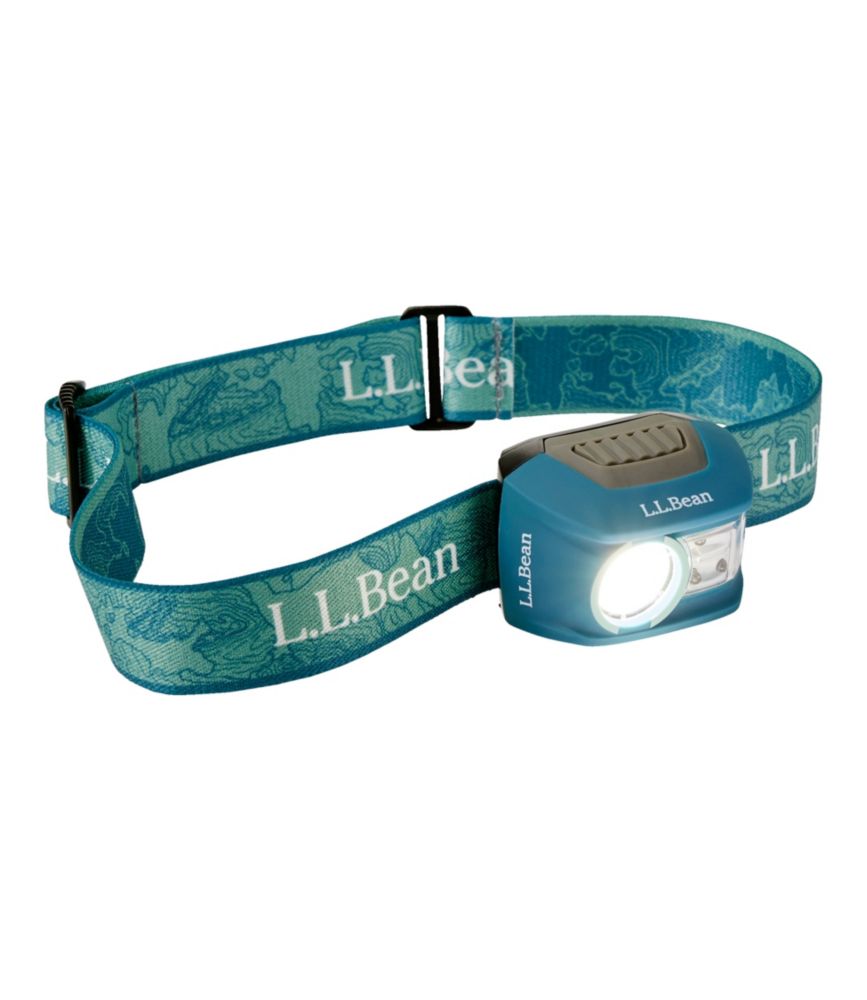
L.L.Bean Trailblazer 250 Headlamp
L.L.Bean L.L.Bean Trailblazer 250 Headlamp
A blue 250-lumen headlamp with red night-vision mode, 90° tilt, 46-hour runtime and IPX4 water resistance.
(288)
$32.95 $32.95
SALE
$32.95 $32.95
SALE
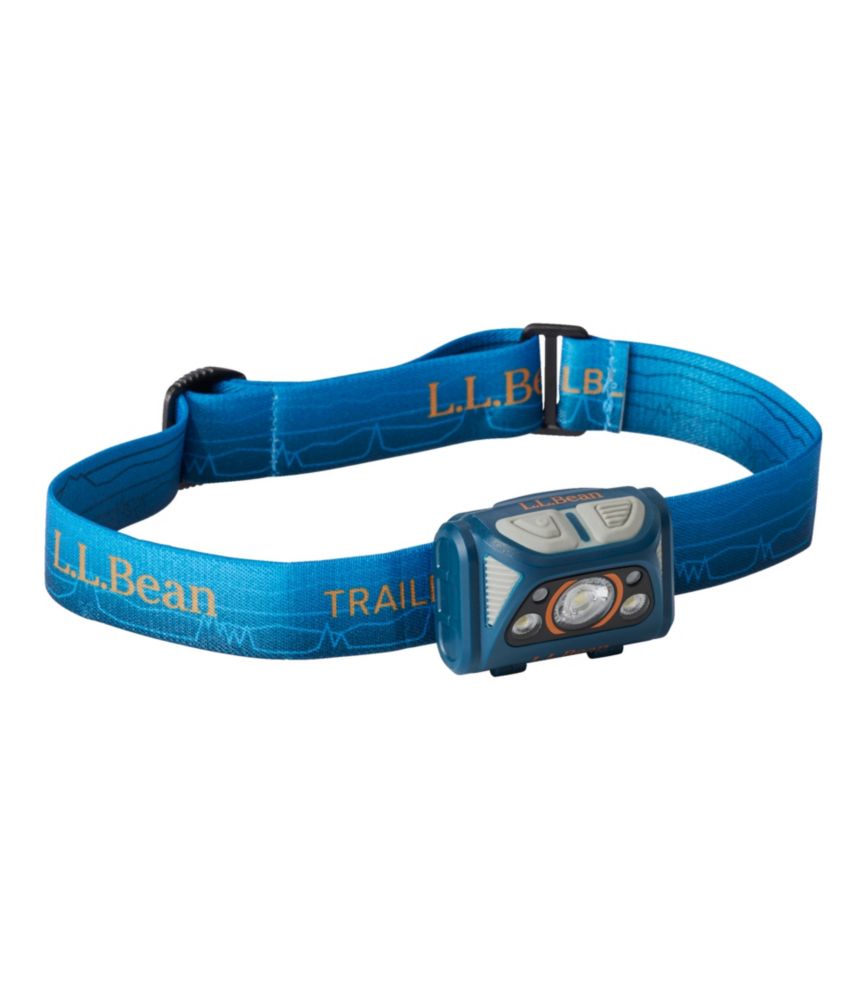
L.L.Bean Trailblazer 700 Rechargeable Headlamp
L.L.Bean L.L.Bean Trailblazer 700 Rechargeable Headlamp
A blue rechargeable headlamp delivering 700 lumens, with seven modes and waterproof construction for reliable illumination.
(0)
$54.95 $54.95
SALE
$54.95 $54.95
SALE
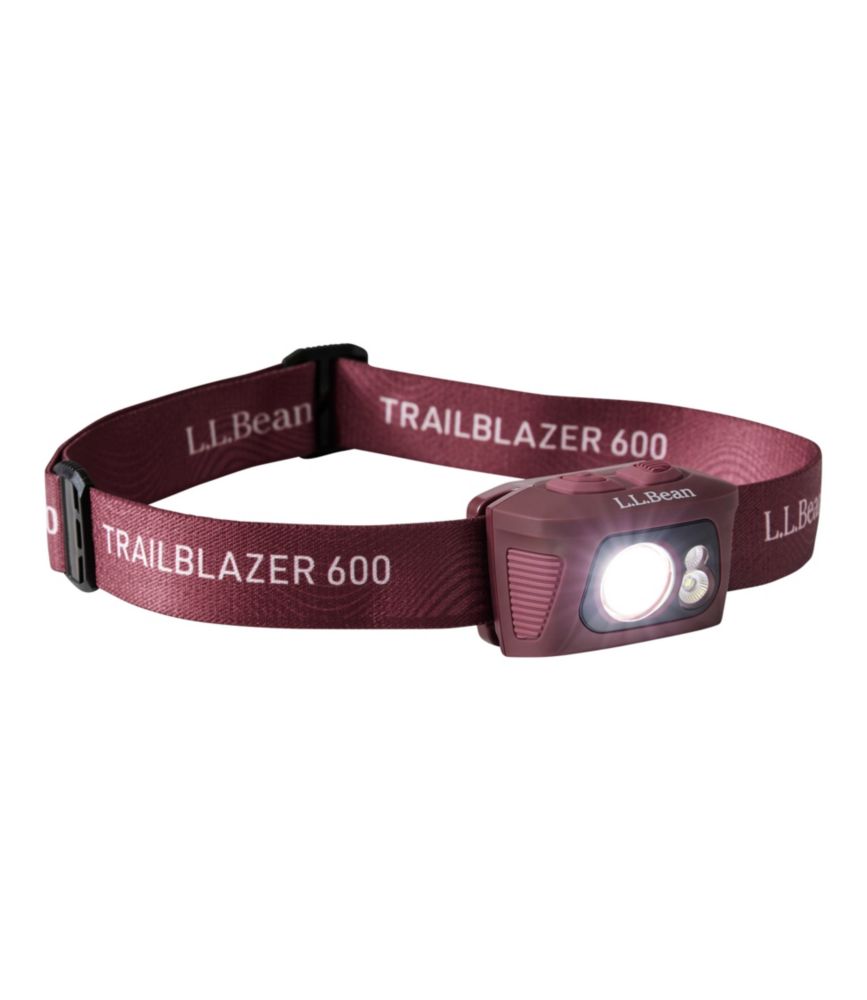
Trailblazer 600 Headlamp
L.L.Bean Trailblazer 600 Headlamp
A red, 600-lumen headlamp with six modes, red night vision, rechargeable power, and a tilting body.
(0)
$44.95 $44.95
SALE
$44.95 $44.95
SALE

Headlamps For Hiking

Headlamps for hiking are worth choosing with the same thought that goes into the hike itself: the route, the distance and the kind of experience someone enjoys outside. A familiar woodland loop, a winding climb with friends and a longer outing with plenty of stops each have their own rhythm. The right choice begins with those personal habits rather than a single specification or a particular appearance. Some hikers enjoy comparing every detail of their equipment; others appreciate a straightforward description that makes the differences easy to understand. This collection brings the focus to hiking, with individual product information providing the details needed for a closer comparison. Fit, dimensions, listed weight and care requirements are useful considerations alongside personal preferences about design. A headlamp is also a personal purchase, even for people who regularly hike together. Two friends can share a favorite trail and still have different preferences about how their gear feels, how they organize it and which details matter most. For someone who heads out often, familiarity with the equipment already in their routine can help clarify those preferences. For someone beginning to hike more regularly, clearly explained specifications can make the selection feel more approachable. There is no need to approach the choice as a competition over the largest number or the longest feature list. What matters is understanding the individual item and how it relates to the hiking someone actually enjoys. Picture the familiar moments around an outing: gathering at the trailhead, checking the route, pausing where the path opens to a view and comparing notes afterward. Those ordinary details give the purchase context. They also keep the emphasis where it belongs—on time outside, shared experiences and equipment selected with care, rather than on features that may have little relevance to a particular hiker.

The details in an individual listing provide a more useful basis for comparison than photographs alone. Fit information deserves attention because a product’s appearance cannot establish how it will sit on a particular person. Where measurements, adjustment information or sizing guidance are provided, those details can help make the choice more informed. Listed weight and dimensions are separate considerations, too; a compact appearance does not tell the whole story about either. For technical comparisons, brightness expressed in lumens, beam descriptions, power requirements and stated operating times represent different pieces of information. Reading them together, along with any conditions attached to the specifications, offers more context than treating one figure as a complete description. A stated operating time, for example, needs to be understood in relation to the setting and test conditions identified by the manufacturer. Power information is another detail to review at the individual-product level, including what is required, what is included and what preparation the manufacturer recommends. These are practical distinctions for shoppers who prefer to understand an item before bringing it into their hiking routine. Material and construction descriptions can also inform a comparison without relying on assumptions drawn from surface appearance. Specific material names, component details and maintenance directions are more useful than broad impressions about how substantial something looks. Durability is a consideration for long-term ownership, but appearance alone is not evidence of it; the product’s documented construction and intended use provide a better starting point. Care belongs in that same conversation. Cleaning, drying, storage and power-related precautions should follow the instructions supplied with the individual item, rather than a general routine borrowed from other equipment. Keeping those instructions accessible makes it easier to revisit a detail later. For hikers who value a well-organized approach, understanding these ownership requirements can be just as relevant as comparing specifications before the purchase.

A hiking headlamp can also be a thoughtful gift when the choice reflects the recipient’s interests and preferences. The friend who remembers every turn on a favorite route, the relative who brings everyone together for a weekend hike and the partner who enjoys exploring unfamiliar trails may all appreciate the thought behind hiking-related gear. The most personal choice comes from paying attention to what that person already values. A conversation about a recent hike might reveal more than a guess based on appearance: perhaps the recipient likes to examine product details carefully, prefers a particular arrangement of controls or has clear opinions about fit. Those preferences are useful clues, not reasons to assume that every hiker wants the same thing. When fit or operation matters to the recipient, involving them in the selection can be part of the gift itself. Comparing descriptions together leaves room for their experience and makes the gesture feel considered rather than generic. For a household with several hikers, individual preferences remain important even when outings are shared. Each person can have a different relationship with their equipment, from the way they check it before leaving to the details they notice afterward. If the recipient’s interests extend to a different activity, the separate Headlamp For Climbing page offers another place to browse without treating the two activities as interchangeable. Here, hiking remains the focus, whether the purchase marks a personal interest, supports an established routine or celebrates time spent together on the trail. A considered selection does not need an elaborate occasion. It can simply reflect an understanding of someone who enjoys being outside. Clear product information, attention to personal preferences and realistic expectations give that choice a sound foundation, leaving the hike—and the people sharing it—as the most memorable part.
Read More

FAQs