It's time to upgrade your browser

Your current browser is no longer supported on llbean.com. Please upgrade to one of the following for a smoother, safer shopping experience with us:

Running Headlamps

Find running headlamps for your running routine, with individual product details to help guide your choice. As you compare options, check light output, battery requirements and fit information to choose the headlamp that best matches your preferences.
Read More
L.L.Bean Trailblazer 700 Rechargeable Headlamp
L.L.Bean L.L.Bean Trailblazer 700 Rechargeable Headlamp
A deep red, 700-lumen headlamp with dual fuel technology and 100% waterproof construction for versatile outdoor use.
(0)
$54.95 $54.95
SALE
$54.95 $54.95
SALE
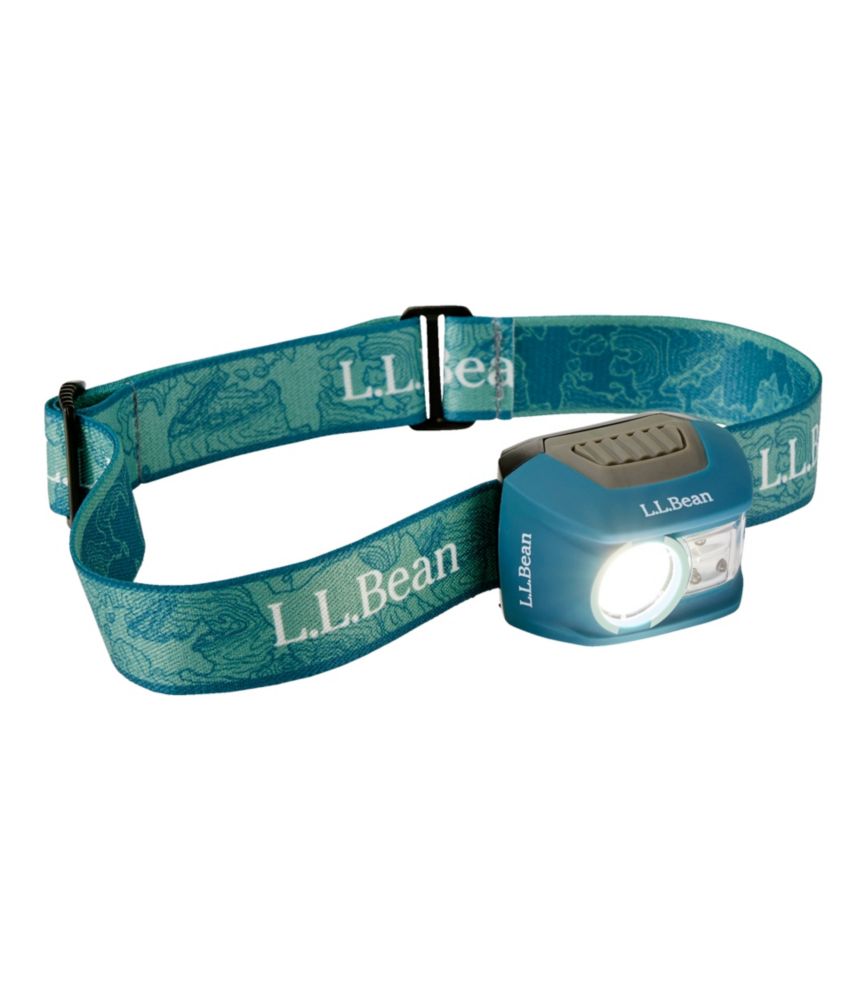
L.L.Bean Trailblazer 250 Headlamp
L.L.Bean L.L.Bean Trailblazer 250 Headlamp
A 250-lumen headlamp with red mode, adjustable strap, and IPX4 water resistance in mallard teal.
(288)
$32.95 $32.95
SALE
$32.95 $32.95
SALE
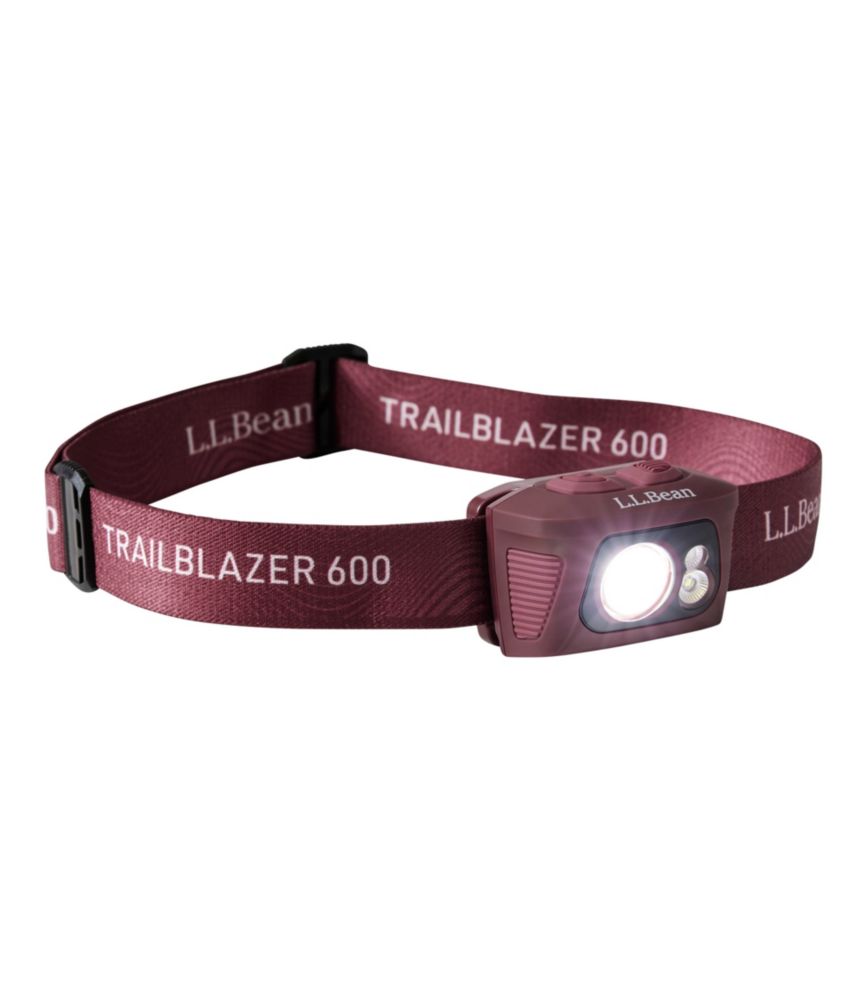
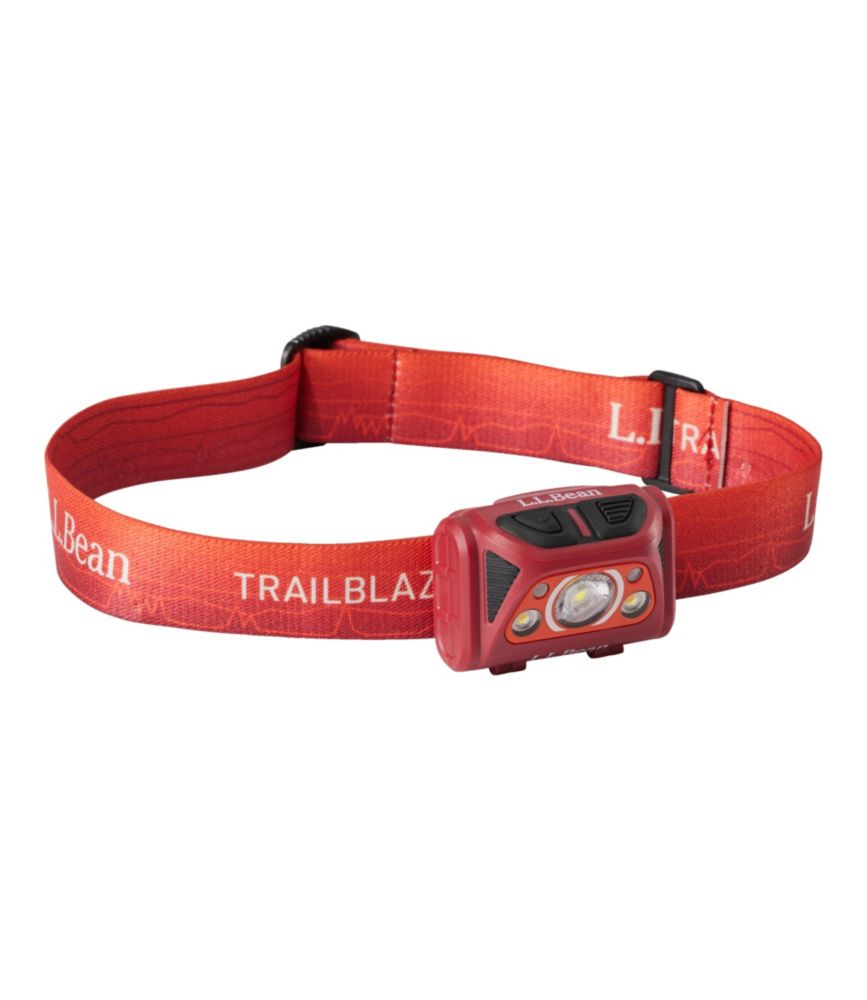
Trailblazer 600 Headlamp
L.L.Bean Trailblazer 600 Headlamp
A versatile red headlamp with six modes, 600 lumens output, and water-resistant, drop-proof construction.
(0)
$44.95 $44.95
SALE
$44.95 $44.95
SALE
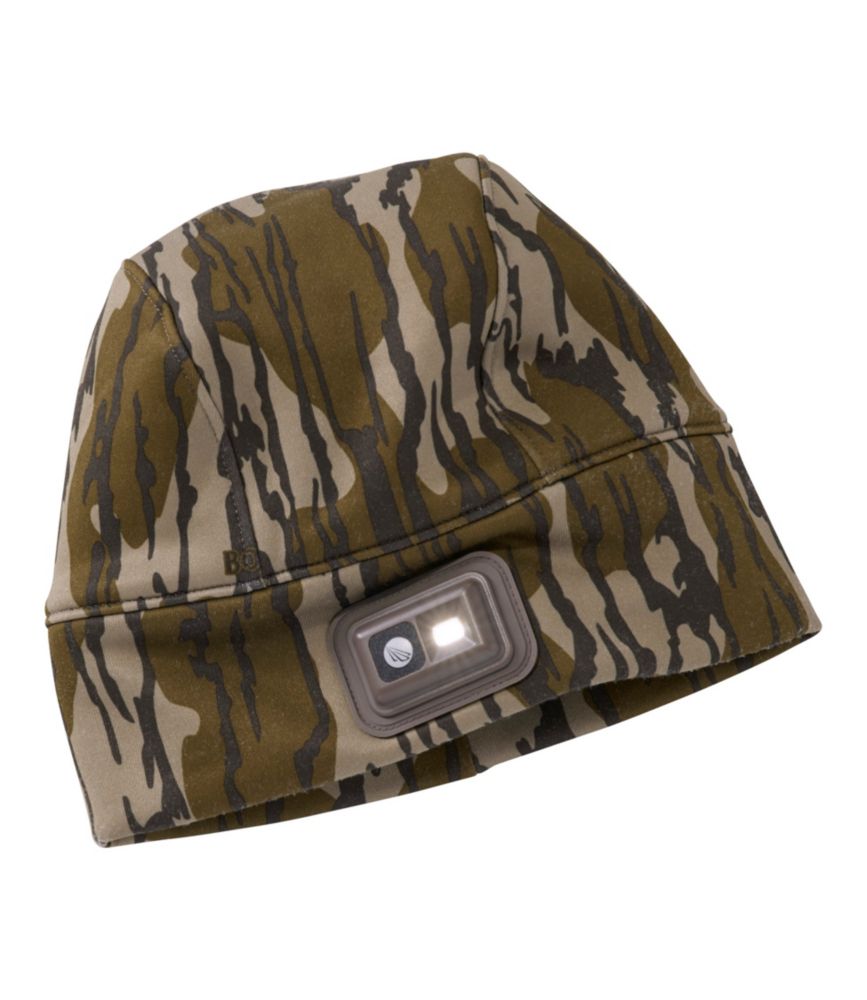
Adults' Pathfinder II Rechargeable Beanie, Camo
L.L.Bean Adults' Pathfinder II Rechargeable Beanie, Camo
A camo-patterned synthetic fleece beanie with built-in rechargeable LED light and moisture-wicking lining.
(0)
$39.95 $39.95
SALE
$39.95 $39.95
SALE

Running Headlamps

Running headlamps are a personal part of a running setup, chosen with the same attention to routine and preference that goes into the rest of a runner’s gear. A few familiar miles before the household gets busy, an evening outing with a neighborhood group, or a longer run planned around time with friends can each shape what someone wants to compare. The starting point is the running itself: where it happens, how long it usually lasts, and which details matter most to the person heading out. Rather than treating one specification as the deciding factor, it helps to look at the full product description. Brightness, beam pattern, weight, battery requirements, and stated operating times are useful comparison points when provided for an individual headlamp. A brightness number alone is not a complete description, and a maximum output figure should be considered alongside the setting and operating time associated with it. Product photos can add another layer of information, showing the placement of controls, the shape of the lamp housing, and the arrangement of the band. Those details give shoppers more to work with than a headline specification or a single image. For someone building a running routine, the goal is a thoughtful match rather than a long list of features. For an experienced runner replacing familiar equipment, the comparison may start with the details they already appreciate and the ones they would prefer to change. Both approaches leave room for personal preference. Running can mean a quiet stretch of time alone or a standing invitation to meet a friend at the same corner, and equipment choices often reflect those habits. A collection of running headlamps provides a place to consider the options together, with attention to the qualities that matter to the runner rather than the assumption that everyone needs the same design.

Fit deserves a close look because a headlamp is something a runner wears, not simply something tucked into a gear bag. Band measurements, adjustment information, and the manufacturer’s fitting directions are more meaningful than judging fit from appearance alone. The way someone wears their hair and the other gear they normally wear on their head are also worth considering when reviewing a design. A runner who has strong preferences about headwear may want to pay particular attention to the band layout and the position of each component. Weight is another useful detail to read carefully, including whether a stated measurement includes the batteries. For another focused comparison, the Lightweight Headlamps page offers a related place to browse. Materials and construction belong in the decision, too, but specific composition should come from the individual product information rather than assumptions about how a band or housing looks. Where details are supplied, they can help explain the parts that touch the head, the components that can be removed, and any replacement options identified by the manufacturer. Care instructions are equally relevant to ownership. Cleaning directions for a band may differ from those for the lamp unit, so it is worth checking each rather than treating the whole assembly alike. Battery care, storage directions, and any restrictions on cleaning should also be read as part of the product’s instructions. Durability is best considered through documented construction details and maintenance guidance, not through appearance or broad promises. These are practical considerations for someone whose running gear has a regular place beside the door, as well as someone who keeps a separate bag ready for a weekly group run. The purchase is only one part of the relationship with the equipment; understanding its fit, care, and upkeep helps make the choice more considered from the beginning.

The small details of ownership often become clearer when a shopper pictures an ordinary run rather than an exceptional one. There is the moment of getting ready, the check before leaving, and the return home when equipment gets put away. Battery format and charging instructions, where applicable, belong in that picture. Someone who already follows a regular charging routine may approach the decision differently from someone who prefers to keep replacement batteries with their running gear. Neither preference establishes a universal best choice; the relevant information is the power source specified for the headlamp and the steps required to maintain it. Likewise, control layout is worth examining in product photos and descriptions, with attention to how the manufacturer explains changing settings. Any stated operating time should be read together with its associated mode and testing conditions, rather than assumed to apply to every setting. Headlamp selection also remains separate from broader decisions about a running route, traffic, and other precautions; no single piece of equipment replaces those considerations. As a gift, a running headlamp can be a thoughtful choice for a partner, relative, or friend who has expressed an interest in one. The most helpful clues are often specific: a familiar headlamp they want to replace, a preferred battery format, or a fit detail they have mentioned after a run. Those preferences are more useful than guessing from how frequently someone runs or how far they go. A newer runner may appreciate being part of the selection, while a longtime runner may already know exactly which specifications they want to compare. For either, the appeal is in recognizing an activity that matters to them. Choosing running equipment can be an unhurried process of matching clear product information with real habits, whether the next outing is a solo loop or a catch-up with a regular running companion. The right starting point is not the biggest number or the longest feature list, but a clear understanding of the person who will wear it and the details they value.
Read More

FAQs