It's time to upgrade your browser

Your current browser is no longer supported on llbean.com. Please upgrade to one of the following for a smoother, safer shopping experience with us:

Headlamp For Climbing

Find a headlamp for climbing by comparing the options in this selection. Review each product’s lighting specifications, battery requirements and fit details to help narrow your choices before your next climb.
Read More
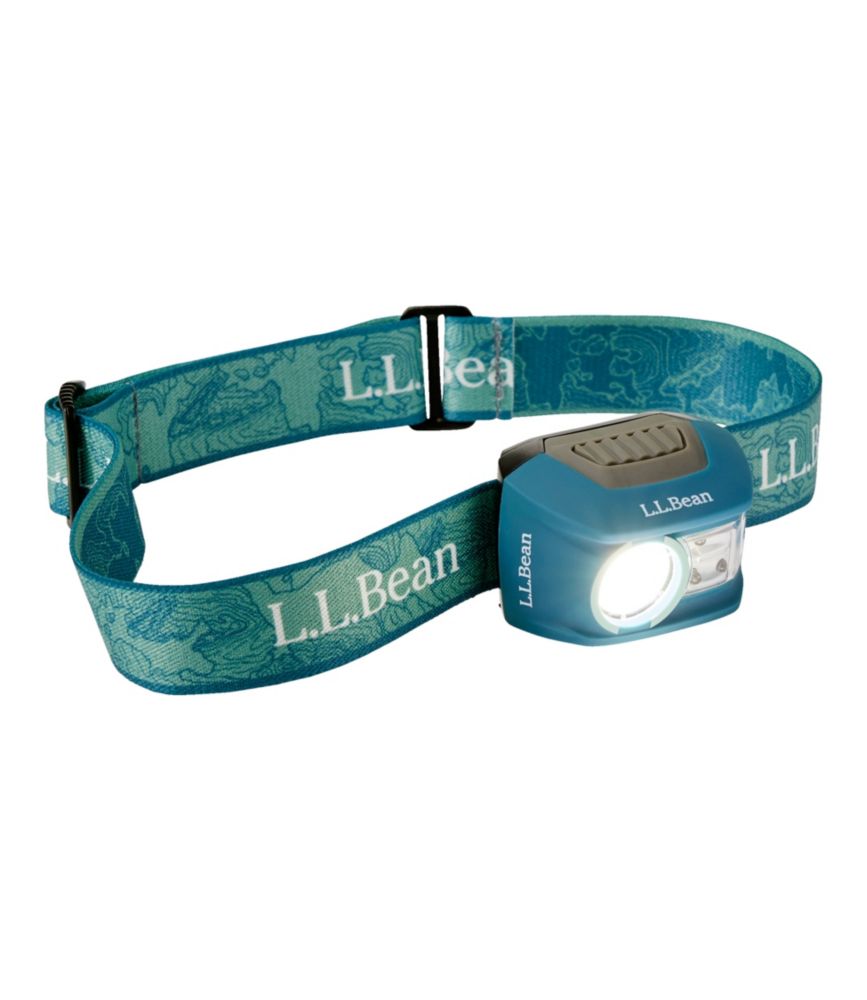
L.L.Bean Trailblazer 250 Headlamp
L.L.Bean L.L.Bean Trailblazer 250 Headlamp
A blue 250-lumen headlamp with red night-vision mode, 90° tilt, 46-hour runtime and IPX4 water resistance.
(288)
$32.95 $32.95
SALE
$32.95 $32.95
SALE
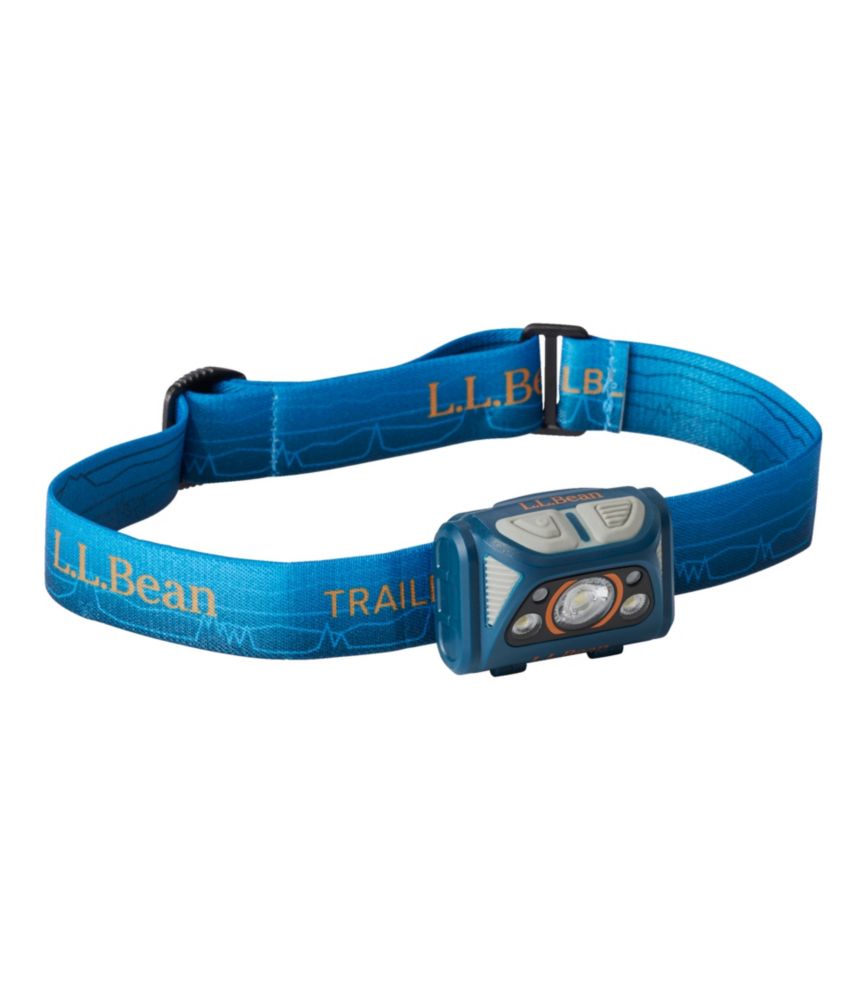
L.L.Bean Trailblazer 700 Rechargeable Headlamp
L.L.Bean L.L.Bean Trailblazer 700 Rechargeable Headlamp
A blue rechargeable headlamp delivering 700 lumens, with seven modes and waterproof construction for reliable illumination.
(0)
$54.95 $54.95
SALE
$54.95 $54.95
SALE
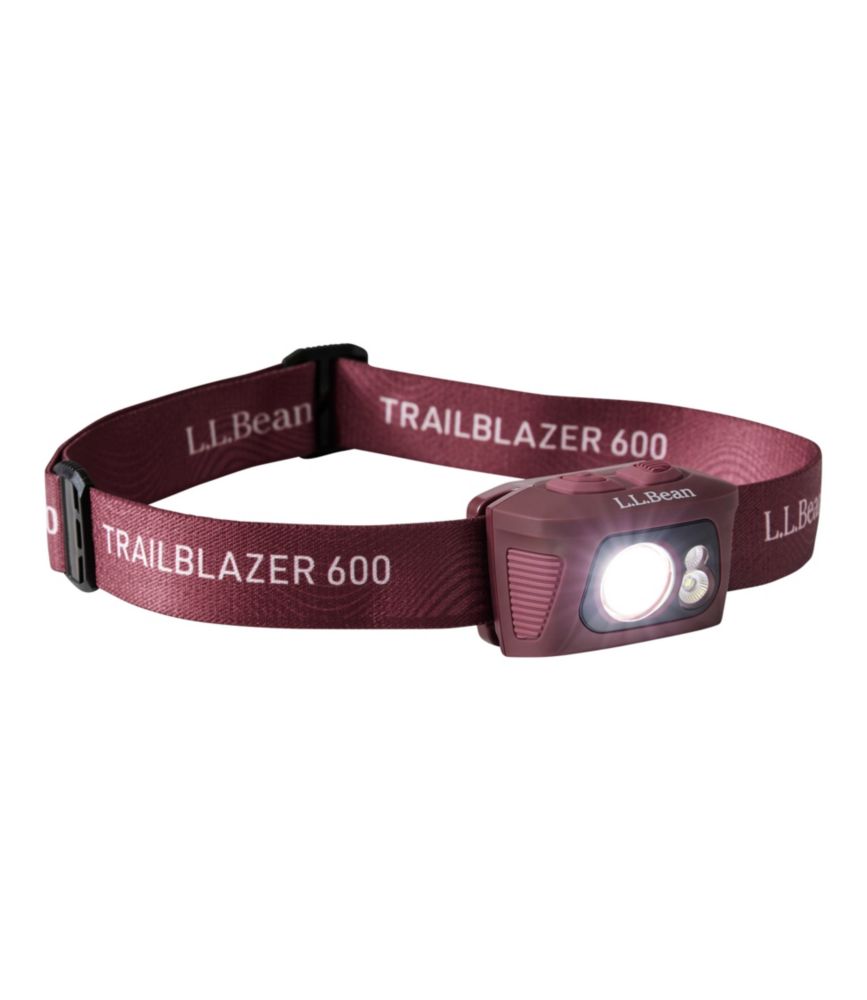
Trailblazer 600 Headlamp
L.L.Bean Trailblazer 600 Headlamp
A red, 600-lumen headlamp with six modes, red night vision, rechargeable power, and a tilting body.
(0)
$44.95 $44.95
SALE
$44.95 $44.95
SALE

Headlamp For Climbing

A headlamp for climbing is a personal piece of equipment, and choosing one starts with the climber, the intended use and the rest of their gear. Someone building a first climbing kit may approach the decision differently from someone replacing a familiar headlamp after years of use. The starting point is the same: look for a stated intended use that matches the climbing planned, then compare the individual product details with personal fit preferences and equipment requirements. Climbing encompasses different settings, routines and levels of experience, so the category name alone is not enough to establish whether a particular choice is appropriate. A climber who regularly wears a helmet has a different fit consideration from someone shopping without one, while a person replacing existing equipment may already know which details they want to keep or change. Those distinctions make a thoughtful comparison more useful than choosing by appearance alone. The small rituals surrounding climbing—laying out a rope, reading a route description and sorting equipment with a partner—offer a helpful picture of how personal a gear setup can become. Each piece has its place, and a headlamp deserves the same consideration as the other equipment on that checklist. For newer climbers, an instructor or experienced climbing partner can help clarify the requirements of the planned activity before a purchase. For experienced climbers, familiarity with an older model can provide a starting point, but it should not replace reading the details of a different design. A recognizable shape or similar-looking attachment does not establish an identical fit. The most useful choice is one supported by the individual listing and suited to the wearer’s actual climbing plans, rather than an imagined version of the activity. That approach keeps the comparison grounded in practical details and leaves room for the preferences that make one person’s equipment setup different from another’s.

Fit deserves particular attention when comparing headlamps for climbing, especially when a helmet is part of the setup. Compatibility should come from the instructions for both pieces of equipment, not from the assumption that anything worn on the head will work together. Where a listing provides measurements, sizing guidance or adjustment information, those details give the comparison a concrete starting point. Consider the exact helmet involved, any manufacturer requirements and the wearer’s established preferences before narrowing the selection. Product photographs can help explain a design, but they do not replace measurements or written compatibility information. The same distinction applies to construction: the individual description is the place to find verified details, rather than inferring them from an image or extending the description of one headlamp to every option in the category. Published dimensions and weight can also help distinguish designs without relying on broad labels or impressions. Technical specifications are most useful when their stated conditions and accompanying explanations are read together; an isolated number rarely tells the whole story of a piece of equipment. Ownership considerations matter alongside that initial comparison. Care, cleaning, storage and maintenance directions should come from the manufacturer for the exact headlamp selected. A routine used for an older design may not be appropriate for its replacement, and a method recommended for another piece of climbing equipment may not apply here. Keeping the instructions with the equipment records makes those details easier to find later. Any listed requirements for replacement components or accessories also belong in the comparison, particularly for someone adding a headlamp to an established kit. After use, attention to the equipment’s condition should follow the manufacturer’s inspection and maintenance guidance. Long-term ownership is about understanding those responsibilities, not assuming every design has the same construction or care needs. These details may be less noticeable than the overall appearance, but they help turn a broad shopping category into a considered personal choice.

A climbing headlamp can also be a thoughtful gift when the recipient’s needs are known. The best starting point is the climber’s own equipment list, including the intended use, helmet model when relevant and any preferences they have already identified. A person taking up climbing may appreciate help selecting equipment, while a longtime climber may have a very specific replacement in mind. Experience alone does not reveal someone’s preferences, and guessing at compatibility can make an otherwise considerate gift less useful. A short conversation about their setup is often more valuable than trying to choose a surprise based on appearance. It can establish whether they are replacing something, completing a kit or looking for a different design, without turning the gift into a complicated project. For a shared gift from family or friends, keeping those details together helps everyone work from the same information. For personal shopping, a similarly focused shortlist makes comparison easier: retain the options whose stated intended use fits the climbing planned, then review fit, measurements, construction details and care requirements side by side. Related categories such as Hiking Headlamps provide another way to browse, while the individual product descriptions remain the source for understanding each option. A category label is a useful starting point, not a substitute for checking the requirements of a particular activity or equipment combination. There is also value in knowing which questions remain unanswered before making a selection. Missing compatibility information, unclear sizing guidance or unfamiliar maintenance directions are reasons to seek clarification rather than fill in the gaps with assumptions. Climbing equipment is chosen for real people with real routines: the friend who carefully records every piece in a kit, the beginner working through an instructor’s checklist or the experienced climber replacing a well-known design. Keeping that person and their plans at the center of the decision makes the shopping process more relevant, more manageable and better connected to the climbing they enjoy.
Read More

FAQs