It's time to upgrade your browser

Your current browser is no longer supported on llbean.com. Please upgrade to one of the following for a smoother, safer shopping experience with us:

Synthetic Hiking Boots

Explore synthetic hiking boots to find a pair that suits your hiking plans. Compare material details, sizing guidance and listed features on each product page to narrow the selection around what matters most to you.
Men's Heritage Hiking Boots, Waterproof
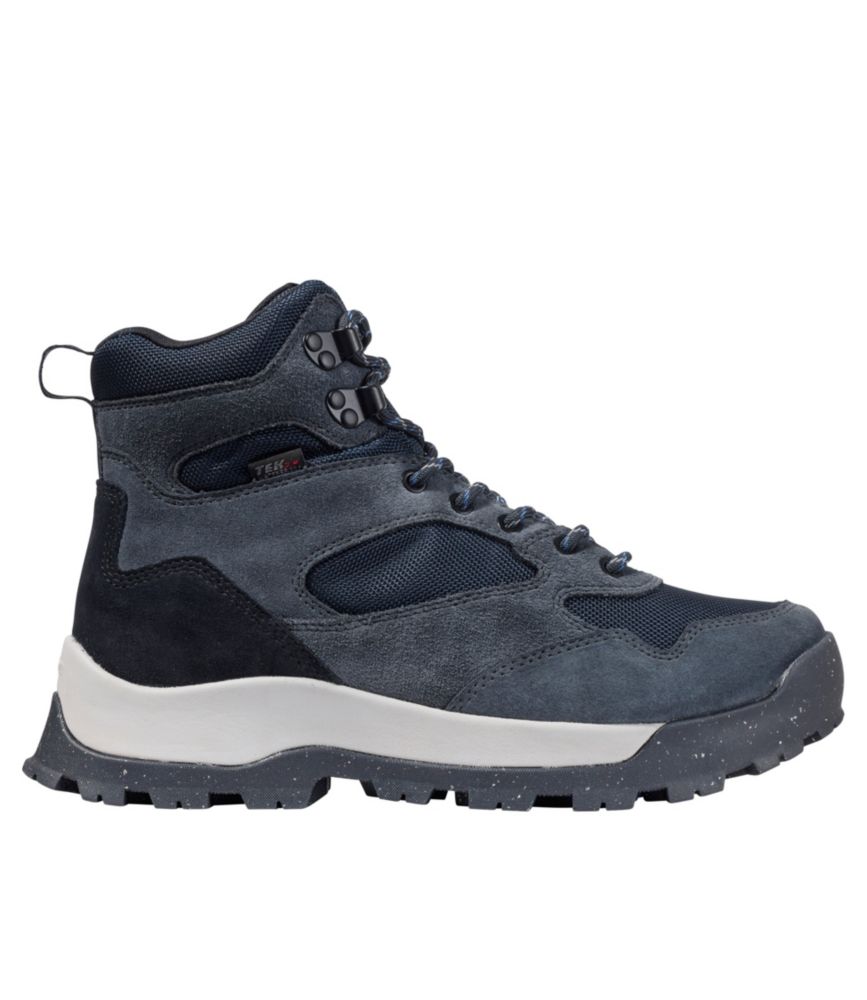
L.L.Bean Men's Heritage Hiking Boots, Waterproof
A gray waterproof hiking boot with suede-and-nylon uppers, grippy traction, and cushioned all-day comfort.
(0)
$150 $99.99
SALE
$150 $99.99
SALE
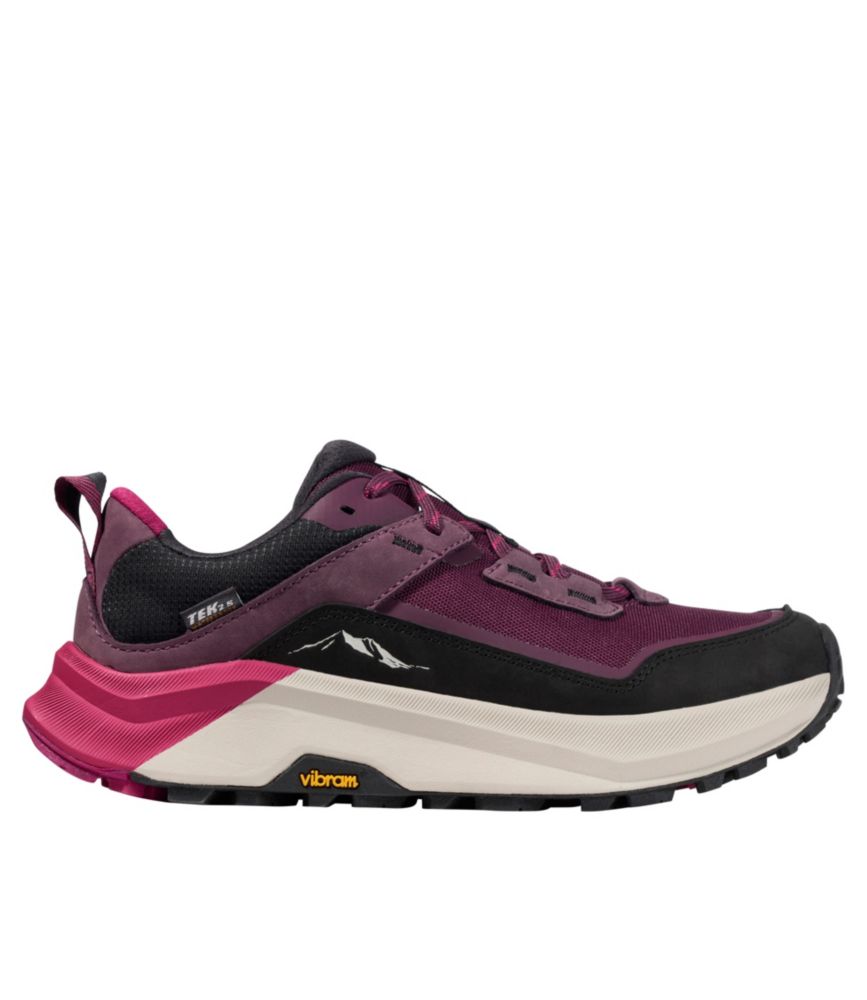
Women's Access Hiking Boots, Waterproof
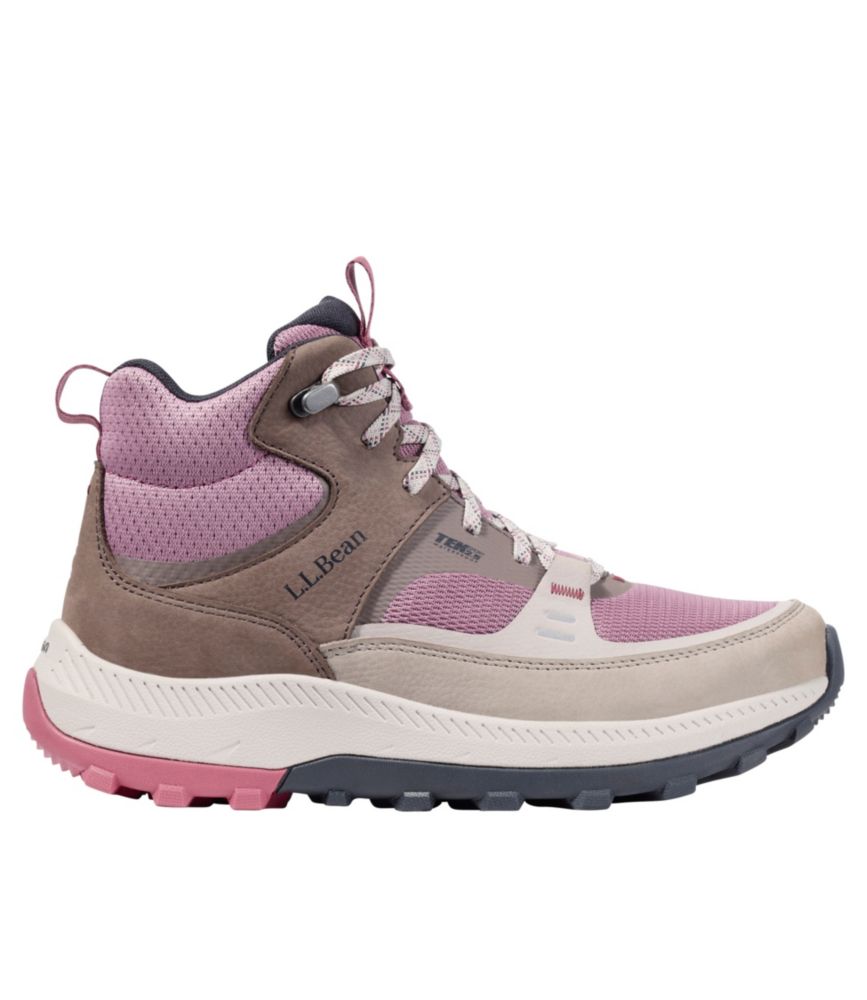
L.L.Bean Women's Access Hiking Boots, Waterproof
A multicolor waterproof hiking boot with recycled mesh, nubuck leather, cushioned support, and grippy rubber traction.
(0)
$150 $150
SALE
$150 $150
SALE
Women's NextVenture Hiking Shoes, Waterproof
L.L.Bean Women's NextVenture Hiking Shoes, Waterproof
A waterproof brown hiking shoe with mesh, leather and rubber construction, cushioned support and Vibram® traction.
(0)
$150 $150
SALE
$150 $150
SALE
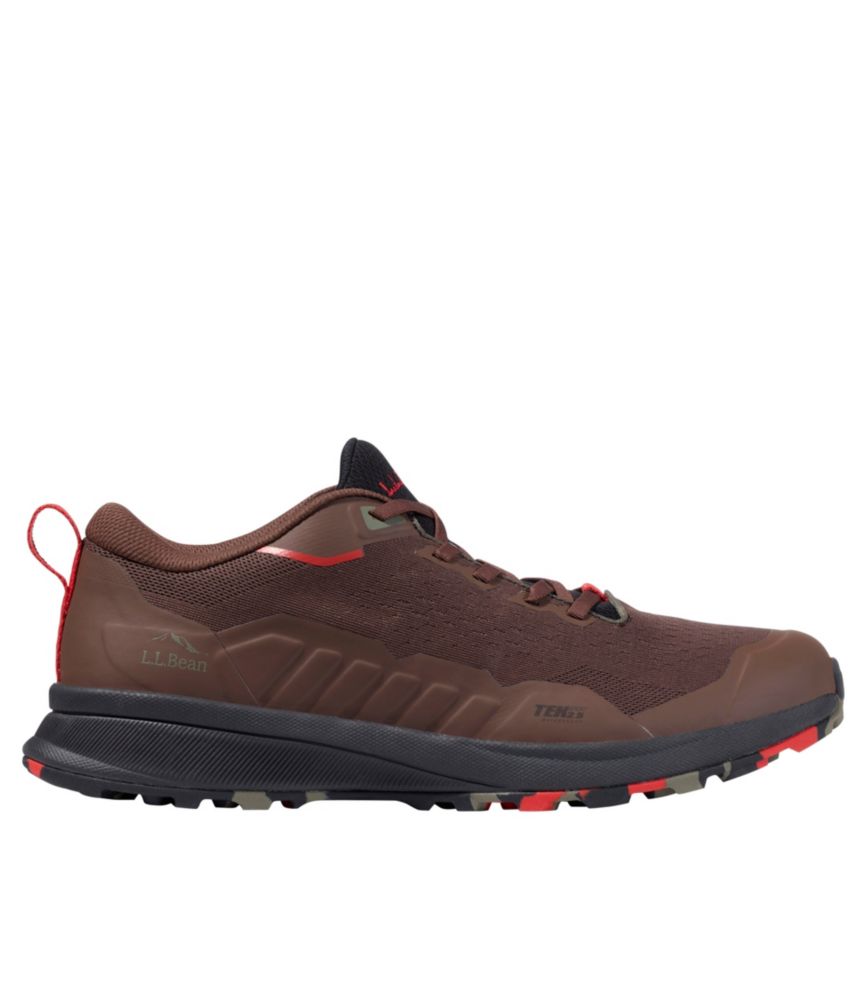
Men's Elevation Trail Shoes, Waterproof
L.L.Bean Men's Elevation Trail Shoes, Waterproof
Lightweight waterproof brown trail shoes with recycled mesh uppers, rock plates, and grippy rubber outsoles.
(0)
$130 $130
SALE
$130 $130
SALE
Kids' Trail Model Hikers, Lace-Free
L.L.Bean Kids' Trail Model Hikers, Lace-Free
A kids’ hiking shoe with gray polyester mesh, waterproof membrane, hook-and-loop closure, and grippy outsoles.
(0)
$89.95 $89.95
SALE
$89.95 $89.95
SALE
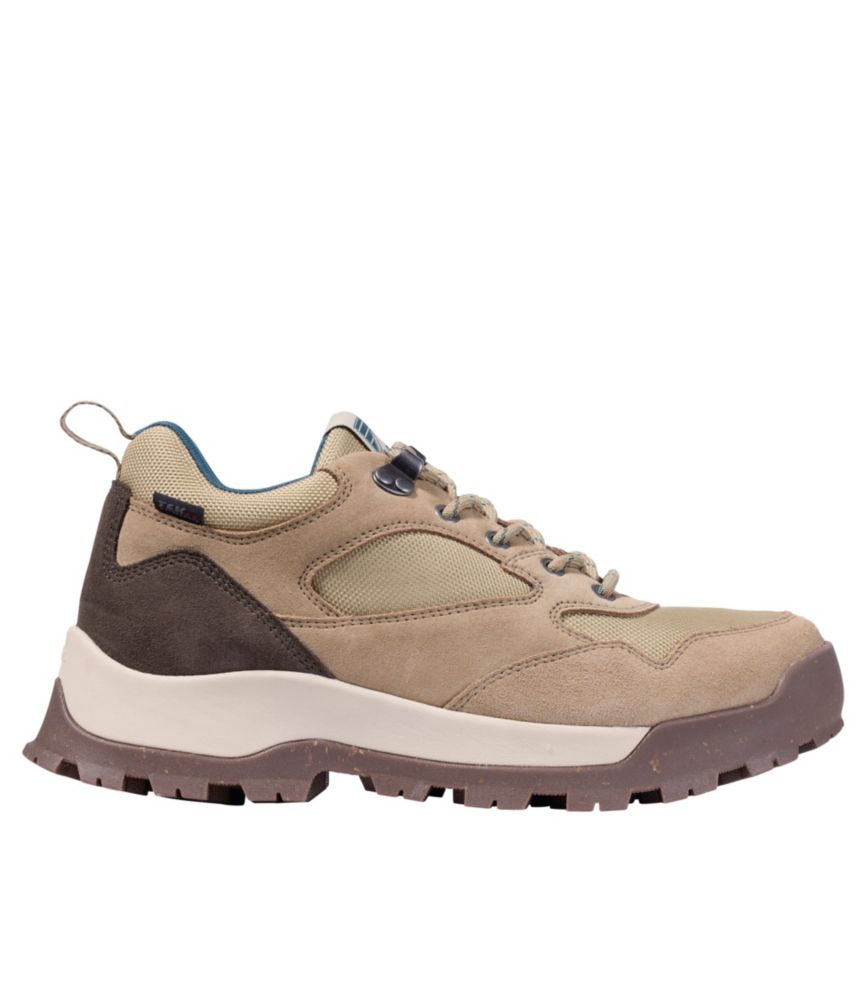
Men's Heritage Hiking Shoes, Waterproof
L.L.Bean Men's Heritage Hiking Shoes, Waterproof
Waterproof tan hiking shoes with suede-and-nylon uppers, cushioned insoles, and grippy rubber outsoles for trail traction.
(0)
$140 $94.99
SALE
$140 $94.99
SALE
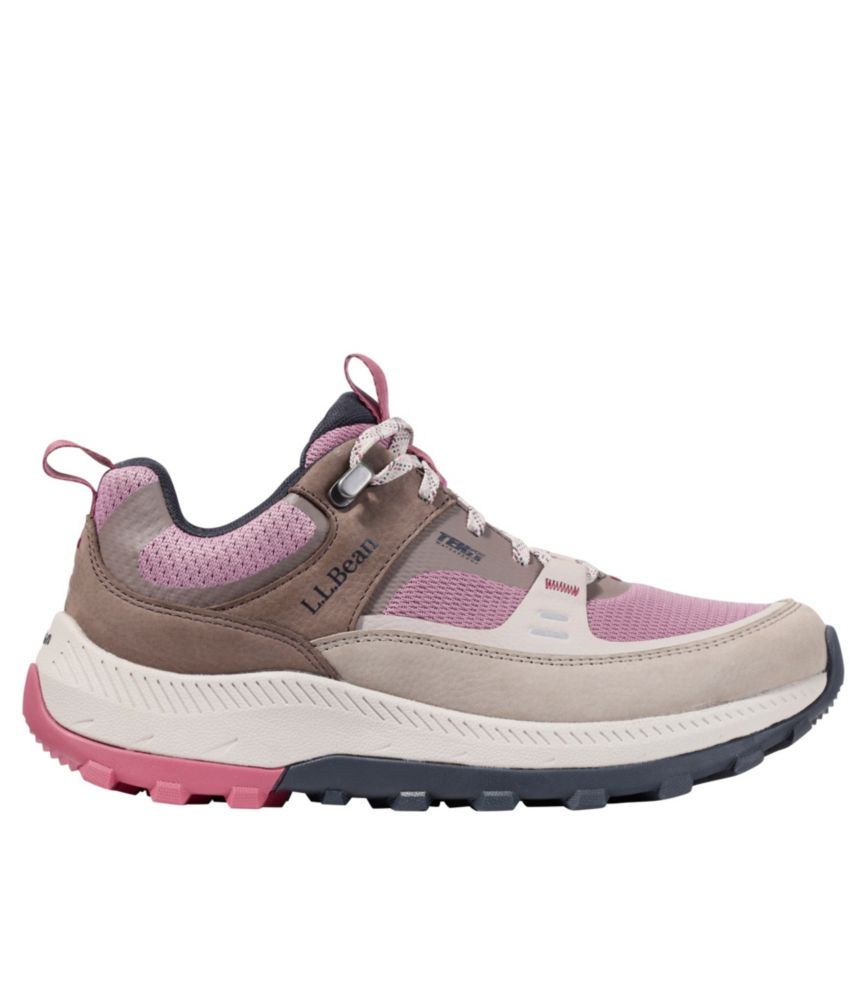
Women's Access Hiking Shoes, Waterproof
L.L.Bean Women's Access Hiking Shoes, Waterproof
A waterproof multi-color hiking shoe with recycled mesh, nubuck leather, cushioned support and grippy trail traction.
(0)
$140 $140
SALE
$140 $140
SALE
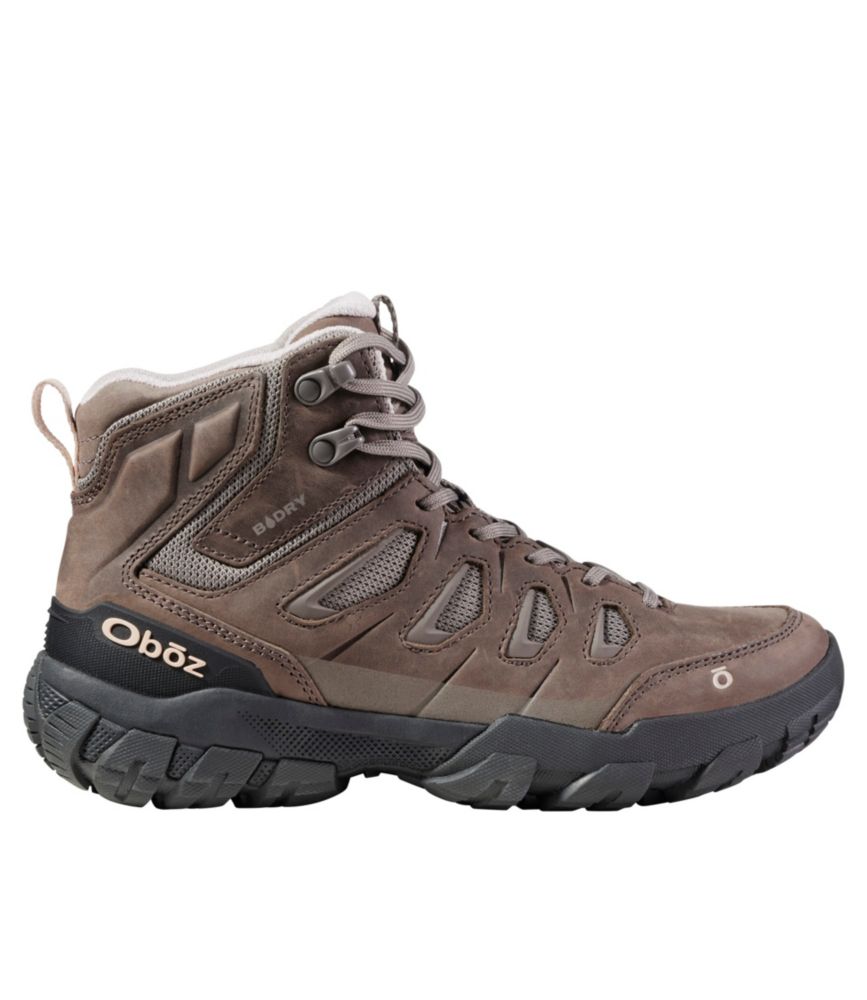
Women's Oboz Sawtooth X B-DRY Hikers, Mid
Oboz Women's Oboz Sawtooth X B-DRY Hikers, Mid
A brown mid-height hiking boot with waterproof lining, nubuck leather, and multidirectional lugs for wet-trail traction.
(100)
$200 $200
SALE
What customers like:
Warm for cold conditions
Snug ankle support
Sturdy construction
Comfortable fit
$200 $200
SALE
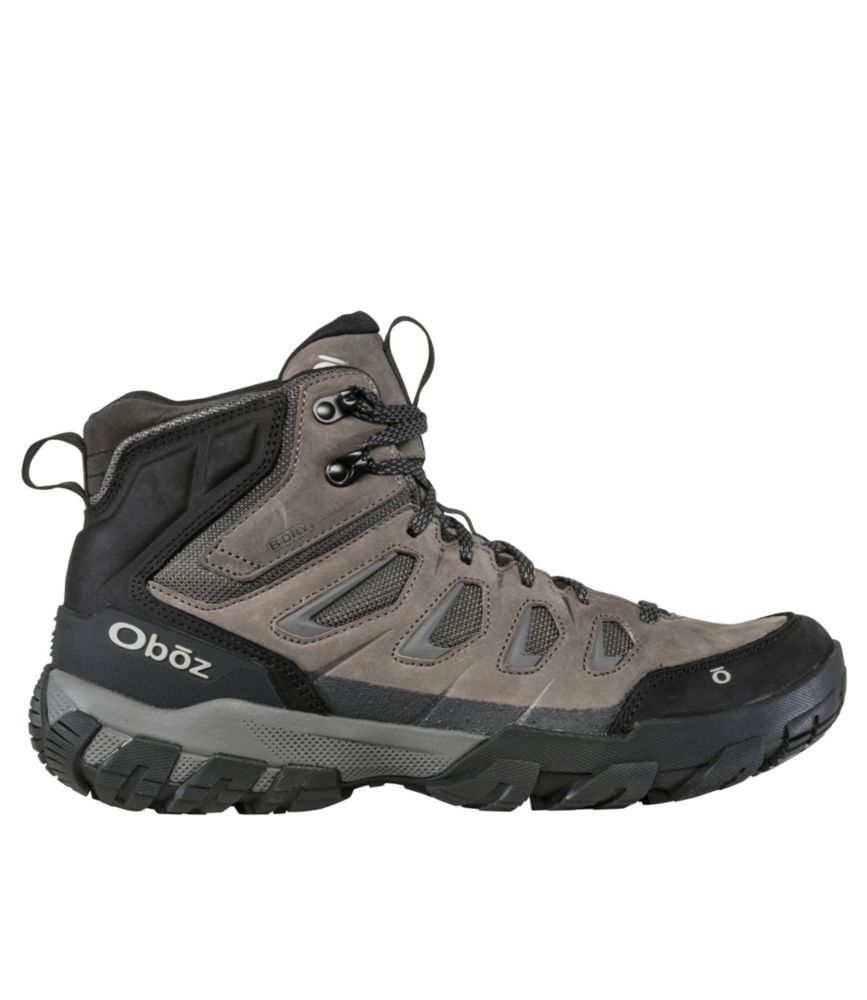
Men's Oboz Sawtooth X B-DRY Hikers, Mid
Oboz Men's Oboz Sawtooth X B-DRY Hikers, Mid
A gray mid-height hiking boot with waterproof lining, nubuck leather, supportive nylon shank, and grippy lugs.
(93)
$200 $200
SALE
What customers like:
Great fitting
Excellent support
High comfort
Reliable traction
Superior quality
$200 $200
SALE
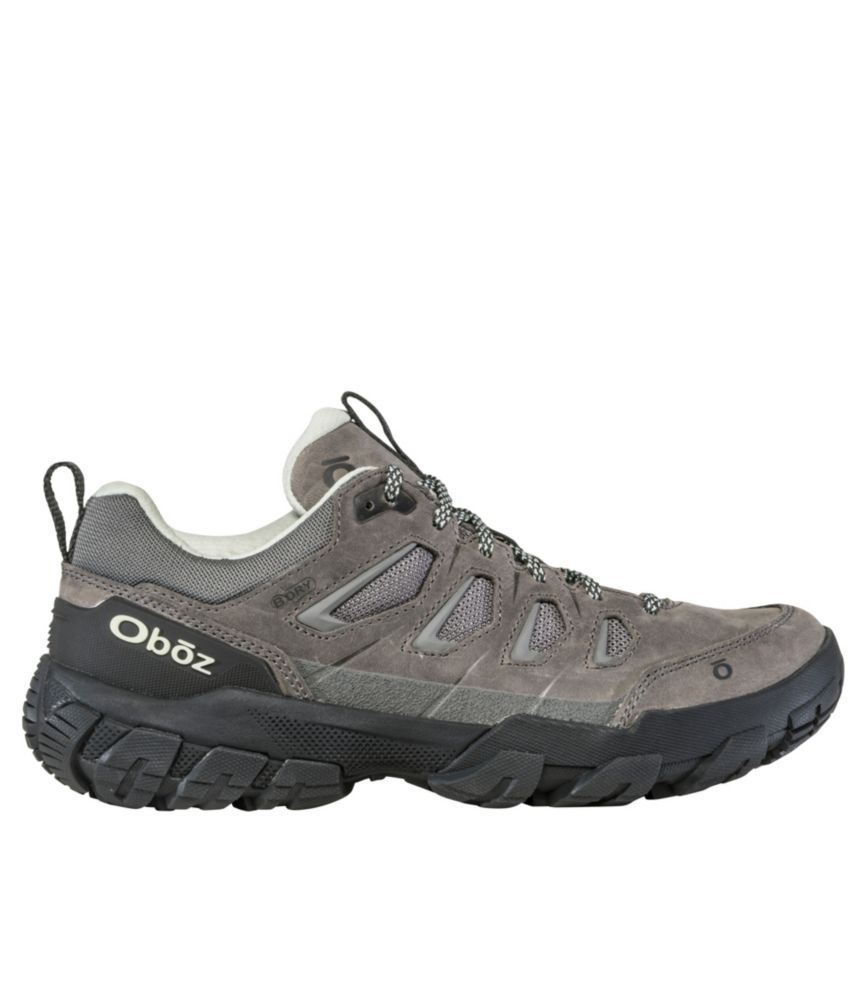
Women's Oboz Sawtooth X B-DRY Hikers, Low
Oboz Women's Oboz Sawtooth X B-DRY Hikers, Low
A gray leather-and-nylon hiking shoe with waterproof B-DRY lining and mud-shedding, wet-grip traction.
(158)
$185 $185
SALE
$185 $185
SALE
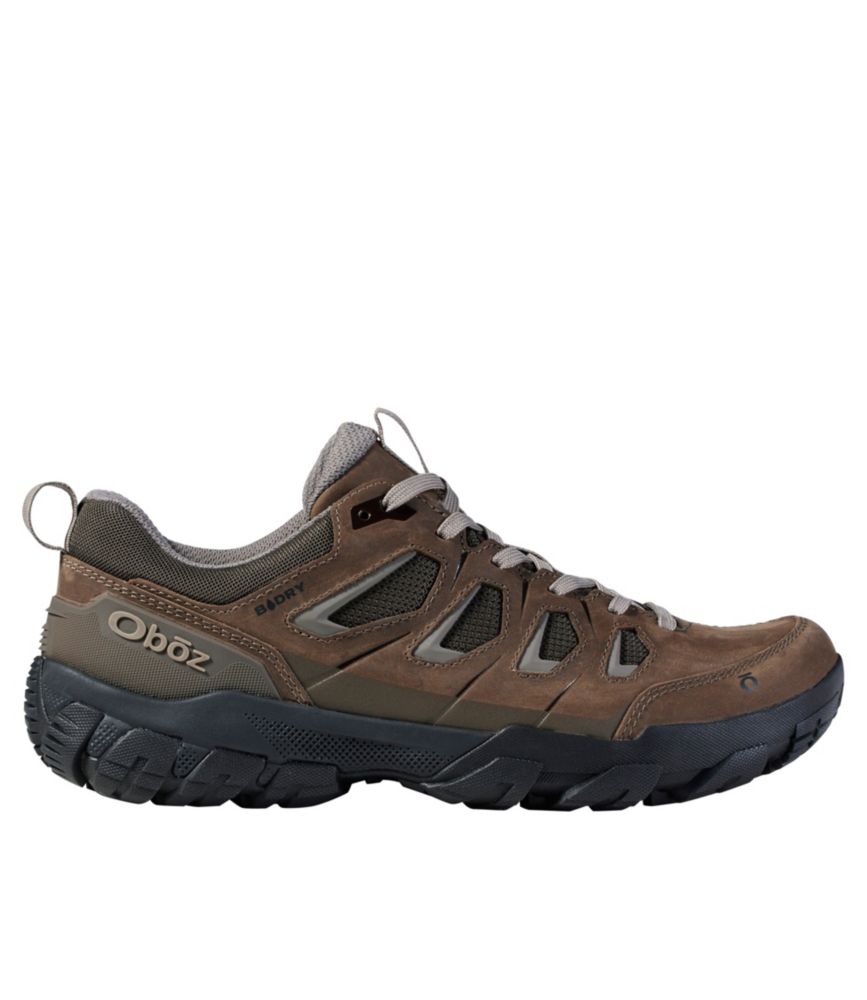
Men's Oboz Sawtooth X B-DRY Hikers, Low
Oboz Men's Oboz Sawtooth X B-DRY Hikers, Low
A brown waterproof hiking shoe with nubuck leather, nylon support, and mud-shedding rubber lugs.
(0)
$185 $185
SALE
$185 $185
SALE
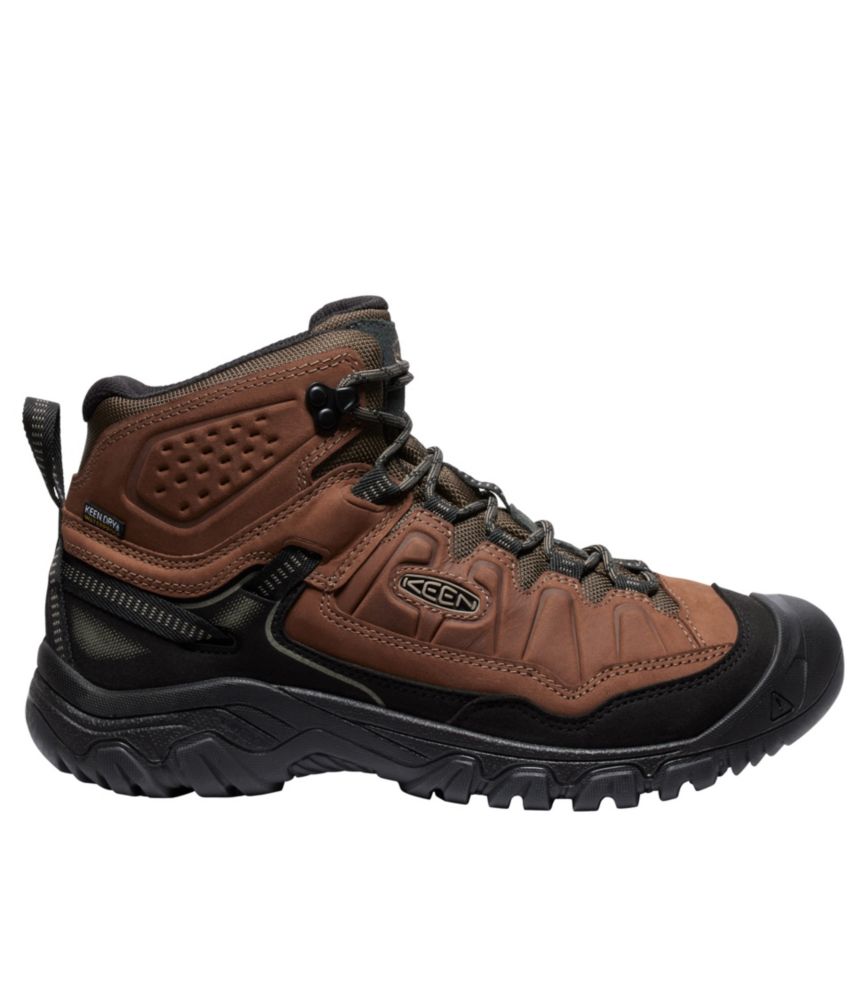
Men's Keen Targhee IV Mid Waterproof Hiking Boots
Keen Men's Keen Targhee IV Mid Waterproof Hiking Boots
A waterproof mid-height hiking boot with a nubuck leather-and-mesh upper, cushioned support, and grippy nonmarking lugs.
(0)
$180 $180
SALE
$180 $180
SALE

Synthetic Hiking Boots

Synthetic hiking boots bring a material-focused choice to a familiar outdoor essential, giving hikers a way to narrow their search while keeping personal fit and style in view. The word synthetic identifies a material category, not a single construction or a promise that every pair will feel the same. Individual descriptions provide the fuller picture, including which parts of the boot use synthetic materials, how the boot is shaped, and what care it requires. Those distinctions matter because choosing hiking footwear is personal: a pair that feels right to one person may not suit someone else, even when both wear the same size. This collection offers a starting point for people who already prefer synthetic footwear, as well as those exploring different approaches to a classic hiking boot. The appeal can be as straightforward as finding an outdoor style that feels like a natural part of an existing wardrobe, rather than something reserved for a completely different version of everyday life. Understated colors, contrasting details, and the overall profile are useful points of comparison wherever they appear in individual descriptions and photographs. Some hikers favor a simple look; others like a more distinctly outdoorsy appearance. Neither preference has to take the place of a careful look at sizing and construction. A boot can look right beside a favorite pair of hiking pants and still need a closer fit assessment before it earns a place by the door. For anyone comparing different styles, Traditional Hiking Boots offer another point of reference. The most meaningful comparison comes from the details of each pair, rather than assumptions about an entire footwear category. Synthetic hiking boots belong in that same thoughtful selection process, with attention to what the description actually says and how those details match the person who will wear them. That leaves room for both practical preferences and the simple pleasure of choosing something for more time outside.

Fit deserves particular attention, whether the next outing is a familiar path with a friend or the first hike on a family calendar. The size printed inside a boot is only part of its fit; the space around the toes, the feel across the top of the foot, and the way the heel sits all contribute to the overall experience. Sizing information and any stated fit notes help make those differences easier to compare. A familiar size can be a sensible starting point, but it should not outweigh how the footwear actually feels. Someone who regularly looks for more room across the forefoot will have different priorities from someone whose heel tends to move in footwear. Preferences can also differ between two people planning exactly the same walk. During an indoor try-on, wearing the socks intended for hiking makes the assessment more relevant than trying boots with whatever happens to be nearby. Standing, taking a few steps, and noticing any pressure can reveal more than a quick seated fitting. Toes should not feel crowded, and discomfort should not be dismissed simply because the size seems correct. If fit guidance includes measurements or a recommendation for a particular shape of foot, those details deserve more weight than appearance alone. Intended use matters, too, but the broad hiking category does not establish suitability for every route or condition. A planned outing might follow a well-known loop through the woods, while another involves unfamiliar terrain and a longer day; the individual boot description remains the place to check the manufacturer's stated use. The same care applies when choosing a gift for someone who enjoys hiking. Knowing a recipient's usual size is helpful, but knowing their fit preferences and the kind of hiking they enjoy is more useful still. Footwear is a personal gift, and leaving room for the recipient to assess the fit keeps the choice centered on their experience rather than a guess.

Care and durability are also best considered at the level of the individual pair, rather than treated as automatic qualities of all synthetic hiking boots. Synthetic is a broad description, so care directions should come from the footwear's own instructions instead of a routine borrowed from another pair. Before choosing, it helps to read those directions and consider how they fit into life at home. A household with several pairs lined up after a family outing may value a clearly understood care routine just as much as someone keeping a single pair ready for weekend plans. Following the specified cleaning, drying, and storage guidance keeps that routine grounded in the actual construction. Any treatment or cleaning product should likewise be checked against the manufacturer's recommendations instead of selected on the assumption that all hiking footwear needs the same attention. Durability is not established by a material label alone. Construction information, care requirements, frequency of wear, and the conditions encountered all deserve consideration when thinking about a pair's place in the years ahead. Looking over footwear between outings also creates an opportunity to notice changes in condition and decide whether it needs attention before the next hike. These are ordinary details, but they connect the purchase to the way hiking really fits into a busy schedule: finding time on a free morning, gathering a few friends, or revisiting a path where the conversation comes easily. Synthetic hiking boots can be considered by newcomers choosing their first hiking footwear and by experienced hikers replacing a familiar pair, without assuming that either group needs one particular look or construction. During the cooler months, the hiking theme alone should not replace a check of the stated conditions and intended use for each pair. Keeping those details in view makes the collection easier to explore with clear expectations. The goal is a considered choice that reflects the wearer's feet, preferences, and plans, with timeless outdoor style as part of the appeal and the individual details as the basis for the decision.

FAQs