It's time to upgrade your browser

Your current browser is no longer supported on llbean.com. Please upgrade to one of the following for a smoother, safer shopping experience with us:

Leather Hiking Boots

Find leather hiking boots for your next hike, and explore the selection to choose a style that suits you. Check each pair’s sizing, construction and recommended use to narrow your options around fit and the kind of hiking you have planned.
Read More
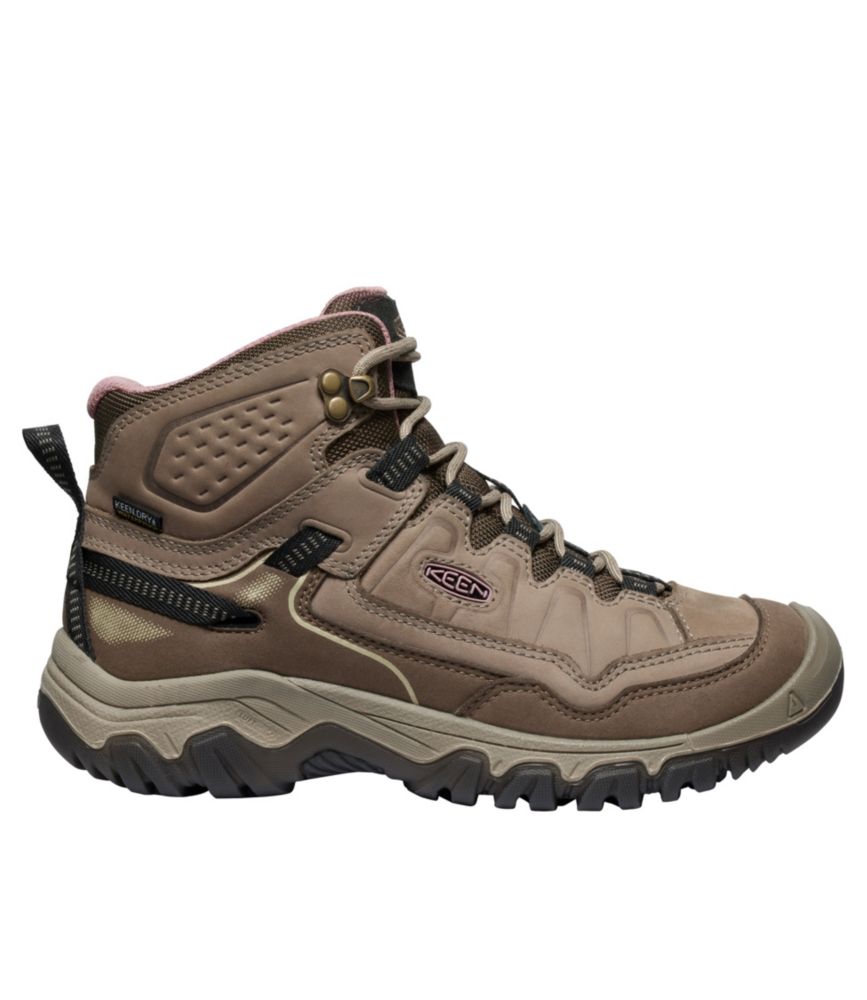
Women's Keen Targhee IV Mid Waterproof Hiking Boots
Keen Women's Keen Targhee IV Mid Waterproof Hiking Boots
A pair of waterproof leather hiking boots in brindle and nostalgia rose, offering stability, support, and comfort.
(0)
$180 $180
SALE
$180 $180
SALE
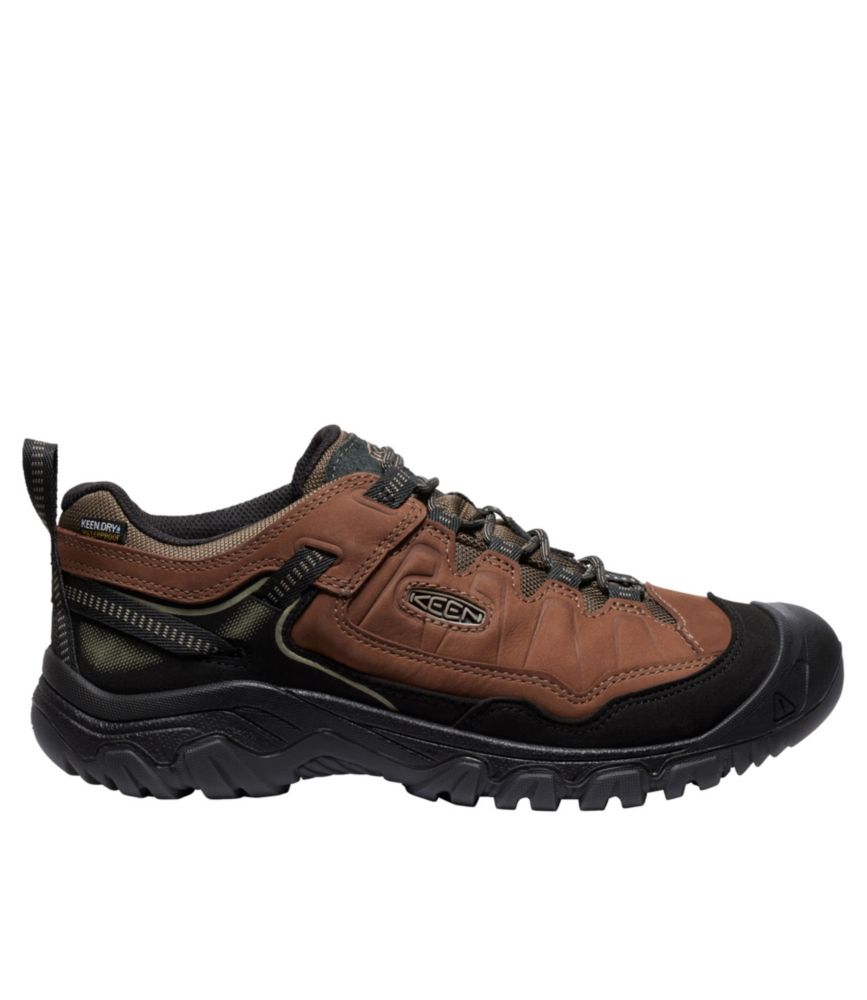
Men's Keen Targhee IV Waterproof Hiking Shoes
Keen Men's Keen Targhee IV Waterproof Hiking Shoes
A waterproof leather hiking shoe in bison black, offering stability, support, and eco-friendly features.
(0)
$170 $170
SALE
$170 $170
SALE
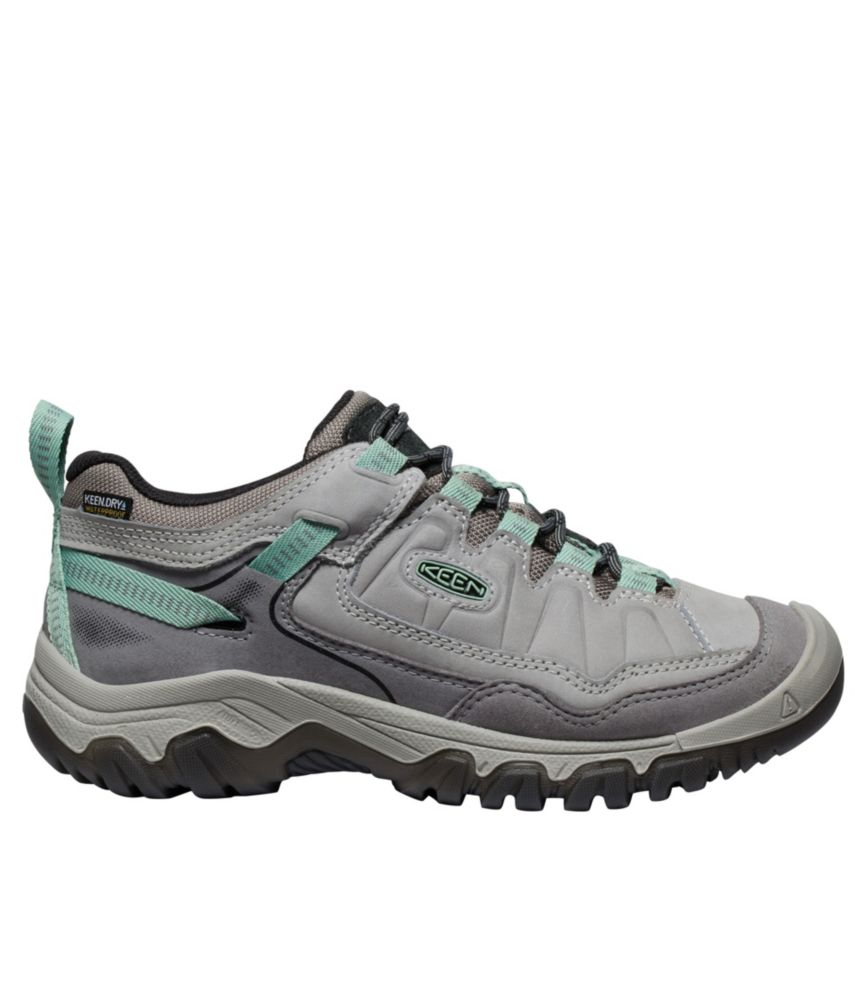
Women's Keen Targhee IV Waterproof Hiking Shoes
Keen Women's Keen Targhee IV Waterproof Hiking Shoes
A waterproof leather hiking shoe with Eco Anti-Odor, breathable mesh lining, and durable TPU outsole for traction.
(0)
$170 $170
SALE
$170 $170
SALE
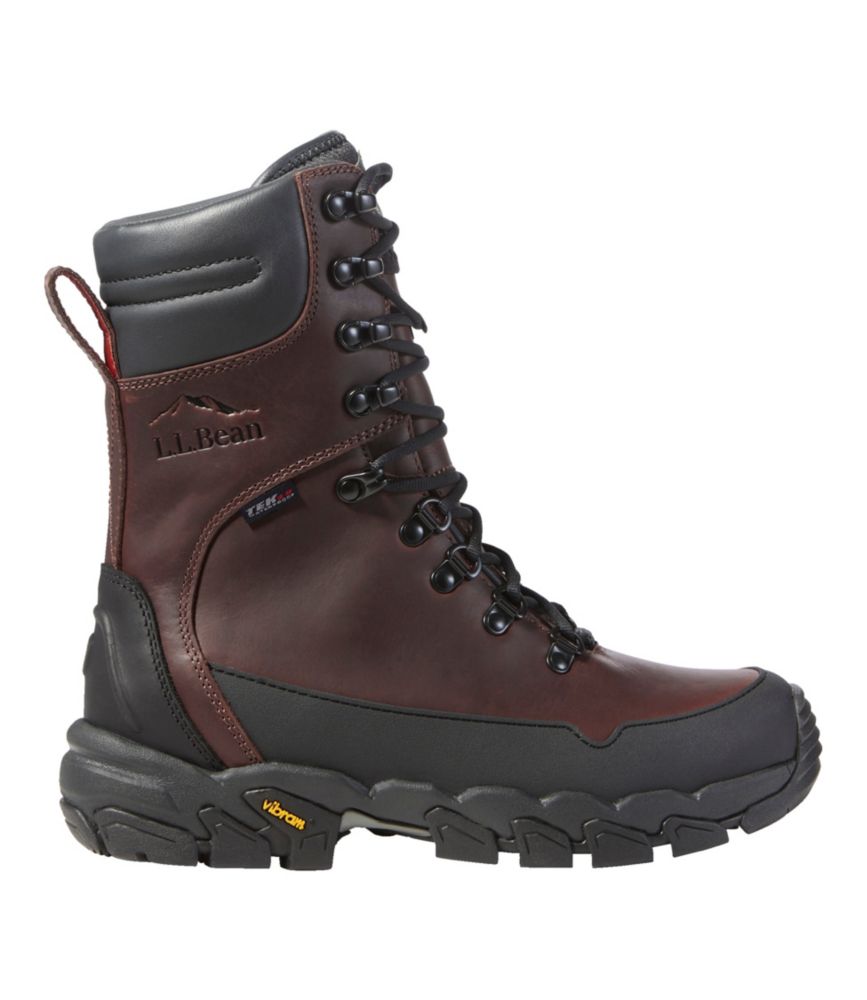
Women's Maine Warden's Field Boot
L.L.Bean Women's Maine Warden's Field Boot
A rugged, deepest brown leather boot with GORE-TEX, Primaloft insulation, and Vibram outsole for superior traction.
(0)
$280 $280
SALE
$280 $280
SALE

Leather Hiking Boots

Leather hiking boots bring a familiar outdoor style to a simple pleasure: following a trail and seeing where the day leads. Leather gives this footwear its defining character, with differences in surface texture, finish, and detailing creating a range of looks within a recognizable shape. Some designs have a clean, understated appearance, while others feature more visible stitching, distinctive panels, or prominent lacing. Those details offer a useful starting point for choosing a pair that feels personal, but appearance is only part of the decision. The best match begins with how the boots fit and the hiking plans behind the purchase. An occasional hiker exploring a nearby trail may approach that choice differently from someone who makes hiking part of nearly every weekend. Both deserve the same attention to fit, construction, and care information rather than assumptions based on looks alone. A substantial-looking boot does not tell the whole story, and the word “leather” is a material description, not a complete account of how a boot is made. Product descriptions help distinguish the leather portions from the rest of the construction and explain details that photographs cannot fully convey. Close-up images can add context, showing the shape of the toe, the arrangement of the eyelets, and the placement of seams. Together, those details make it easier to compare designs without treating every leather hiking boot as interchangeable. There is room for different tastes here, from traditional outdoor styling to a more pared-back appearance. For another design perspective, Modern Hiking Boots offer a related category to explore. Whether the preference is familiar or contemporary, the goal remains straightforward: choose hiking footwear with a look that appeals, clear information about its construction, and a fit that deserves as much attention as its appearance.

Fit is where browsing becomes a more individual decision. A usual shoe size is a starting point, but the shape and proportions of a boot matter, too. Length, width, space around the toes, and the feel across the top of the foot all contribute to the overall impression. Two pairs bearing the same size can feel different, so the size chart and any stated fit guidance deserve a careful look. When trying on leather hiking boots, wear the socks intended for hiking rather than a thinner pair chosen simply for convenience. Lace both boots, stand up, and spend time walking indoors while following the retailer’s try-on requirements. Notice whether the toes feel crowded, whether the heel shifts noticeably, and whether any seam or edge creates an uncomfortable spot. Check both feet rather than making the decision from one boot alone. The area around the ankle is worth attention as well: the height and shape of the opening can feel quite different from one design to another. Lacing allows some adjustment, but it should not become a way to compensate for an unsuitable size or shape. A boot that needs to be pulled unusually tight, or left very loose to avoid pressure, warrants another look at the fit. Likewise, a cramped fit is not something to overlook simply because the upper includes leather. Any familiarization or break-in guidance should come from the boot’s own instructions, not a general expectation that discomfort will disappear. These considerations matter whether the hiking plans involve a quiet outing with a partner or a regular gathering of friends at a trailhead. When the group is sorting out directions and deciding where to stop along the route, that is a poor moment to discover a fit issue. Taking time with the choice beforehand keeps the purchase grounded in the person who will actually wear the boots, rather than a size label or a favorite photograph.

Care and durability also deserve attention before choosing leather hiking boots. Rather than relying on a broad promise about leather, look for clear construction details and care directions for the footwear being considered. Leather finishes differ, and a treatment appropriate for one finish may not be appropriate for another. Follow the manufacturer’s cleaning, drying, and storage instructions, including any recommendations about care products. Before applying a cleaner or conditioner, confirm that it is intended for the leather and finish in question; the appearance of the bottle or a general recommendation for leather goods is not enough. After a hike, a simple inspection provides a chance to notice dirt around the seams, debris near the lacing, or changes in the condition of the boots. It also makes care a regular habit rather than a task saved until the next outing is about to begin. A designated place to keep the boots, their instructions, and any recommended care supplies can make that routine easier to follow. Over time, pay attention to changes in fit and visible wear, and seek qualified advice when the condition raises a concern. Repair options should be confirmed for the particular construction rather than assumed for all leather footwear. This practical side of ownership is part of choosing thoughtfully: the right pair should make sense not only at the first try-on, but also within the owner’s willingness to follow its care requirements. Leather hiking boots can be a meaningful gift for someone who enjoys hiking, particularly when the giver knows the recipient’s preferred style and has a reliable way to confirm fit. Choosing together can be more useful than guessing, especially for someone with specific sizing preferences. A gift connected to time outside need not depend on a distant destination or an ambitious itinerary. It can reflect the pleasure of a familiar path, a conversation continued beyond the trailhead, or plans to spend more time hiking together. With attention to leather details, individual fit, and appropriate care, the choice becomes less about a general image of outdoor footwear and more about the hiker who will lace it up.
Read More

FAQs