It's time to upgrade your browser

Your current browser is no longer supported on llbean.com. Please upgrade to one of the following for a smoother, safer shopping experience with us:

Olive Hiking Boots

Shop olive hiking boots in an earthy green that pairs naturally with your outdoor wardrobe. Compare styles, sizing information and individual boot features to find the right match for your feet and hiking plans.
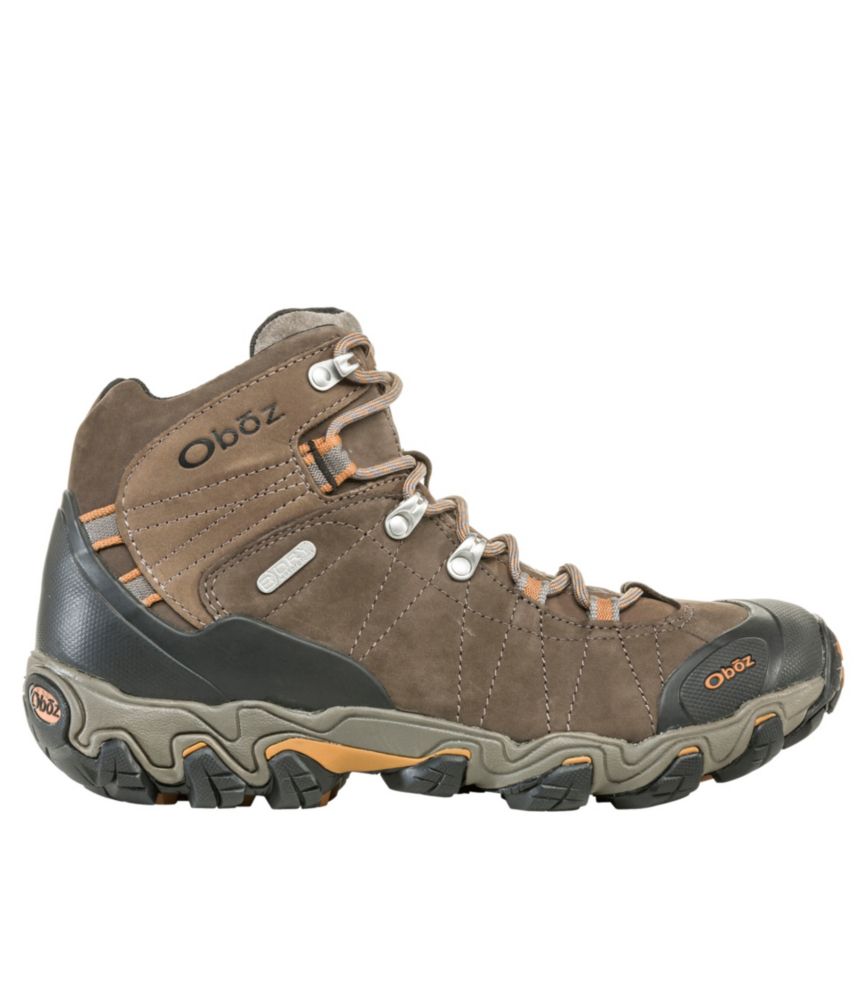
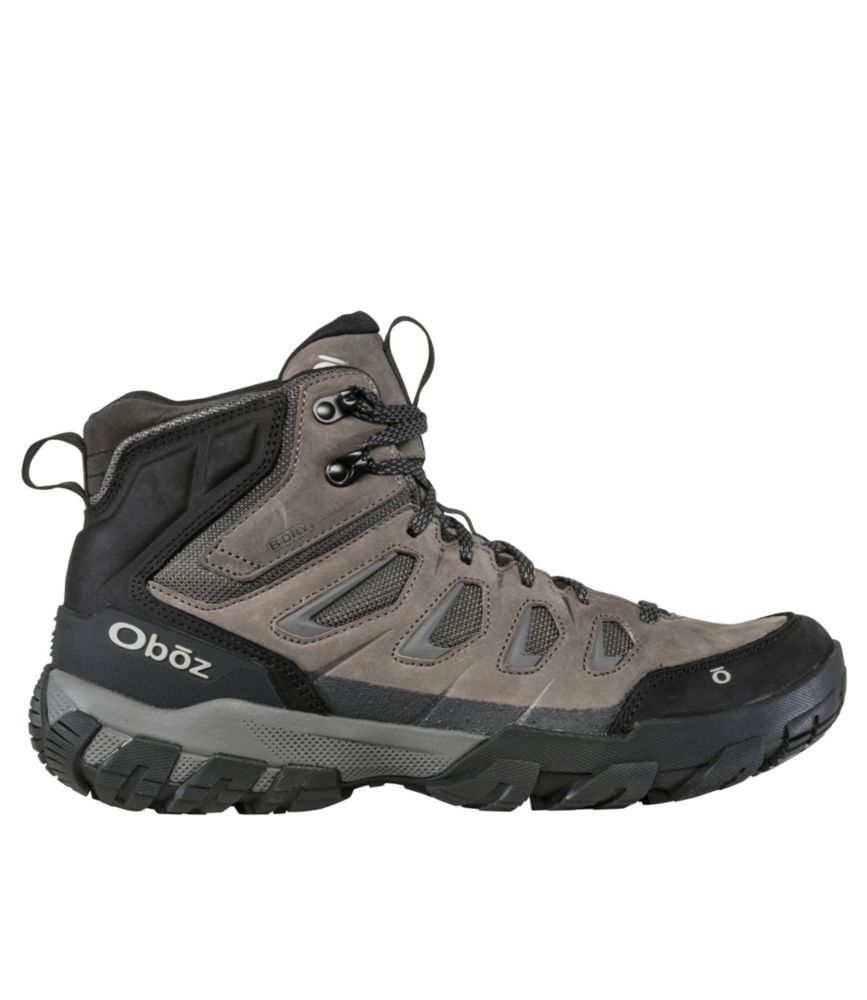
Men's Oboz Bridger Mid B-Dry Hiking Boots
Oboz Men's Oboz Bridger Mid B-Dry Hiking Boots
A brown midheight hiking boot with waterproof nubuck leather, breathable lining, and grippy rubber tread.
(181)
$220 $220
SALE
What customers like:
Good quality
Light
Sturdy
Comfortable
Looks great
$220 $220
SALE
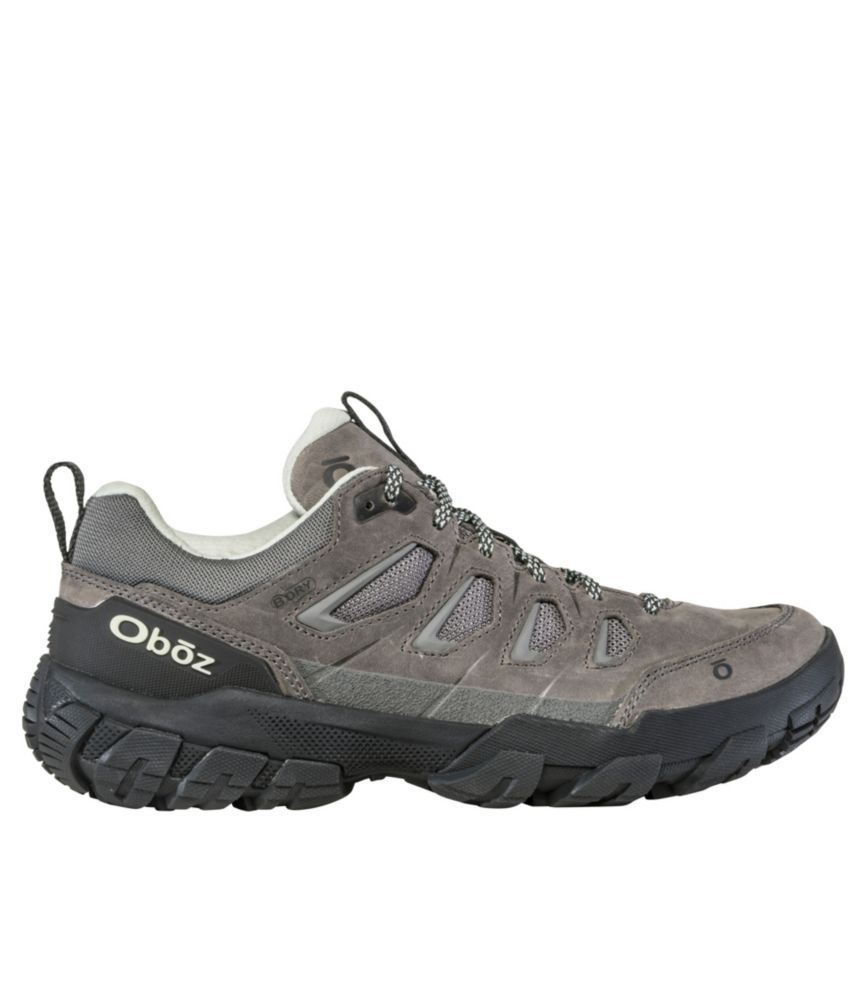
Women's Oboz Sawtooth X B-DRY Hikers, Low
Oboz Women's Oboz Sawtooth X B-DRY Hikers, Low
A gray waterproof low hiking shoe with nubuck leather, breathable lining, and mud-shedding traction.
(158)
$185 $185
SALE
$185 $185
SALE
Men's Oboz Sawtooth X B-DRY Hikers, Mid
Oboz Men's Oboz Sawtooth X B-DRY Hikers, Mid
A rugged mid-height hiking boot with waterproof lining, gray nubuck leather, and mud-shedding traction.
(93)
$200 $200
SALE
What customers like:
Durable quality
Great support
High comfort
Excellent fitting
Reliable traction
$200 $200
SALE
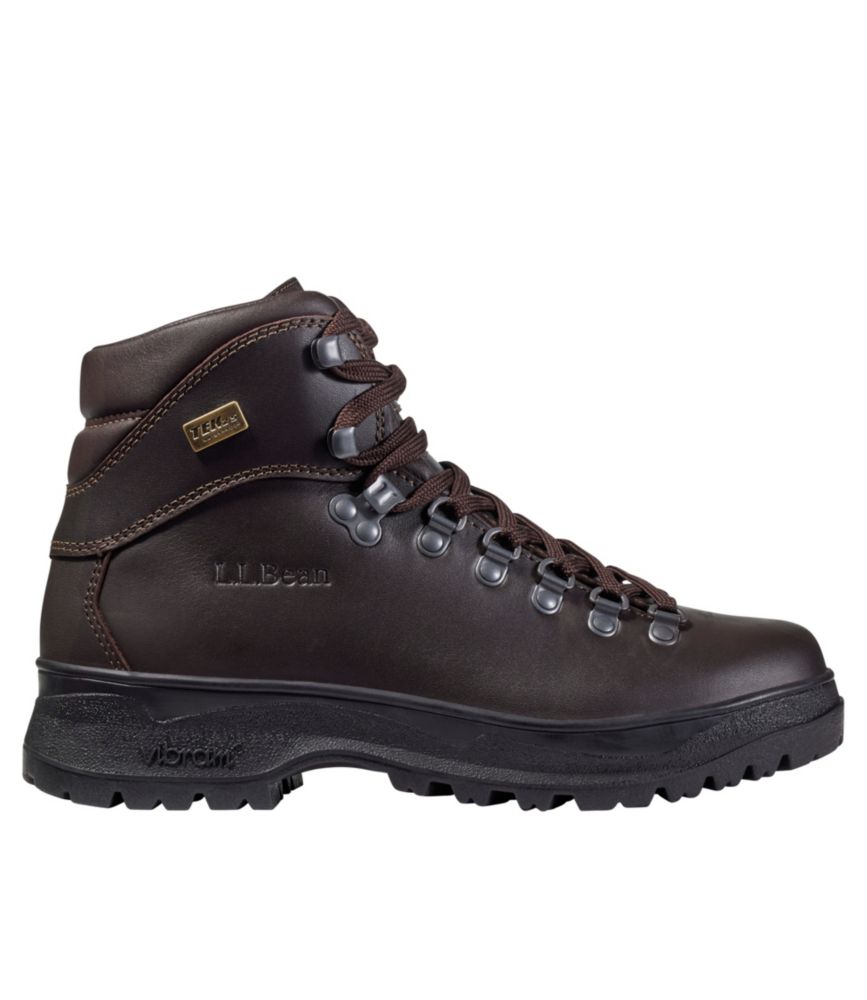
Women's Cresta II Waterproof Hiking Boots, Leather
L.L.Bean Women's Cresta II Waterproof Hiking Boots, Leather
Waterproof brown leather hiking boots with Vibram rubber soles, cushioned footbeds, and speed-hook lacing for rugged trails.
(0)
$280 $280
SALE
$280 $280
SALE
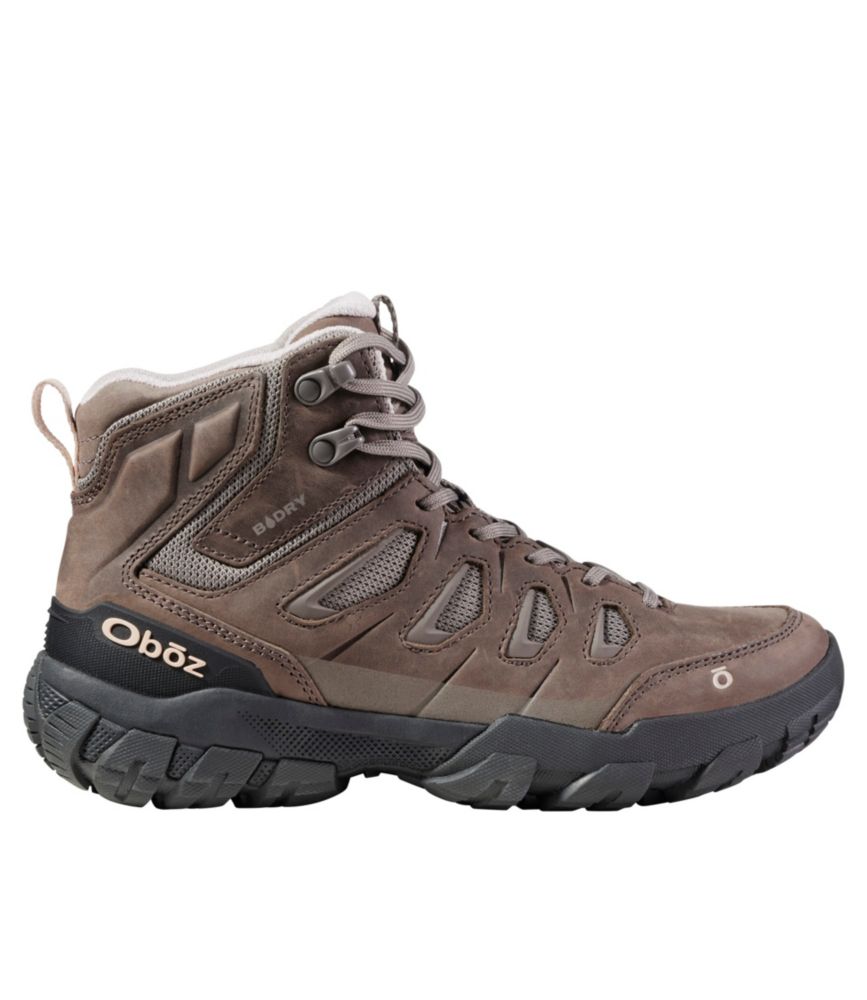
Women's Oboz Sawtooth X B-DRY Hikers, Mid
Oboz Women's Oboz Sawtooth X B-DRY Hikers, Mid
A brown mid hiking boot with waterproof lining, nubuck leather, supportive cushioning and mud-shedding traction.
(100)
$200 $200
SALE
What customers like:
Warm for cold conditions
Snug ankle support
Sturdy construction
Comfortable fit
$200 $200
SALE
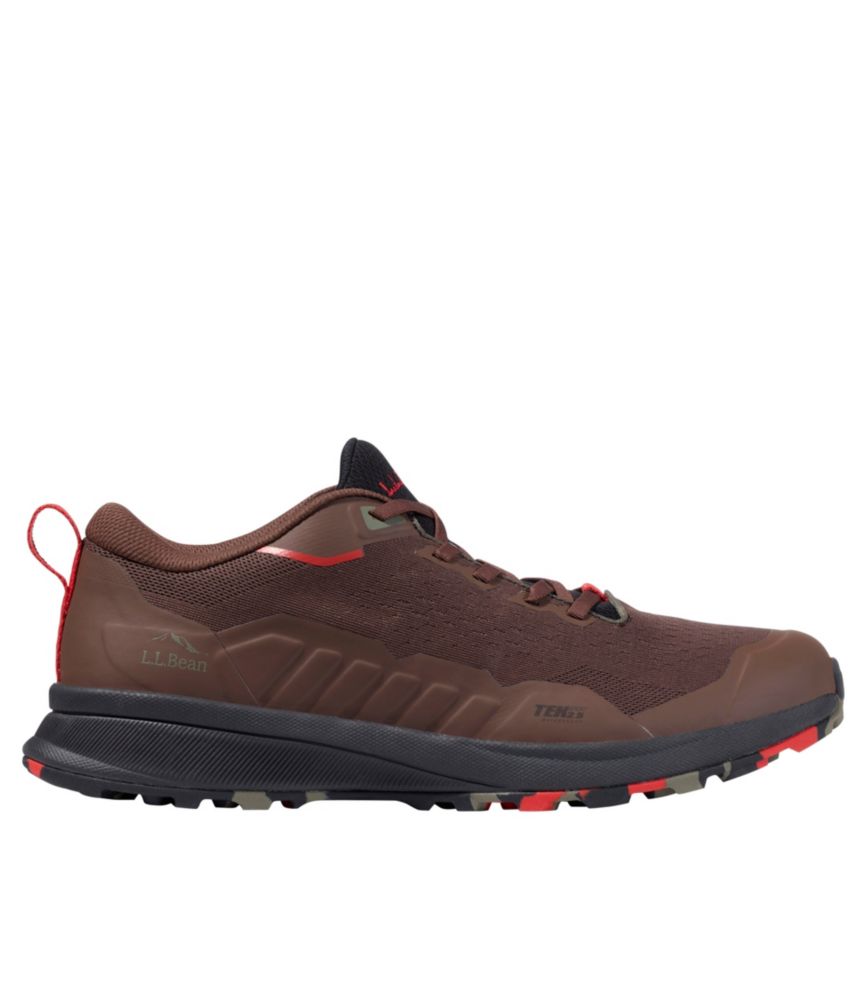
Men's Elevation Trail Shoes, Waterproof
L.L.Bean Men's Elevation Trail Shoes, Waterproof
Waterproof brown trail shoes with recycled mesh uppers, rock plates, cushioned midsoles, and grippy rubber outsoles.
(0)
$130 $130
SALE
$130 $130
SALE
Women's Trail Model X Waterproof Hiking Shoes
L.L.Bean Women's Trail Model X Waterproof Hiking Shoes
A gray suede hiking shoe with a waterproof membrane, protective toe, and high-traction rubber outsole.
(0)
$110 $110
SALE
$110 $110
SALE

Olive Hiking Boots

Olive hiking boots bring an earthy green color to a familiar outdoor style, offering an alternative to black, brown and gray without making color the whole story. Olive sits naturally alongside the shades often associated with the outdoors: the gray of a stone ledge, the brown of a winding path and the green of leaves overhead. Its character can vary, too. A brown-leaning olive has a different look from a greener shade, while a muted olive creates a different impression from a deeper, darker tone. Those distinctions are worth considering when choosing a pair, particularly if the goal is to coordinate with clothing already in the closet. Tan hiking pants create a clear contrast, charcoal keeps the combination understated, and navy adds another familiar color without competing with the boots. Wearing olive with other greens can work just as well; the shades do not have to match exactly to look considered. A little variation between pants, socks and footwear can make the overall combination feel more natural. The shape of the boots matters alongside the color. The outline of the toe, the height of the collar and the arrangement of the laces all contribute to their appearance, so looking at the full silhouette is more useful than choosing by a color swatch alone. Photographs from different angles can help show those proportions, although screen settings and lighting may affect how a shade appears. For hikers who prefer an understated outdoor look, olive offers a familiar starting point with plenty of room for personal preference. Some may favor a close tonal match with their hiking clothes; others may prefer the boots to be the one green element in an otherwise neutral outfit. Neither approach needs much coordination. The appeal is a recognizable hiking style in a color that feels connected to the outdoors without depending on a bold pattern or bright accent.

Choosing hiking footwear also means looking beyond appearance to the details of the individual pair. Fit deserves particular attention because a size number alone cannot describe the relationship between a foot and a boot. Length, width, toe shape and the space around the heel all contribute to that relationship, and a familiar size in another kind of footwear is only a starting point. Trying boots with the socks intended for hiking gives a more relevant impression than trying them with whatever happens to be at hand. The same applies to any inserts normally worn: include them when checking fit rather than assuming the result will be unchanged. Pay attention to both feet, since the fit may not feel identical on each side. Toes should not feel crowded, and pressure across the top or sides of the foot is worth noticing rather than overlooking because the color is right. Lacing can affect how a boot feels, but tightening the laces should not become a way to compensate for an unsuitable size or shape. A careful try-on includes standing and walking, not simply sitting with the boots on for a moment. Any additional fit checks should follow the retailer’s fitting guidance and take place where permitted. For a person planning a hike, the route and the footwear’s stated intended use belong in the same decision. The hiking category provides a starting point, while the individual description is the place to confirm more specific recommendations. Material information, measurements and construction details should likewise be checked at the individual-pair level rather than inferred from the olive color or overall appearance. Two boots that look similar in photographs may have different specifications and care requirements. That makes a clear description more valuable than a broad assumption about what hiking boots should be. Whether the recipient is beginning to explore hiking or already has established preferences, a thoughtful choice respects those preferences instead of treating every hiker’s needs as the same.

Care and long-term ownership are another part of choosing olive hiking boots, especially for someone who wants footwear to remain part of their hiking routine. The most useful care advice starts with the directions supplied for the particular pair. Color does not determine the correct cleaning method, and a treatment used on another pair of boots should not automatically be used on these. Before applying a cleaner, conditioner or other treatment, check that it is recommended for the stated materials and follow the supplied directions. This is also a good reason to read care information before making a selection: the routine should be one the owner is willing to follow. Keeping that information somewhere easy to find takes the guesswork out of later cleaning. When checking boots between hikes, a look at the laces, seams and soles can help identify questions that need attention, but appearance alone is not a promise of remaining service life. Durability is better considered through the individual construction details, care requirements and the owner’s experience with the pair than through color or styling. For gift giving, those practical considerations matter just as much as presentation. Olive can be a thoughtful color choice for an adult who already favors earth tones, but footwear is personal enough that knowing the recipient’s size is not the whole decision. Their preferred fit, usual hiking socks and existing footwear preferences offer more useful context than a guess based on appearance. When those details are uncertain, involving the recipient in the choice can make the gift feel more considered, not less. A look at city hiking boots can provide another point of comparison for someone considering different hiking styles, with the individual descriptions remaining the place to check intended use. Ultimately, the right olive pair should make sense as a whole: a color the wearer enjoys, proportions they like, a fit they have checked and care directions they understand. That approach keeps the decision grounded in the person who will wear the boots and the hiking they actually plan to do.

FAQs