It's time to upgrade your browser

Your current browser is no longer supported on llbean.com. Please upgrade to one of the following for a smoother, safer shopping experience with us:

Men's Snow Pants

Browse men's snow pants and compare styles, sizing and features to find the right pair for you. Check each pair’s product details for fit information, and consider how much room you’ll want for layers when choosing your size.
Read More
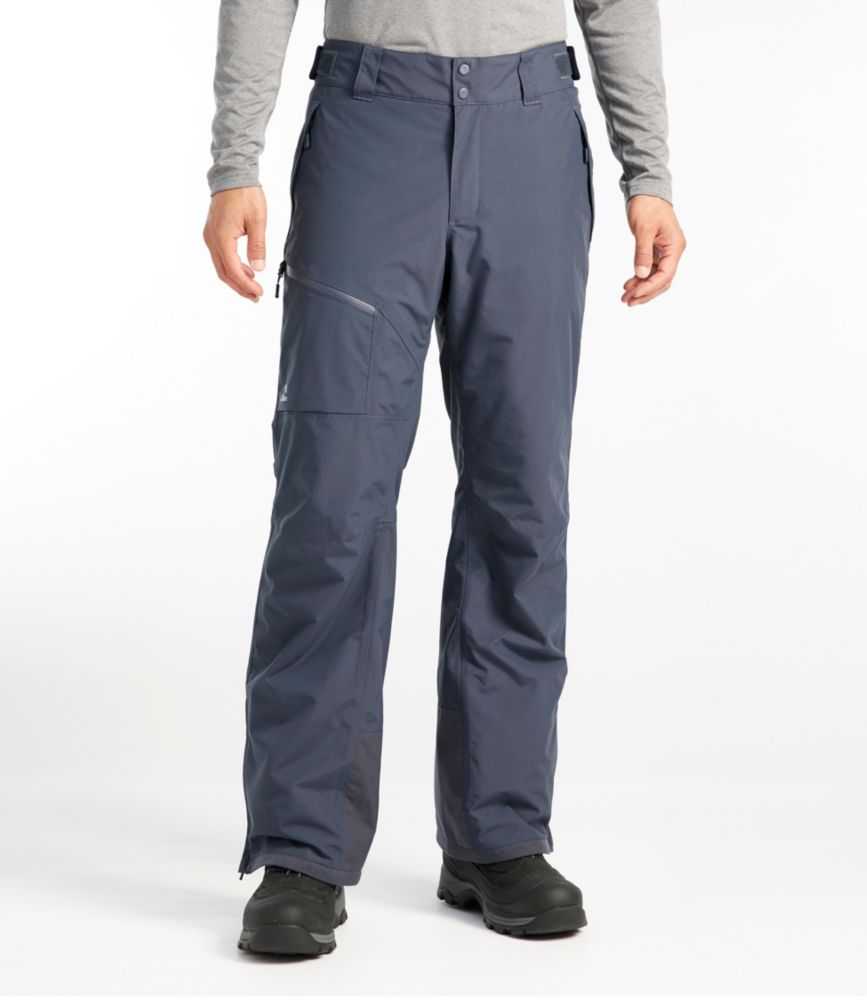
Men's Wildcat Waterproof Insulated Snow Pants
L.L.Bean Men's Wildcat Waterproof Insulated Snow Pants
A rugged, waterproof, and insulated snow pant in carbon navy with PrimaLoft® Silver insulation for warmth.
(363)
$200 $200
SALE
What customers like:
Waterproof
Quality
Warmth
Stylish
Versatility
$200 $200
SALE
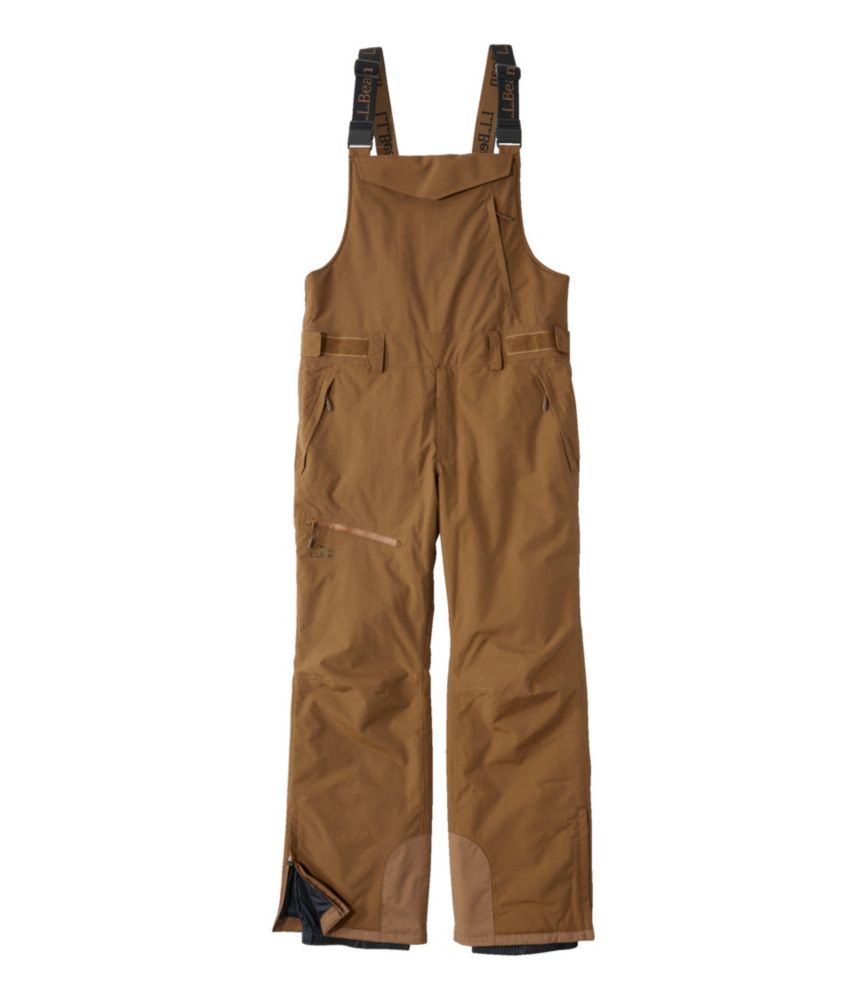
Men's Wildcat Bib Pant
L.L.Bean Men's Wildcat Bib Pant
A pair of insulated, waterproof bib pants in maple brown with multiple pockets and adjustable straps.
(0)
$220 $220
SALE
$220 $220
SALE
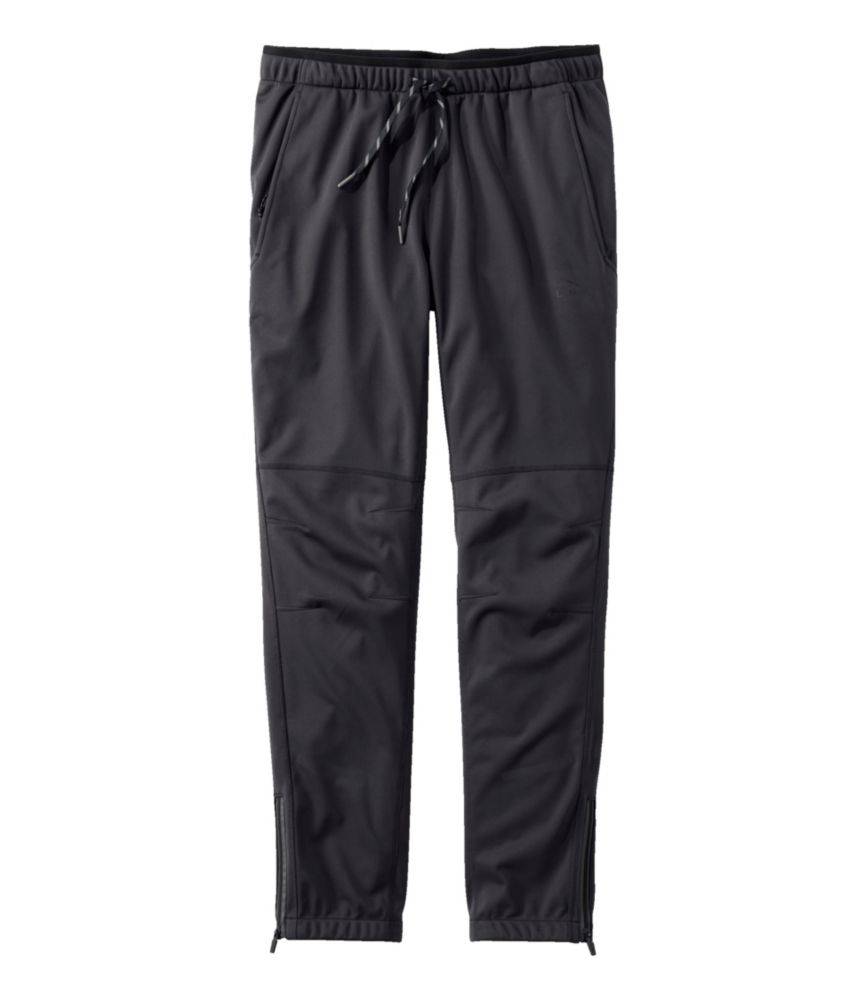
Men's Bean Bright All Weather Pant
L.L.Bean Men's Bean Bright All Weather Pant
A pair of black, water- and wind-resistant pants with reflective highlights, perfect for cold weather activities.
(0)
$110 $110
SALE
$110 $110
SALE
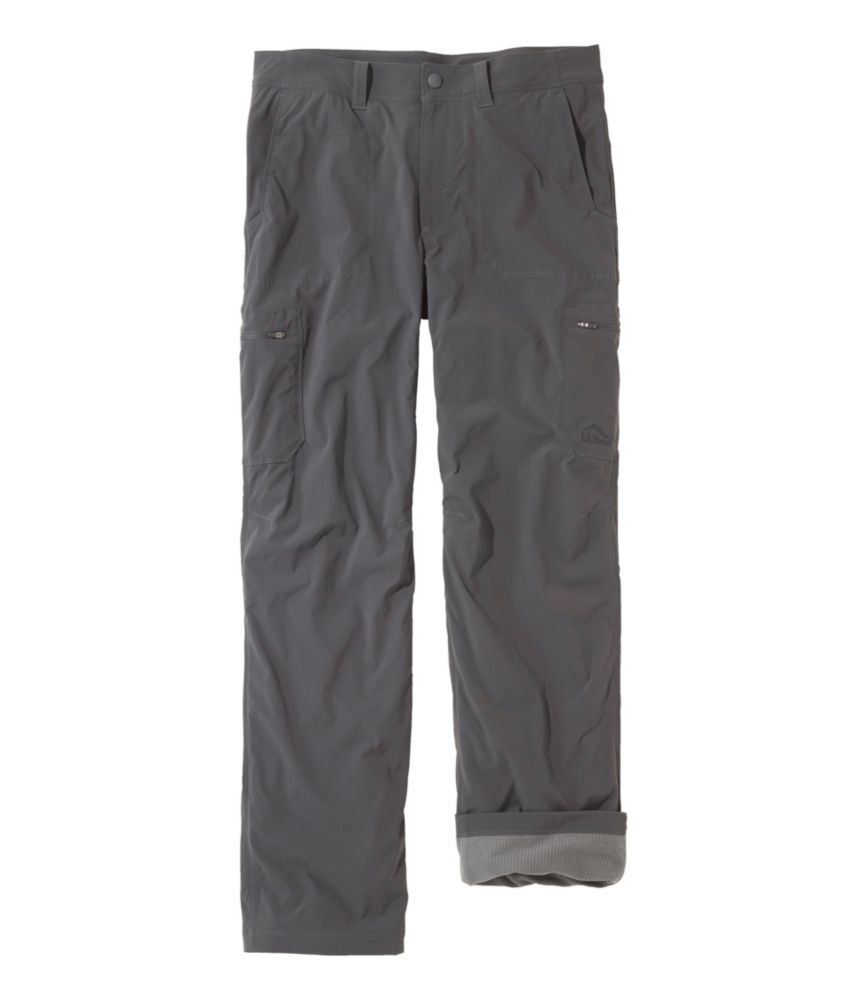
Men's Cresta Pants, Standard Fit, Fleece-Lined
L.L.Bean Men's Cresta Pants, Standard Fit, Fleece-Lined
A pair of alloy gray, fleece-lined hiking pants with UPF 50+ protection and two-way stretch for winter adventures.
(1,260)
$110 $110
SALE
What customers like:
Warmth
Durable
Versatile
Comfortable
Good fit
$110 $110
SALE
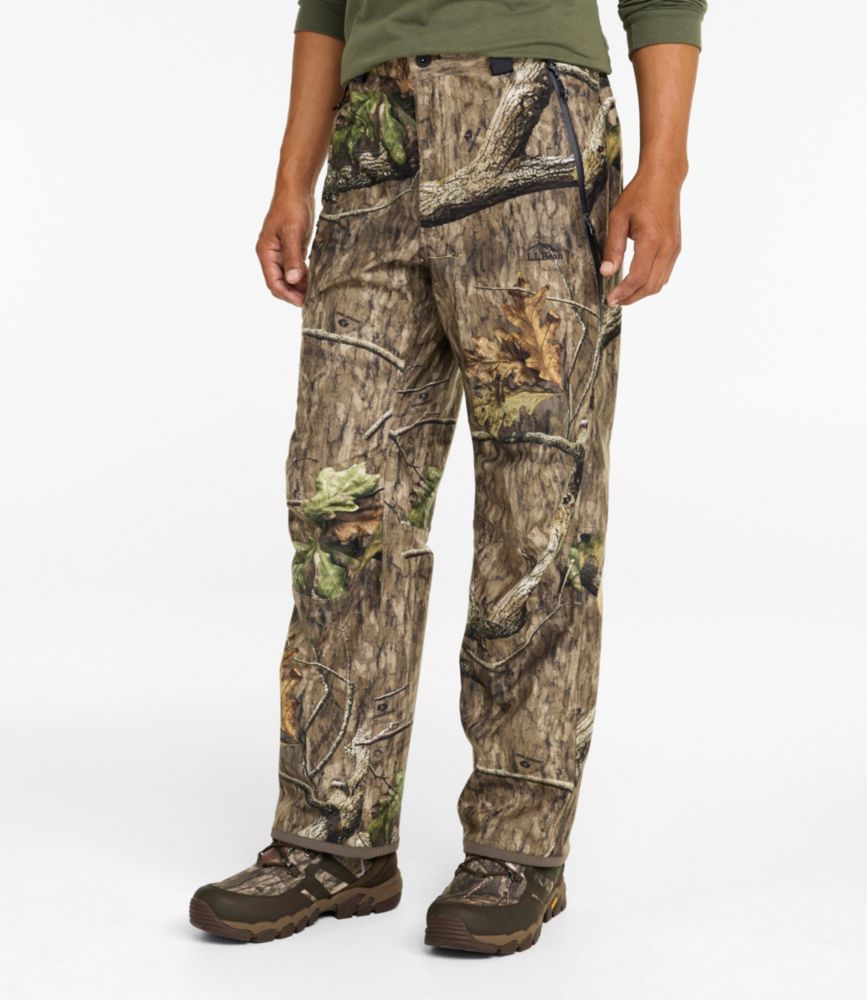
Men's Ridge Runner Storm II Pants
L.L.Bean Men's Ridge Runner Storm II Pants
A lightweight, waterproof camo pant with scent control, quiet polyester fabric, and abrasion-resistant cuffs.
(0)
$220 $220
SALE
$220 $220
SALE
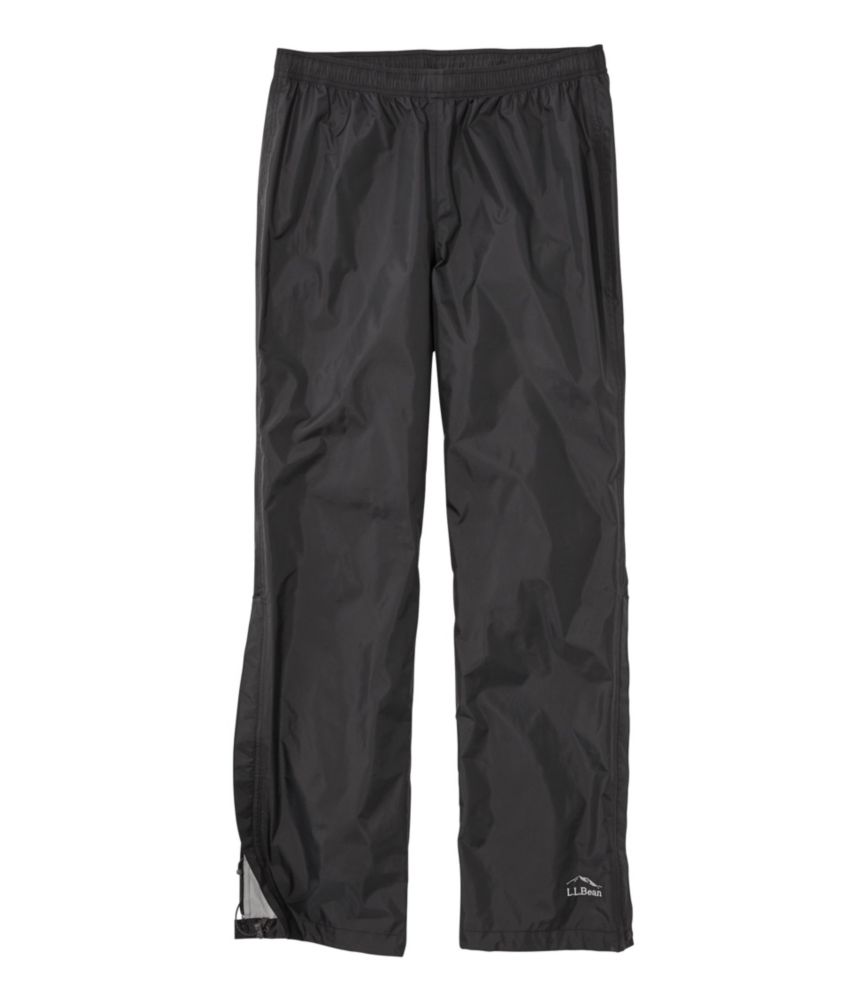
Men's Ridge Runner Storm Pant
L.L.Bean Men's Ridge Runner Storm Pant
A durable, waterproof camo rain pant with scent control, ideal for hunting in wet or windy conditions.
(0)
$220 $220
SALE
$220 $220
SALE

Men's Snow Pants

Men’s snow pants are a distinct part of a winter wardrobe, with a selection process that goes beyond choosing a familiar waist size. Personal style, preferred proportions and the way a pair fits with the rest of an outfit all help shape the decision. Some men prefer a straightforward look with understated details; others like a more defined outdoor style. Neither approach needs to be complicated. A useful starting point is the clothing already worn most often: the rise that feels natural, the leg shape that looks right and the inseam that usually works best. Those preferences give the collection a practical frame of reference without making every pair seem interchangeable. A size label alone does not tell the whole story, particularly when comparing different cuts. Product measurements and fit descriptions offer a clearer picture of how each option is shaped. Waist and hip measurements are worth checking together, and inseam deserves equal attention rather than becoming an afterthought. Height can provide context, but two men of the same height may have different proportions and prefer different lengths. It also helps to consider where the waistband normally sits, since that can affect how a listed inseam translates to the finished fit. For an overall look, picture the pants alongside a familiar winter jacket and footwear rather than viewing them in isolation. The relationship between the jacket hem, pant rise and leg opening can matter as much as color. Someone who favors simple, classic clothing may appreciate a similarly understated combination, while someone who enjoys contrast may choose a different direction. Snow pants need not look identical from one person’s wardrobe to another. The goal is a pair that reflects individual preferences, with sizing and styling decisions grounded in the details of the particular design rather than assumptions about the category.

Fit becomes easier to evaluate when the comparison moves from a number on a tag to the full shape of the garment. A waistband should be assessed at the position where it will actually be worn, not pulled higher or lower just to make the length appear right. Across the seat and thighs, notice whether the fabric lies as expected for the stated cut. At the knee and hem, look at the proportions from both the front and side. During a try-on, sitting down and bending the knees can reveal a fit issue that is less obvious when standing still. Any clothing intended to be worn underneath should be part of that assessment, so the decision reflects the complete outfit rather than the pants alone. The same principle applies at the bottom of the leg: compare the hem with the footwear that will accompany it, and check the listed leg-opening details instead of assuming every shape will work the same way. These are individual fit considerations, not reasons to automatically choose a larger size. A different cut or inseam may be a better match than additional room throughout the garment. Fabric content, construction information and care directions also belong in the comparison, but each should be read at the individual product level. The collection name does not establish a particular material, finish or construction method. Likewise, photographs can show the outline and appearance of a design without answering every question about how it is made. Written descriptions help fill those gaps. When details such as closures, pockets or waistband adjustments are listed, consider whether their placement and arrangement suit personal preferences. Small design differences can be meaningful without making one approach the right choice for everyone. For a related collection, browse Men's Skiing Pants and compare the individual descriptions, measurements and care information with the same attention to detail.

Choosing men’s snow pants also means considering the place they will have in a wardrobe beyond the first try-on. Snow is part of many shared winter memories: a yard transformed overnight, familiar trees outlined in white and family photographs taken against a completely different landscape. Those associations can make the category a thoughtful gift choice for someone who enjoys winter, provided the practical details receive as much attention as the occasion. A partner, father, brother or friend may have strong preferences about rise, leg shape and overall style, even if those preferences rarely come up in conversation. Checking the measurements of a pair of pants they already like can offer a starting point, but the selected style’s size chart should still guide the comparison. Knowing a preferred color is helpful; knowing the right inseam and fit preference is often more useful. For personal purchases, the same attention helps create a wardrobe that feels considered rather than assembled around a single feature. Care is another part of that longer view. Instructions can differ between garments, so there is no universal washing routine to apply to every pair of snow pants. Read the care label before the first wash, follow the stated washing and drying directions, and check any separate instructions for closures or removable components. Familiarity with those directions helps make care part of the normal clothing routine rather than a task left to guesswork. Before storing a pair between periods of wear, follow its care instructions and inspect it for any issue that may need attention. A loose fastening or damaged seam is easier to address when noticed than when the garment is needed again. Questions about durability are best grounded in the construction details and care guidance for the particular pair, not in broad promises about all snow pants. Ultimately, a useful comparison brings the essentials together: accurate measurements, a preferred silhouette, clearly understood product details and a care routine that can be followed. That measured approach leaves room for personal taste while keeping the decision focused on the person who will wear the pants.
Read More

FAQs