It's time to upgrade your browser

Your current browser is no longer supported on llbean.com. Please upgrade to one of the following for a smoother, safer shopping experience with us:

Mens Closed Toe Hiking Sandals

Find men's closed-toe hiking sandals for your next hike. Browse the selection and compare individual product details for fit, sizing and features to help you choose a pair that suits your hiking plans.
Read More
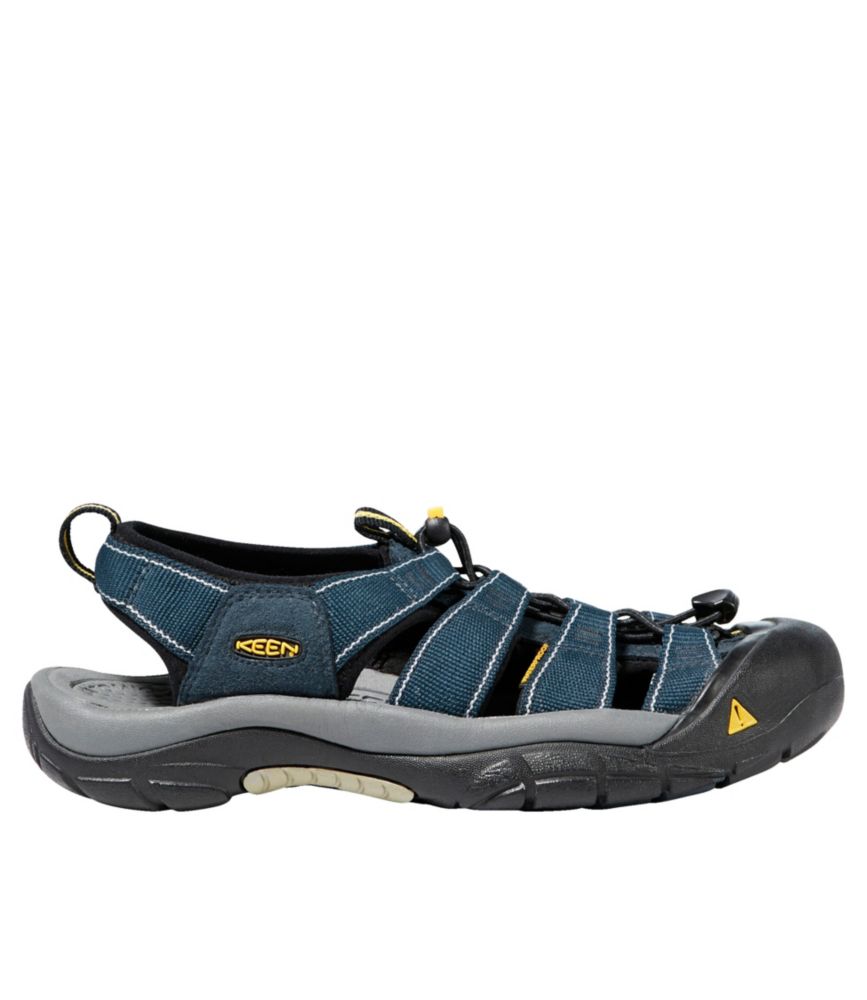
Men's Keen Newport H2 Sandals
Keen Men's Keen Newport H2 Sandals
A blue rubber-and-neoprene water sandal with quick-drying straps, supportive cushioning, and grippy traction for varied terrain.
(408)
$130 $130
SALE
What customers like:
Great for hiking
Performs well in water
Handles rocky terrain
Effective in muddy conditions
Provides good traction on slopes
$130 $130
SALE
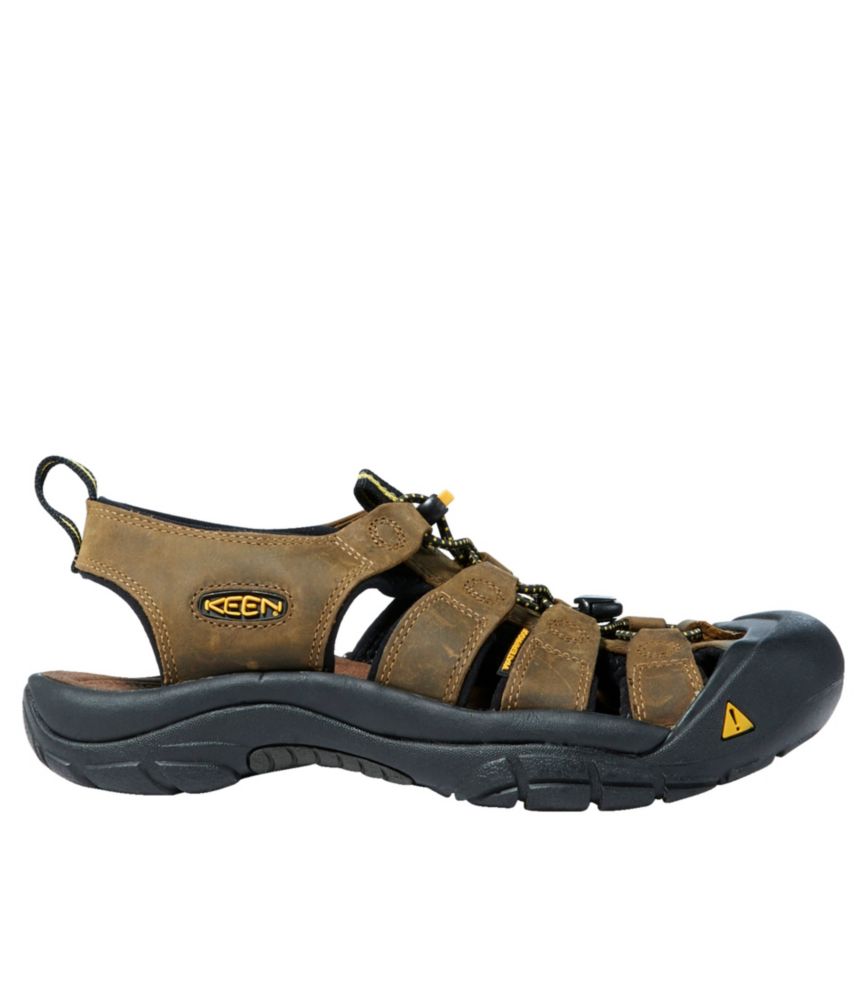
Men's Keen® Newport Sandals
Keen Men's Keen® Newport Sandals
A brown leather sandal with neoprene lining, supportive midsole and grippy rubber outsole for wet-to-dry adventures.
(294)
$135 $135
SALE
$135 $135
SALE
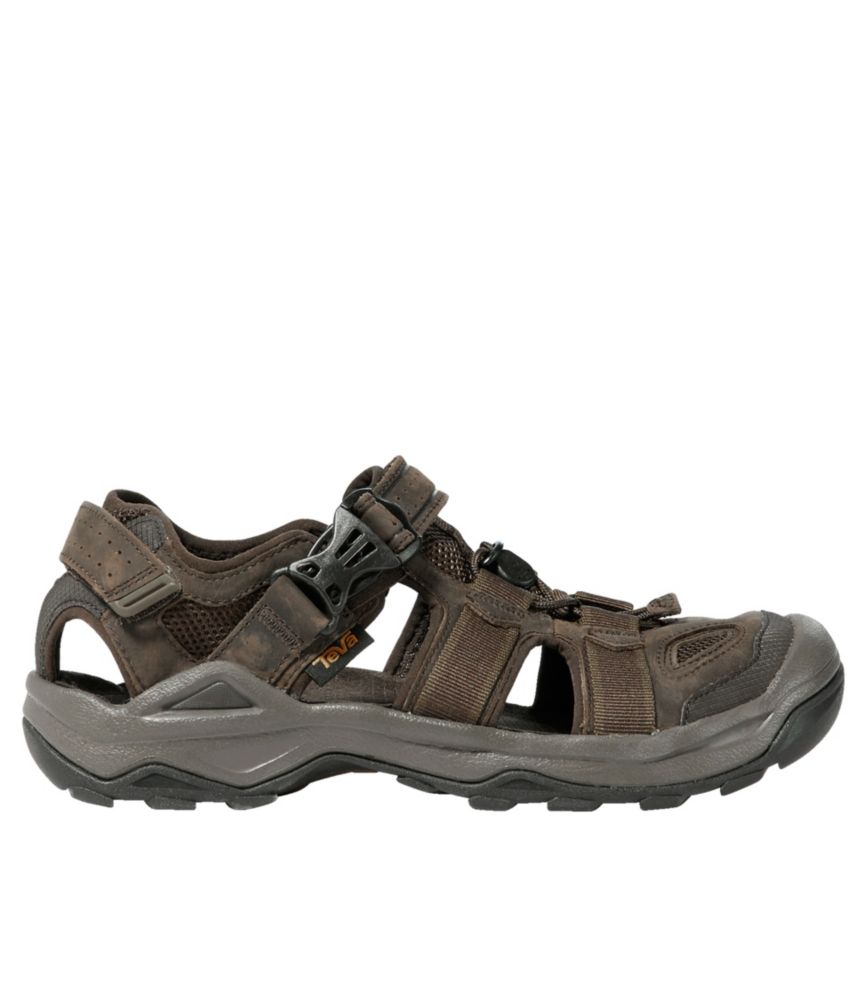
Men's Teva Omnium 2 Leather Sandals
Teva Men's Teva Omnium 2 Leather Sandals
A rugged brown leather sandal with neoprene comfort, protective toe bumper and nonmarking rubber traction.
(148)
$100 $100
SALE
What customers like:
Durable construction
Good fit
Comfortable to wear
$100 $100
SALE
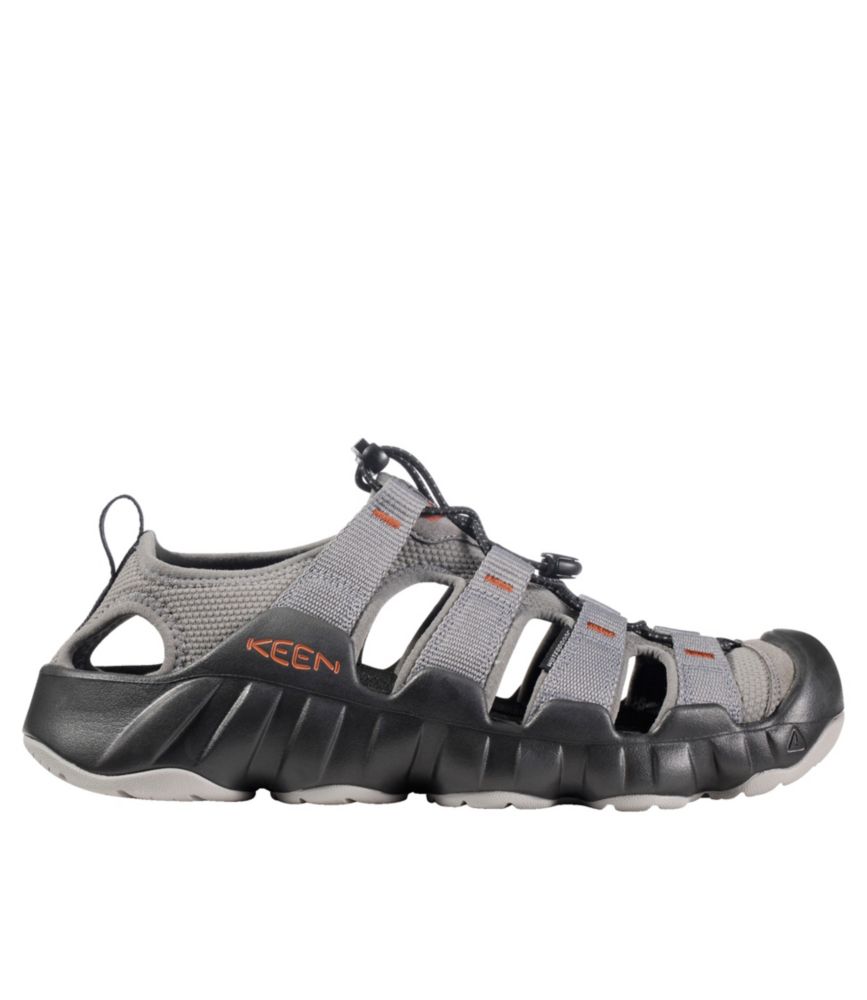
Men's Keen Hyperport H2 Sandals
Keen Men's Keen Hyperport H2 Sandals
A gray water-ready sandal with washable polyester webbing, quick-dry lining, arch support, and grippy rubber traction.
(0)
$120 $120
SALE
$120 $120
SALE
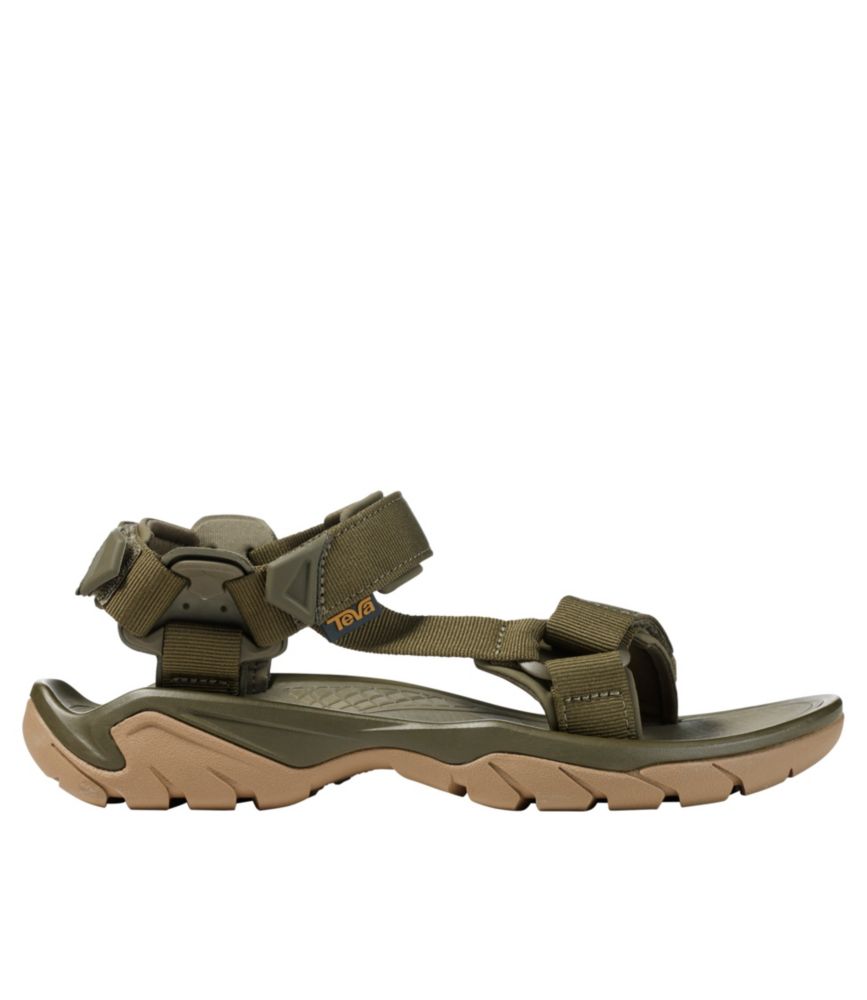
Men's Teva Terra Fi 5 Universal
Teva Men's Teva Terra Fi 5 Universal
A green all-terrain sandal with quick-drying polyester straps, cushioned support, and grippy rubber traction.
(116)
$120 $120
SALE
$120 $120
SALE
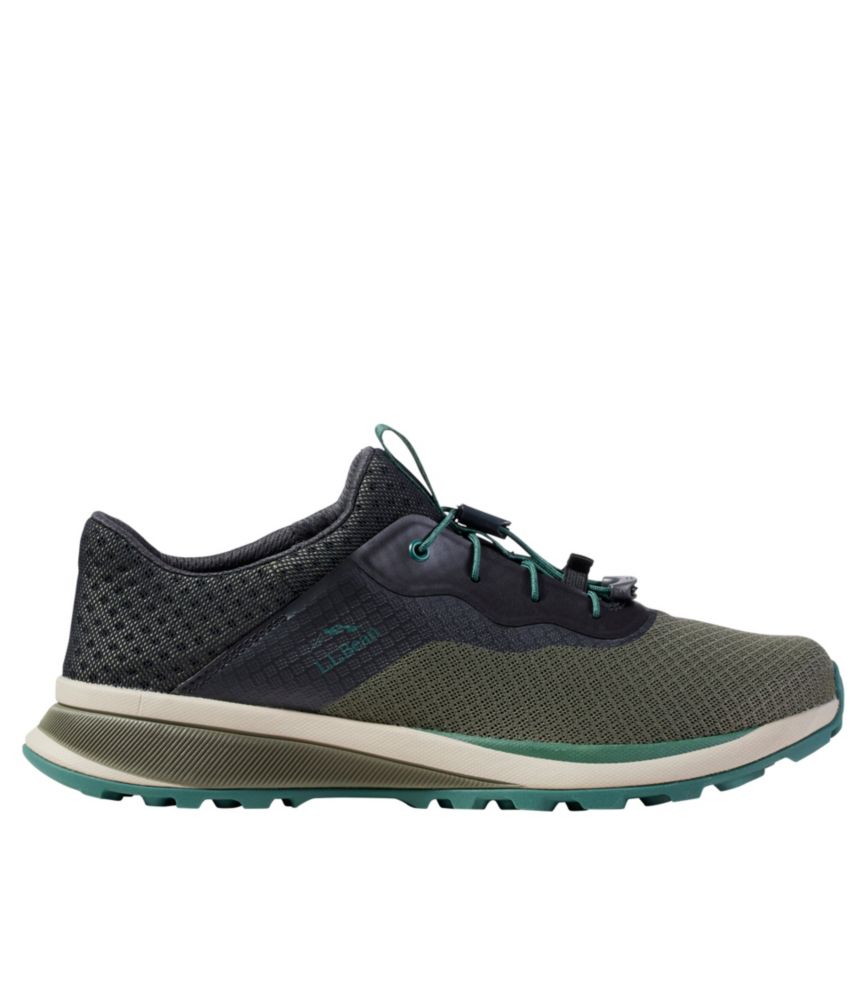
Men's Elevation H2O Shoes
L.L.Bean Men's Elevation H2O Shoes
A green nylon-and-neoprene water shoe with quick-drying comfort, cushioned support, and wet-or-dry traction.
(0)
$99.95 $59.99
SALE
$99.95 $59.99
SALE

Mens Closed Toe Hiking Sandals

Men’s closed-toe hiking sandals are defined by an enclosed front, giving them a different look from sandals that leave the toes exposed. For hikers who prefer that shape, the appeal starts with a familiar sandal style and a more covered toe area. The category name describes the basic design; the details of an individual pair provide the fuller picture of its fit, construction and intended use. That distinction matters when comparing footwear for a familiar woodland hike, a route to a favorite overlook or a shared outing with family and friends. Hiking plans have their own particulars, from the distance on the map to the character of the path, and footwear choices deserve the same attention as the rest of the plan. A clear product description is more useful than assumptions based on appearance. Alongside those practical considerations, there is room for personal taste: the outline of the toe, the overall proportions and the visible detailing all contribute to a sandal’s character. A simple, understated look may feel right to one person, while another may prefer a more pronounced outdoor style. Neither preference needs to follow a trend. What matters is finding a design that feels true to the person wearing it and appropriate to the hike being planned. For shoppers comparing silhouettes, men’s open-toe hiking sandals offer a related category with an exposed-toe design. Viewing the two side by side can help separate a preference for covered toes from other considerations, such as sizing or closure design. Closed-toe styling is one part of the decision, rather than a shortcut around the other details. A thoughtfully chosen pair begins with a clear idea of the preferred design and a careful look at the information that accompanies it.

Fit deserves particular attention around the enclosed toe area. A size label is a starting point, while the size chart, listed width and any fit notes give the comparison more context. When trying on hiking sandals, both feet deserve attention: stand with weight distributed naturally, then walk a little rather than deciding from a seated position. Notice where the toes sit, how the heel lines up with the back and whether any edge or closure presses against the foot. Toes should not be crowded against the front, and the foot should not extend past the edge of the sole. The relevant sizing guidance remains the best reference for deciding between sizes or assessing a width. Any adjustable elements should be evaluated according to the directions for that pair, without treating an adjustment as a replacement for the right size. For example, tightening a closure does not resolve a toe area that feels too short. Looking closely at those details makes a comparison more useful than choosing by the number alone. It also helps keep personal preference distinct from fit: liking the appearance of a sandal and finding the appropriate size are separate parts of the same decision. A hiker who already knows a preferred width or has specific fitting requirements can use that information to narrow the comparison. Familiarity with another pair of footwear provides context, but it does not replace the sizing information for a different design. There is value in taking time with this part of the choice, even when the hiking plans themselves are simple. Before a group meets at the trailhead, everyone will have made their own decisions about footwear, the route and what to bring. Having the fit sorted out beforehand leaves the conversation free to turn toward the hike: which branch of the trail to follow, where to pause and what everyone hopes to see along the way.

Materials, construction details and care requirements are worth considering together, with the individual description serving as the reference for each. Rather than assuming that all closed-toe hiking sandals can be cleaned in the same way, check the care directions associated with the pair. Instructions about cleaning methods, drying and storage should guide routine care, including whether a particular treatment is recommended. A material listing gives concrete information to compare, while construction details can explain differences that are not obvious in a photograph. Durability belongs in the decision, too, but a rugged-looking silhouette alone does not establish how a pair will hold up. The stated construction information and recommended care provide a more useful basis for consideration than appearance. Understanding the upkeep before choosing also helps establish whether it fits naturally into the recipient’s or wearer’s routine. Closed-toe hiking sandals can make a thoughtful gift for a man who enjoys hiking and has expressed a preference for this kind of footwear. Knowing his size is helpful; knowing his preferred width and how he likes sandals to fit makes the choice more personal. A partner who has mentioned preferring covered toes, a parent with a list of favorite hiking routes or a friend who enjoys organizing group hikes may appreciate a selection that reflects those individual interests. The strongest gift choices follow an actual preference rather than a general idea of what someone who enjoys the outdoors might like. That might mean confirming the preferred silhouette beforehand instead of making the entire choice a surprise. Whether selected as a gift or for personal hiking plans, the same considerations remain relevant: a preferred design, an appropriate fit and clear information about construction and care. Together, those details give the choice a practical foundation, with the shared pleasure of a hike providing the reason to get outside.
Read More

FAQs