It's time to upgrade your browser

Your current browser is no longer supported on llbean.com. Please upgrade to one of the following for a smoother, safer shopping experience with us:

Womens Closed Toe Hiking Sandals

Explore women's closed-toe hiking sandals for an alternative to open-toe styles. Compare sizing, fit information and each pair's specific features to help you choose sandals that suit your hiking plans.
Read More
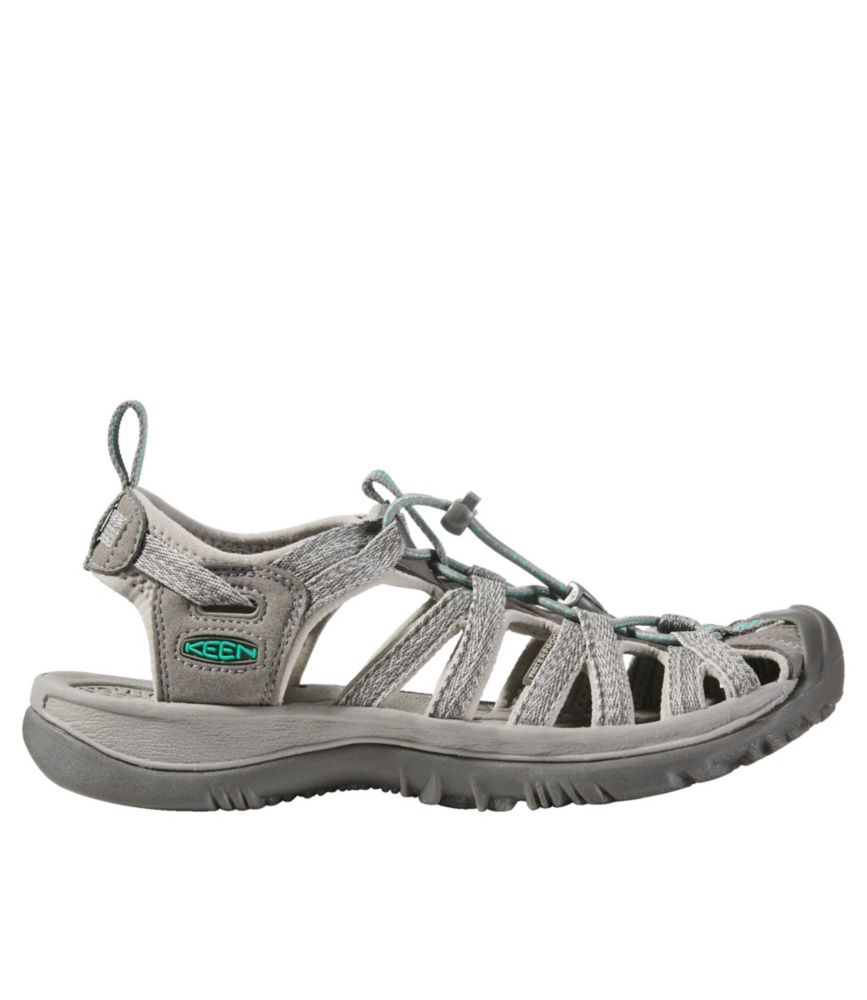
Women's Keen Whisper Sandals
Keen Women's Keen Whisper Sandals
A quick-drying, odor-resistant sandal with neoprene-lined straps and rubber sole for stability and comfort.
(608)
$120 $120
SALE
What customers like:
Perfect fit
Stylish design
Great features
Durable and comfortable
Ideal for beach walks
$120 $120
SALE
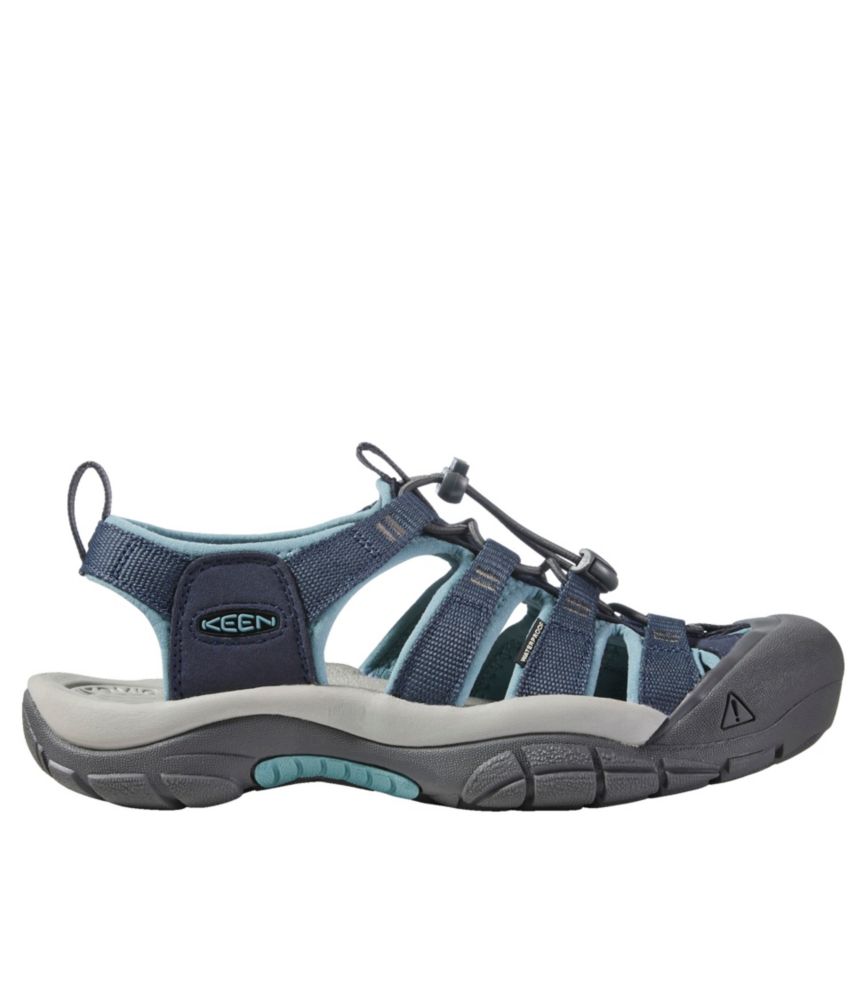
Women's Keen Newport H2
Keen Women's Keen Newport H2
A versatile women's sport sandal with quick-drying nylon and neoprene, offering superior toe protection and traction.
(213)
$130 $130
SALE
What customers like:
Quality materials
Roomy toe
Light weight
Good arch support
Comfortable fit
$130 $130
SALE
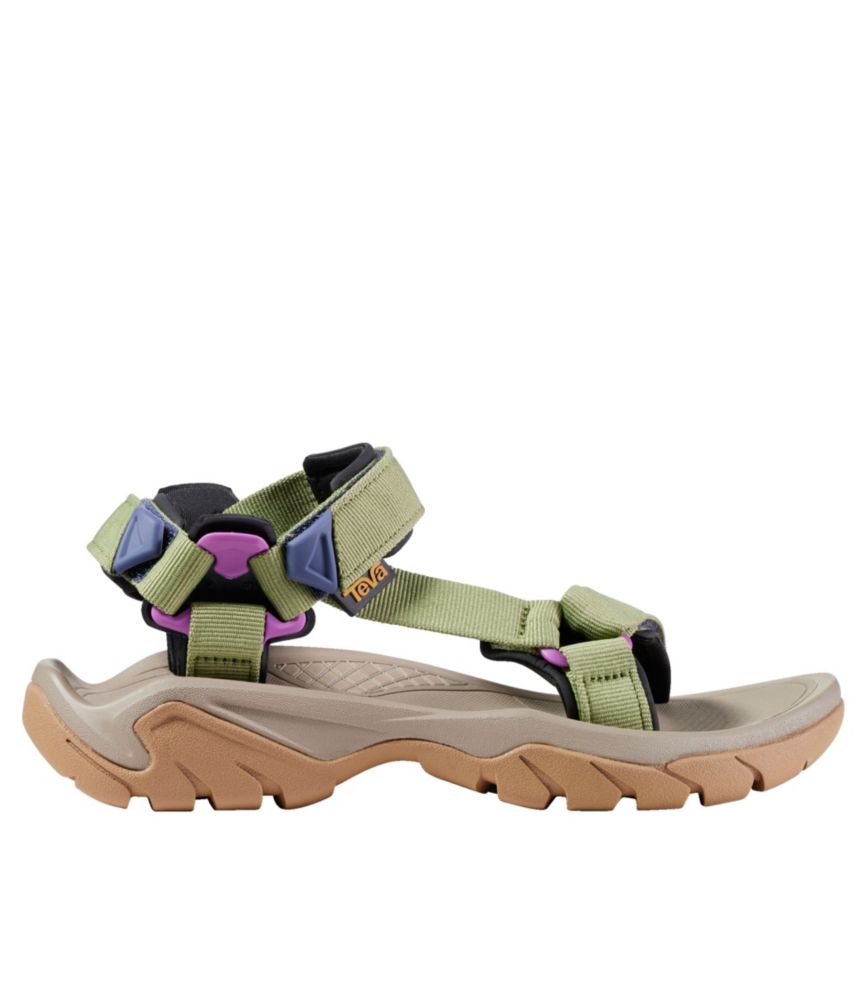
Women's Teva Terra Fi 5 Universal Sandals
Teva Women's Teva Terra Fi 5 Universal Sandals
A green all-terrain sandal with durable rubber outsole and quick-dry recycled polyester webbing.
(0)
$110 $110
SALE
$110 $110
SALE
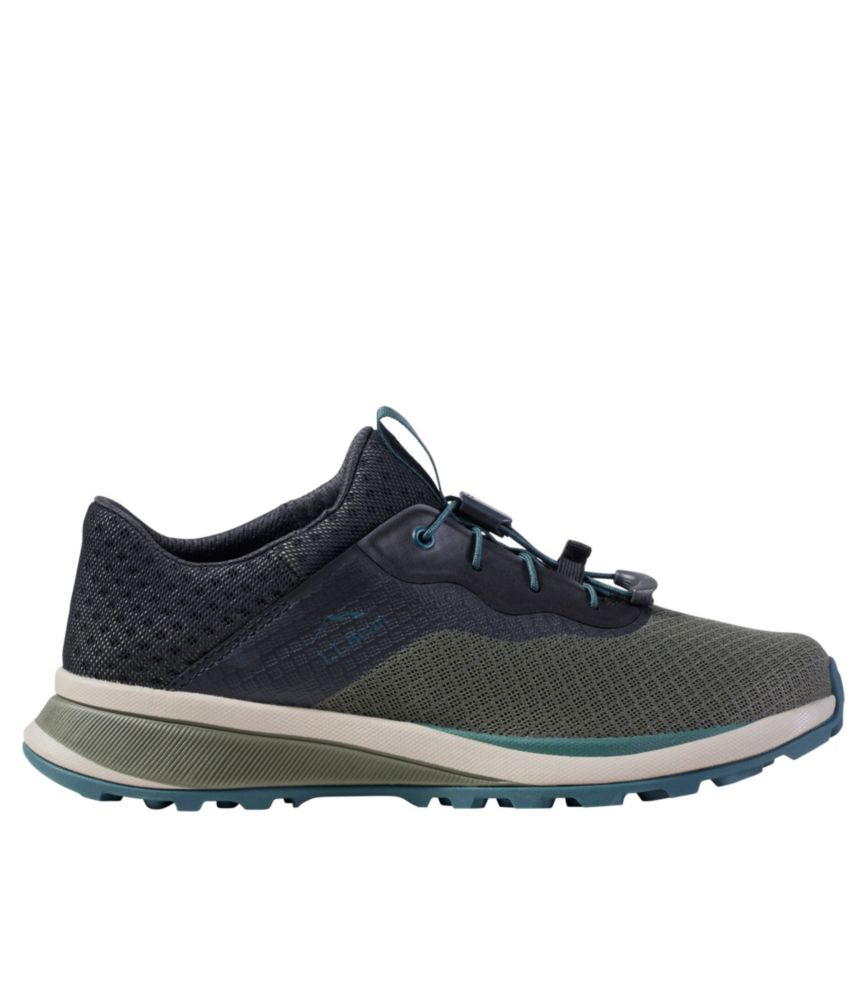
Women's Elevation H2O Shoes
L.L.Bean Women's Elevation H2O Shoes
A lightweight green water shoe with quick-drying nylon/neoprene and a grippy VertiGrip outsole for traction.
(0)
$99.95 $64.99
SALE
$99.95 $64.99
SALE
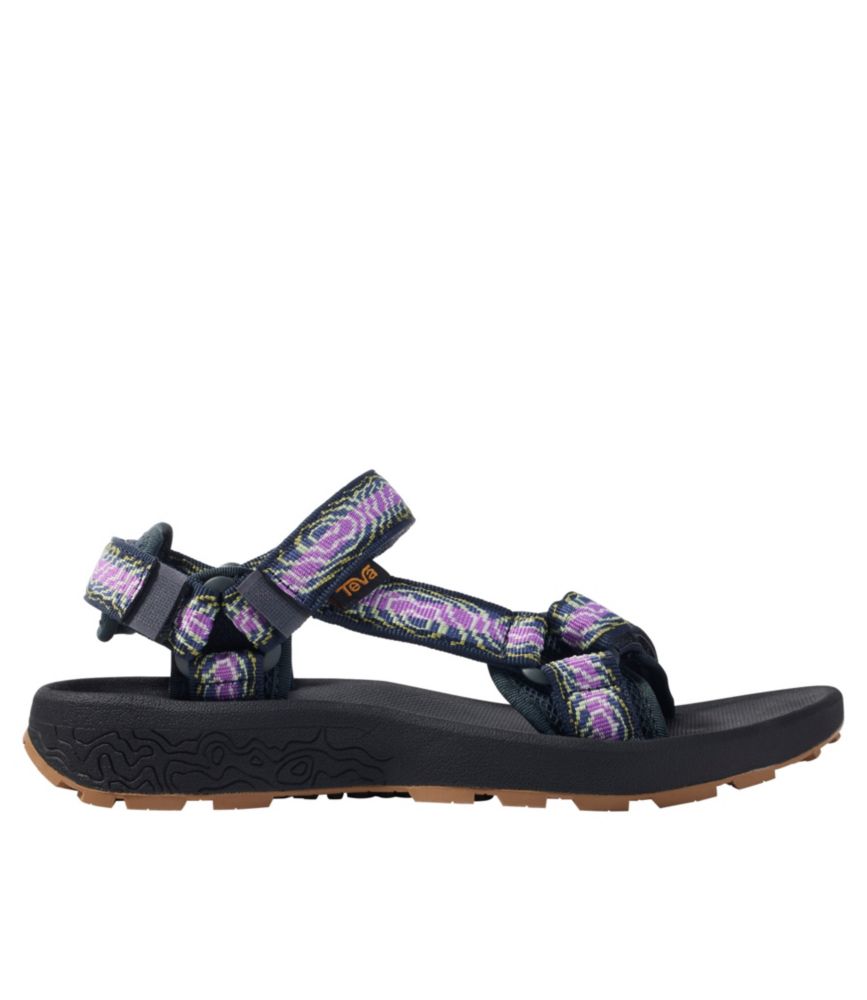
Women's Teva Hydratrek Sandals
Teva Women's Teva Hydratrek Sandals
A purple sandal with recycled materials, offering superior wet traction and quick-dry comfort for river adventures.
(0)
$85 $85
SALE
$85 $85
SALE
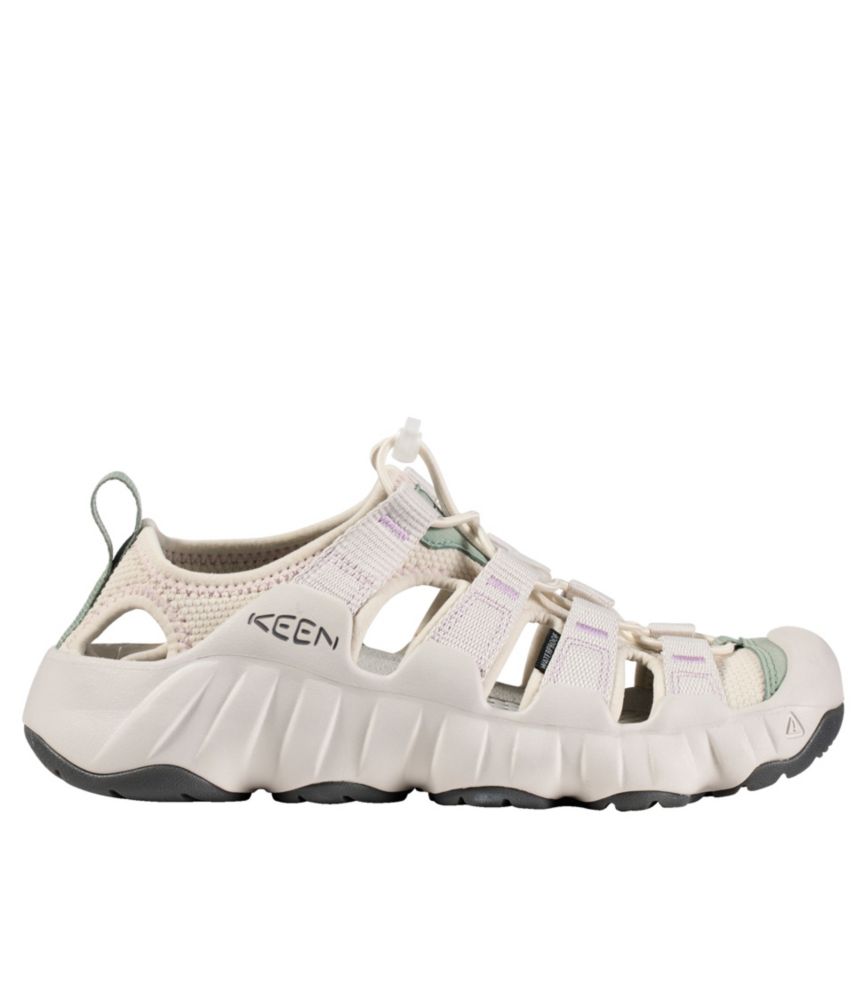
Women's Keen Hyperport H2 Sandals
Keen Women's Keen Hyperport H2 Sandals
A versatile white rubber sandal with Aquagrip sole, quick-cinch lacing, and eco-friendly odor control.
(0)
$120 $120
SALE
$120 $120
SALE

Womens Closed Toe Hiking Sandals

Women’s closed-toe hiking sandals bring together a sandal silhouette and an enclosed front, offering a distinct choice within hiking footwear. The defining detail is the closed toe: rather than leaving the front of the foot exposed as an open-toe sandal does, the design extends around the toes. That difference gives the category its recognizable look, although the shape, amount of coverage, and overall profile can vary from one design to another. For women who prefer this style for hiking, the appeal begins with that combination—not with an assumption that every pair has the same construction or capabilities. A rounded front, a more tapered outline, or a different arrangement of openings can each influence personal preference. Some shoppers like a substantial-looking sandal; others favor a less pronounced silhouette that feels more in keeping with their usual style. Understated colors can create a simple look, while contrasting details give the shape more definition. Those visual choices matter, but the most useful comparison starts with the kind of hiking planned and the individual details provided for each pair. A familiar path shared with a friend and an unfamiliar route chosen for a longer outing deserve separate consideration rather than a blanket footwear recommendation. The hiking designation provides a starting point, while the stated intended use helps put a particular design in context. Closed-toe construction alone does not establish suitability for every route or surface. For a broader look at this footwear category, the Closed Toe Hiking Sandals page offers another place to explore the theme. Within women’s styles, the meaningful differences come down to the details that suit the wearer: the shape around the toes, the proportions through the middle of the foot, the fit at the heel, and an appearance that feels like a natural personal choice.

Fit is especially personal in women’s closed-toe hiking sandals because the enclosed front makes toe-room considerations different from those of an open-toe design. Length is only one part of the picture. The width of the forefoot, the height of the instep, and the shape of the heel all contribute to how a sandal feels, and two people wearing the same numerical size may prefer quite different shapes. A familiar shoe size is a useful reference, not a substitute for the measurements and sizing notes supplied with a particular design. The relationship between the toes and the enclosed front deserves attention: toes should not feel pressed against the end or crowded together at the sides. At the same time, choosing extra length simply to gain width may create an unsatisfactory fit elsewhere. Where adjustment is included, its location matters as much as its presence; changing the fit across the instep is not the same as changing the space around the forefoot. Fit descriptions and photographs help clarify those differences without relying on the general category name. A thoughtful comparison also accounts for differences between the left and right foot, especially when one foot is slightly longer or wider. During an indoor try-on, standing and taking a few ordinary steps can reveal contact points that are easy to miss while seated. Pressure at the front, rubbing along an edge, or unwanted movement at the heel are reasons to reassess the fit rather than assume they will disappear. These considerations are relevant to women exploring hiking for the first time as well as those who already know their preferred footwear shape. The goal is not to find a universally “best” silhouette, but to identify proportions and a fit that make sense for the person wearing the sandals. Familiar preferences from previous hiking footwear can be helpful, provided they are checked against the details of the next pair.

Materials, construction, and care provide another important layer of comparison, but they belong to the individual design rather than to every women’s closed-toe hiking sandal. A similar appearance does not necessarily mean identical materials, and the category name does not establish how a pair should be cleaned or maintained. Material descriptions, construction details, and care directions are therefore more useful than assumptions based on photographs alone. The upper, enclosed toe section, footbed, and sole may each have different care requirements, making the complete instructions worth reviewing before choosing a cleaning method. A familiar routine used for another pair of shoes should not automatically carry over to sandals. Washing, soaking, brushing, or applying a treatment should follow the directions supplied for the footwear, rather than a general rule for the category. Durability deserves the same careful approach: an outdoor-inspired appearance is not, by itself, evidence of a particular lifespan. How often the sandals are worn, the conditions specified for their use, and the care they receive all belong in a realistic assessment of long-term ownership. Thoughtful comparison means looking for clear construction information rather than treating a heavier-looking shape as proof that it will last longer. For someone replacing a well-used pair, specific observations can make the choice more meaningful: whether the previous toe shape felt too narrow, whether the heel fit was satisfactory, or whether the care routine suited everyday habits. Women’s closed-toe hiking sandals can also be a considered gift for someone who has expressed a preference for this kind of hiking footwear. Knowing the recipient’s usual size is helpful, but knowing her preferred fit and style is better; a gift chosen around those details feels more personal than one selected around a general interest in the outdoors. Whether the purchase marks the start of a shared hiking routine or replaces a familiar favorite, attention to shape, sizing, intended use, and care keeps the choice grounded in the wearer’s actual needs.
Read More

FAQs