It's time to upgrade your browser

Your current browser is no longer supported on llbean.com. Please upgrade to one of the following for a smoother, safer shopping experience with us:

Mens Closed Toe Sandals

Shop men's closed-toe sandals for the familiar sandal style with added toe coverage. Browse the selection and compare sizing, fit guidance and individual product details to find the pair that’s right for you.
Read More
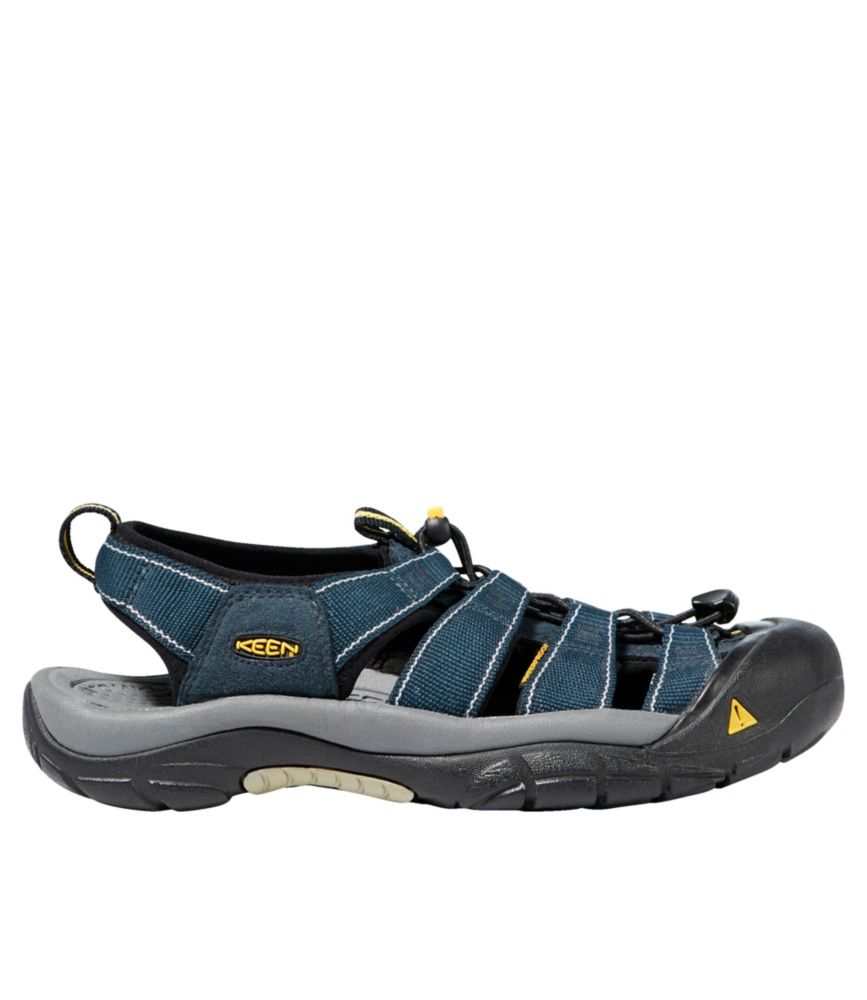
Men's Keen Newport H2 Sandals
Keen Men's Keen Newport H2 Sandals
A supportive blue sandal with quick-drying neoprene straps and a sticky rubber outsole for traction.
(408)
$130 $130
SALE
What customers like:
Great for hiking
Performs well in water
Handles rocky terrain
Effective in muddy conditions
Provides good traction on slopes
$130 $130
SALE
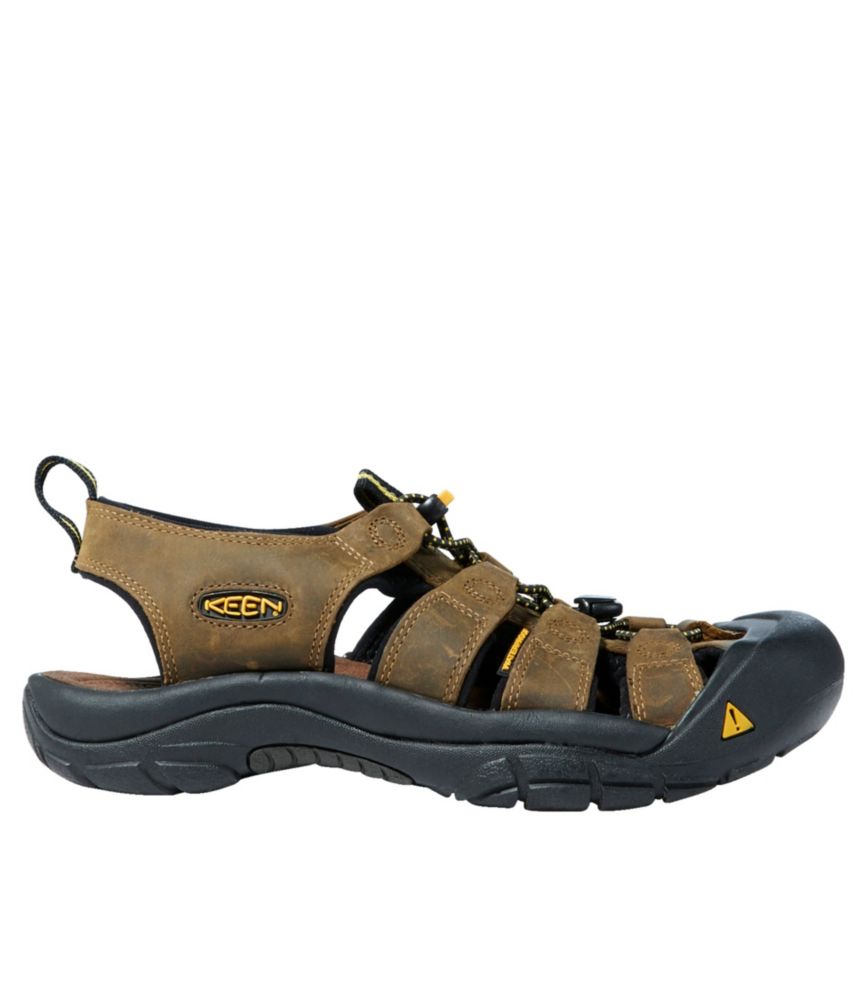
Men's Keen® Newport Sandals
Keen Men's Keen® Newport Sandals
A hybrid sandal with waterproof leather, neoprene lining, and carbon-rubber outsole for superior wet-dry traction.
(294)
$135 $135
SALE
$135 $135
SALE
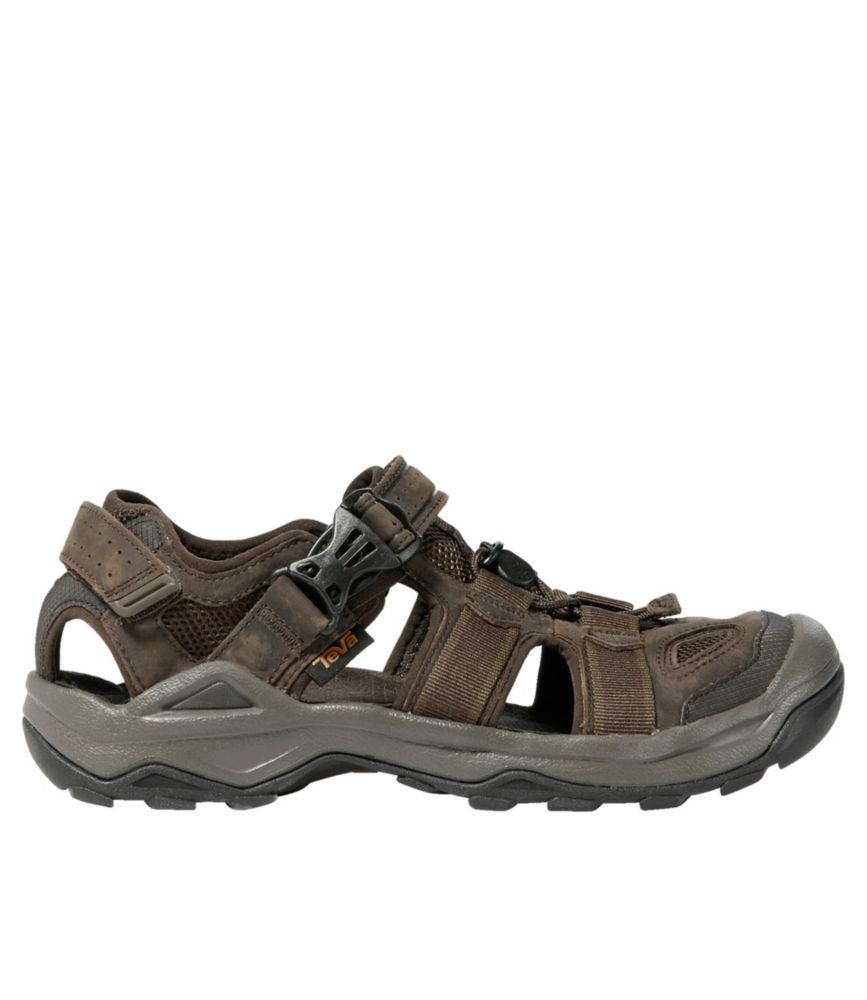
Men's Teva Omnium 2 Leather Sandals
Teva Men's Teva Omnium 2 Leather Sandals
A rugged brown sandal with waterproof leather straps, odor-resistant footbed, and nonmarking rubber outsole.
(148)
$100 $100
SALE
What customers like:
Durable construction
Good fit
Comfortable to wear
$100 $100
SALE
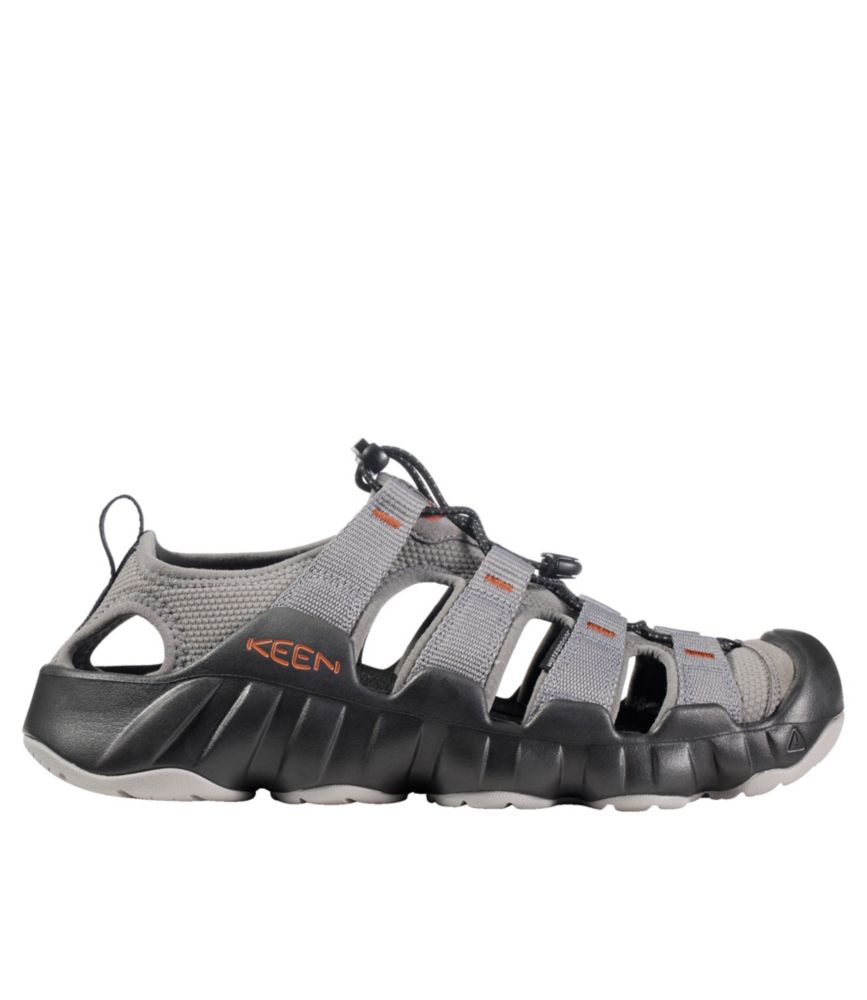
Men's Keen Hyperport H2 Sandals
Keen Men's Keen Hyperport H2 Sandals
A versatile gray sandal with washable polyester webbing, Aquagrip rubber sole, and lightweight, odor-resistant comfort.
(0)
$120 $120
SALE
$120 $120
SALE

Mens Closed Toe Sandals

Men’s closed-toe sandals bring a covered-front silhouette to a familiar footwear style, offering a distinct choice for anyone who prefers not to leave their toes exposed. The defining detail is straightforward: the front of the sandal encloses the toes rather than leaving them open. That description identifies the shape, not a particular level of protection or a promise about how the footwear will perform. Within that general shape, the details make a difference to personal style. The outline of the toe, the arrangement of the upper and the proportions of the sole all contribute to how a pair looks. A rounded profile can create a different impression from a narrower one, just as a simple upper looks different from a more intricate design. For someone who favors a straightforward wardrobe, those distinctions can matter more than a long list of features. Closed-toe sandals need not look identical to belong to the same category, and comparing their overall shape is a useful starting point. Product photographs can help show the front, sides and heel, while the description provides details that a photograph cannot settle. A view from above, for example, reveals the outline but does not establish how much room there is inside. Men who already know they prefer an enclosed toe can focus on the design details that suit their taste rather than sorting through every type of sandal. Those comparing different silhouettes can also explore men’s open-toe hiking sandals for a separate category with an open front. The distinction between open and closed toes is a matter of design; any activity-specific features deserve a closer look in the individual product description. Keeping those two considerations separate makes it easier to appreciate the style without reading more into the category name than it says.

Fit brings another set of personal preferences to the choice of men’s closed-toe sandals. A familiar shoe size is a starting point, but it does not tell the whole story of how a particular shape will feel on a particular foot. Length, width and the space around the toes deserve separate attention, especially because the front of the sandal is enclosed. Someone whose toes feel crowded in a tapered shape may evaluate the outline differently from someone who prefers a closer fit. Neither preference can be resolved by appearance alone. The listed sizing information, any width options and the individual fit notes provide a more useful basis for comparison than assuming every sandal follows the same proportions. Where a design includes an adjustable closure, its location and adjustment range are worth reviewing rather than assuming it changes the fit throughout the sandal. An adjustment over the top of the foot, for instance, does not necessarily create more room at the toe. When trying on footwear, the relationship between the heel, the upper and the front of the sandal matters as a whole. Toes should not have to curl to fit within the enclosed space, and a size label alone is not a reason to overlook an awkward fit. Checking both feet helps account for differences that may not be obvious at first. These considerations also matter when sandals are a gift for a partner, father, brother or friend. Knowing that the recipient likes closed-toe styles is helpful, but knowing their usual size, width preference and favored footwear shape is more informative. A discreet look at the sizing information in a pair they already own can provide a starting reference, though it cannot guarantee the same fit in a different design. A thoughtful footwear gift reflects the recipient’s preferences, including the details they notice every time they put a pair on.

Materials, construction and care add context to the choice, but they are details to confirm for each pair rather than assume from the words “closed-toe sandals.” The category describes a silhouette; it does not specify what the upper, lining or sole is made from, how the sandal should be cleaned or which activities the design is intended for. Material descriptions are most useful when read alongside construction details and care instructions. A photograph may suggest a certain texture or finish, but the written product information is the better place to verify composition. The same distinction applies to durability: a substantial-looking outline is not, by itself, evidence of how long footwear will last. Construction, the way a pair is used and adherence to its care directions all deserve consideration, without treating appearance as a performance rating. For anyone replacing a familiar pair, the small details that mattered before can help narrow the comparison. The shape of the opening, the position of a closure and the way the upper meets the sole may be more relevant than a broadly similar look. Care is another practical part of that comparison. Before choosing a pair, reading its cleaning directions can clarify what routine attention involves and whether that routine suits the owner’s preferences. Washing, soaking or applying a treatment should not be assumed appropriate simply because the footwear is a sandal. Following the directions supplied for the individual pair avoids substituting a general cleaning habit for material-specific care. Intended use calls for the same attention to detail. A closed front does not establish that a sandal is designed for a particular activity, surface or setting; that information belongs in its own description. Looking at style, fit, verified construction details and care together creates a clearer picture than relying on any one feature. The result is a more considered choice of men’s closed-toe sandals—one grounded in the shape someone likes, the fit they need and the details that matter to them.
Read More

FAQs