It's time to upgrade your browser

Your current browser is no longer supported on llbean.com. Please upgrade to one of the following for a smoother, safer shopping experience with us:

Headlamps For Stargazing

Explore headlamps for stargazing to find an option for your next evening under the stars. As you browse, check individual product details for lighting modes, controls and power requirements to help choose the right headlamp for your plans.

Read More
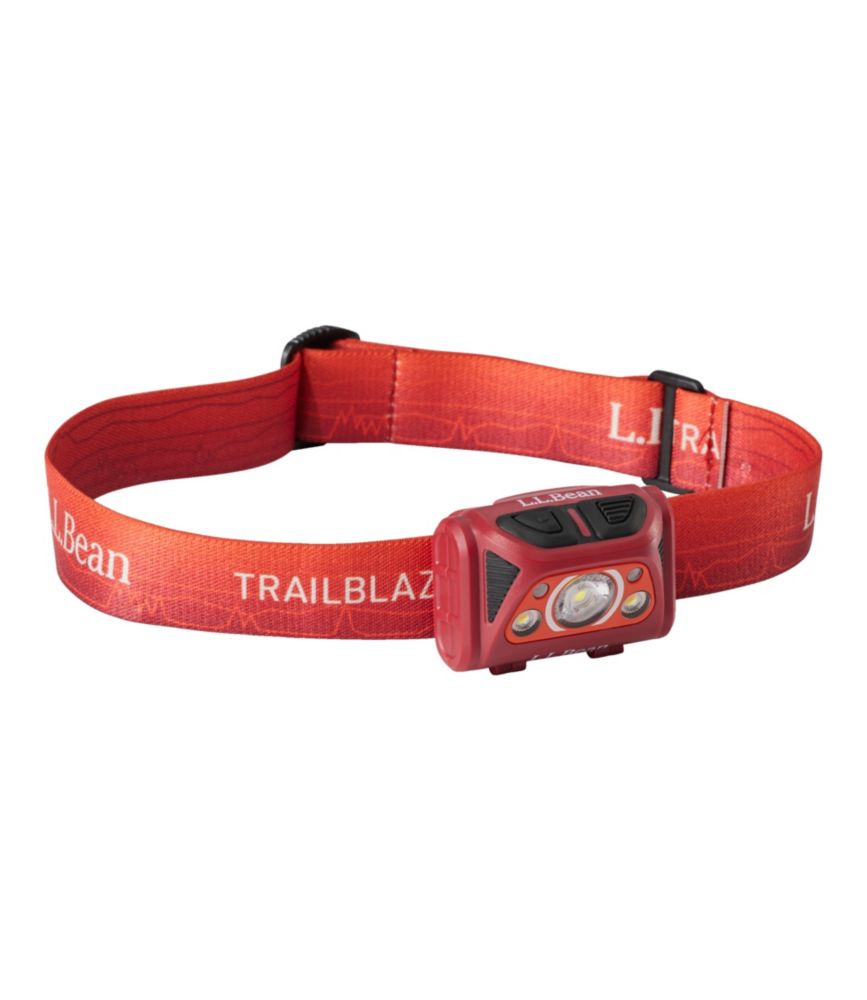
L.L.Bean Trailblazer 250 Headlamp
L.L.Bean L.L.Bean Trailblazer 250 Headlamp
A red 250-lumen headlamp with red night-vision mode, 90-degree tilt, 213-foot beam, and IPX4 water resistance.
(288)
$32.95 $32.95
SALE
$32.95 $32.95
SALE
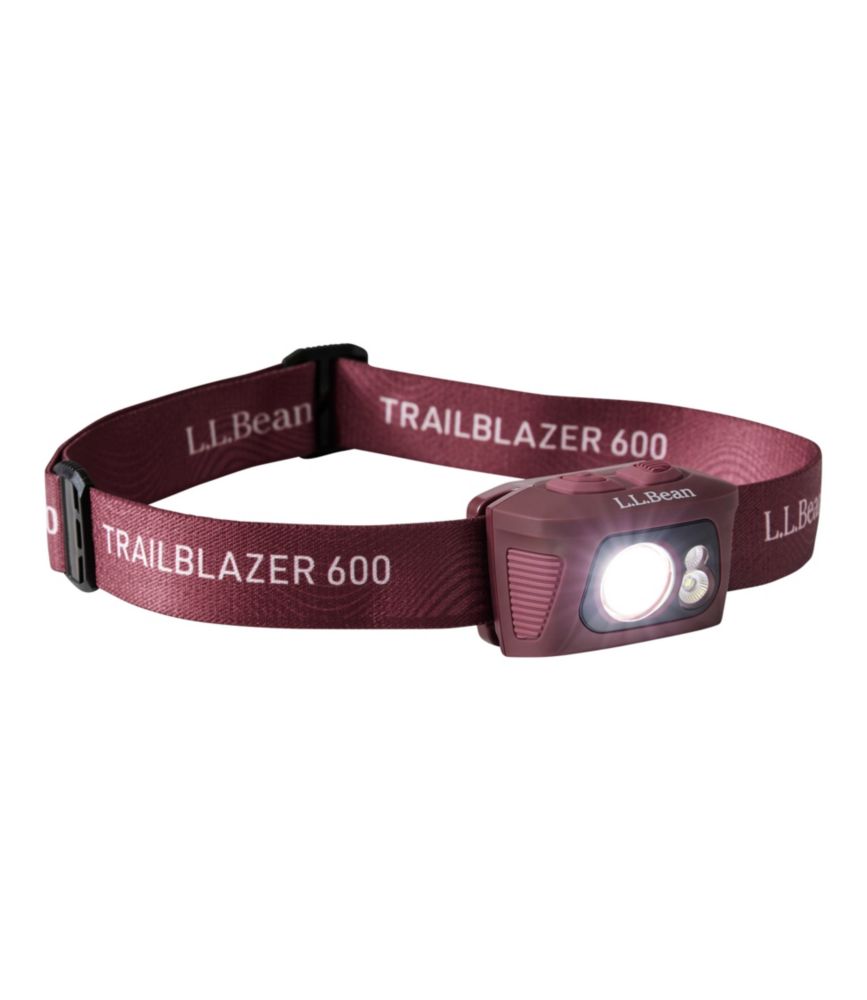
Trailblazer 600 Headlamp
L.L.Bean Trailblazer 600 Headlamp
A red headlamp with six modes, 600-lumen output, night-vision red light, and 90-degree tilt.
(0)
$44.95 $44.95
SALE
$44.95 $44.95
SALE
L.L.Bean Trailblazer 700 Rechargeable Headlamp
L.L.Bean L.L.Bean Trailblazer 700 Rechargeable Headlamp
A red rechargeable headlamp delivering 700 lumens with seven modes, a tilting body, and waterproof construction.
(0)
$54.95 $54.95
SALE
$54.95 $54.95
SALE

Headlamps For Stargazing

Headlamps for stargazing are worth choosing with your own approach to the night sky in mind. An evening spent finding familiar constellations from the backyard can feel different from a gathering at an astronomy club’s observing site, even though both begin with the same pleasure: looking up and noticing more. The right addition to your equipment should make sense for that experience, whether your interest is just beginning or a notebook already holds years of observations. Stargazing does not have to mean identifying every object overhead. It might mean following the outline of a constellation, watching the moon rise above the trees, or sharing the first glimpse of a planet through a telescope. A headlamp is one part of the equipment you choose for those evenings, alongside whatever else belongs in your personal setup. Some observers bring a printed star chart and a pencil; others prefer a telescope, an observing journal, and a favorite place to sit. That variety makes thoughtful selection more useful than choosing by appearance alone. Consider where you usually observe, whether you attend organized gatherings, and what matters to you in something you will wear. Darkness is central to the experience, and shared observing spaces often have expectations about lighting. Event organizers can explain those expectations before a visit, giving you a useful starting point when reviewing individual headlamp details. Keeping unnecessary light to a minimum is also a considerate habit around other observers, regardless of the equipment involved. The appeal of stargazing is often in the small discoveries: a familiar pattern becoming recognizable, a faint point drawing everyone’s attention, or a conversation pausing while someone takes another look. Choosing equipment with those moments in mind keeps the focus where it belongs—on the sky and the people enjoying it together.

Fit, construction, and care information deserve a close look when comparing headlamps for stargazing. Because a headlamp is worn on the head, personal fit is an important part of the decision, not an afterthought. Read the stated sizing and fit information, and consider the preferences of the person who will wear it. Two people may have different impressions of the same fit, so a familiar appearance is not a substitute for checking the details. If you have worn a headlamp before, think about what you liked and what you would change; those observations can make a new choice more deliberate. Listed measurements and weight, where provided, offer additional points of comparison without requiring a complicated shopping checklist. Materials and construction information can help you understand an individual item, while its care instructions explain how it should be looked after. For questions about durability, look for specific construction details rather than relying on appearance or broad descriptions. Cleaning and storage should follow the instructions supplied with the item, including any directions that apply to its separate components. Keeping those instructions with your equipment makes them easier to find when needed. These practical considerations are especially useful when choosing a gift. A headlamp for someone who enjoys stargazing can be a thoughtful acknowledgment of an interest that brings them outside, but personal preferences still matter. A friend who regularly attends astronomy gatherings may already have clear equipment preferences, while someone beginning to explore the sky may appreciate being involved in the selection. Asking about their existing setup helps make the gift feel considered rather than guessed at. The recipient might be a partner who knows the constellations by heart, a relative who has recently joined an astronomy club, or a friend who enjoys lingering outside after everyone else has gone indoors. There is no need to turn that interest into a bigger undertaking than they want. A well-considered choice respects the way they already enjoy stargazing, including the equipment they own and the routines they prefer. Personal fit, clear product information, and attention to care are useful foundations for a choice intended to remain part of that routine.

The setting can shape your shopping priorities without changing the simple appeal of looking up. For backyard stargazing, the familiar surroundings and freedom to return another evening may be part of the pleasure. At a shared observing site, the experience includes other people’s routines, equipment, and expectations. A public astronomy gathering might center on a particular celestial event, while an informal evening with friends may have no plan beyond seeing what catches someone’s eye. None of these experiences requires the same level of involvement from every person. One observer may enjoy recording details; another may be happy to recognize a single constellation and spend the rest of the evening listening. Headlamps for stargazing belong within those individual choices, so compare the information for each item against the experience you actually have in mind. It also helps to distinguish your interests rather than assume one purchase must answer every equipment need. If camping is another activity you enjoy, Best Headlamps For Camping is a related collection to explore separately. For stargazing itself, there is plenty to appreciate without an elaborate itinerary. The moon’s changing appearance gives a familiar subject fresh detail, and the movement of the sky over an evening can make a second look rewarding. A constellation learned with a friend may become something you recognize on your own later; a telescope view shared with a group can turn a distant point into a memorable discovery. Those are experiences worth making room for, whether astronomy is a longstanding interest or an occasional reason to step outside. Equipment selection can remain equally straightforward: begin with your observing plans, review the individual product details, and give fit and care the attention they deserve. The result is a more considered choice for an interest that can be enjoyed quietly, shared generously, and returned to again and again.
Read More

FAQs