It's time to upgrade your browser

Your current browser is no longer supported on llbean.com. Please upgrade to one of the following for a smoother, safer shopping experience with us:

Elevation Trail Shoes

Shop Elevation trail shoes and compare the available options to find your next pair. Check individual product descriptions and sizing information for the details that matter to you, from fit to features.
Read More
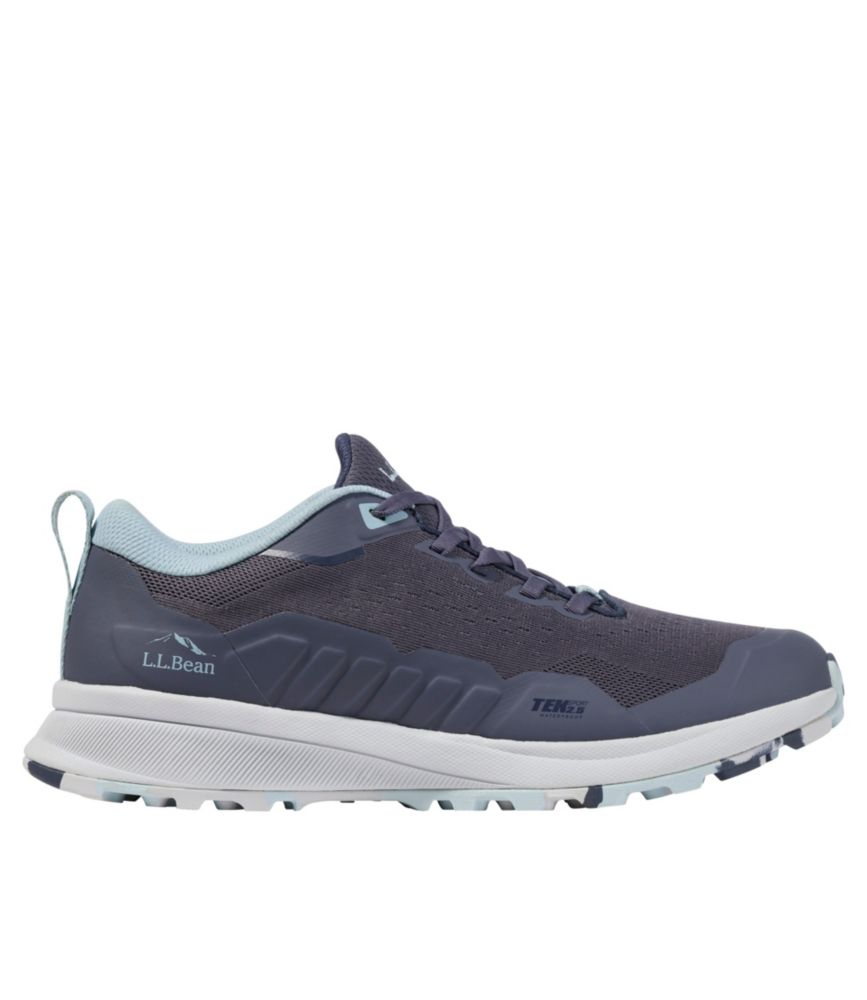
Women's Elevation Trail Shoes, Waterproof
L.L.Bean Women's Elevation Trail Shoes, Waterproof
A blue waterproof trail shoe with recycled mesh, EVA cushioning, rock protection, and durable rubber traction.
(0)
$130 $130
SALE
$130 $130
SALE
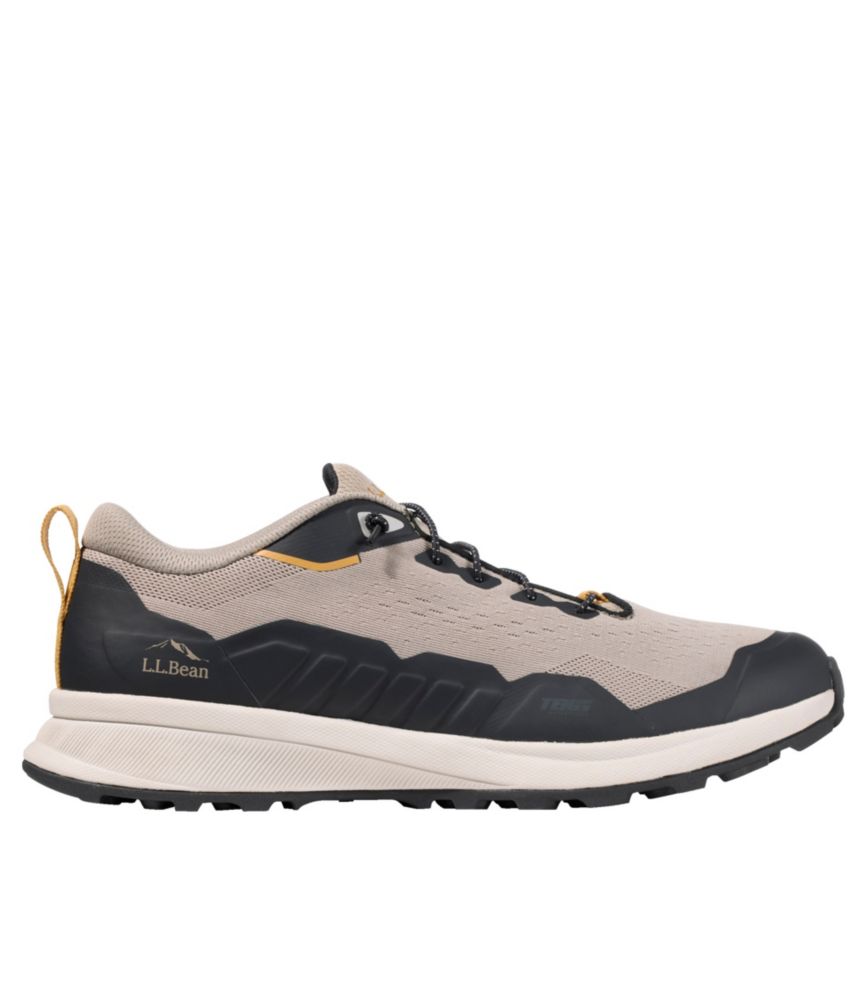
Men's Elevation Trail Shoes, Waterproof
L.L.Bean Men's Elevation Trail Shoes, Waterproof
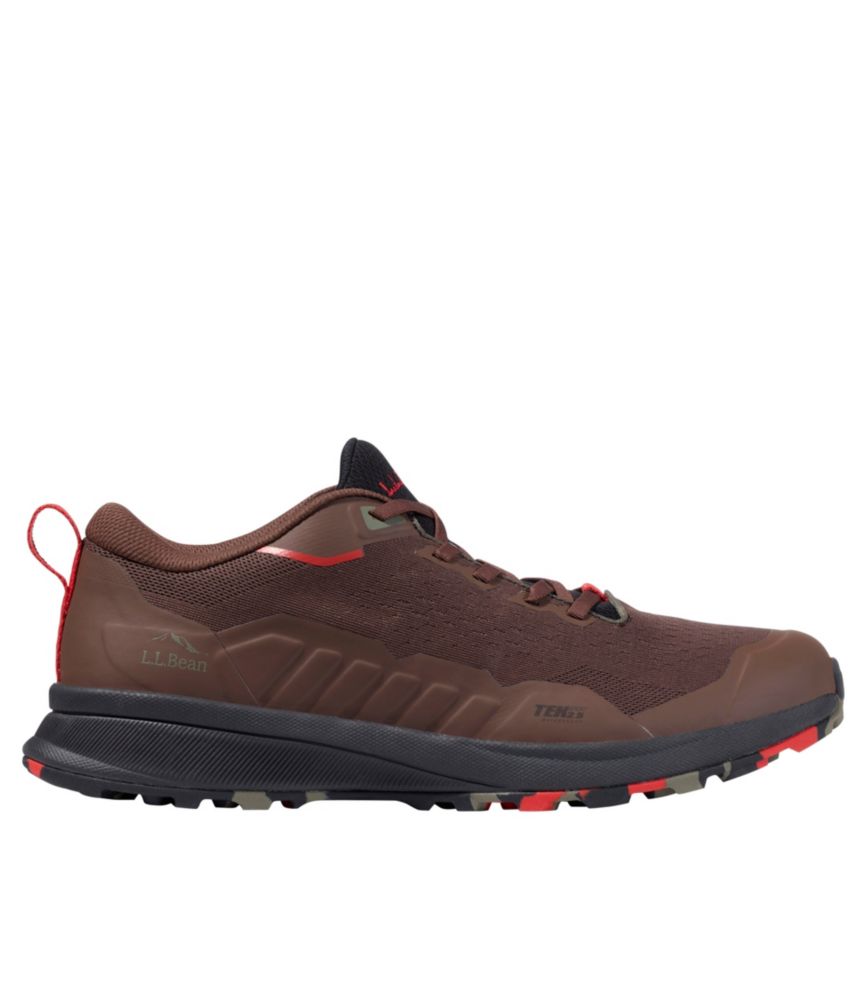
A brown, lightweight waterproof trail shoe with recycled mesh, rock protection, and grippy rubber traction.
(0)
$130 $130
SALE
$130 $130
SALE
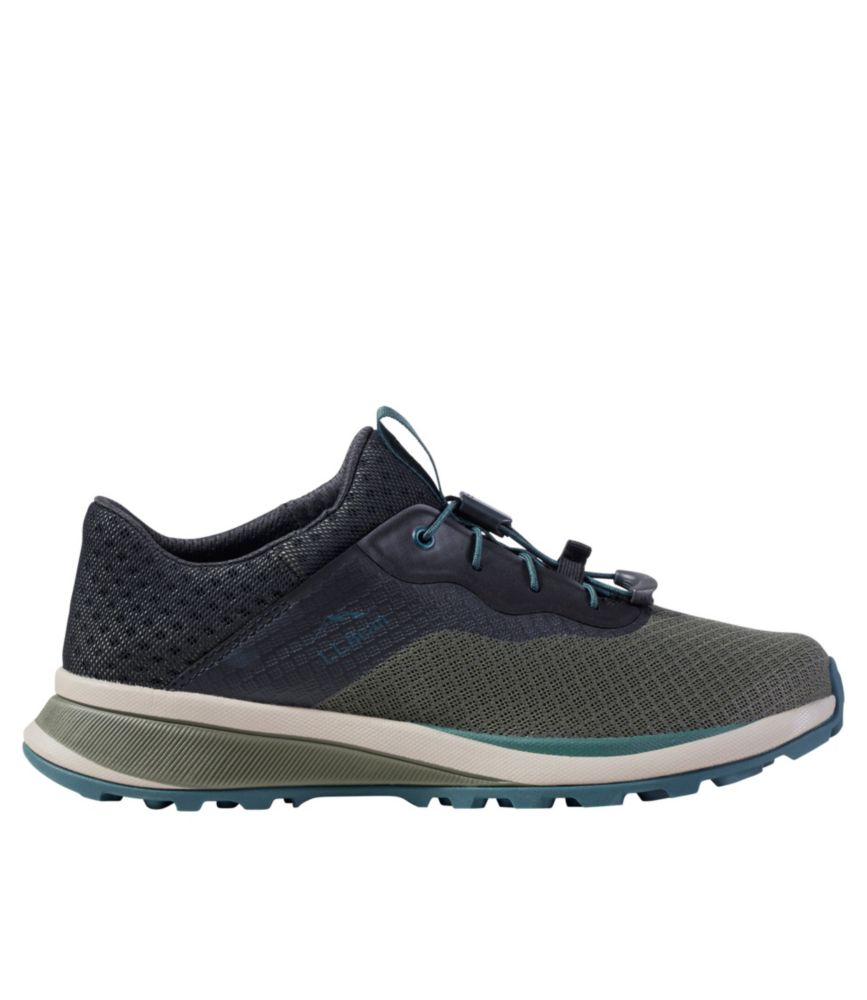
Men's Elevation Travel Slip-On Shoes, Waterproof
L.L.Bean Men's Elevation Travel Slip-On Shoes, Waterproof
A gray, lightweight waterproof mesh shoe with cushioned support, flexible traction, and easy-on bungee lacing.
(0)
$130 $130
SALE
$130 $130
SALE
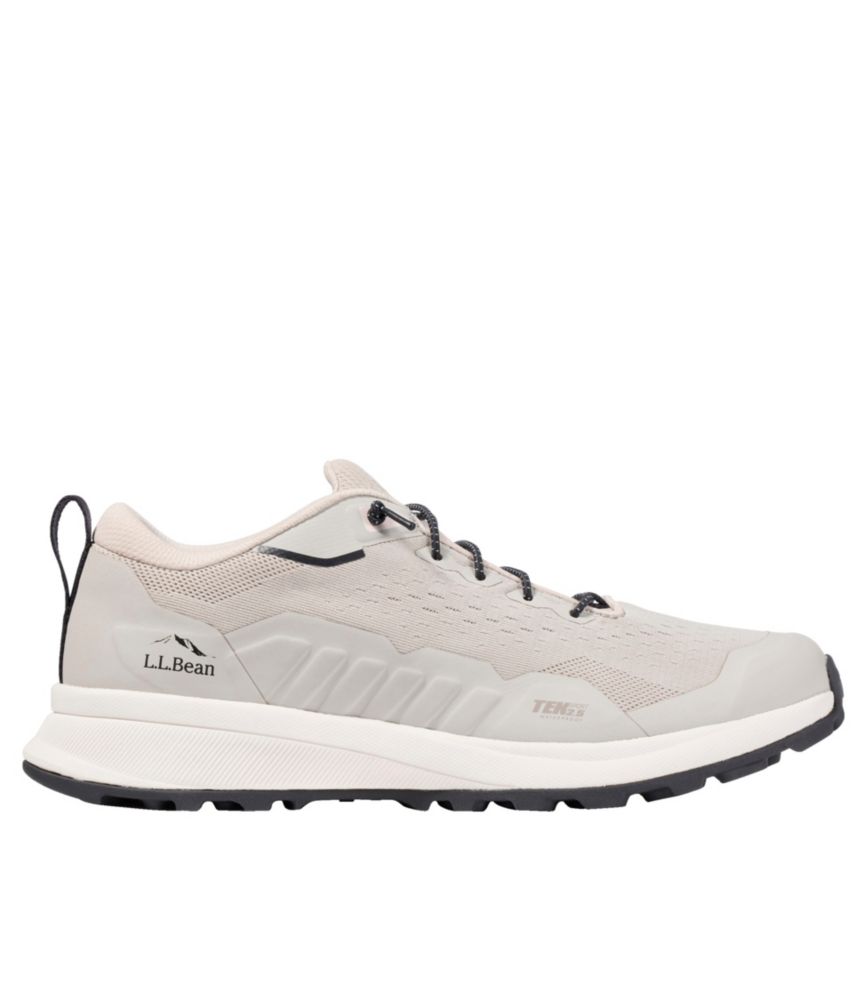
Women's Elevation Travel Slip-On Shoes, Waterproof
L.L.Bean Women's Elevation Travel Slip-On Shoes, Waterproof
A tan, lightweight waterproof slip-on with recycled mesh, cushioned support, rock protection, and grippy rubber traction.
(0)
$130 $130
SALE
$130 $130
SALE
Women's Elevation H2O Shoes
L.L.Bean Women's Elevation H2O Shoes
A green, quick-drying nylon-and-neoprene water shoe with wet/dry traction, cushioned comfort, and a convertible heel.
(0)
$99.95 $59.99
SALE
$99.95 $59.99
SALE

Elevation Trail Shoes

Elevation trail shoes offer a starting point for choosing footwear for time on the trail, with personal fit, style and product details all part of the decision. A trail outing can mean following a familiar loop with a friend, meeting family at a favorite trailhead or exploring a footpath that has caught your attention for years. Those experiences have something in common: the pleasure of stepping away from a busy schedule and noticing what is nearby. A bend in the path, the sound of birds overhead or a conversation without interruptions can become the most memorable part of the outing. Choosing shoes belongs to the practical side of that experience, and the choice deserves more attention than appearance alone. The shape of a shoe, its sizing information and its construction details help tell a fuller story than a photograph. Personal preferences matter, too. Some shoppers begin with a familiar silhouette; others start by checking measurements or comparing the fit notes with a pair they already own. Neither approach needs to be complicated. The useful distinction is between what looks appealing and what matches the details that matter to the person wearing it. Trail shoes are a category to explore with that individual perspective in mind, rather than treating every pair as interchangeable. For someone who enjoys returning to the same local trail, familiarity may shape the decision. For someone joining friends on an unfamiliar route, learning about the trail itself can help clarify what to look for in the product description. Distance, terrain and the character of the outing provide context, while the individual shoe’s stated details provide the basis for comparison. Together, those details make browsing more purposeful, keeping attention on the shoes themselves and the simple enjoyment of spending time outside with people who make the experience meaningful.

Fit is one of the most personal considerations when comparing elevation trail shoes. A size printed inside an older pair can be a helpful reference, but the sizing guidance for the style being considered deserves a separate look. Foot length is only part of the picture; width, toe shape and the way a shoe sits around the heel also influence personal preference. Someone who has often found shoes narrow through the forefoot will approach the selection differently from someone whose main concern is extra space at the heel. Those distinctions are useful to keep in mind while reviewing size information, without assuming that choosing a longer shoe will resolve a width concern. Socks belong in the comparison as well. Trying shoes with the socks intended for the trail gives a more relevant impression than trying them with a substantially different pair. When assessing fit, take time to notice where the toes sit, how the heel feels and whether any area creates unwanted pressure. Check both feet rather than judging the pair from one foot alone, and refer to the individual style’s sizing instructions before making a decision. A familiar shoe size is a reference point, not a substitute for those details. Materials and construction are another part of the comparison, best understood through the description of the pair being considered. Fabric names, component information and care directions can help distinguish shoes that look similar in a photograph. For shoppers thinking about durability, those concrete details are more useful than an impression based only on a substantial-looking sole or a particular design. Appearance still has a place in the choice: a straightforward silhouette or an understated overall look may be especially appealing to someone who favors timeless style. The goal is not to find a pair that matches someone else’s preferences, but to weigh the published information against your own. That approach leaves room for individual taste while keeping fit and construction central to the decision.

Care is part of choosing trail shoes, not just something to think about after the first outing. Before settling on a pair, read its care directions and consider how those instructions fit into your routine. Shoes can have different combinations of materials and components, so a cleaning method used for another pair should not automatically become the method for the next one. Check the stated instructions before using a cleaning product, putting shoes in a washing machine or applying heat to dry them. After time on the trail, a little attention to their condition can also help identify when cleaning or further inspection is needed. Look over the laces, seams and sole rather than judging the whole pair by its appearance from above. Care cannot promise a particular lifespan, but understanding the instructions makes ownership less of a guessing game. The same thoughtful approach applies when choosing trail shoes as a gift. A friend who enjoys a regular trail outing or a family member who likes gathering everyone for time outside may appreciate footwear chosen with their preferences in mind. Their size, usual fit concerns and preferred style are more useful starting points than guessing from a photograph or selecting solely by appearance. For a gift recipient with particular fit preferences, involving them in the choice can be a considerate part of the experience. Shoppers interested in exploring the broader category can also browse Outdoor Trail Shoes and compare the details that matter most to them. Whether the decision begins with fit, construction, care or a familiar look, keeping those considerations connected makes the selection easier to understand. A well-considered choice comes from paying attention to the individual pair and the person who will wear it. That is a practical foundation for enjoying the trail, whether the outing brings a long conversation with a friend, a shared family tradition or a welcome chance to notice the landscape along the way.
Read More

FAQs