It's time to upgrade your browser

Your current browser is no longer supported on llbean.com. Please upgrade to one of the following for a smoother, safer shopping experience with us:

Elevation Footwear

Explore Elevation Footwear to find your next pair, comparing styles and individual product details as you browse. Check each pair’s sizing, fit information and listed features to help narrow your choices.
Read More
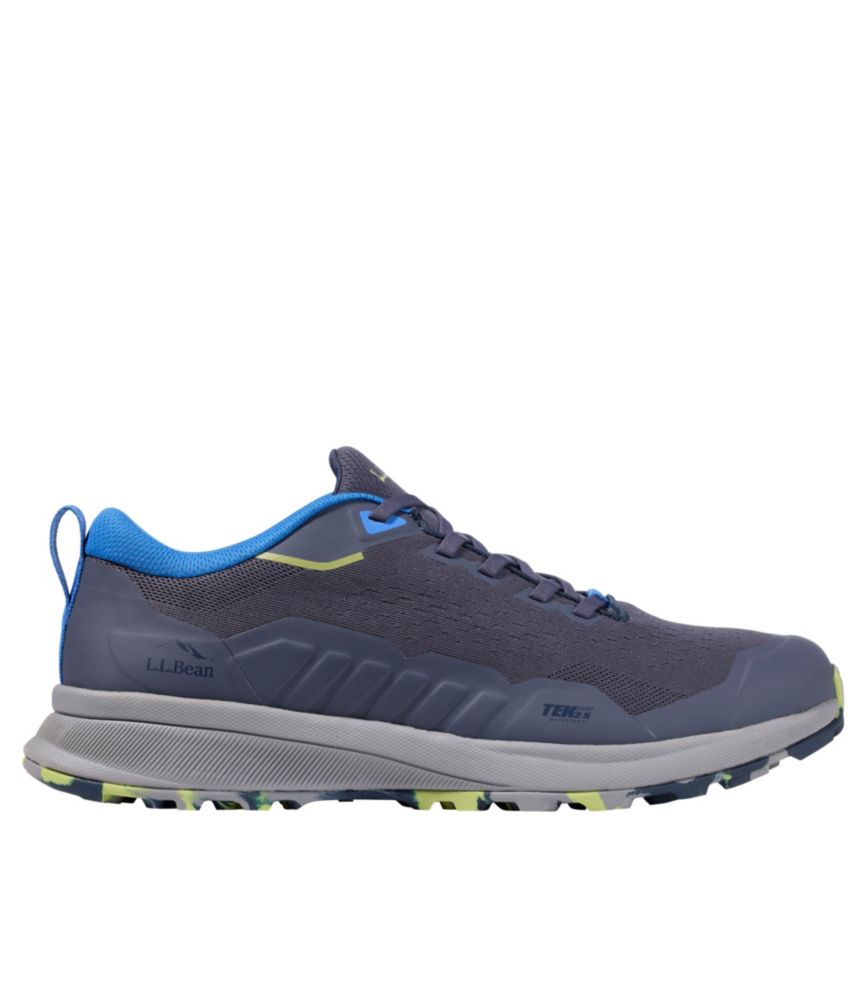
Men's Elevation Trail Shoes, Waterproof
L.L.Bean Men's Elevation Trail Shoes, Waterproof
A lightweight blue trail shoe with waterproof mesh upper, thermoregulating lining, and grippy rubber outsole.
(0)
$130 $130
SALE
$130 $130
SALE
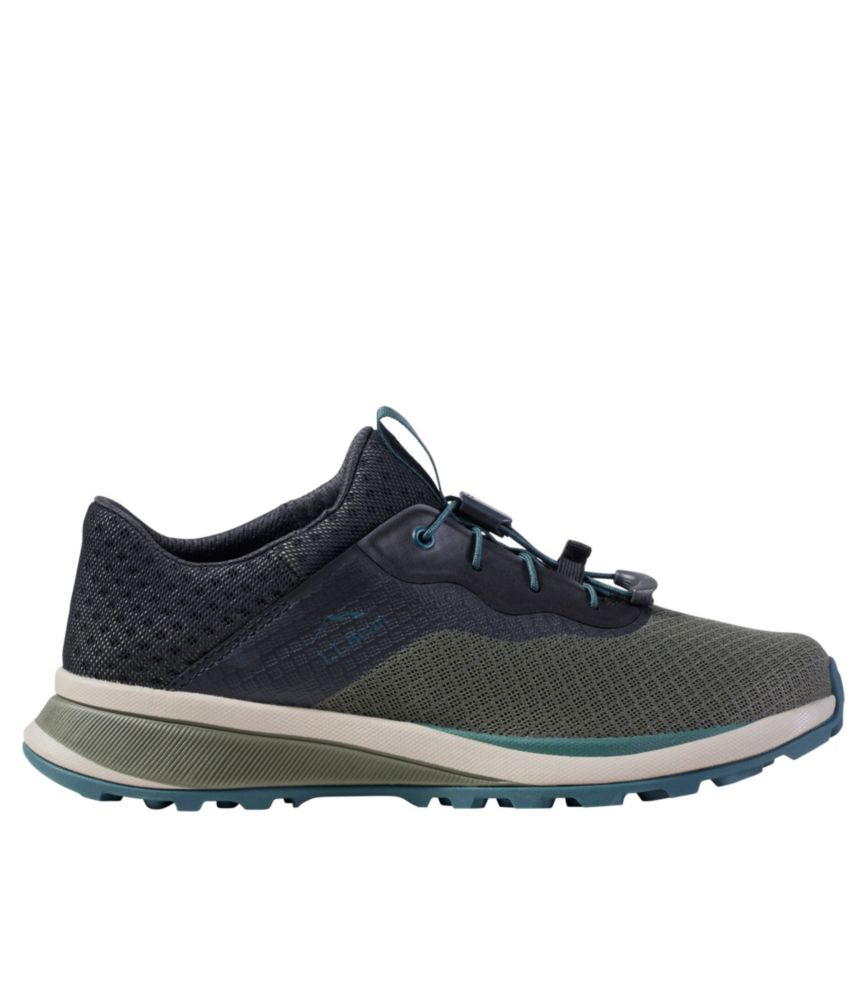
Women's Elevation H2O Shoes
L.L.Bean Women's Elevation H2O Shoes
A quick-drying green nylon and neoprene water shoe with breathable mesh and a grippy VertiGrip outsole.
(0)
$99.95 $64.99
SALE
$99.95 $64.99
SALE
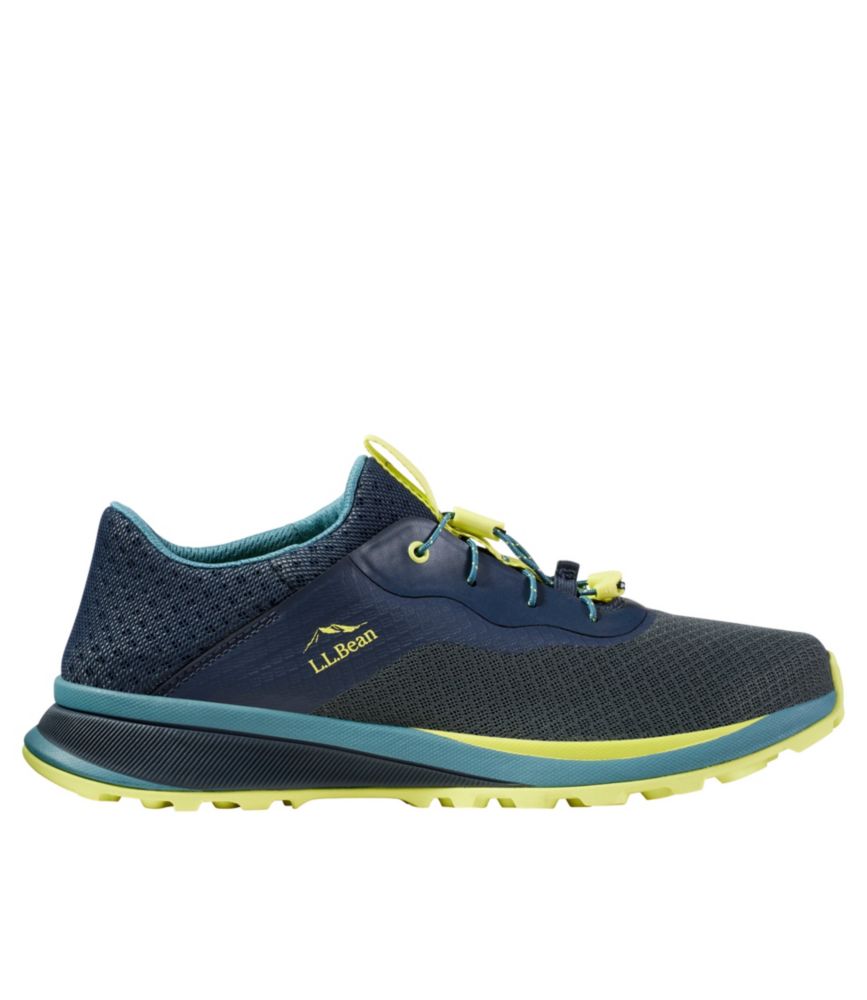
Men's Elevation H2O Shoes
L.L.Bean Men's Elevation H2O Shoes
A lightweight gray water-friendly shoe with breathable nylon/neoprene, cushioned EVA midsole, and VertiGrip outsole.
(0)
$99.95 $64.99
SALE
$99.95 $64.99
SALE
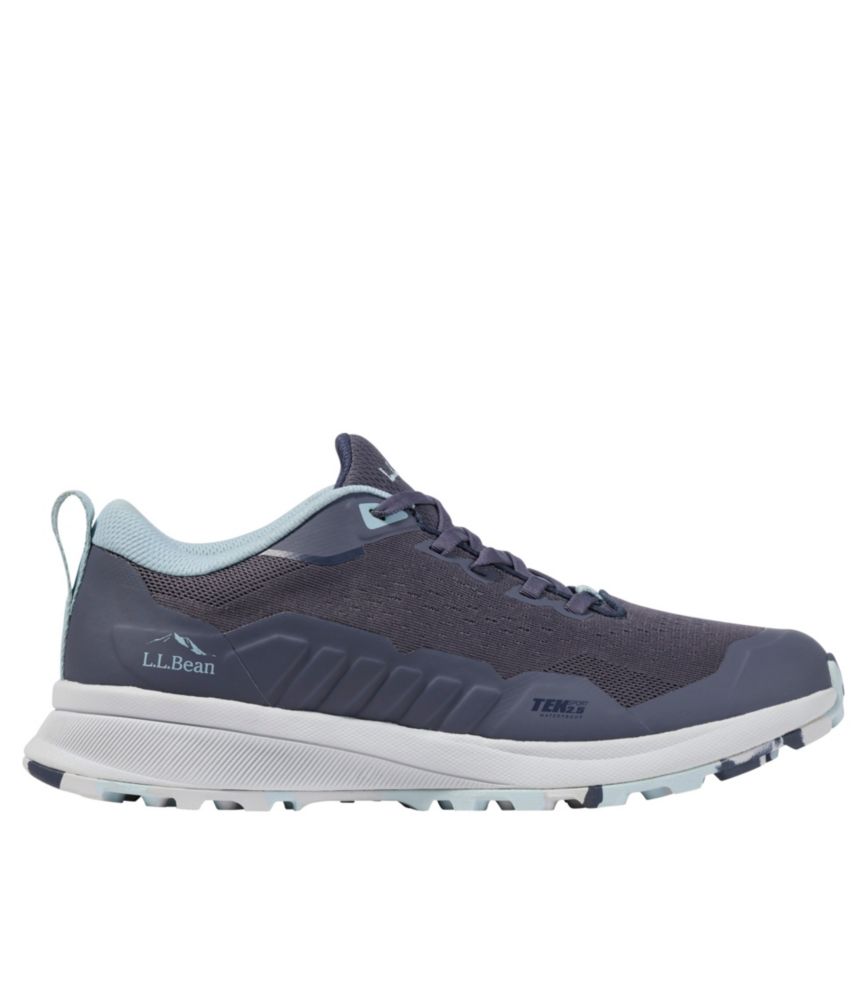
Women's Elevation Trail Shoes, Waterproof
L.L.Bean Women's Elevation Trail Shoes, Waterproof
A lightweight blue trail shoe featuring waterproof mesh, durable rubber outsole, and thermoregulating lining for comfort.
(0)
$130 $130
SALE
$130 $130
SALE

Elevation Footwear

Elevation footwear brings together a collection with a shared name, giving shoppers a focused place to compare footwear and find a style that feels like their own. The name is worth distinguishing from “elevator shoes,” a separate term associated with height-increasing footwear: a collection name alone does not establish that a shoe includes a concealed lift or adds a particular amount of height. For a clear picture of any pair, look to its individual description, photographs, and sizing information rather than treating the name as a technical specification. That approach makes comparison more useful, especially when two designs look similar at first glance. Start with the overall shape, the proportions, and the details that catch the eye, then consider how those elements relate to the footwear already in your closet. Perhaps a familiar silhouette is the starting point, or perhaps a different profile offers a welcome change without feeling far removed from your personal style. Looking at photographs from several angles can help reveal details that a single front view leaves out, including the shape of the opening and the way the upper meets the sole. It also helps to separate what is visible from what needs confirmation in the written description. Appearance can tell part of the story, but it cannot establish materials, construction, or intended use on its own. The appeal of browsing a focused collection is having a manageable starting point for those comparisons, not having to assume that every design has identical characteristics. Elevation footwear can be considered on those individual details, with personal preference leading the initial selection and the accompanying information helping narrow it further. The result is a more thoughtful choice, grounded in what is actually described rather than what a name or photograph might suggest.

Fit deserves just as much attention as appearance, and a familiar size is a starting point rather than the whole decision. Before choosing footwear, check the size chart and any fit notes attached to the pair under consideration. If measurements are requested, follow the chart’s method and measure both feet instead of relying on an old measurement or a size remembered from another purchase. Notice whether width information is provided, too; length and width are separate parts of the fit picture. When trying on a pair, wear the socks you expect to wear with it and take time to assess both feet. Pay attention to the space around the toes, how the heel sits, and whether any part of the opening presses against the foot. A few unhurried steps can reveal something that standing still does not, though a brief try-on cannot establish how footwear will perform in every setting. Follow the retailer’s try-on and return requirements while making that assessment. Materials and care information are another useful part of the comparison, but they should be read at the individual-pair level rather than assumed across the collection. Check the listed composition, look for any separate details about the upper and lining, and read the care directions before deciding whether the upkeep fits your routine. Avoid choosing a cleaning method solely because two pairs have a similar appearance; their instructions may differ. Durability likewise deserves a closer look at the stated construction and care information, rather than a promise based on styling alone. For intended use, let the description establish the boundaries. If a particular activity is central to the purchase, look for an explicit statement addressing it instead of drawing conclusions from the shape of the sole or the collection name. Shoppers comparing a separate assortment can also explore the Hiking Footwear Collection, while continuing to check the details of each pair independently.

Personal style offers another practical way to bring the choice into focus. Think about the clothes you already reach for and the visual balance you prefer, whether that means a simple outline, more noticeable detailing, or a shape that echoes a longtime favorite. Picture a pair beside the pants you wear most often, paying attention to where the hem falls and how much of the footwear remains visible. That small exercise can be more revealing than considering a photograph in isolation. Comparing a prospective choice with a pair you already own can also help turn vague preferences into clear observations: the opening may look different, the toe shape may be more rounded, or the overall profile may have different proportions. These are useful points to investigate, not reasons to assume the fit will be the same. For someone choosing footwear as a gift, that distinction matters even more. Knowing the recipient’s usual size helps, but knowing their preferred shape, fit, and styling can make the selection more personal. A quick conversation about what they like in their current footwear is often more useful than guessing from appearance alone. If the gift is meant to be a surprise, confirm the exchange requirements before making a decision and avoid assuming that the same size fits identically across different designs. Once a pair has been chosen, keep its care instructions somewhere easy to find and refer back to them before cleaning or applying any treatment. A simple habit of checking the condition of footwear can also make it easier to notice changes and decide when closer attention is needed, without relying on a fixed lifespan that no collection name can guarantee. Across the elevation footwear collection, the most helpful comparison is ultimately a personal one: the style you like, the fit information you need, and the individual details that support an informed decision. Taking a little time with each of those points keeps the choice straightforward and makes room for a pair that reflects your preferences rather than someone else’s checklist.
Read More

FAQs