It's time to upgrade your browser

Your current browser is no longer supported on llbean.com. Please upgrade to one of the following for a smoother, safer shopping experience with us:

Lightweight Trail Shoes

Find lightweight trail shoes in a selection of styles, with individual product details to help you compare your options. Check fit and sizing guidance for each pair to narrow your search beyond looks alone.
Read More
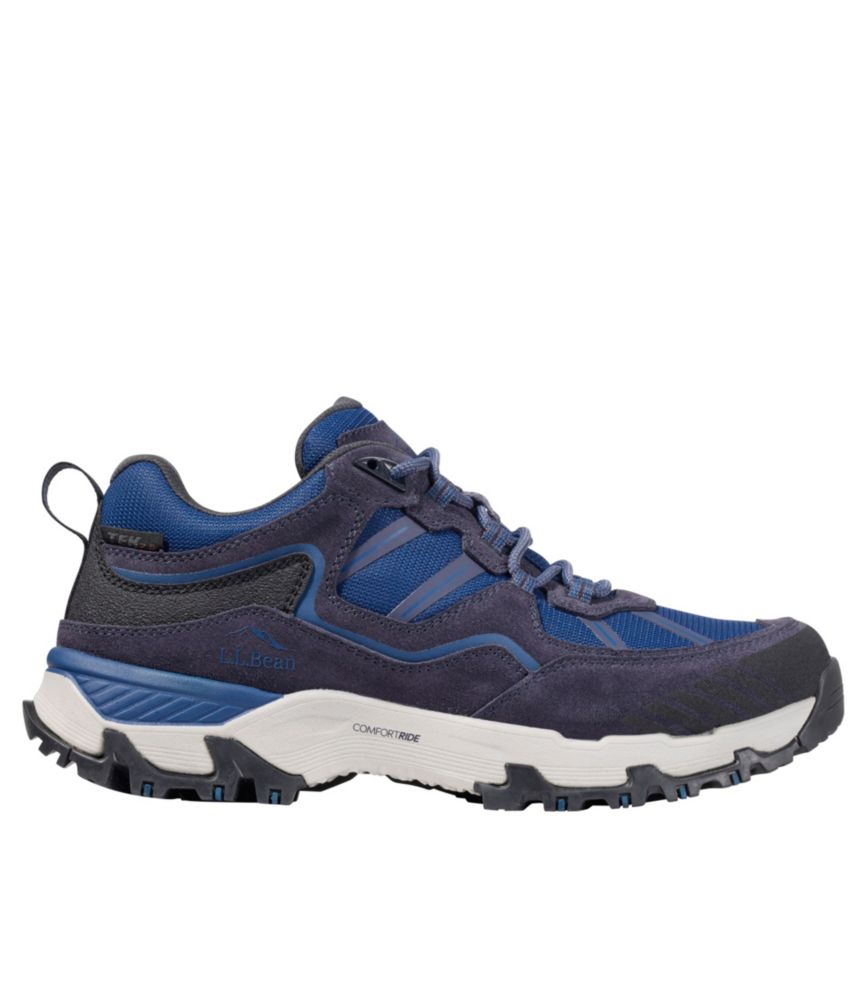
Men's Trail Model X Waterproof Hiking Shoes
L.L.Bean Men's Trail Model X Waterproof Hiking Shoes
A gray suede and rubber hiking shoe featuring waterproof protection, breathable mesh, and enhanced wet-surface traction.
(0)
$110 $110
SALE
$110 $110
SALE
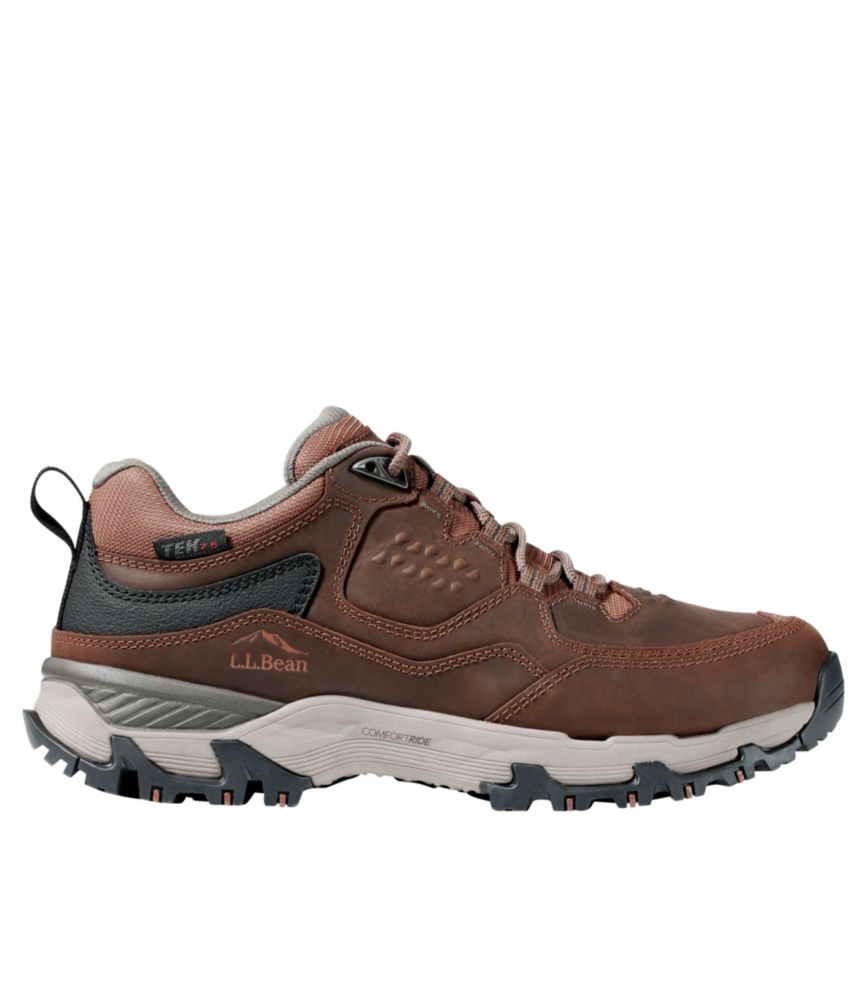
Men's Trail Model X Waterproof Hiking Shoes, Leather
L.L.Bean Men's Trail Model X Waterproof Hiking Shoes, Leather
A brown waterproof leather hiking shoe with rugged rubber outsole and breathable mesh panels for all-weather comfort.
(0)
$120 $120
SALE
$120 $120
SALE
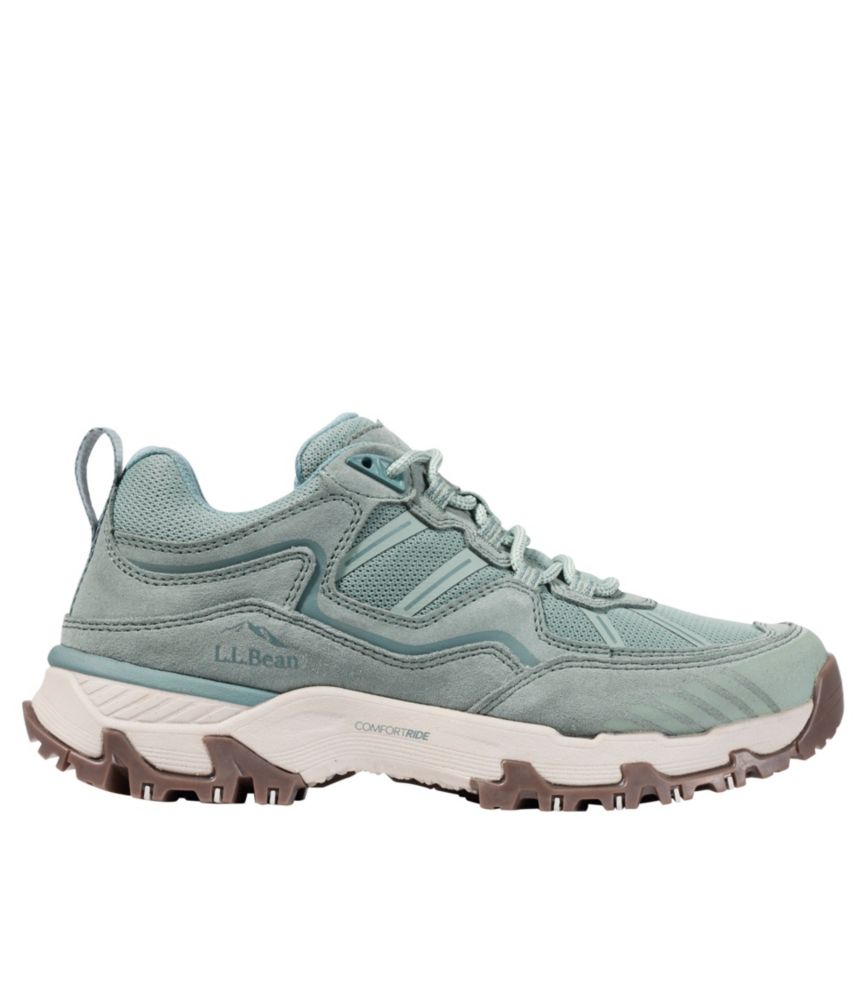
Women's Trail Model X Ventilated Hiking Shoes
L.L.Bean Women's Trail Model X Ventilated Hiking Shoes
A green suede and rubber hiking shoe featuring breathable mesh panels and enhanced wet-surface traction.
(0)
$99.95 $84.99
SALE
$99.95 $84.99
SALE
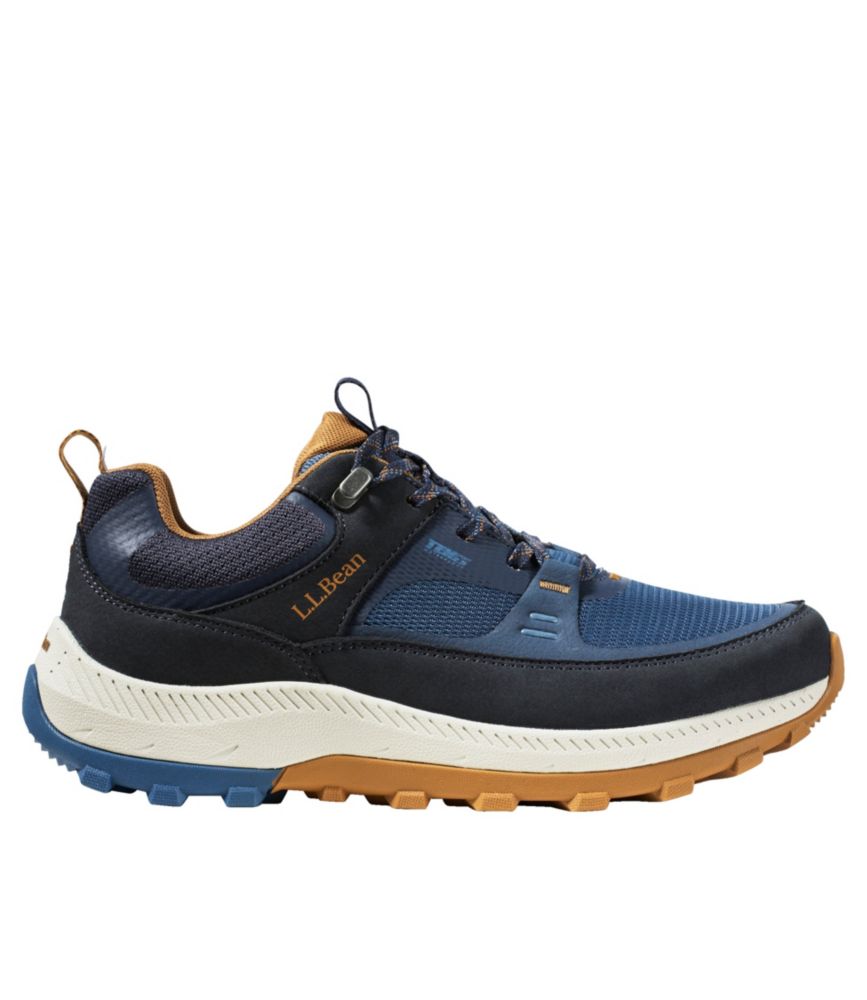
Men's Access Hiking Shoes, Waterproof
L.L.Bean Men's Access Hiking Shoes, Waterproof
A waterproof hiking shoe with recycled polyester mesh, nubuck leather upper, and VertiGrip Trail rubber outsole.
(0)
$140 $119.99
SALE
$140 $119.99
SALE
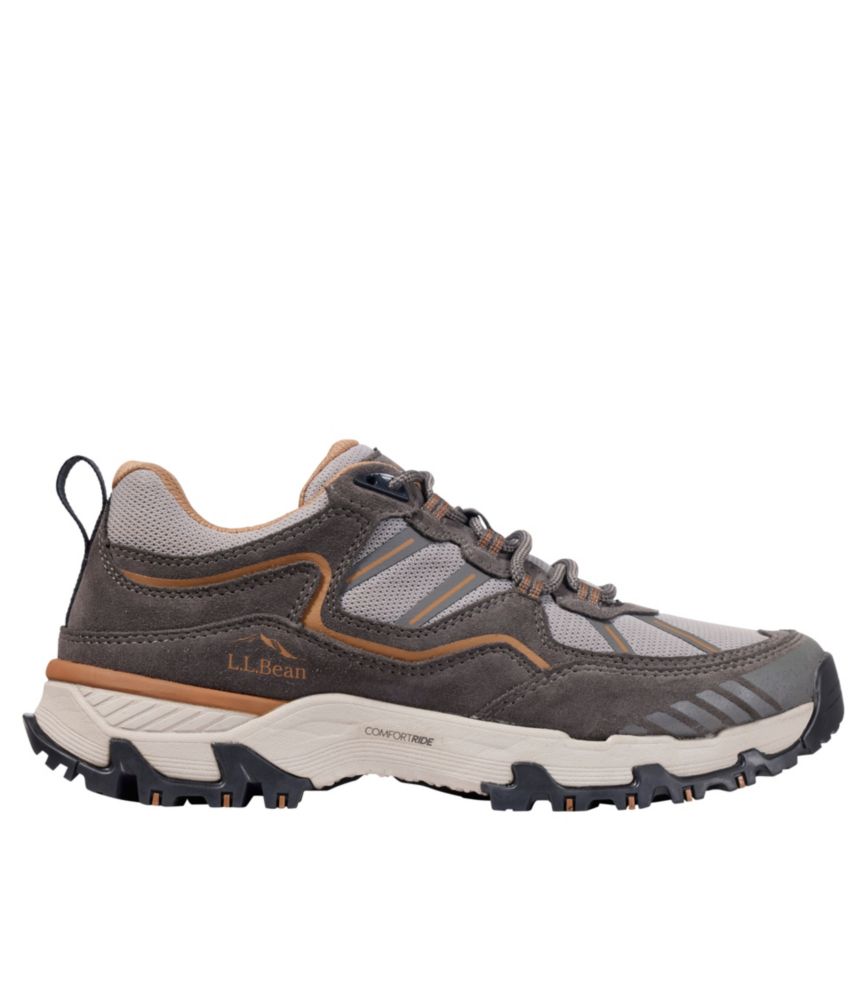
Men's Trail Model X Ventilated Hiking Shoes
L.L.Bean Men's Trail Model X Ventilated Hiking Shoes
A gray suede and rubber hiking shoe featuring breathable mesh panels and enhanced wet-surface traction.
(0)
$99.95 $99.95
SALE
$99.95 $99.95
SALE

Lightweight Trail Shoes

Lightweight trail shoes are footwear for the trail with an emphasis on lower shoe weight. That makes weight a useful starting point when comparing pairs, but it is only one part of choosing shoes that feel right on your feet. Fit, personal preferences and the intended use stated in each description deserve equal attention. A familiar loop close to home, a trail outing with friends and an afternoon exploring a different path can each give the purchase a personal purpose. Start with the outings you actually enjoy rather than choosing around an ambitious plan that may never make it onto the calendar. Then read the details for each style, keeping the meaning of “lightweight” in perspective: it describes weight, not every other quality of the shoe. When published weights are provided, check whether the measurement refers to a single shoe or a pair and note the size used for that measurement. Comparisons are most useful when they use the same basis. A number taken from one size cannot tell the whole story about how another size will feel, and a small difference on paper may matter less to you than the fit. Style belongs in the decision, too. A shape and overall look that feel like a natural choice can make the selection more personal without letting appearance take the place of practical details. There is no need to choose the same pair as a friend simply because you share a favorite trail. Feet, preferences and plans differ, even among people heading out together. For a broader view of the category, Lightweight Trail Footwear offers another place to explore the theme. Keep the comparison focused on what matters to the wearer: the stated weight, the available fit information and how closely the description matches the kind of trail outing being planned. A thoughtful choice starts with those details, not with the assumption that the lowest weight is automatically the best match.

Fit deserves a little unhurried attention before a pair earns a place by the door. Begin with the size information supplied for the style, including any specific guidance about sizing, and measure both feet when possible. A familiar shoe size is a helpful reference, but it should not replace checking the details for a different shape or fit. Try on both shoes with the socks you expect to wear, lace them as you normally would and take enough steps to notice how each foot sits inside. Pay attention to the space around the toes, the feel across the widest part of the foot and whether the heel stays where you expect it to. Standing still gives only part of the picture. Walking across a clean indoor floor and changing direction can help reveal a fit issue that was easy to overlook during a quick try-on. Toes should not feel crowded, and an uncomfortable pressure point is worth addressing rather than setting aside because the pair looks appealing. If one foot is larger than the other, account for that difference instead of judging the fit only on the smaller foot. Foot shape matters as well as length, so width information and any published measurements can be especially useful. Someone who prefers more room around the toes may make a different choice from someone who likes a closer overall fit. Those preferences are individual, not a measure of how experienced someone is on the trail. Take a similar approach when choosing a gift for an adult who enjoys being outside. Knowing a recipient’s usual size is a start; knowing their preferred fit and the sort of outings they enjoy is better. A shared walk on a favorite trail might inspire the gift, but the recipient’s feet should guide the final choice. When possible, let them take part in selecting the size and fit. That keeps a thoughtful gesture centered on the person who will actually wear the shoes.

Materials, care and condition are worth considering alongside weight and fit, without assuming every lightweight trail shoe is made or maintained the same way. Read the material information in each description and use the care directions provided for that style. The materials listed can help explain differences between pairs, but the lightweight designation alone does not identify their composition or establish how they should be cleaned. Before reaching for a cleaning product, check the instructions rather than relying on a method used for another pair of shoes. Follow any directions about cleaning, drying and storage, and do not assume machine washing is appropriate unless it is specifically permitted. Simple habits can make care easier to remember: take a look at the shoes after an outing, notice any buildup that needs attention and deal with it according to the stated instructions. Keeping both shoes together in a designated spot also makes it easier to find them before meeting friends at the trail entrance. Durability is a separate consideration from weight, and neither a lightweight label nor a particular appearance establishes how long a pair will last. How often shoes are worn, how they are cared for and their condition over time all belong in that assessment. Check periodically for visible wear, changes in fit or damage, and seek specific guidance if something looks questionable. Avoid treating every change as merely cosmetic or assuming a cleaning step will resolve a fit problem. The intended use in the description remains important throughout the selection process; the word “trail” is not a substitute for the details supplied for an individual style. Choose around real plans and familiar preferences, whether that means returning to the same well-loved path or sharing a different trail with good company. The most satisfying selection brings the practical pieces together: a weight you have considered carefully, a fit you have checked in person and care information you can follow. With those details settled, the focus can return to the outing itself—the next bend in the path, a conversation with a friend and time spent outside.
Read More

FAQs