It's time to upgrade your browser

Your current browser is no longer supported on llbean.com. Please upgrade to one of the following for a smoother, safer shopping experience with us:

Compact Shelters

Explore compact shelters with an eye on the dimensions and design that work for your space. Compare each option’s measurements and product details to narrow the selection and find the right fit.
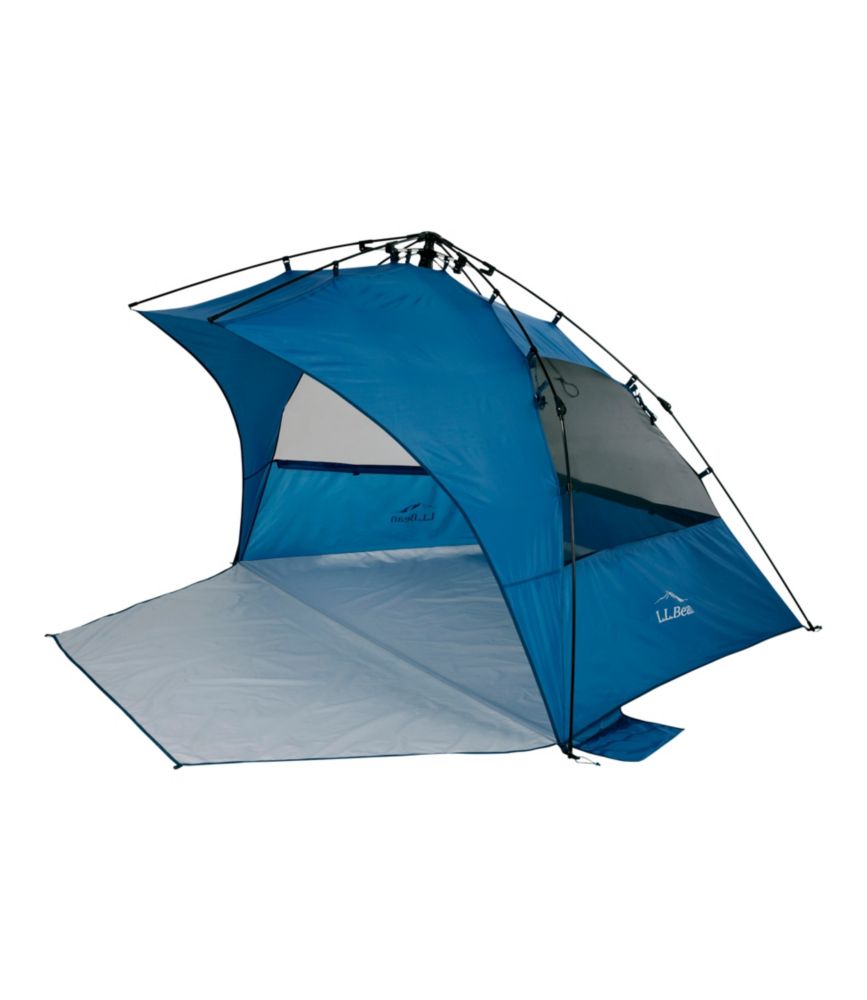
L.L.Bean Sunbuster Shelter
L.L.Bean L.L.Bean Sunbuster Shelter
A blue pop-up sun shelter with recycled polyester, UPF 50+ protection, waterproof coating, and gear pockets.
(0)
$140 $140
SALE
$140 $140
SALE
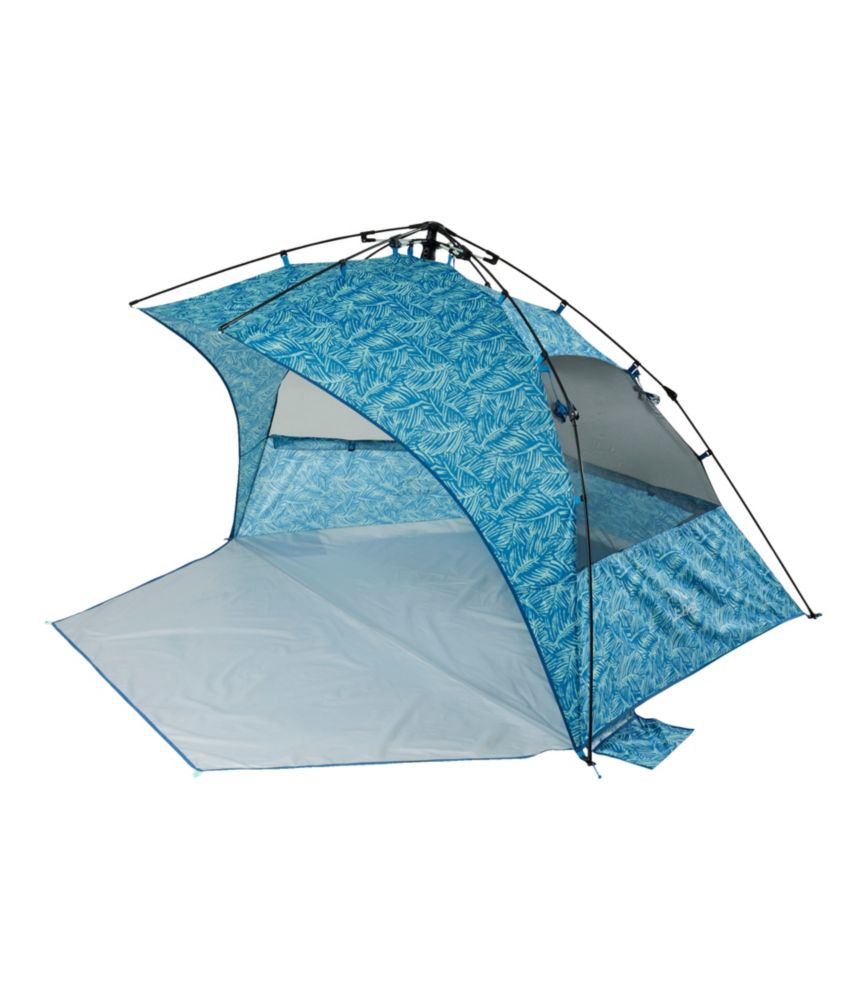
L.L.Bean Sunbuster Shelter, Print
L.L.Bean L.L.Bean Sunbuster Shelter, Print
A blue nylon sun shelter with UPF 50+ protection, pop-up folding design, and sand anchors.
(0)
$140 $118.99
SALE
$140 $118.99
SALE
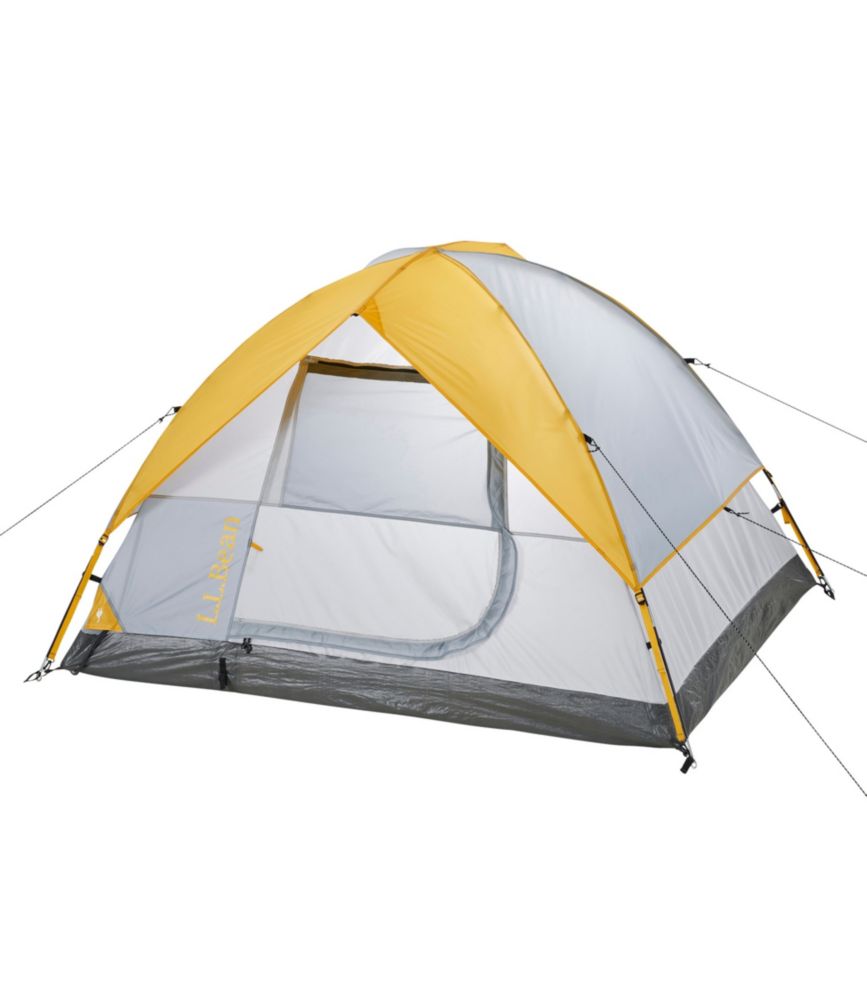
L.L.Bean Access 2-Person Tent
L.L.Bean L.L.Bean Access 2-Person Tent
A durable tent with a water-resistant polyethylene floor, quick setup, mesh ventilation and convenient power access.
(0)
$110 $92.99
SALE
$110 $92.99
SALE
Ruff Land™ Dog Kennel
RuffLand Ruff Land™ Dog Kennel
A gray plastic dog kennel with durable one-piece construction, stackable design, ventilation, and integrated carrying handles.
(209)
$330 $330
SALE
$330 $330
SALE
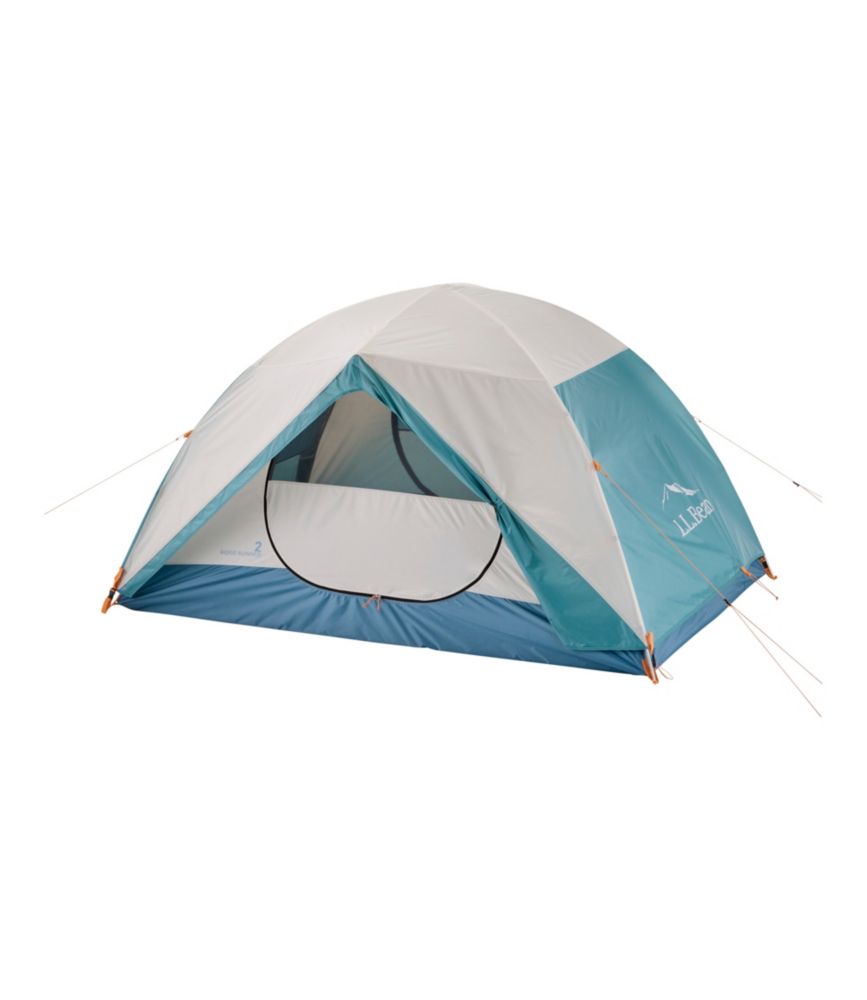
L.L.Bean Ridge Runner 2-Person Tent
L.L.Bean L.L.Bean Ridge Runner 2-Person Tent
A lightweight two-person aluminum tent with dual vestibules, full-coverage fly, waterproof coatings, and excellent ventilation.
(0)
$270 $270
SALE
$270 $270
SALE
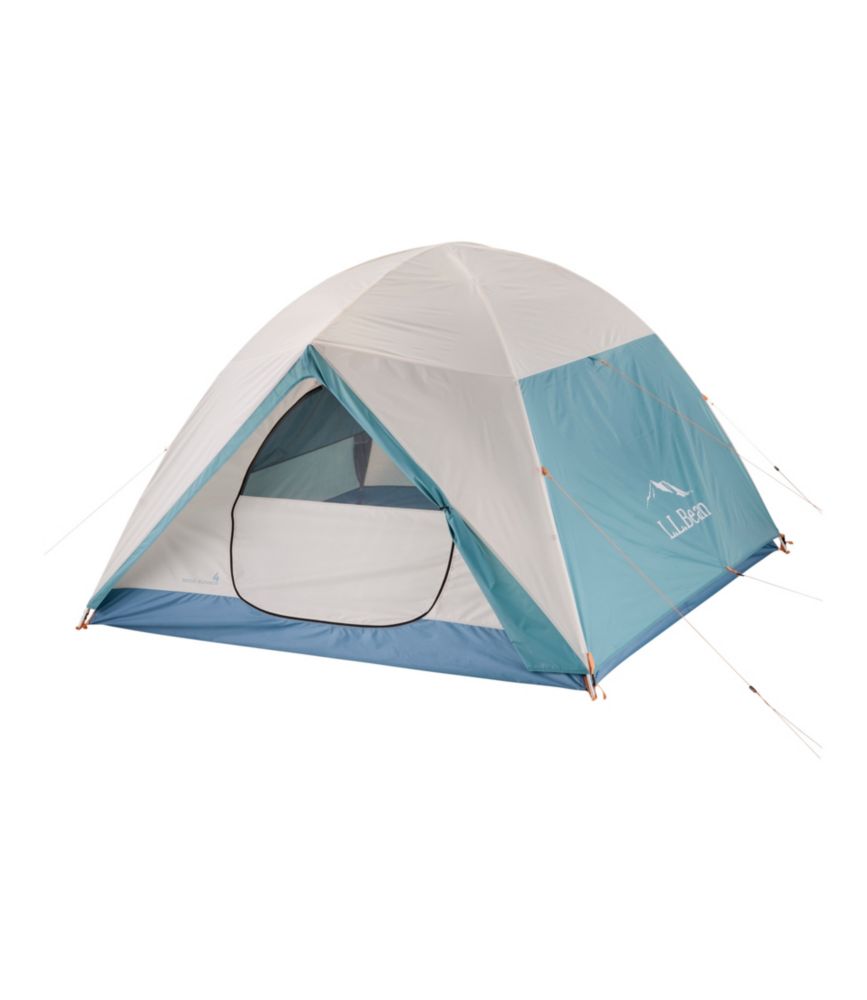
L.L.Bean Ridge Runner 4-Person Tent
L.L.Bean L.L.Bean Ridge Runner 4-Person Tent
A lightweight three-season tent with waterproof polyester, aluminum poles, dual vestibules, mesh ventilation, and double doors.
(0)
$350 $350
SALE
$350 $350
SALE
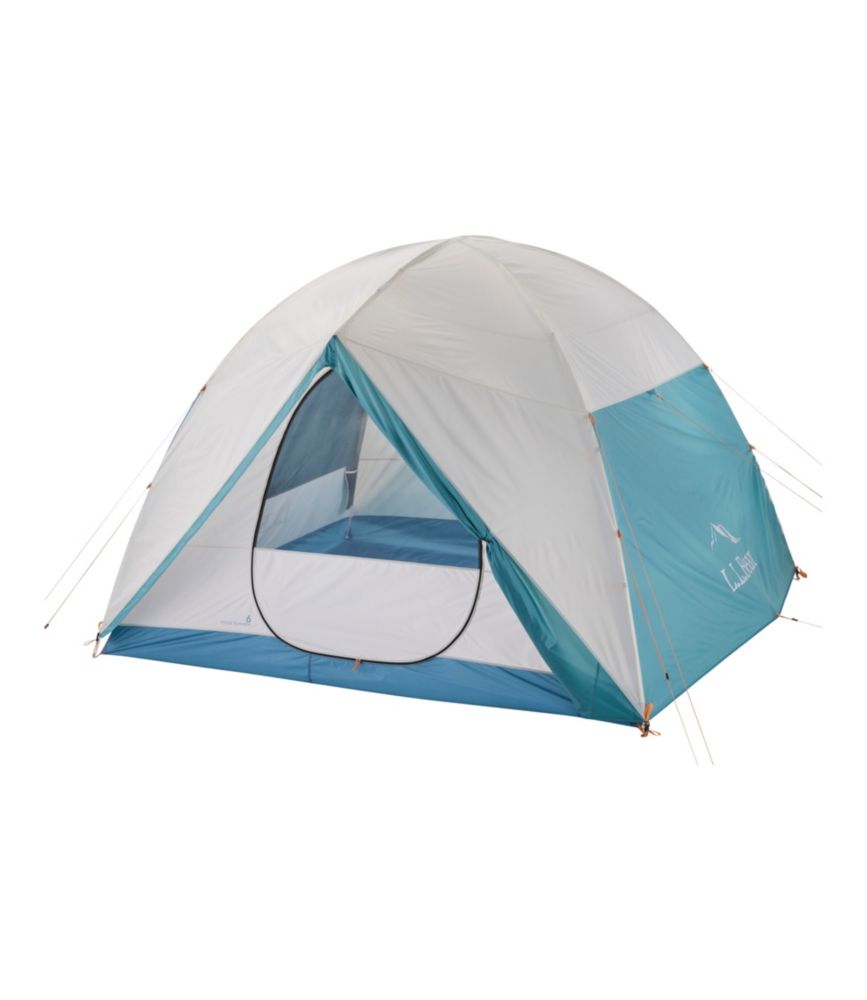
L.L.Bean Ridge Runner 6-Person Tent
L.L.Bean L.L.Bean Ridge Runner 6-Person Tent
A lightweight three-season tent with an aluminum frame, dual vestibules, waterproof polyester and excellent ventilation.
(0)
$440 $440
SALE
$440 $440
SALE
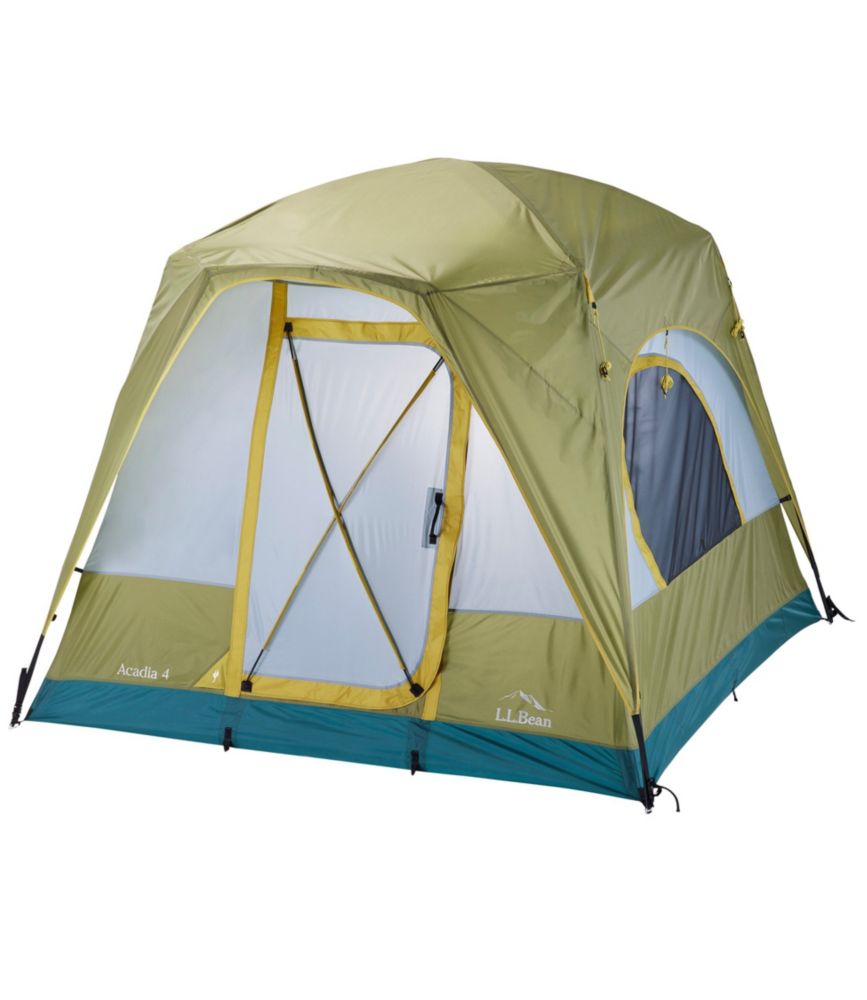
L.L.Bean Acadia 4-Person Tent
L.L.Bean L.L.Bean Acadia 4-Person Tent
A roomy four-person polyester tent with a self-closing magnetic door, waterproof coating, mesh ventilation, and gear lofts.
(20)
$349 $239.99
SALE
What customers like:
Perfect fit
Soft material
Warmth
Comfortable
Shorter length
$349 $239.99
SALE
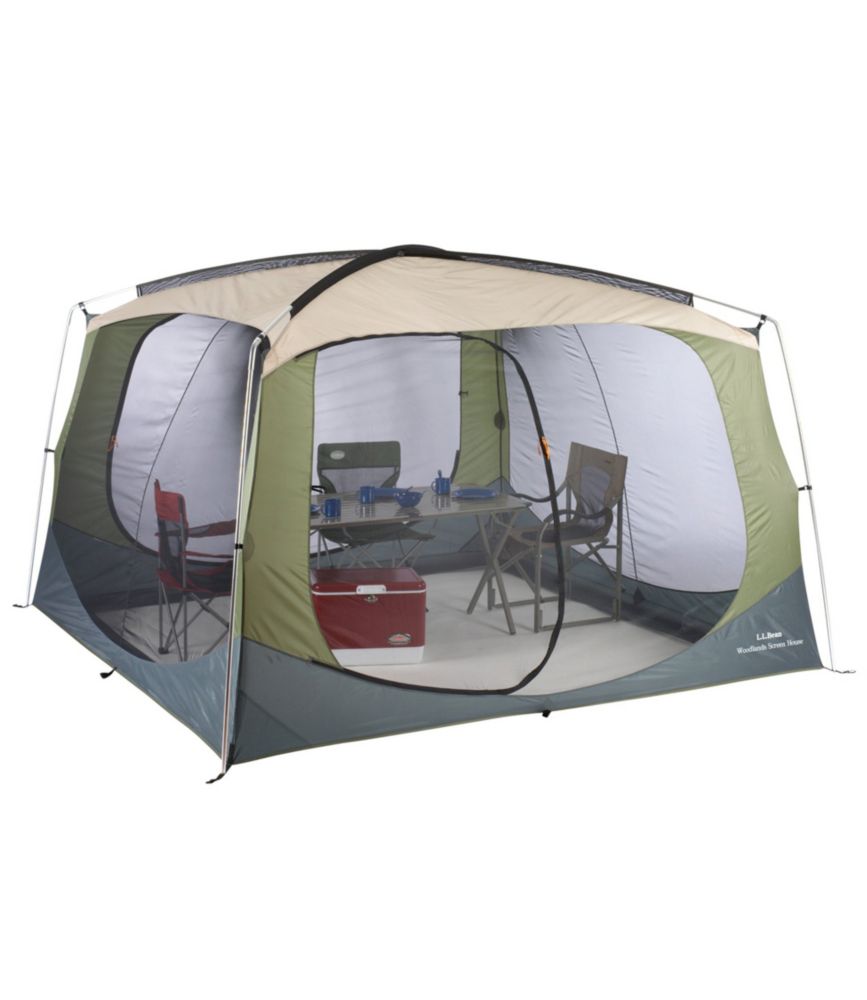
Woodlands Screen House
L.L.Bean Woodlands Screen House
A green aluminum screen house with ripstop polyester screening, dual doors and optional full-coverage rain fly.
(0)
$500 $349.99
SALE
$500 $349.99
SALE

Compact Shelters

Compact shelters put size at the center of the comparison, with individual dimensions showing what compact means for each design. The term is a starting point rather than a standard measurement: overall size, footprint, height, and packed dimensions can tell different parts of the story. A footprint describes the ground area, while a packed measurement describes the size in the configuration specified by the manufacturer. Neither figure replaces the other. That distinction matters when two choices look similar in photographs but have different proportions. A broad image can make a smaller design appear substantial, while a closely cropped photograph can leave the scale unclear. Measurements offer a more useful point of reference. For a clearer sense of scale, a rectangle marked out with a tape measure can turn listed dimensions into something tangible. A simple sketch can also help distinguish width from depth and show how the proportions compare. Height deserves its own look, too, since a maximum height does not describe every point across a shape. These are practical details for anyone who likes to understand an outdoor purchase before making a decision. A household comparing several options may find it helpful to keep the same measurements side by side, with units written consistently and each dimension clearly labeled. Inches and feet are easy to mix up when moving between descriptions, especially when one listing leads with overall dimensions and another emphasizes packed size. The most useful comparison stays close to the information supplied for each design, without filling in missing measurements from a photograph. Compactness is relative to the space a shopper has in mind, so a clear picture of that space gives the word real meaning. With that context, browsing compact shelters becomes less about choosing the smallest-looking option and more about finding proportions that match a well-considered set of preferences.

Construction, materials, and care information add another layer to that comparison. A compact designation does not identify a particular material or construction method, so the individual description is the place to understand those details. Material names are most useful alongside information about the components they describe; a specification for one part should not be read as a specification for the entire shelter. The same attention helps when reviewing what is included. Photographs provide visual context, while the written component list explains the contents more precisely. Any separately described accessories deserve a separate look rather than an assumption that everything pictured comes together. Assembly information, where supplied, can also help shoppers understand the design beyond its finished appearance. A diagram may clarify how the parts relate to one another, and the accompanying instructions explain the intended sequence. Those details are worth considering alongside size, not after the decision is made. Care is similarly specific. Cleaning, drying, storage, and handling directions should come from the instructions for the individual design, rather than from habits developed with a different piece of outdoor equipment. Familiar-looking materials or components do not necessarily call for identical care. For anyone thinking about durability, construction details and care requirements provide more meaningful context than size alone. Clear descriptions help set expectations about ownership and make it easier to recognize the attention a particular design requires. Keeping the instructions and component information together also creates a useful reference for later. A labeled folder, whether digital or on a shelf, keeps those details connected to the purchase instead of leaving them scattered across packaging and saved pages. This less-visible side of choosing outdoor equipment deserves consideration: understanding the parts, knowing where the instructions are, and having a clear picture of the care involved. It is a thoughtful approach to ownership that begins with the information attached to each option.

Personal preferences help bring those practical details together. Some shoppers begin with a firm dimensional limit; others start with a preferred shape or a particular visual style. Neither approach needs to stand alone. A shortlist becomes more useful when appearance, measurements, construction information, and care requirements are considered together. For a shared household purchase, agreeing on the essential measurements first gives everyone a common starting point, while leaving room for individual preferences about the overall look. One person might notice proportions immediately, while another pays closer attention to the component list or instructions. Those different perspectives can make the comparison more complete. A gift calls for the same thoughtfulness, especially when the recipient already has strong preferences about outdoor equipment. Knowing the measurements that matter to that person is more helpful than guessing from a photograph or choosing on appearance alone. An agreed-upon shortlist can preserve the pleasure of giving while keeping the choice personal. For a friend or family member who enjoys researching equipment, sharing the decision can be part of the gift itself. There is room for enjoyment in the details: spreading out a few descriptions, comparing a sketch with the listed dimensions, and finding the option that best reflects the recipient’s priorities. Shoppers exploring related categories can also browse Rain Shelters, keeping each design’s own specifications at the center of the comparison. Across those choices, a familiar-looking silhouette or similar name is only part of the picture. The strongest starting point is a clear understanding of size, followed by the details that distinguish one design from another. Quality and timeless style have a place in that decision, alongside the straightforward information that makes an outdoor purchase feel considered. A compact shelter deserves the same thoughtful selection as any other addition to an outdoor collection: attention to the dimensions, an appreciation for the design, and preferences grounded in the details.

FAQs