It's time to upgrade your browser

Your current browser is no longer supported on llbean.com. Please upgrade to one of the following for a smoother, safer shopping experience with us:

Adjustable Poles

Find adjustable poles with length ranges that suit your needs. Compare the sizing and adjustment details on each product page to understand your options and narrow down your selection.
Read More
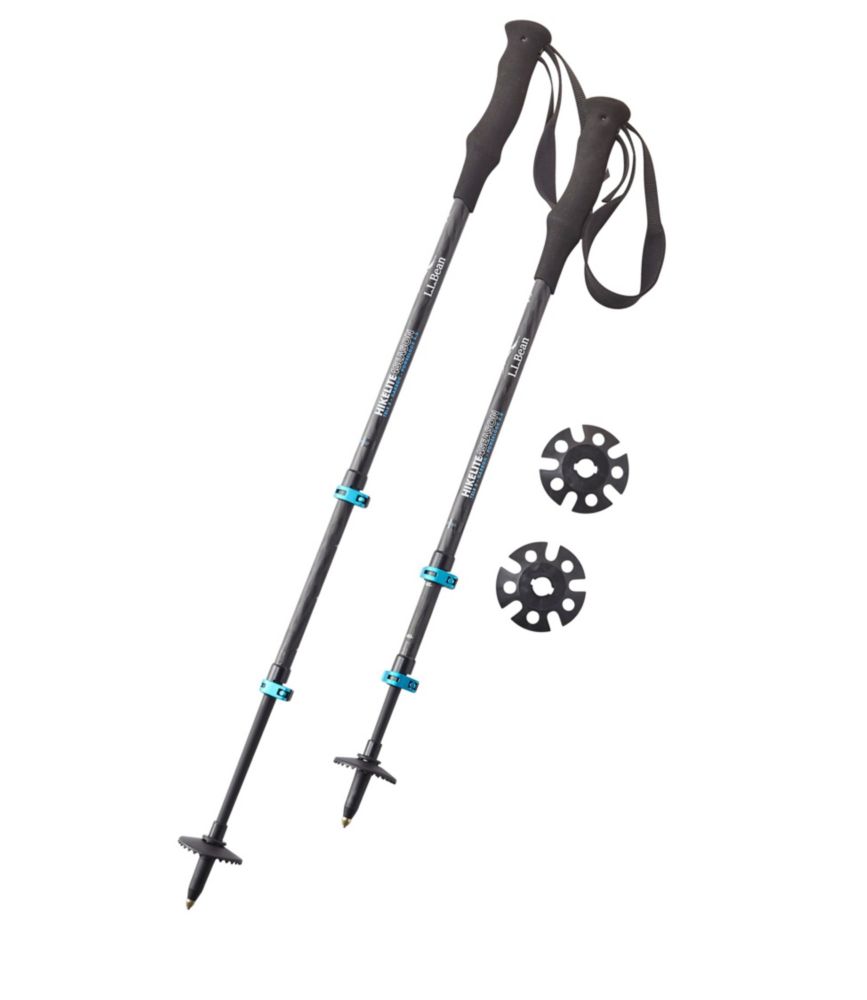
Women's Hikelite 4 Season Carbon Compact Hiking Poles
L.L.Bean Women's Hikelite 4 Season Carbon Compact Hiking Poles
A lightweight pair of hiking poles with carbon fiber and aluminum construction, featuring foam grips and nylon straps.
(0)
$170 $170
SALE
$170 $170
SALE
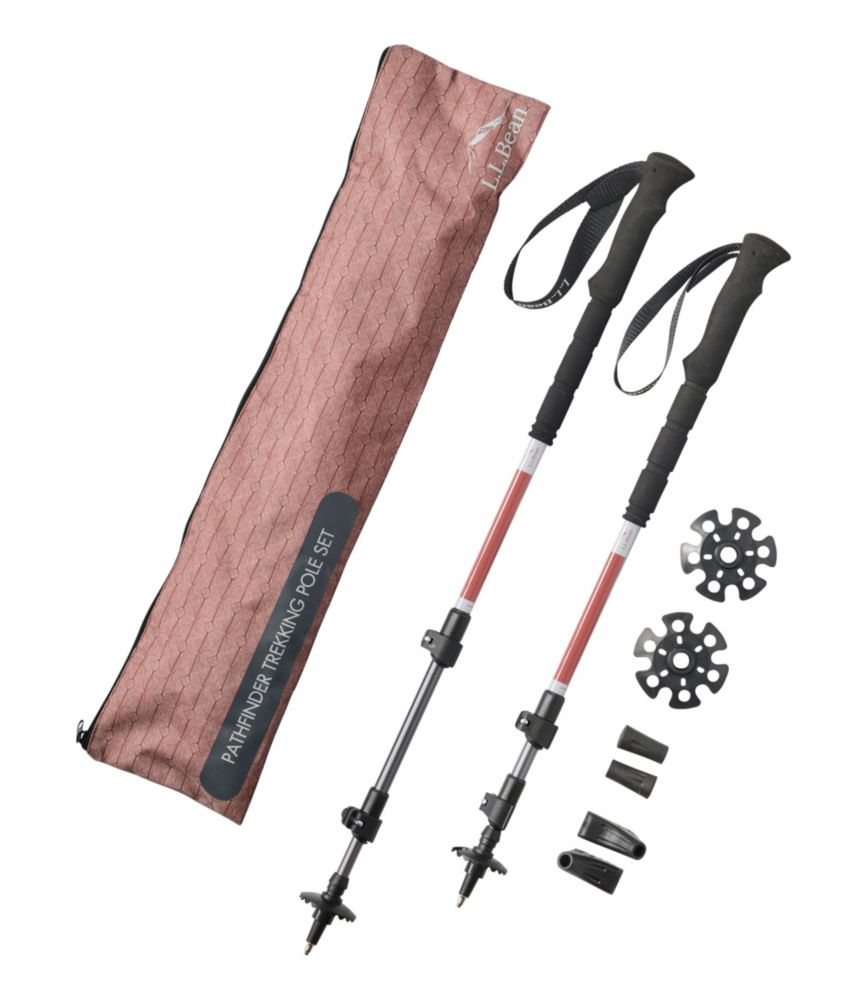
Pathfinder Trekking Pole Set
L.L.Bean Pathfinder Trekking Pole Set
A lightweight red aluminum trekking pole set with adjustable design, PE foam grips, and multiple tip options.
(0)
$79.95 $79.95
SALE
$79.95 $79.95
SALE
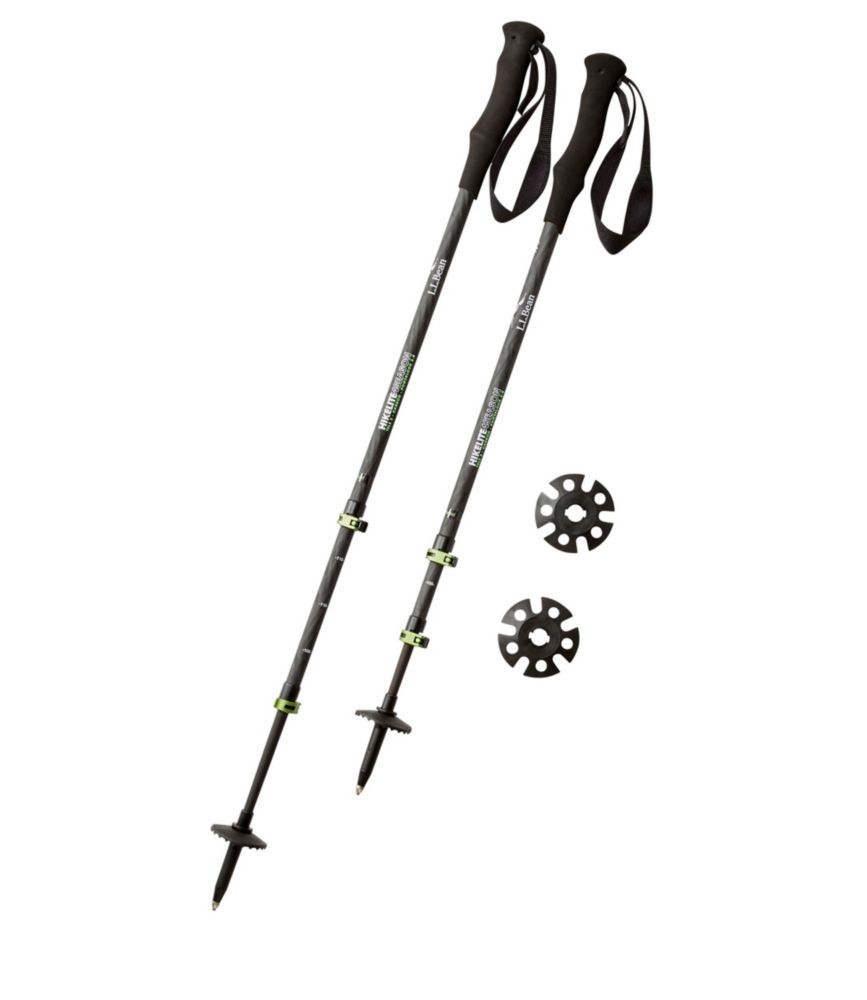
L.L.Bean Hikelite Four-Season Carbon Hiking Poles
L.L.Bean L.L.Bean Hikelite Four-Season Carbon Hiking Poles
A lightweight, full-size carbon composite hiking pole with durable PowerLock 3.0 adjustment and EVA-foam handles.
(60)
$170 $170
SALE
$170 $170
SALE
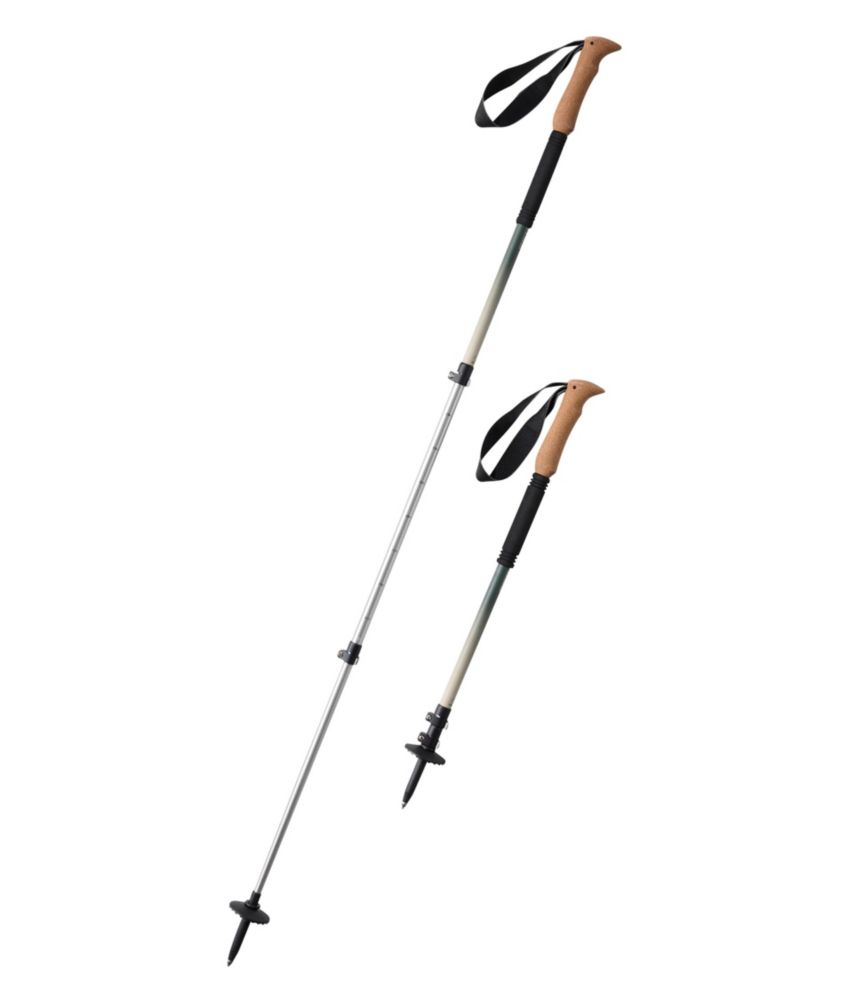
Pathfinder PRO Trekking Poles, Compact
L.L.Bean Pathfinder PRO Trekking Poles, Compact
A pair of green aluminum trekking poles with cork grips and a secure Powerlock 3.0 adjustment system.
(0)
$120 $120
SALE
$120 $120
SALE
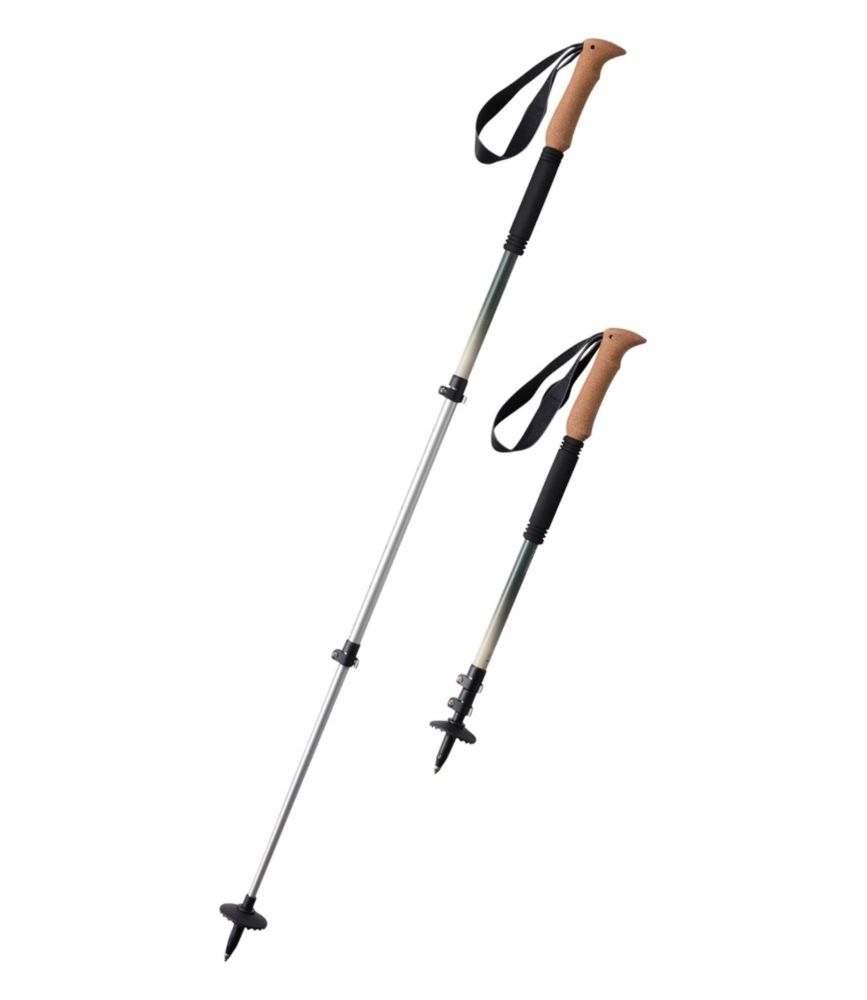
Pathfinder PRO Trekking Poles
L.L.Bean Pathfinder PRO Trekking Poles
A pair of durable green aluminum trekking poles with cork grips and a secure Powerlock 3.0 system.
(0)
$120 $120
SALE
$120 $120
SALE
Kids' Winter Walker Snowshoe Package
L.L.Bean Kids' Winter Walker Snowshoe Package
A kids' snowshoe package with adjustable aluminum poles, crampons, and a rugged polyester bag in red plaid.
(0)
$150 $150
SALE
$150 $150
SALE
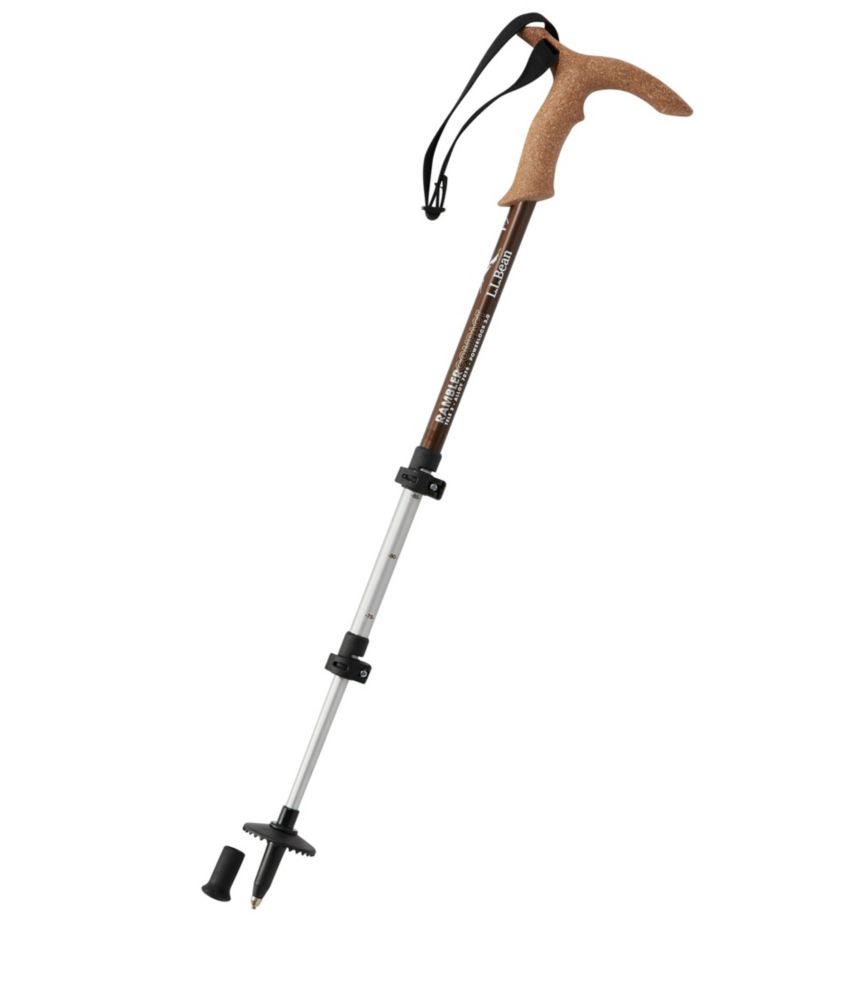
L.L.Bean Rambler Compact PowerLock 3.0 Hiking Staff
L.L.Bean L.L.Bean Rambler Compact PowerLock 3.0 Hiking Staff
A lightweight, sturdy hiking staff with a comfortable cork grip and secure PowerLock 2.1 system.
(196)
$79.95 $79.95
SALE
What customers like:
Comfortable grip
Easy to stow
Lightweight design
$79.95 $79.95
SALE

Adjustable Poles

Adjustable poles offer a choice of length within a defined range instead of a single fixed measurement. That distinction is a useful starting point, but the word adjustable does not tell the whole story. A pole’s dimensions, construction and stated purpose provide the context that makes its adjustment range meaningful. This collection brings adjustable poles together so those details can be considered side by side, with attention to the qualities that matter for a particular selection. Minimum and maximum lengths are especially helpful reference points: together, they describe the range rather than just one possible setting. A maximum measurement alone offers a less complete picture, particularly when a preferred length falls somewhere between the two ends. Keeping measurements in the same units makes comparisons clearer and helps prevent a few inches or centimeters from being overlooked. Numbers written down from an existing pole can provide a familiar point of reference, provided the measurement is taken in the same way as the dimensions being compared. Overall length and the dimensions of an individual section, for example, are not equivalent measurements. The same attention belongs with quantity information, since the dimensions of a pole and the number included answer different questions. These are small distinctions on a screen, but they matter when choosing gear with confidence. Just as important, an adjustable range should not be treated as a promise that a pole will suit every purpose within those measurements. The intended application remains part of the individual description. Two poles with similar dimensions may belong to different categories, and adjustability alone does not make them interchangeable. A clear match between the stated purpose and the reason for choosing a pole is more useful than the largest range or the longest measurement considered on its own.

Personal preference has a place in that comparison, too. A familiar design may make the choice feel straightforward, while an unfamiliar one deserves a closer look at its description and accompanying details. Photographs help show proportions and appearance, but written dimensions give those impressions a reliable scale. A pole pictured by itself can be difficult to judge without a measurement beside it; a careful comparison connects what is visible with what is specified. Materials and construction information add another part of the picture without replacing the need to check dimensions and intended purpose. A material name alone is not a complete account of quality, and a similar appearance does not establish that two designs have the same characteristics. Durability is also better considered through the information supplied for an individual design than assumed from its shape, finish or name. Thoughtful selection gives each of these details its proper place rather than asking one feature to answer every question. Compatibility deserves the same care whenever a pole is being chosen to accompany something already owned. An approximate visual match is different from a documented fit, and a matching length is only one piece of that decision. Existing instructions, measurements and identifying information can help keep the comparison grounded in facts. A brief note with the required dimensions is often more useful than trying to remember a number later. For someone replacing a familiar pole, the aim may be to understand how the listed details compare with the original. For someone choosing this category for the first time, the starting point may simply be a clearly stated purpose and a set of measurements. Neither situation calls for choosing the most elaborate description. Both benefit from straightforward information that makes the differences understandable and leaves less to guesswork. That kind of clarity keeps the focus on a suitable choice rather than on features that may have little bearing on the decision.

For a more specific category, explore adjustable trekking poles, where the category name provides additional context for the comparison. Across adjustable poles, the most useful details are those that connect the selection to the person choosing it: the relevant dimensions, the stated application and any requirements that need to be met. That personal connection matters when choosing a gift as well. An interest in the outdoors can offer a starting point, but it does not establish the right type of pole or the right measurements. A recipient’s saved page, an exact request or the details of gear already owned can make the choice more considered without taking away the pleasure of giving it. When those details are uncertain, a conversation about preferences is more dependable than assuming that adjustability will resolve every difference. Care deserves a place in the decision, whether the poles are a gift or a personal purchase. The supplied directions are the appropriate reference for cleaning, adjustment, inspection and storage, since a routine suited to one design should not automatically be applied to another. Keeping those directions with the rest of the gear information makes them easier to find again. It also preserves details that may not be obvious from appearance alone. Before putting a pole away, the relevant instructions can clarify any preparation required; before adjusting it, they can explain the procedure intended for that design. These habits are about knowing the gear rather than assuming a particular result or lifespan. A considered purchase brings the same practical attention to the selection itself. The appeal of adjustable poles begins with their adjustable length, while the fuller decision rests on how the documented details fit the need. With measurements, purpose and care information considered together, the category becomes easier to understand—and the choice can reflect something more useful than appearance or a single impressive number.
Read More

FAQs