It's time to upgrade your browser

Your current browser is no longer supported on llbean.com. Please upgrade to one of the following for a smoother, safer shopping experience with us:

Women's Trail Running Shoes

Shop women's trail running shoes for your next off-road run. Browse the selection by style and size, and compare individual product details to find trail runners that suit your fit preferences and the trails you like to run.
Read More
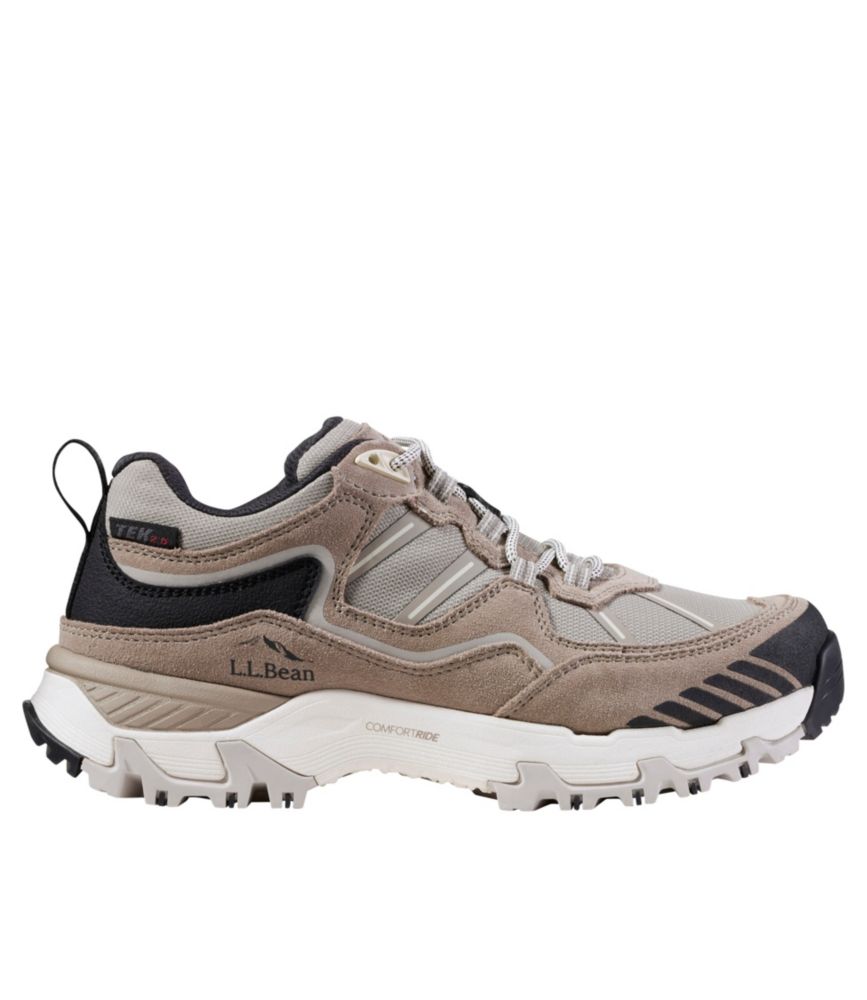
Women's Trail Model X Waterproof Hiking Shoes
L.L.Bean Women's Trail Model X Waterproof Hiking Shoes
A gray suede leather hiking shoe with waterproof protection and enhanced traction for wet conditions.
(0)
$110 $110
SALE
$110 $110
SALE
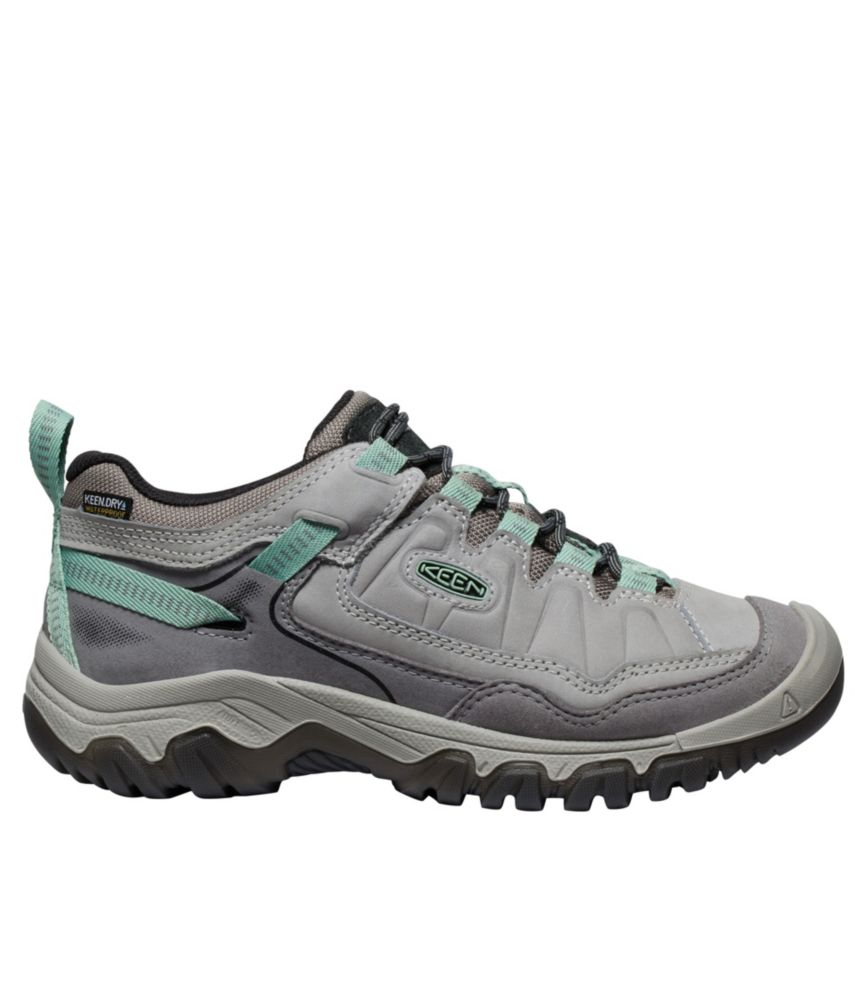
Women's Keen Targhee IV Waterproof Hiking Shoes
Keen Women's Keen Targhee IV Waterproof Hiking Shoes
A waterproof leather hiking shoe offering stability, support, and comfort with eco-friendly features and durable traction.
(0)
$170 $170
SALE
$170 $170
SALE
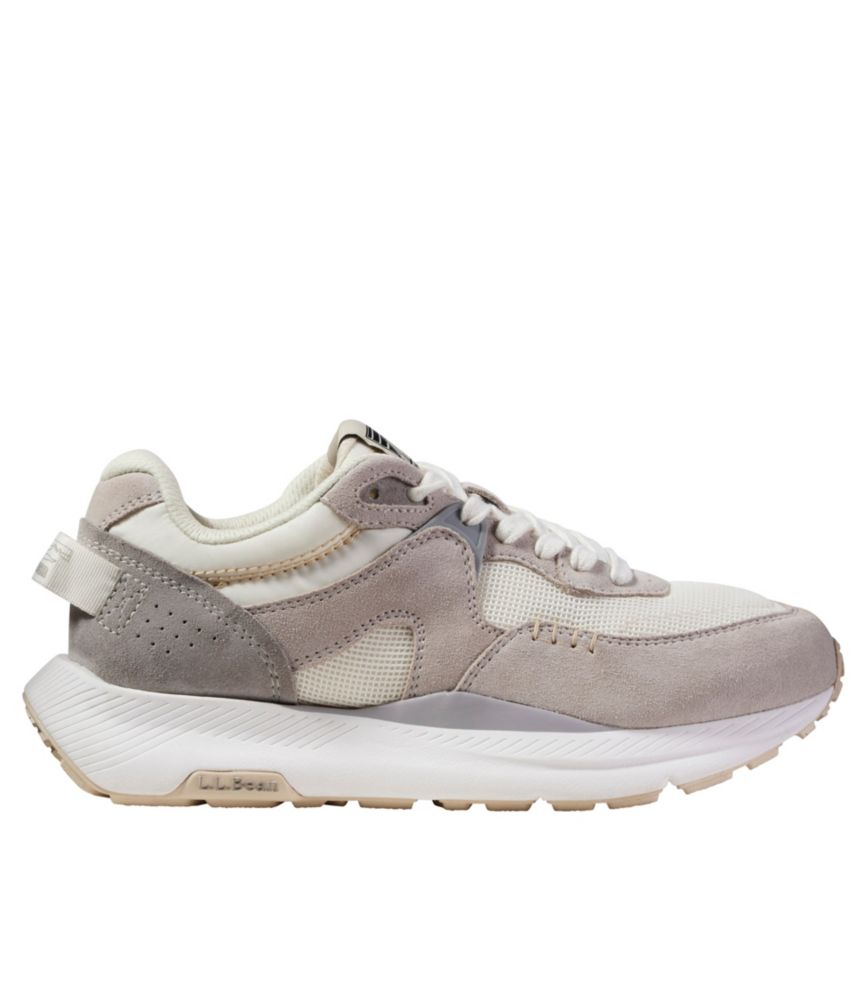
Women's 1985 Mountain Classic Sneakers
L.L.Bean Women's 1985 Mountain Classic Sneakers
A tan suede and nylon sneaker with exceptional cushioning, water resistance, and rugged VertiGrip rubber traction.
(0)
$110 $79.99
SALE
$110 $79.99
SALE
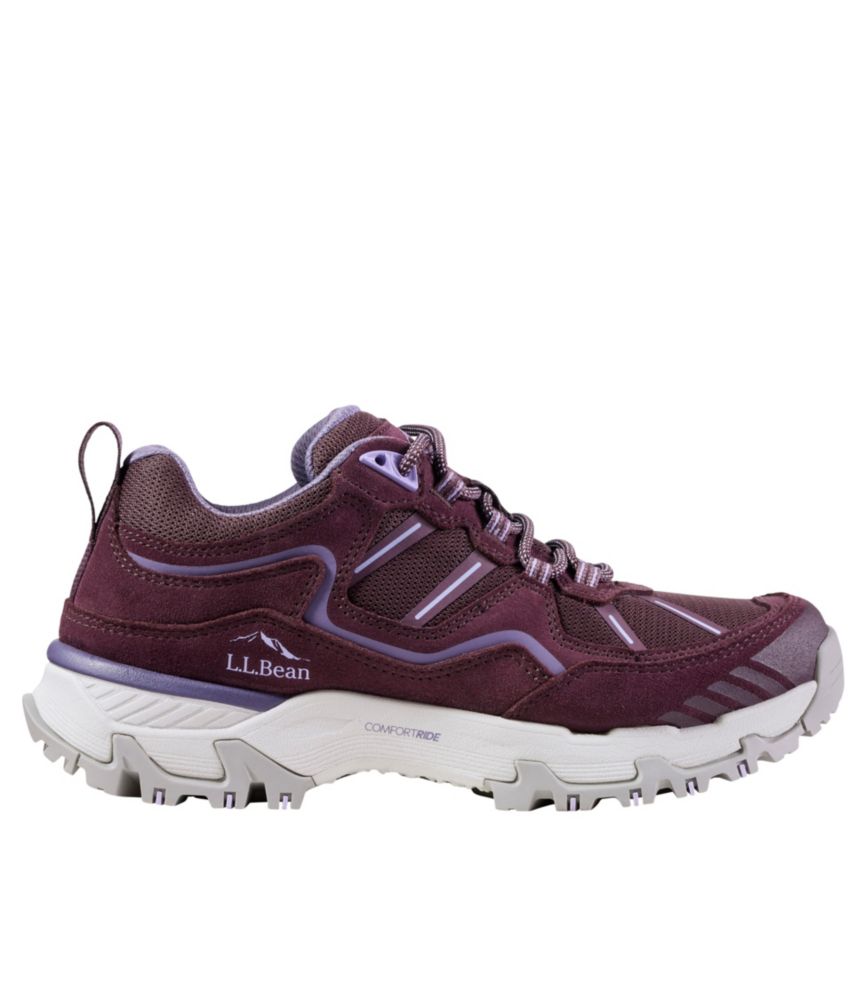
Women's Trail Model X Ventilated Hiking Shoes
L.L.Bean Women's Trail Model X Ventilated Hiking Shoes
A purple suede hiking shoe with water-resistant features and enhanced traction for wet surfaces.
(0)
$99.95 $99.95
SALE
$99.95 $99.95
SALE

Women's Trail Running Shoes

Women’s trail running shoes are a personal part of getting outside, whether a run means a familiar loop before the day gets busy or an unhurried outing with a friend. The appeal of trail running often lies in the details: a bend in the path that reveals a different view, the sound of birds beyond the trees, or the pleasure of returning to a favorite route. Choosing shoes for that experience starts with the runner, not a universal ranking. Personal sizing, preferred fit and the kind of trail running planned all help shape the decision. Someone beginning to explore trail running may be figuring out those preferences, while a longtime runner may already know which details deserve a closer look. Both can approach a collection with the same practical priorities: clear product information, a useful size chart and a design that suits their own preferences. Consider how running fits into an ordinary week, too. A short outing between family commitments and a longer run with friends may feel quite different, even when they begin at the same trailhead. Those plans provide context for comparing individual descriptions without assuming that every shoe has the same characteristics. Appearance can be part of the decision as well. Some runners prefer an understated look; others enjoy a distinctive design that feels like their own. Neither preference needs to take a back seat to careful comparison. Women’s trail running footwear brings together personal style and an interest in spending time outside, but the most useful choice remains individual. A familiar silhouette, an appealing color or a recommendation from a running partner can offer a starting point. The next step is looking at the details that matter to the person who will wear the shoes, rather than treating another runner’s favorite as an automatic match. That keeps the focus on the actual selection and on finding a pair that makes sense for the runner’s plans.

Fit deserves particular attention when comparing women’s trail running shoes. A size worn in another pair is a helpful reference, but the size chart and fit information for the shoe being considered are more useful than the number alone. Length is only one part of the picture; the shape around the toes, the feel through the middle of the foot and the position of the heel are worth noticing separately. A runner who has previously found one area too close or another too roomy can use that experience to narrow the comparison. Measuring both feet and following the stated sizing directions provides a clearer starting point than relying on memory. For an at-home try-on, wearing the socks intended for trail running helps make the comparison relevant. Fasten the shoes as they would be worn, then take time to notice how each foot feels rather than judging only the first impression. Toes should not feel pressed against the front, and a noticeably loose heel or concentrated pressure deserves attention. Where fit information includes width options or additional sizing notes, read those details alongside the measurements. A photograph can show the outline of a shoe, but it cannot establish how that shape will feel on an individual foot. Product descriptions can also explain construction and identify differences that are not obvious in an image. Read those details as information about the individual design, rather than assuming that two similar-looking pairs are alike. It can help to separate essential preferences from optional ones: a known sizing need belongs in the first group, while a particular visual detail may belong in the second. This makes a collection easier to compare without turning the process into a search for one supposedly perfect shoe. For a runner replacing a familiar pair, notes about what felt right—and what did not—can be especially useful. For someone choosing a first pair, a deliberate look at sizing and fit provides a sound basis for the decision.

Care, personal style and the practical details of ownership also belong in the comparison. Materials and construction are best understood through each shoe’s listed information, especially when deciding whether its care requirements fit an everyday routine. Follow the care directions provided for that pair rather than assuming a method used for other footwear is appropriate. Cleaning products, machine washing and drying methods should not be treated as interchangeable across designs. Keeping the original care information makes it easier to check the recommended approach after an outing. Durability is another consideration that benefits from attention to the individual shoe rather than a broad promise about the category. Over time, look at changes in the pair being worn, including visible wear, damage or a fit that feels different from earlier runs. There is no need to assign every runner the same replacement schedule or assume that a certain number of outings tells the whole story. Personal use and the condition of the shoes provide more relevant context. Style remains a straightforward way to narrow the selection once the sizing and product details have been considered. For a darker look, women's black trail running shoes offer a related collection to explore. Color is a personal choice, not a substitute for checking fit or reading the individual description. Trail running shoes can also be a thoughtful gift for a woman who enjoys running outside, particularly when the giver knows her preferences. The most useful details are often simple: the size she wears, any width needs and the fit characteristics she already favors. A shared interest in trail running might inspire the gift, but the recipient’s preferences should guide the selection. Whether choosing for a friend, a family member or personal use, thoughtful comparison keeps the decision grounded in the person and the product information. The result is a more considered choice, with attention paid to the details that matter beyond the first glance.
Read More

FAQs