It's time to upgrade your browser

Your current browser is no longer supported on llbean.com. Please upgrade to one of the following for a smoother, safer shopping experience with us:

Womens Stretch Hiking Shorts

Find women's stretch hiking shorts that bring flexibility to your hiking wardrobe. Browse the selection and compare each pair’s length, fit and sizing details to choose shorts that suit your preferences for time on the trail.
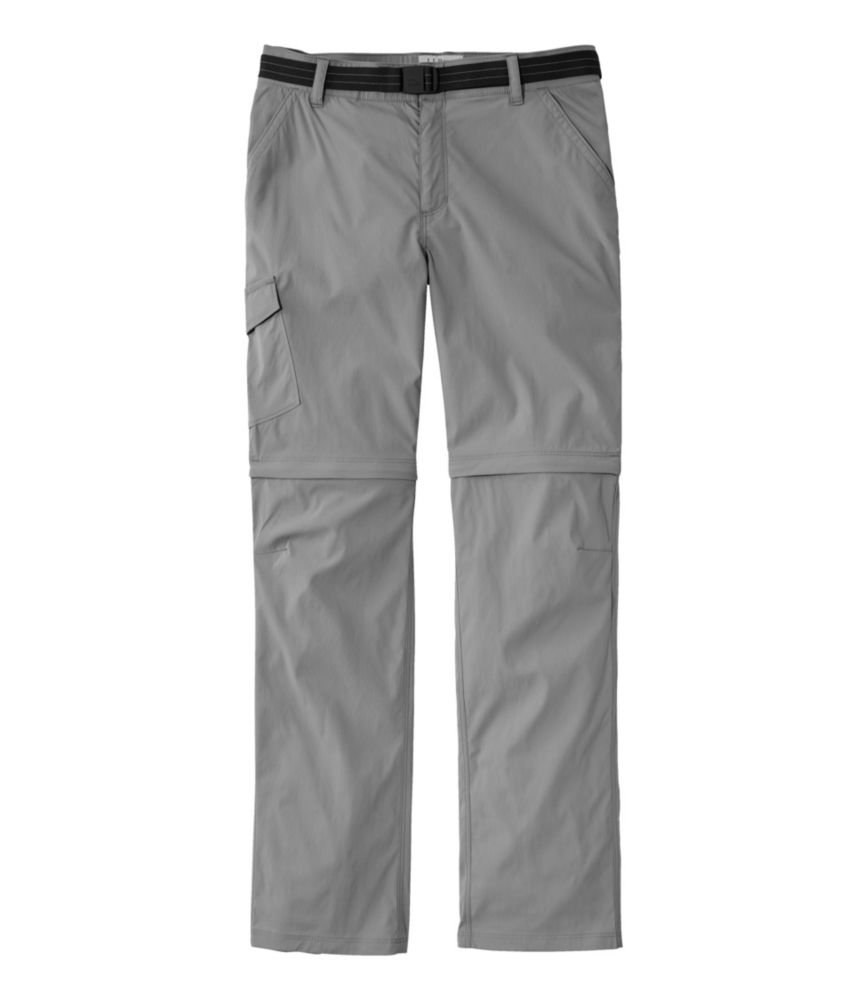
Women's Tropicwear Zip-Off Pants, Mid-Rise
L.L.Bean Women's Tropicwear Zip-Off Pants, Mid-Rise
A gray zip-off pant with quick-drying, moisture-wicking nylon-spandex fabric, UPF 50+ sun protection and stretch.
(206)
$99.95 $99.95
SALE
What customers like:
Versatile design
High-quality fabric
Good fit
Ideal for tropical wear
Worth the price
$99.95 $99.95
SALE
Women's No Fly Zone Zip-Off Pants, Mid-Rise
L.L.Bean Women's No Fly Zone Zip-Off Pants, Mid-Rise
A brown nylon zip-off pant with insect-repellent treatment, UPF 50+ sun protection, and stretch.
(136)
$110 $110
SALE
What customers like:
Great fit
High quality
Comfortable feel
Warmth
Versatile
$110 $110
SALE
Women's Comfort Cycling Shorts with Liner
L.L.Bean Women's Comfort Cycling Shorts with Liner
A gray cycling short with a removable chamois-padded liner, quick-drying stretch fabric and UPF 50+ protection.
(27)
$79.95 $29.99
SALE
What customers like:
Comfortable outer shorts
Nice looking
True to size
$79.95 $29.99
SALE
Women's Vista Camp Pants, Crop
L.L.Bean Women's Vista Camp Pants, Crop
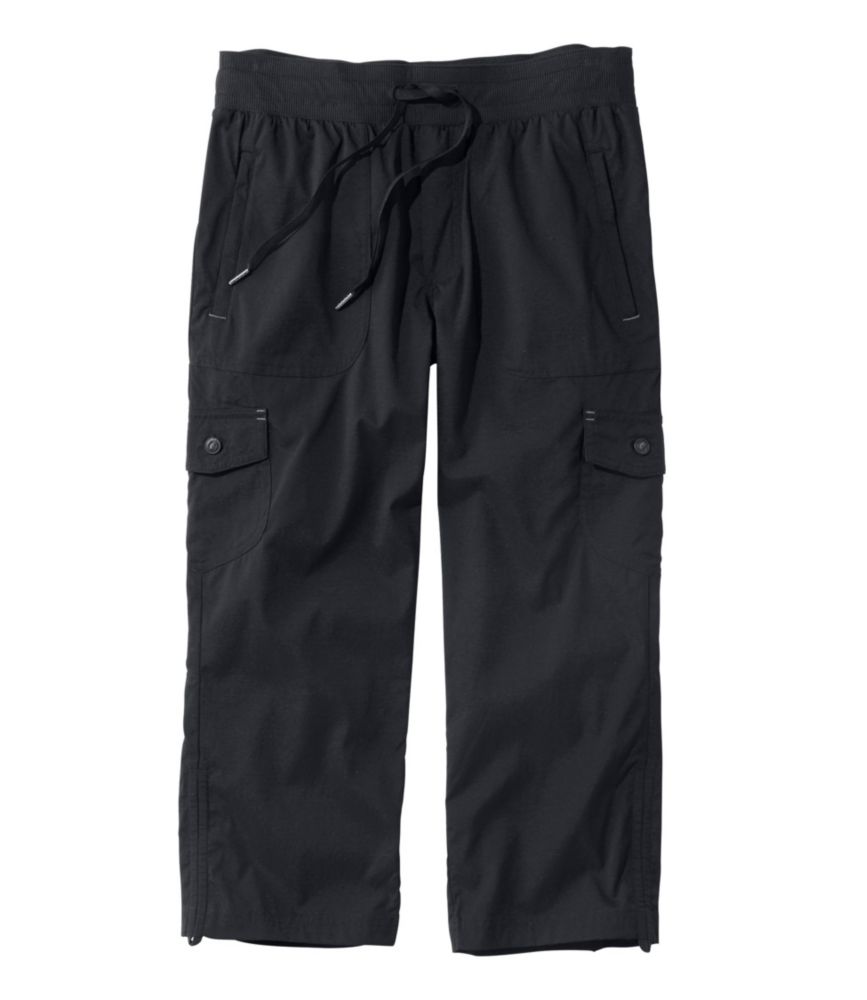
Black cropped hiking pants in stretch nylon ripstop with moisture-wicking, quick-drying fabric, UPF 50+, and adjustable hems.
(3,479)
$79.95 $79.95
SALE
What customers like:
Lightweight
Versatile
Comfortable
Good fit
Breathable
$79.95 $79.95
SALE

Womens Stretch Hiking Shorts

Women’s stretch hiking shorts bring together a familiar trail style and stretch, with fit and length helping distinguish one pair from another. For women who enjoy hiking, the appeal starts with clothing that feels right for the way they like to spend time outside, whether that means following a familiar loop with a friend or taking a longer route to a favorite overlook. Stretch is an important part of the choice, but it does not replace a well-considered fit. The waist, hips, rise, and leg opening all contribute to how shorts sit, and two pairs in the same size can have different proportions. A closer silhouette may appeal to someone who prefers a neat, simple look, while a roomier cut may suit someone who likes more space through the seat and thighs. Neither preference calls for sizing by guesswork. Comparing personal measurements with the size information for each style offers a more useful starting point than relying on the number inside a familiar pair. Inseam deserves the same attention: it describes the length from the crotch seam to the hem, rather than where the waistband sits. A shorter inseam leaves more of the leg uncovered, while a longer inseam creates a different silhouette and more coverage. The same inseam can also fall at different points on women of different heights and proportions. Measuring shorts that already fit well can make those differences easier to picture. Rise is a separate consideration, describing the relationship between the crotch seam and waistband. Together, these details give a clearer sense of fit than a photograph alone. The best match is not necessarily the shortest, longest, or closest-fitting option; it is the pair whose proportions align with the wearer’s preferences, with stretch as part of the overall design rather than a substitute for choosing the right size.

The smaller details are worth considering alongside that overall shape. On a hike, a pause to check a trail map, a step onto a rock, or a seat on a bench can make personal preferences more noticeable than they are while standing in front of a mirror. When trying on stretch hiking shorts, sitting down, bending a knee, and taking a few steps can help reveal whether the waistband placement and leg opening feel right. Stretch should not be a reason to overlook pulling at the hips or a waist that needs constant adjustment. Looking at the front, side, and back can also help distinguish a preferred silhouette from a fit that simply needs a different size. Waistband and closure details, where specified, deserve a close look because they shape how a style is worn and adjusted. Pocket layouts are another useful point of comparison rather than a feature to assume across the collection. Someone who likes to keep a folded route description close at hand may have different preferences from someone who carries everything in a separate bag. Check the listed pocket placement, dimensions, and closures before deciding what belongs there; a pocket’s appearance in a photo does not establish whether a particular phone will fit. Fabric composition and construction information belong in that same comparison. The word stretch alone does not identify the material blend, amount of stretch, or every other characteristic of the fabric. Each style’s details provide the appropriate place to confirm those distinctions without treating all hiking shorts as interchangeable. For another way to explore the category, women’s lightweight hiking shorts offers a related collection to browse alongside individual style information. Keeping fit, length, and the details that matter personally at the center of the comparison makes it easier to narrow a broad selection without being distracted by features that may not matter to the wearer.

A good choice also reflects the person who will wear the shorts, not an imagined standard of what a hiker should look like. Women discovering a nearby trail for the first time and women who have walked the same ridgeline for years may share a preference for stretch while wanting very different cuts. One may favor a higher waist and a longer hem; another may prefer a lower rise and less length through the leg. Personal style belongs in the decision, too. A simple silhouette, a preferred color, or a pocket arrangement that looks balanced can matter just as much as a measurement on a size chart. There is no need to set those preferences aside when choosing hiking clothing. For a gift, familiar details offer the most thoughtful starting point: the recipient’s usual size, the rise she tends to choose, and the length of the shorts she already enjoys wearing. A shared interest in hiking makes the gesture personal, but it does not make fit preferences universal. Care information is equally worth reviewing before making a selection, especially for someone who prefers a straightforward clothing routine. Follow the instructions supplied with the chosen pair rather than assuming that every stretch fabric should be washed or dried the same way. Those directions are specific to the garment and should take precedence over general habits. Durability is another reason to read construction details carefully rather than treating stretch, fabric appearance, or a category name as evidence of how long a garment will last. No single description can account for every wearer’s routine. Choosing thoughtfully means giving those practical details their place without losing sight of the reason for the purchase: time spent hiking, noticing the landscape, and sharing the route with good company. From the first trail junction to the final stretch back, the right pair begins with a fit and style that feel like a natural choice for the person wearing them.

FAQs