It's time to upgrade your browser

Your current browser is no longer supported on llbean.com. Please upgrade to one of the following for a smoother, safer shopping experience with us:

Women's Hiking Shorts

Find women's hiking shorts for your next day on the trail. Browse the selection and compare fit, length and sizing in each pair’s product details to choose shorts that suit your hiking plans and personal style.
Read More
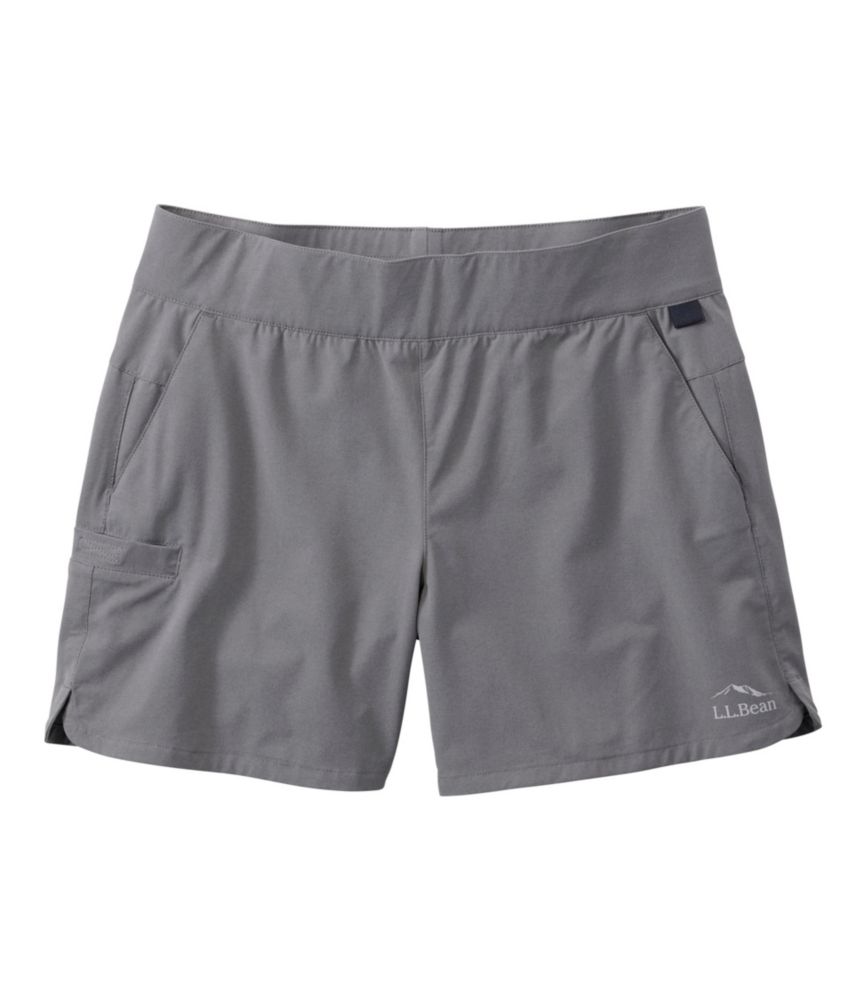
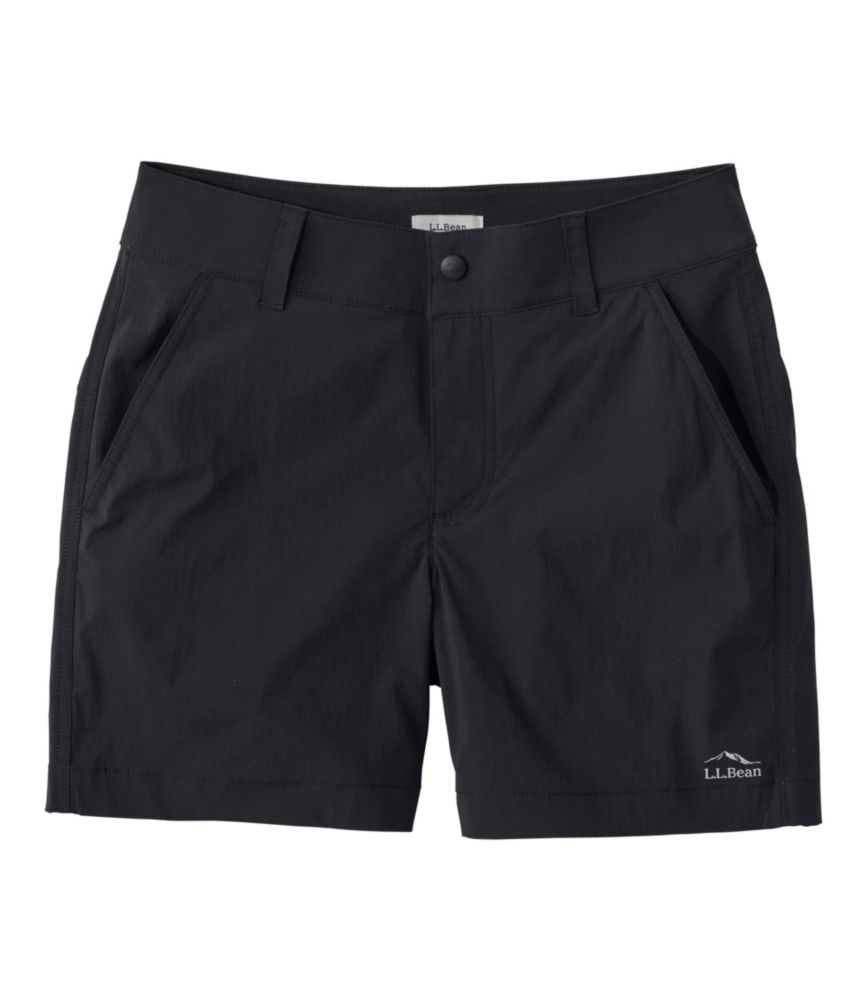
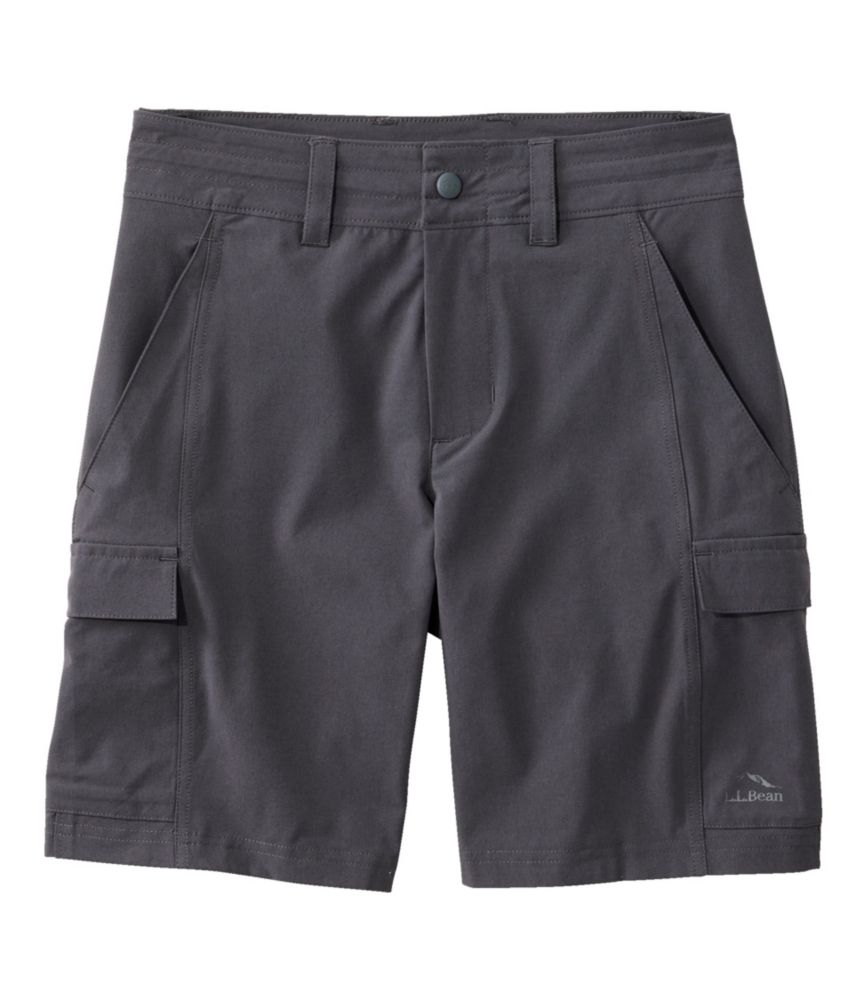
Women's Multisport Trail Shorts
L.L.Bean Women's Multisport Trail Shorts
A pair of ultrasoft, durable alloy gray shorts with UPF 50+ protection and multiple pockets for versatility.
(0)
$69.95 $69.95
SALE
$69.95 $69.95
SALE
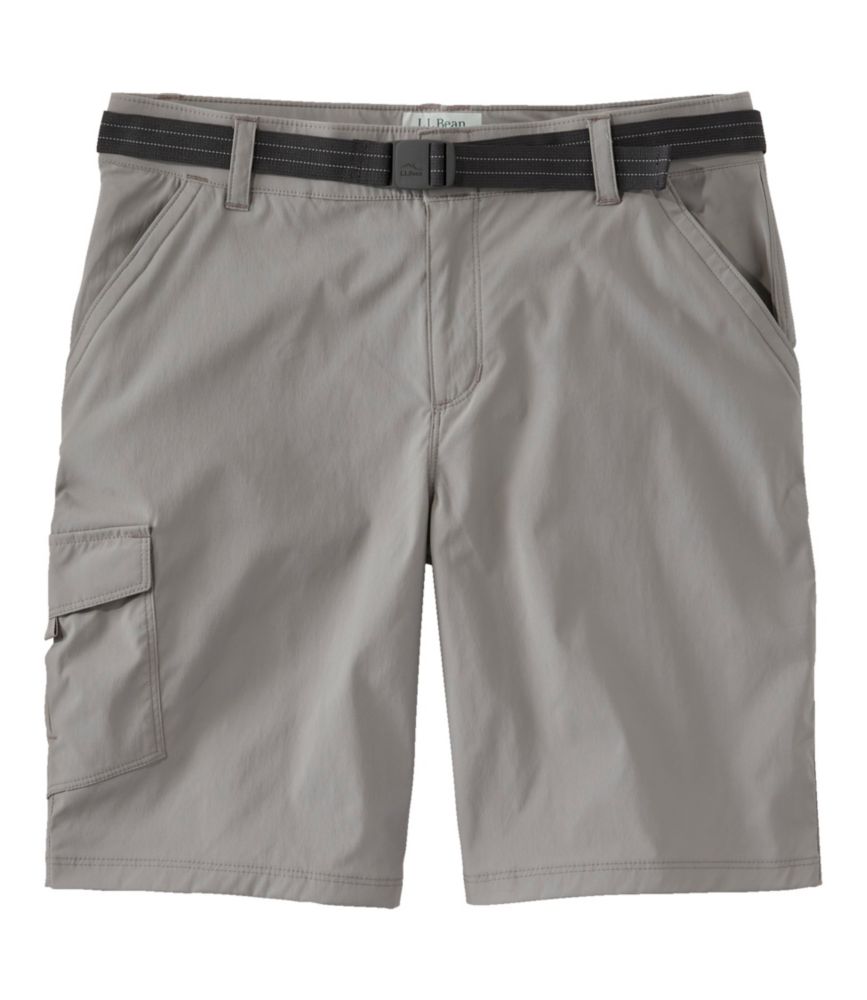
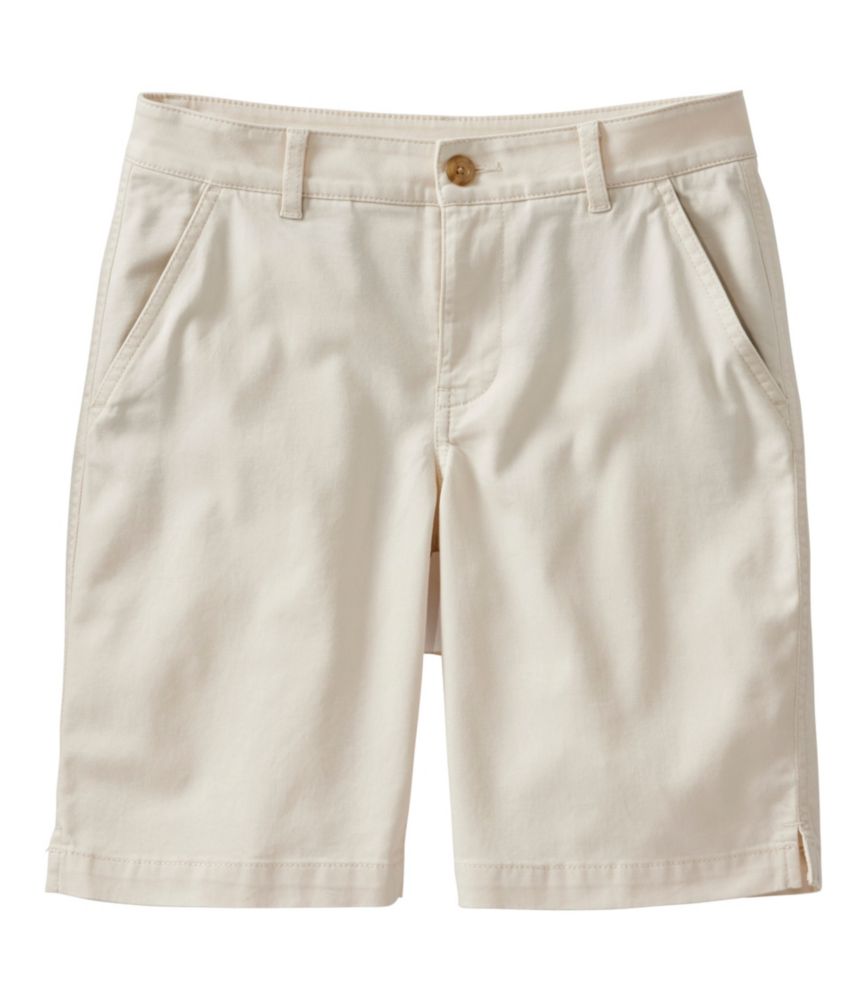
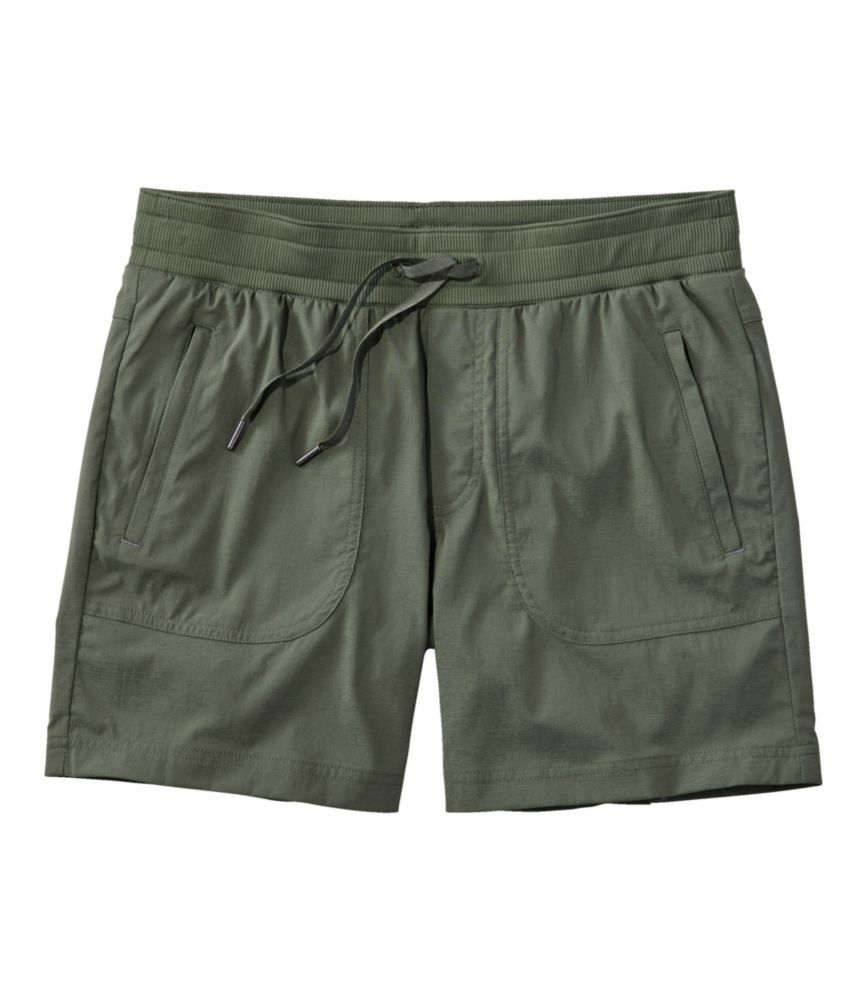
Women's Vista Camp Bermuda Shorts
L.L.Bean Women's Vista Camp Bermuda Shorts
A lightweight, abrasion-resistant Bermuda short with UPF 50+ protection, made from a nylon-spandex blend.
(1,331)
$69.95 $44.99
SALE
What customers like:
Quick-drying material
Good length
Deep zipper pockets
Comfortable fit
Generous sizing
$69.95 $44.99
SALE
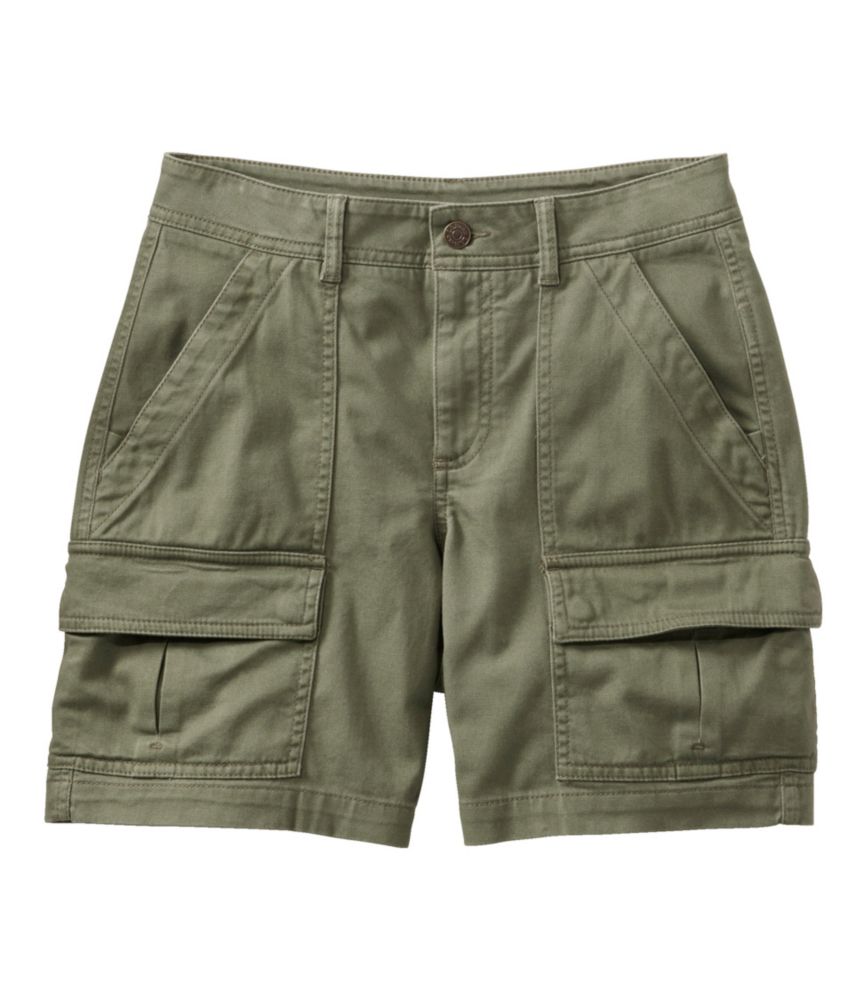
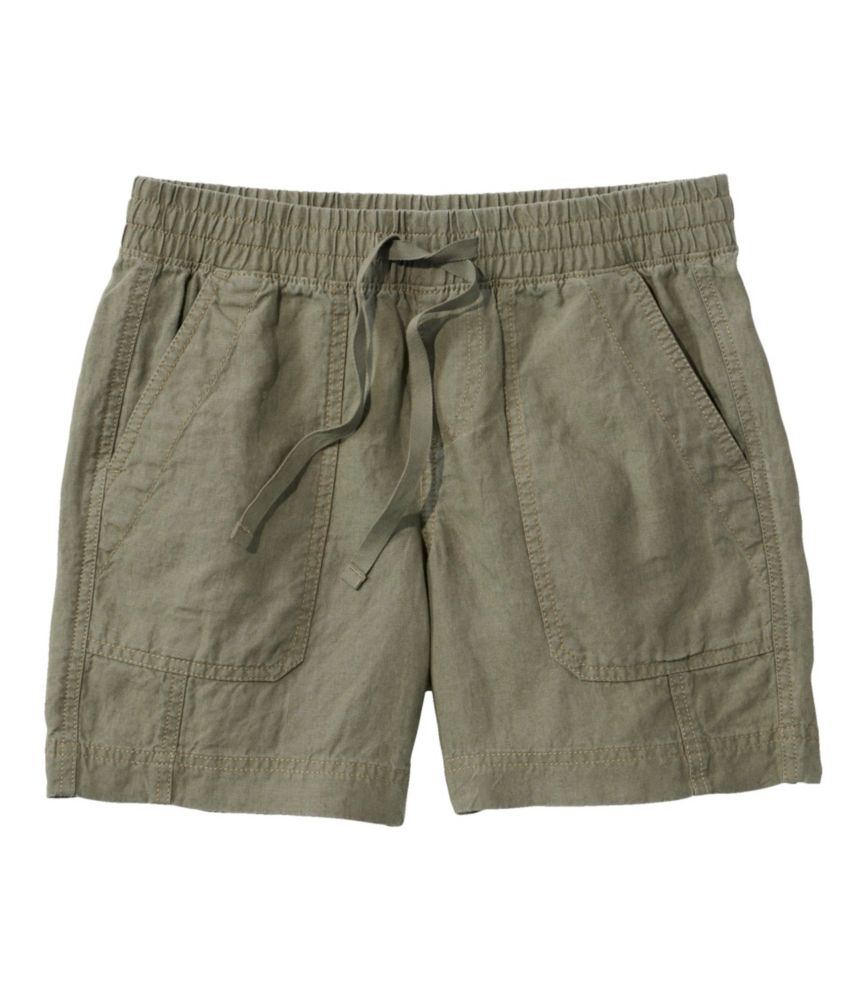
Women's Vista Camp Shorts
L.L.Bean Women's Vista Camp Shorts
A lightweight, rugged pair of thyme-colored shorts made from abrasion-resistant nylon and spandex with UPF 50+ protection.
(1,449)
$69.95 $44.99
SALE
What customers like:
Lightweight fabric
High quality
Quick-drying material
True to size
Comfortable fit
$69.95 $44.99
SALE

Women's Hiking Shorts

Women’s hiking shorts are a starting point for an outdoor wardrobe shaped by personal style, familiar routines, and time on the trail. Choosing a pair begins with the details that matter to the person wearing them: the preferred length, where the waistband sits, how the silhouette looks, and how the sizing compares with a favorite pair already in the closet. Those preferences are worth keeping in mind whether hiking means a regular loop with a neighbor, a family outing with plenty of stops, or a route saved for a free afternoon. There is no single look that belongs on a trail, and a thoughtful choice leaves room for individual taste. Someone who likes a simple, understated wardrobe may prefer a clean silhouette, while someone drawn to a more traditional outdoor look may favor a different shape or pocket arrangement. Length is often a useful place to begin comparing styles. Inseam measures the inside leg seam from the crotch to the hem, while rise describes the distance from the crotch seam to the top of the waistband. Looking at both measurements gives a clearer picture than relying on a photograph alone. The same inseam can fall differently on people of different heights and proportions, so the model’s appearance is a reference rather than a promise. Measuring a familiar pair laid flat can make the comparison more concrete. For shoppers who prefer an understated color, women’s black hiking shorts offer another way to focus the search around personal style. Color can be considered alongside the tops already in a wardrobe, without making every part of an outfit match. The goal is a pair that feels like a natural choice for the wearer, not a departure from the way they like to dress.

Fit deserves a closer look than the size label alone. A useful comparison includes waist and hip measurements, the stated fit description, and any size guidance provided for the style under consideration. Choosing between sizes is easier when those details are compared with current measurements rather than with a size remembered from a different garment. Think about the entire shape of the shorts, too: a waistband can feel right while the seat or leg opening does not match a personal preference. During a try-on, stand naturally, sit down, and take a few steps before deciding. Stepping onto a low stair and bending to tie a shoe can help reveal whether the fit feels different in motion. These ordinary movements are more informative than a quick glance in the mirror, especially for someone picturing an afternoon of hiking. If a daypack is part of that routine, trying the shorts with it provides another point of comparison. The same practical approach applies to details such as closures and pockets. Rather than assuming a photograph tells the whole story, check the description for what is actually included and consider which details are important. Someone who keeps belongings in a pack may have different preferences from someone who likes a small essential close at hand. Material information also belongs in the comparison, but the hiking category alone does not establish a particular fabric or its qualities. Read the composition listed for each style and compare it with garments whose feel is already familiar. Keep personal preferences separate from verified product information; a familiar fabric name does not tell the whole story of a finished garment. This makes browsing more useful than searching for one supposedly best combination. The right choice reflects the wearer’s proportions, preferred feel, and hiking plans, with the individual description supplying the details needed to make that decision.

Care and quality are worth considering before a pair becomes part of a regular hiking rotation. Start with the care instructions for the particular garment rather than assuming all women’s hiking shorts can be washed and dried the same way. Check whether that routine fits the household’s habits, especially when clothing from a family outing tends to arrive in one laundry pile. Keep the sewn-in label as the reference for washing, drying, and any other care directions, and avoid borrowing instructions from a similar-looking pair. Durability matters when choosing clothing intended to remain part of a wardrobe, but it should not be inferred from an outdoor appearance or a category name. Look for construction information in the individual description, and take time during a try-on to examine seams, the hem, and the closure. These are useful points of comparison without relying on broad promises about how long a garment will last. Intended use deserves the same attention. Hiking can mean following a wide, familiar path with family or spending more time on an unfamiliar route, and clothing decisions should account for the actual setting and forecast. During cooler months, shorts may not be the right choice for a particular outing; personal preference does not replace checking conditions before leaving home. For someone building a hiking wardrobe, a considered purchase can begin with one clear preference, such as length or rise, and then narrow through fit and care details. Shorts can also be a thoughtful gift for a woman who enjoys hiking, provided her sizing and style preferences are known. A partner who always chooses a certain hem length or a friend who has mentioned a preferred fit offers a better starting point than a guess based on appearance. Across all these decisions, the most helpful approach is straightforward: compare the information, respect personal preferences, and choose with the wearer in mind. That leaves the focus where it belongs—on the conversation along the path, the pause to take in a view, and the shared pleasure of spending time outside.
Read More

FAQs