It's time to upgrade your browser

Your current browser is no longer supported on llbean.com. Please upgrade to one of the following for a smoother, safer shopping experience with us:

Winter Snowsuits

Explore winter snowsuits and find a style that fits your needs. As you compare the selection, check each product’s size guide, fit details and care instructions to help narrow your choices and choose with confidence.
Read More
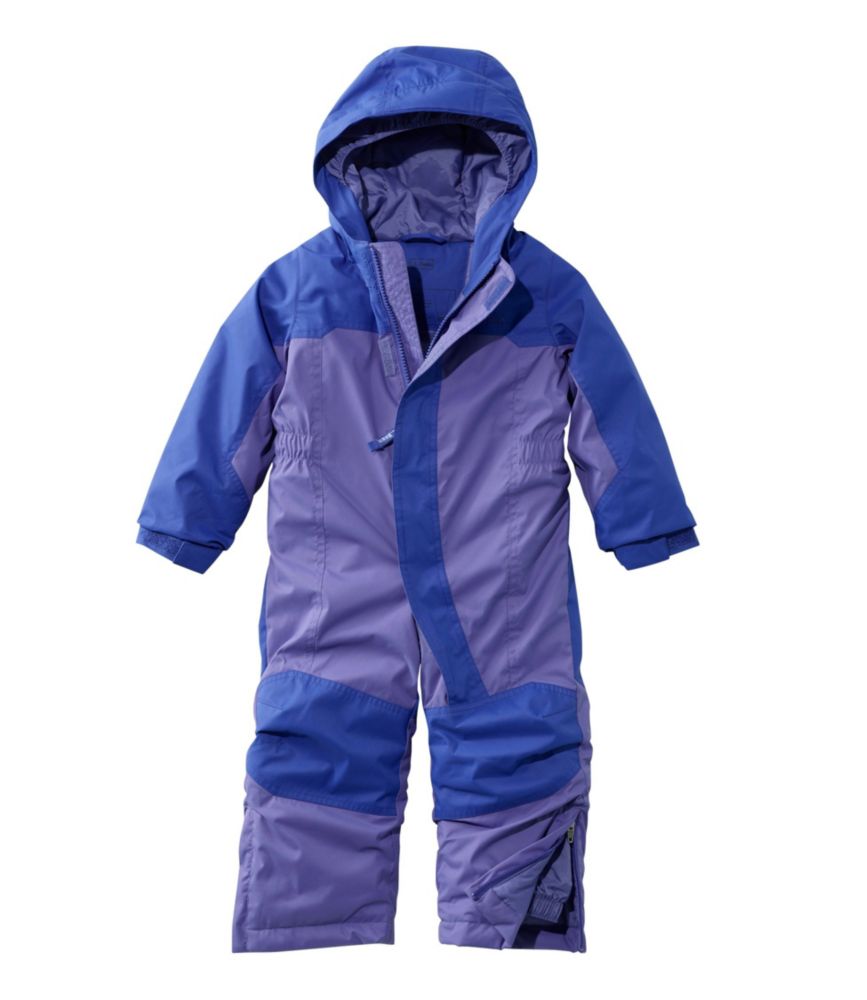
Infants' and Toddlers' Cold Buster Snowsuit
L.L.Bean Infants' and Toddlers' Cold Buster Snowsuit
A wind- and water-resistant snowsuit with Thinsulate insulation, adjustable hood, and reinforced durability for toddlers.
(593)
$110 $110
SALE
What customers like:
Great for winter fun
Easy to put on
Warm and cozy
Perfect fit for toddlers
High quality and durable
$110 $110
SALE
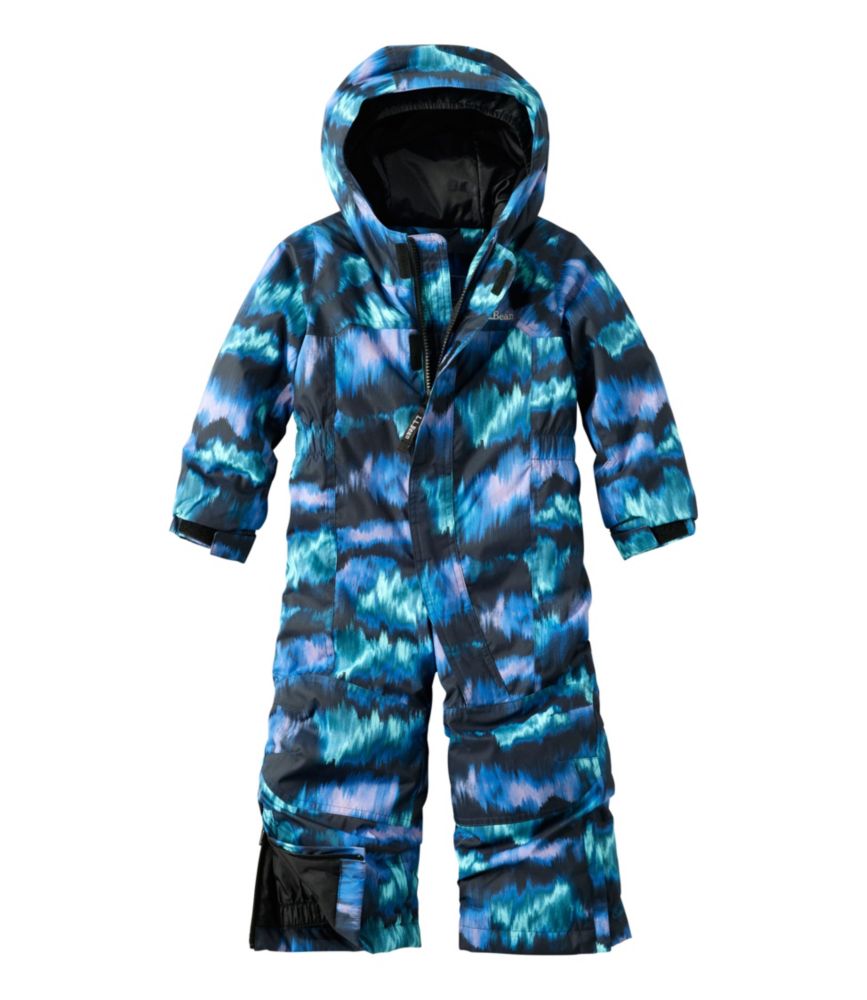
Infants' and Toddlers' Cold Buster Snowsuit, Print
L.L.Bean Infants' and Toddlers' Cold Buster Snowsuit, Print
A cozy blue one-piece snowsuit with Thinsulate insulation, wind- and water-resistant nylon, and grow-with-me cuffs.
(138)
$120 $120
SALE
$120 $120
SALE
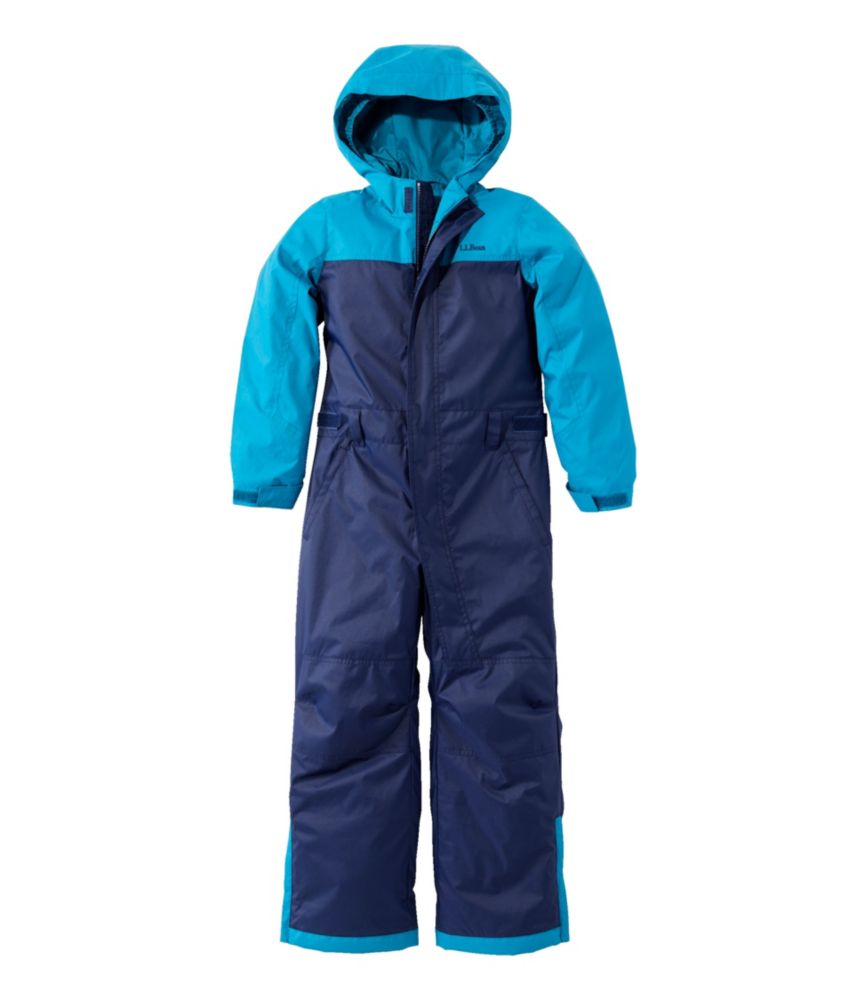
Kids' Cold Buster Snowsuit
L.L.Bean Kids' Cold Buster Snowsuit
A warm, weather-resistant snowsuit with adjustable features and reflective material, perfect for growing kids.
(0)
$140 $140
SALE
$140 $140
SALE
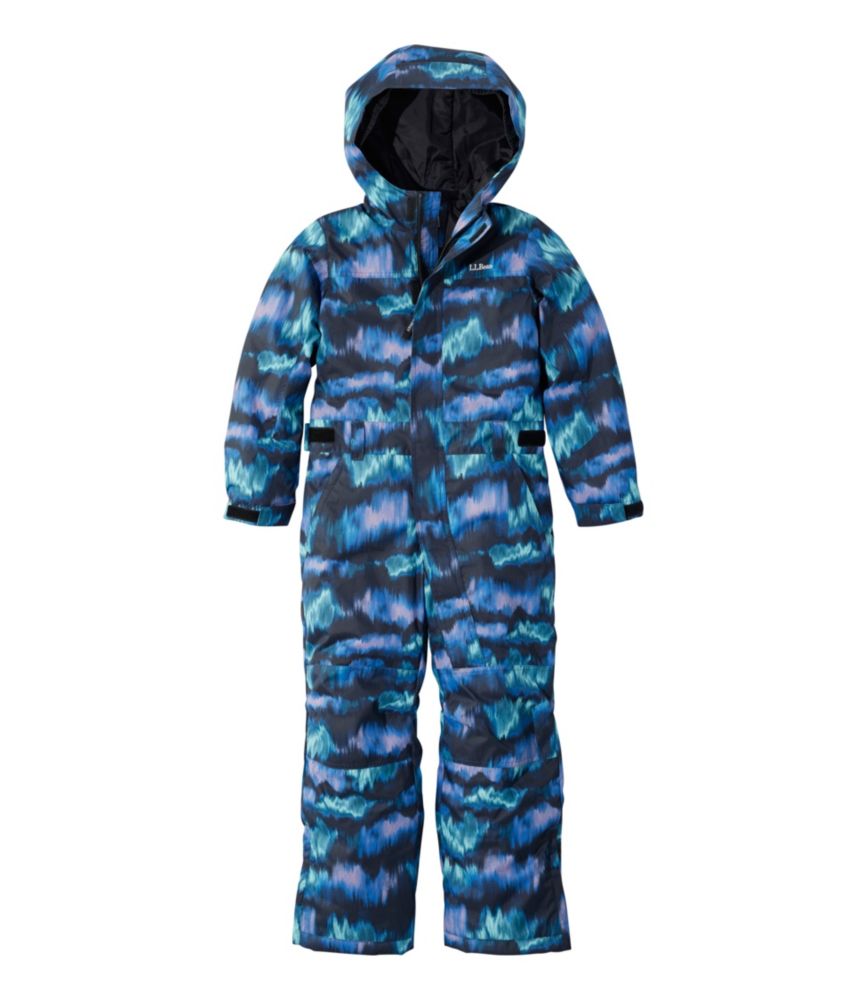
Kids' Cold Buster Snowsuit, Print
L.L.Bean Kids' Cold Buster Snowsuit, Print
A blue, weather-resistant snowsuit with Thinsulate insulation, reinforced knees, and adjustable features for growing kids.
(0)
$150 $150
SALE
$150 $150
SALE

Winter Snowsuits

Winter snowsuits bring a familiar one-piece approach to winter clothing, with a distinct look that feels right at home in the snowy season. The appeal begins with that unified style: rather than choosing a separate top and bottom, the outfit takes shape around a single garment. For anyone who likes a straightforward winter wardrobe, that can be an appealing place to start. Personal preference still matters, from the overall silhouette to the details that give each design its character. Some people gravitate toward a simple, understated look; others enjoy a more noticeable color or a contrasting detail that adds personality to winter dressing. A snowsuit can become part of the picture of the season, alongside boots lined up by the door and a favorite hat waiting on a hook. Choosing one deserves the same attention given to other frequently worn clothing, with the wearer’s proportions, preferences, and everyday routine at the center of the decision. The category name alone does not tell the full story of an individual garment, so its description, measurements, and care information are important parts of comparing styles. Photographs offer a sense of the overall shape, while written details provide information that may not be clear from an image. Looking at both helps distinguish an appealing appearance from a suitable personal choice. Winter snowsuits also have a place in thoughtful gift giving when the recipient’s size and taste are known. A person who favors a coordinated look may appreciate the one-piece format, while someone with particular clothing preferences may welcome being involved in the selection. The most personal choice reflects the person receiving it, rather than an assumption based on age or a familiar size label. That attention to the individual gives a practical gift a more considered feel.

Fit is an important distinction among winter snowsuits because a one-piece garment brings several measurements into the same decision. A familiar size is a starting point, but chest, waist, hip, torso, and inseam information can offer a fuller picture when those measurements are provided. Two people of the same height may have different torso and leg proportions, so height alone does not settle the question. The relationship between the upper and lower portions matters just as much as either measurement on its own. A wearer might prefer a closer silhouette or a more relaxed shape, and the clothing expected underneath belongs in that comparison. Checking the listed measurements against both the wearer and a familiar garment can make the differences between sizes easier to understand. Details such as sleeve length and where the pant legs meet the wearer’s boots also deserve attention. When trying on a snowsuit, ordinary movements—sitting on a bench, bending a knee, or reaching forward—can reveal fit preferences that are less obvious while standing still. The front opening and any listed adjustments are worth examining, too, particularly for someone who has strong preferences about getting dressed independently or managing closures. These are individual considerations, not features to assume across an entire category. Product photographs and descriptions are the right place to confirm the details of each design. The same distinction applies to intended use: the name “winter snowsuit” identifies the clothing category, but the individual description should establish the conditions and activities a particular garment is intended for. A snowy setting in a photograph is not a substitute for that information. For a related selection, warm snowsuits offers another place to browse, with each garment’s own details remaining central to the comparison. Keeping fit, personal preference, and documented product information together makes the choice more grounded than relying on appearance alone.

Materials, care requirements, and construction details add another layer to the choice, especially for a garment intended to have a regular place in a winter wardrobe. Fabric composition belongs in the individual product information; it should not be inferred from the category name or from the way a garment looks on a screen. When separate components are listed, reading the complete description provides a clearer understanding of the garment than focusing on a single detail. Care information deserves equal attention before a decision is made. A household with a shared laundry area may have different practical considerations from one with plenty of room to handle and dry larger garments. The relevant question is whether the labeled care routine fits the wearer’s household, not whether all snowsuits can be treated alike. Washing and drying directions can differ, and the garment’s own label should remain the reference rather than a general rule for winter clothing. Durability is another reasonable consideration, but appearance and fabric weight alone do not establish how long something will last. Specific construction information and any documented testing are more meaningful than broad promises. Over time, the care label can also help shape a consistent routine for cleaning and storage. Allowing room in a closet, keeping the garment’s information accessible, and checking its condition before putting it away are small parts of looking after a clothing purchase. These practical details may be less noticeable than color or silhouette, yet they help determine how naturally a snowsuit fits into everyday life. For a gift, passing along the care information and confirming the recipient’s measurements can be just as thoughtful as choosing a favorite shade. For a personal purchase, considering those details alongside style keeps the decision connected to real preferences and routines. Winter snowsuits are a distinctive part of seasonal dressing, and choosing among them is ultimately about finding the right match for an individual—not simply picking a size or a look. A considered selection brings together the garment’s stated purpose, its documented details, and the wearer’s own sense of what feels right.
Read More

FAQs