It's time to upgrade your browser

Your current browser is no longer supported on llbean.com. Please upgrade to one of the following for a smoother, safer shopping experience with us:

Snow Overalls

Browse snow overalls with your preferred fit in mind. Compare each style’s sizing information and listed features to understand the differences and choose the right pair for you.

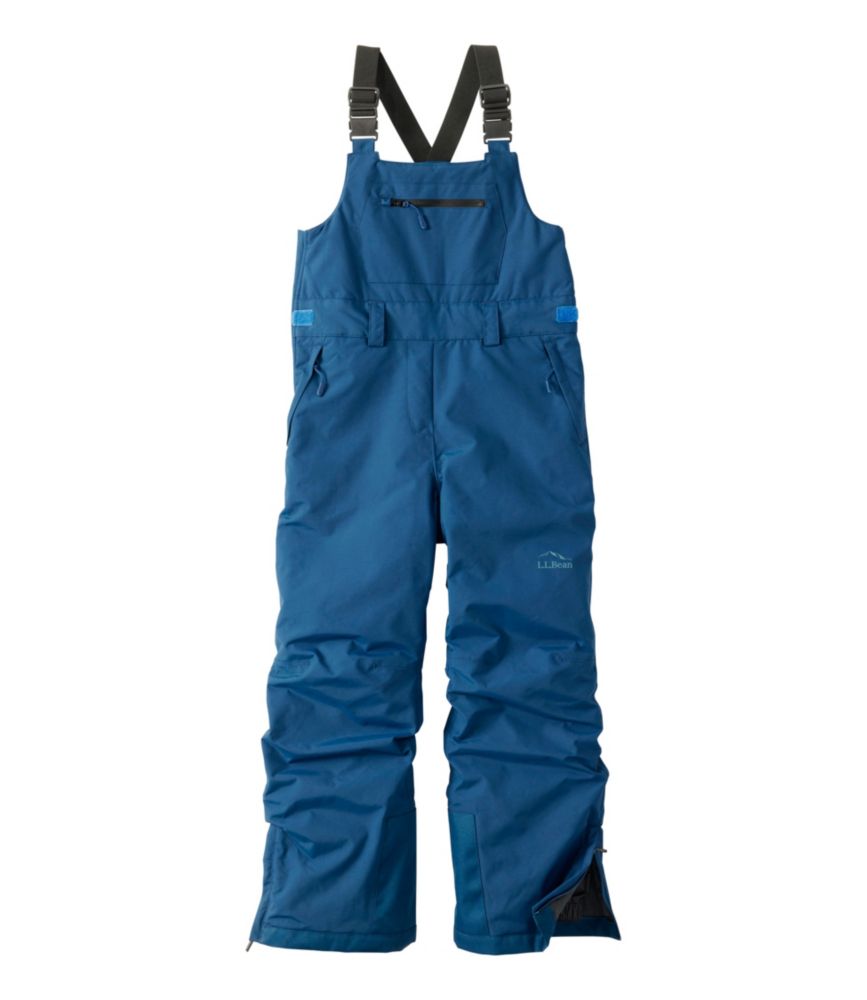
Kids' Cold Buster Snow Bibs
L.L.Bean Kids' Cold Buster Snow Bibs
Kids’ blue snow bibs with lightweight Thinsulate™ insulation, water-resistant polyester, reinforced knees, and internal gaiters.
(453)
$99.95 $99.95
SALE
$99.95 $99.95
SALE
Kids' Waterproof Wildcat Insulated Ski Bibs
L.L.Bean Kids' Waterproof Wildcat Insulated Ski Bibs
A pair of waterproof blue ski bibs with 80-gram insulation, fleece lining, and recycled nylon shell.
(49)
$130 $130
SALE
What customers like:
Great size
Waterproof
Perfect fit and comfort
Warm
Not bulky
$130 $130
SALE
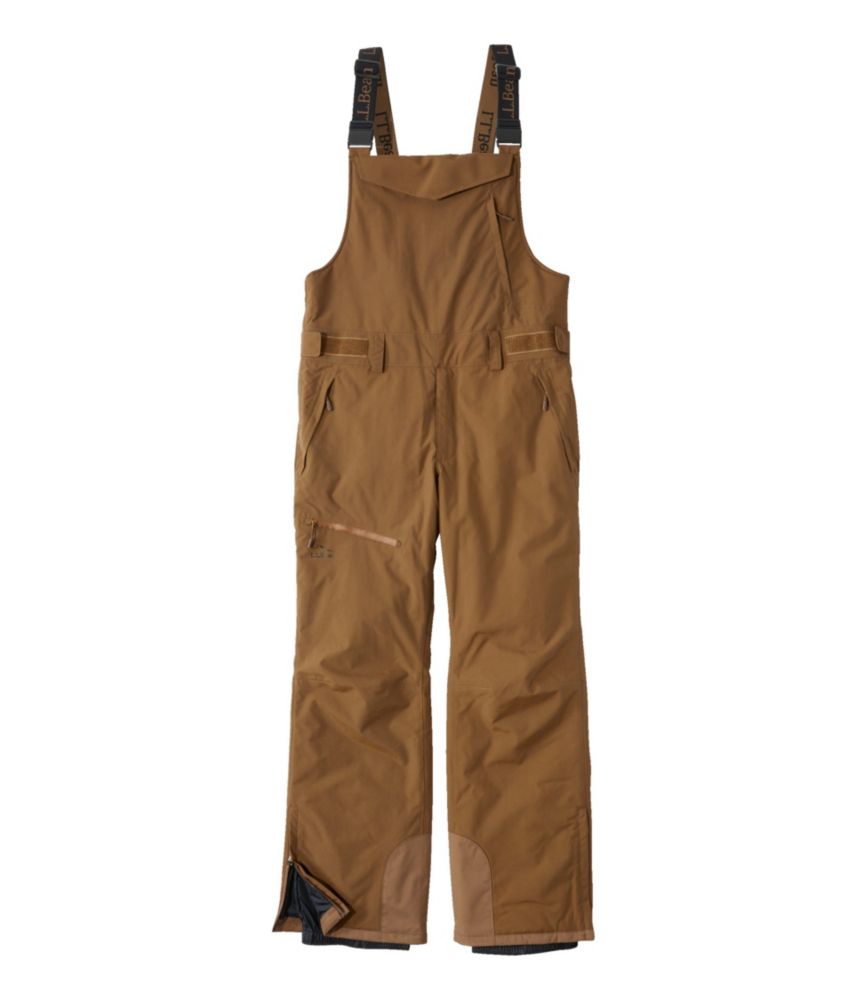
Men's Wildcat Bib Pant
L.L.Bean Men's Wildcat Bib Pant
Waterproof brown snow bib pants with recycled nylon shell, PrimaLoft insulation, articulated knees, and snow gaiters.
(0)
$220 $220
SALE
$220 $220
SALE
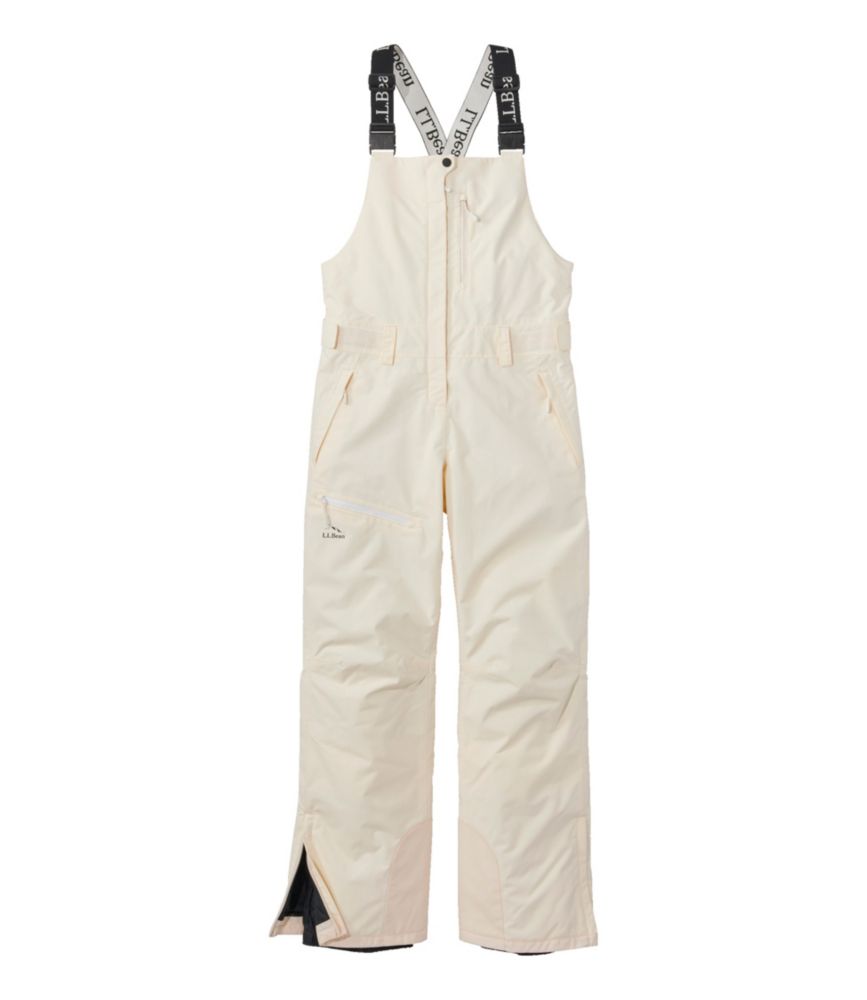
Women's Wildcat Bib Pants
L.L.Bean Women's Wildcat Bib Pants
A pair of white waterproof snow bib pants with recycled-nylon shells, PrimaLoft insulation, and adjustable straps.
(0)
$220 $220
SALE
$220 $220
SALE
Toddlers' Cold Buster Snow Bibs
L.L.Bean Toddlers' Cold Buster Snow Bibs
Blue snow bibs with lightweight insulation, wind- and water-resistant fabric, reinforced knees, and internal snow gaiters.
(0)
$74.95 $74.95
SALE
$74.95 $74.95
SALE
Infants' and Toddlers' L.L.Bean Down Snow Bibs
L.L.Bean Infants' and Toddlers' L.L.Bean Down Snow Bibs
Pink insulated snow bibs with water-repellent 650-fill down, fleece lining, reinforced knees and reflective trim.
(0)
$99.95 $74.99
SALE
$99.95 $74.99
SALE

Snow Overalls

Snow overalls bring a familiar overall silhouette to a winter wardrobe: a bib-style front, shoulder straps and full-length legs, worn as a separate garment from a jacket. Often called snow bibs, they have a different shape from waist-high snow pants or a one-piece snowsuit. That distinction is a useful starting point when browsing, especially for anyone who already has a favorite jacket and wants to keep choosing the upper and lower parts of an outfit separately. The appeal is straightforward—a recognizable style with a place in snowy-day traditions, from the first look at a snow-covered yard to a family photo beside a freshly built snowman. Snow overalls can feel classic without looking dated, and their overall proportions leave plenty of room for personal preference. Some people like a more generous outline; others prefer a closer-looking silhouette. The height of the bib, the line of the legs and the way the garment sits alongside a jacket all contribute to the finished look. Color is personal, too: a coordinated outfit has a different character from one assembled around contrasting pieces, and neither approach needs to be complicated. For people who enjoy the familiar rhythm of getting ready for snow, overalls can become a recognizable part of the occasion, alongside the jacket waiting by the door and the anticipation of seeing familiar surroundings transformed. Quality and timeless style matter here just as they do elsewhere in a wardrobe. The goal is a pair that feels like a natural choice for its wearer, rather than something selected solely because it resembles someone else’s outfit. A clear sense of preferred shape, fit and appearance gives this collection a useful place to begin, whether the search is for a first pair of snow overalls or a replacement for a well-loved style.

Fit deserves particular attention with snow overalls because the garment extends above the waist. A pants size is helpful background, but the relationship among the bib, waist, hips and leg length also shapes how a pair feels when worn. Two people who usually choose the same pants size may have different preferences in overalls, especially if their torso lengths or preferred silhouettes differ. Size charts and garment measurements provide a more useful point of comparison than a size label alone. An inseam describes leg length, while body measurements help establish the proportions through the middle; neither tells the entire story by itself. The clothing intended to go underneath matters to that comparison, too. A fit assessment made over one outfit may feel different over another, so the most relevant reference is the combination the wearer expects to choose for snowy days. The same is true of the jacket worn above the bib. Its length and shape influence the overall appearance, including how much of the bib remains visible. Standing and sitting can also reveal different impressions of fit, particularly through the torso and at the knees. These are personal considerations rather than reasons to assume that a larger or smaller size will always be preferable. Extra length is not the same thing as extra room through the body, and a broader silhouette does not necessarily change where the bib sits. Footwear is another part of the picture: the meeting point between a pant leg and a boot affects the look of the outfit and the wearer’s preferred hem length. A pair already owned can offer a useful reference for measurements, especially when its fit is familiar. Taken together, these details make choosing snow overalls less about chasing a particular label and more about finding proportions that suit the individual. That personal fit is part of what makes a thoughtfully chosen garment feel at home in an established winter wardrobe.

Fabric information and care directions are useful parts of the comparison, particularly for households with an established laundry routine. Material preferences are individual: the way a fabric looks and feels can matter as much to the shopper as the overall silhouette. Those preferences are best considered alongside the stated composition and the garment’s own care label, rather than inferred from a photograph or from the words “snow overalls” alone. Washing and drying directions can differ between garments, so a familiar routine for one pair should not automatically become the routine for another. Details such as whether closures should be fastened before washing, which cleaning products are permitted and how the garment should be dried belong to the instructions for that particular pair. Care also includes the quieter moments between outings: emptying pockets, noticing a loose thread or a closure that needs attention, and putting garments away clean and fully dry. A designated place for winter clothing helps keep the pieces of an outfit together without turning the entryway into a search at the next snowfall. Snow overalls can also be a thoughtful gift for someone whose enjoyment of snow is already well known. The strongest starting points are practical ones: an accurate size, a sense of the recipient’s preferred fit and an understanding of what they already like to wear. A gift chosen around those familiar preferences feels personal without relying on a guess about someone else’s style. For shoppers comparing the overall silhouette with a different garment format, Down Snowsuits offers a related collection to explore. Snow overalls remain a distinct choice for anyone drawn to a separate bib-style garment and the freedom to coordinate it with an existing jacket. Familiar proportions, clear sizing information and care requirements that suit the household all contribute to a considered choice—one grounded in the wearer’s own preferences and the simple pleasure of having a favorite outfit ready for snow.

FAQs