It's time to upgrade your browser

Your current browser is no longer supported on llbean.com. Please upgrade to one of the following for a smoother, safer shopping experience with us:

One Piece Snowsuits

Explore one-piece snowsuits that combine a jacket and snow pants in a single garment. Compare the available styles and sizes, and check each product’s sizing and fit details to help find the right all-in-one option.
Read More
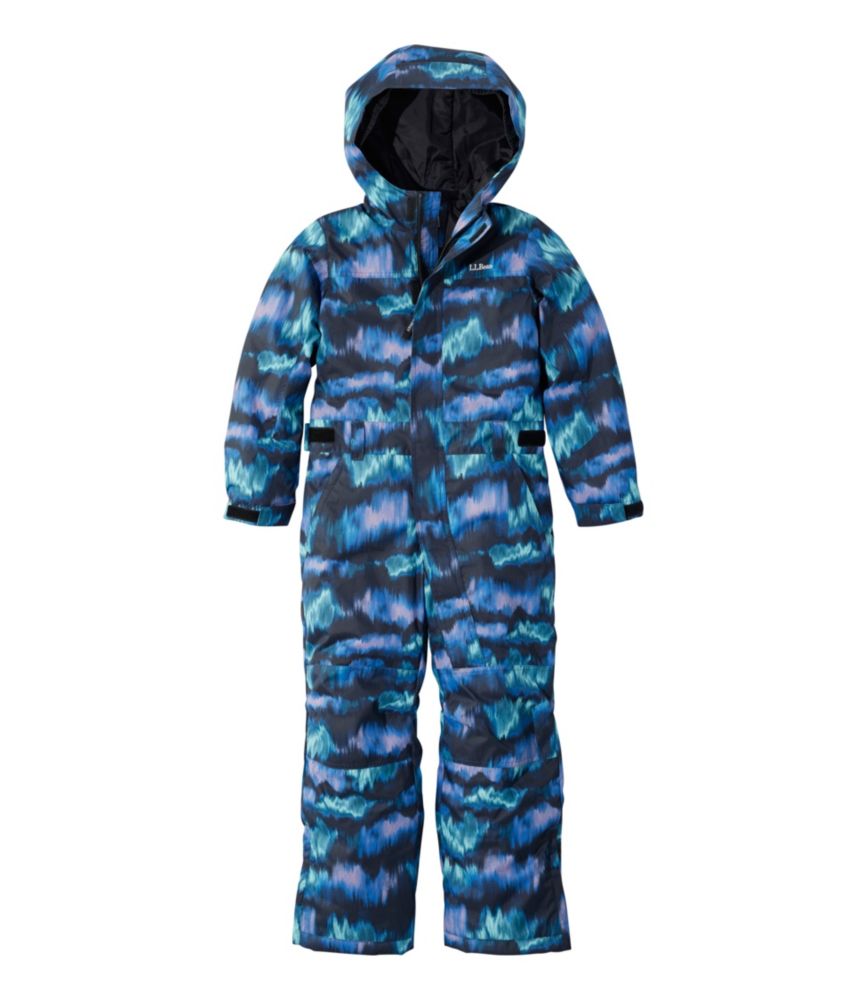
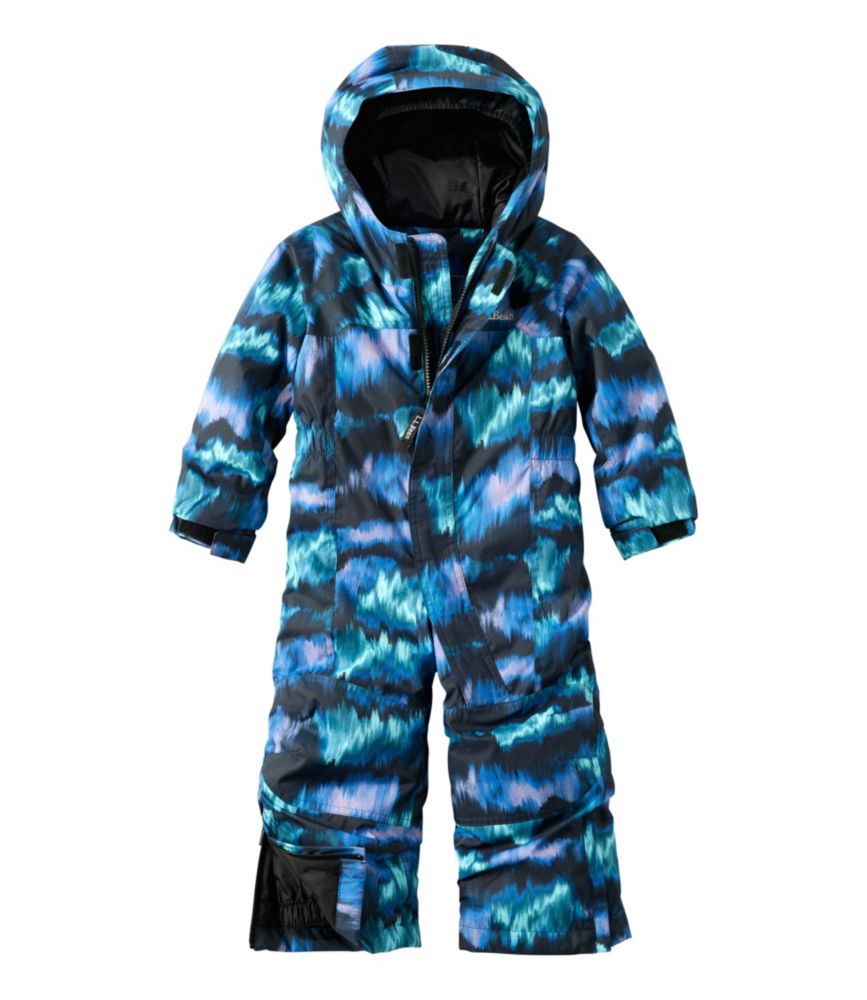
Kids' Cold Buster Snowsuit, Print
L.L.Bean Kids' Cold Buster Snowsuit, Print
A blue, weather-resistant snowsuit with Thinsulate insulation, reinforced knees, and adjustable features for growing kids.
(0)
$150 $150
SALE
$150 $150
SALE
Infants' and Toddlers' Cold Buster Snowsuit, Print
L.L.Bean Infants' and Toddlers' Cold Buster Snowsuit, Print
A cozy blue one-piece snowsuit with Thinsulate insulation, wind- and water-resistant nylon, and grow-with-them cuffs.
(138)
$120 $120
SALE
$120 $120
SALE
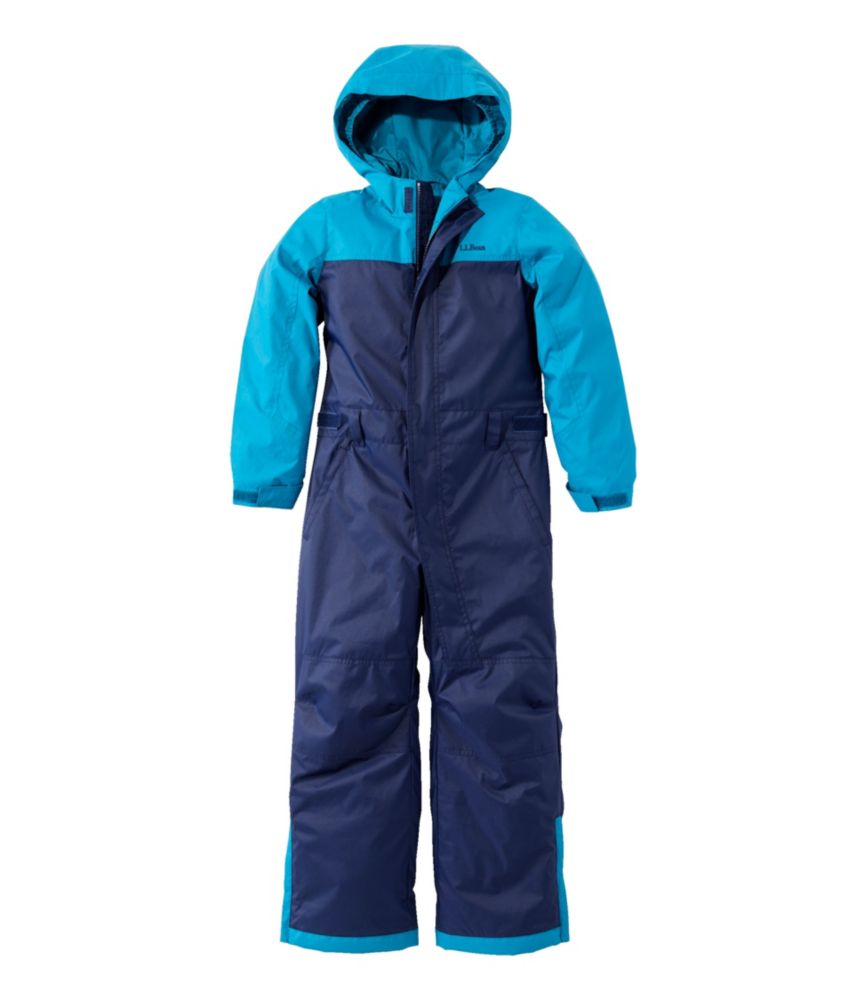
Infants' and Toddlers' Cold Buster Snowsuit
L.L.Bean Infants' and Toddlers' Cold Buster Snowsuit
An ultrawarm, wind- and water-resistant snowsuit with grow cuffs and Thinsulate insulation for infants and toddlers.
(593)
$110 $110
SALE
What customers like:
Cozy and warm
Great for winter fun
High quality and durable
Fits well and true to size
Lightweight and easy to put on
$110 $110
SALE
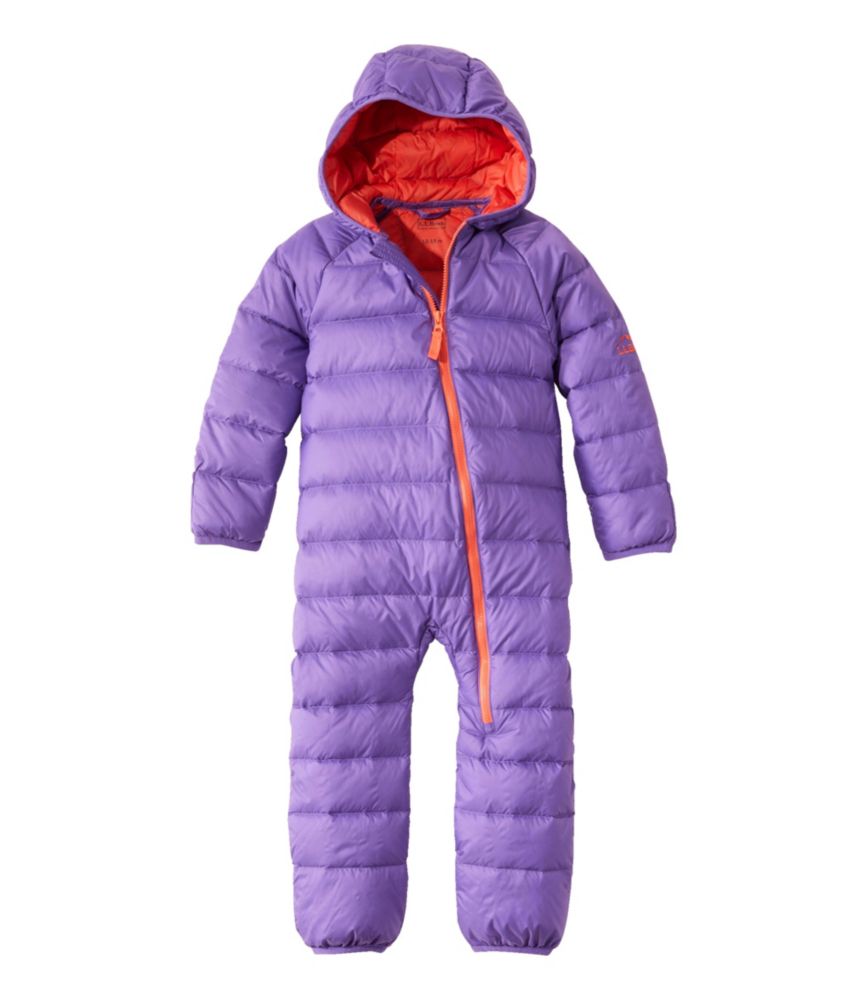
Infants' Ultralight 650 Down Bunting
L.L.Bean Infants' Ultralight 650 Down Bunting
A medium purple, water-resistant bunting with 650-fill DownTek and rollover mittens for infants aged 12-18 months.
(226)
$120 $120
SALE
What customers like:
Warm for winter
Good fit for infants
High quality material
$120 $120
SALE
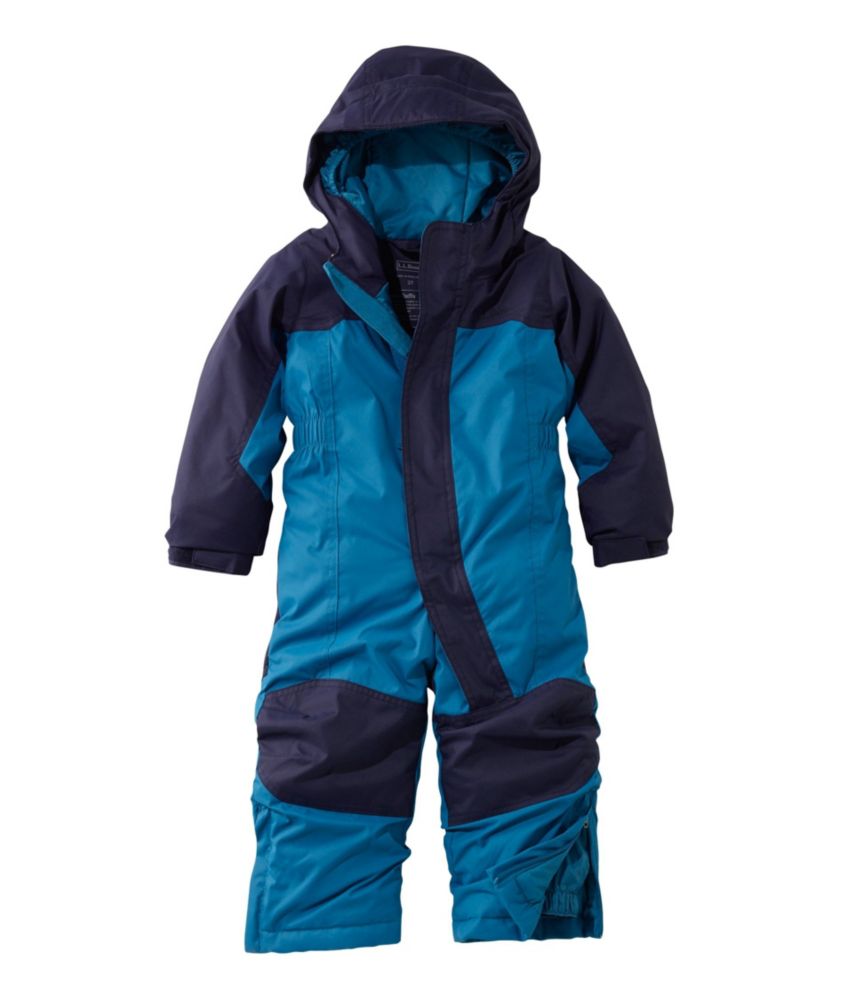
Kids' Cold Buster Snowsuit
L.L.Bean Kids' Cold Buster Snowsuit
A durable, weather-resistant snowsuit with adjustable features and Thinsulate insulation for warm, comfortable snow days.
(0)
$140 $140
SALE
$140 $140
SALE

One Piece Snowsuits

One-piece snowsuits bring the upper and lower portions of a snowsuit together in a single garment, offering a distinct alternative to a separate jacket and snow pants. That connected shape is the defining feature of the category, while the cut, proportions and overall look give each design its character. For anyone who likes a coordinated outfit, the appeal starts with choosing one central piece rather than matching two separate garments. A snowsuit can have a quiet, understated appearance or a more expressive look, depending on its color, pattern and silhouette. Personal preference matters here: a familiar shade can feel just right alongside favorite winter accessories, while a bold pattern may appeal to someone who enjoys a little more color during the cooler months. Beyond appearance, it helps to think of a one-piece snowsuit as a complete shape rather than judging its top and bottom independently. The relationship between the shoulders, torso, waist and legs influences how the garment fits from end to end. Two people who ordinarily choose the same jacket size may need different proportions in a connected garment, especially when their torso or leg lengths differ. That makes the stated measurements and fit description more useful than a size designation alone. For a gift, knowing the recipient’s usual clothing size is a starting point, but knowing their measurements and preferred fit adds meaningful context. Someone who favors a closer silhouette may choose differently from someone who prefers a roomier shape. A favorite color is another thoughtful detail, particularly when the recipient already has accessories they enjoy wearing. The best starting point is the person, not an imagined winter scene: their proportions, their preferences and the way they like their clothes to feel. Those details give a one-piece snowsuit a place in a wardrobe that feels considered rather than simply coordinated.

Fit deserves particular attention because a one-piece snowsuit connects areas of the body that separate garments allow shoppers to size independently. Chest, waist, hip, torso and inseam measurements can all be relevant, depending on the information supplied for a particular design. A size chart is most useful when read alongside the measuring directions, since a body measurement and a finished garment measurement do not necessarily describe the same thing. It also helps to distinguish overall roominess from extra length. More space through the middle does not automatically mean the torso is longer, and a longer leg does not necessarily change the fit through the shoulders. When trying on a snowsuit, standing in front of a mirror tells only part of the story. Sitting on a bench, bending at the knees and reaching forward can reveal where the garment pulls, gathers or feels disproportionate. The shoulder-to-crotch length is worth noticing in a connected design, as are the position of the waist and the length of the legs. Clothing worn underneath should be part of that assessment rather than an afterthought; trying on a snowsuit over a different outfit can change the impression of its fit. Choosing a larger size without checking proportions may introduce excess length without addressing the area that needs more room. Closures, openings and adjustments, where described, are additional details to examine individually rather than assume are standard across the category. Their placement can influence personal preference even when two suits have a similar outline. For a gift recipient whose measurements are difficult to obtain, a conversation about fit can be more useful than guessing from height alone. Comparing the details with a garment that already fits well may also help, provided the measurements are taken in the same way. These small distinctions make browsing more purposeful, especially when several designs initially look alike.

Materials, construction and care are equally worth reading about at the individual garment level, since the words “one-piece snowsuit” describe a format rather than a complete set of specifications. The category name alone does not establish fabric composition, fill, garment weight or cleaning requirements. Those details belong in the description and care label, where they can be considered on their own terms. Shoppers exploring a more specifically named category can also browse Down Snowsuits and compare the individual descriptions with their preferences. Across any snowsuit selection, the most useful details are the ones that answer a real question about ownership: how the garment is sized, what its components are, how it should be cleaned and what purpose the maker states for it. A snowy landscape in a photograph is not a substitute for that information. Likewise, a substantial appearance does not by itself establish durability, and a familiar-looking construction does not mean that two garments have identical care needs. For someone who values straightforward upkeep, reading the cleaning directions before choosing is a practical part of the decision. Washing method, drying instructions and any special handling requirements can affect how well a garment fits into an established household routine. After purchase, keeping the care label readable and following its directions provides a consistent reference when cleaning time comes around. Checking the garment’s condition before putting it away can also make a loose fastener or other repair need easier to notice before the next wearing. Storage deserves the same attention as washing: follow any stated recommendations rather than assuming every snowsuit should be packed or hung in the same way. These are ordinary details, but they help turn an appealing choice into a well-considered one. As the cooler months bring winter clothing back into view, a thoughtful selection begins with clear information and personal priorities. Whether the snowsuit is for an existing wardrobe or a carefully chosen gift, its connected design is only the beginning; proportion, individual specifications, preferred style and manageable care complete the picture.
Read More

FAQs