It's time to upgrade your browser

Your current browser is no longer supported on llbean.com. Please upgrade to one of the following for a smoother, safer shopping experience with us:

Winter Camping Sleeping Pads

Explore winter camping sleeping pads with your sleeping bag and tent setup in mind. As you compare options, check individual product details for dimensions, weight and packed size to help narrow your selection based on sleeping space and how much gear you plan to carry.
Read More
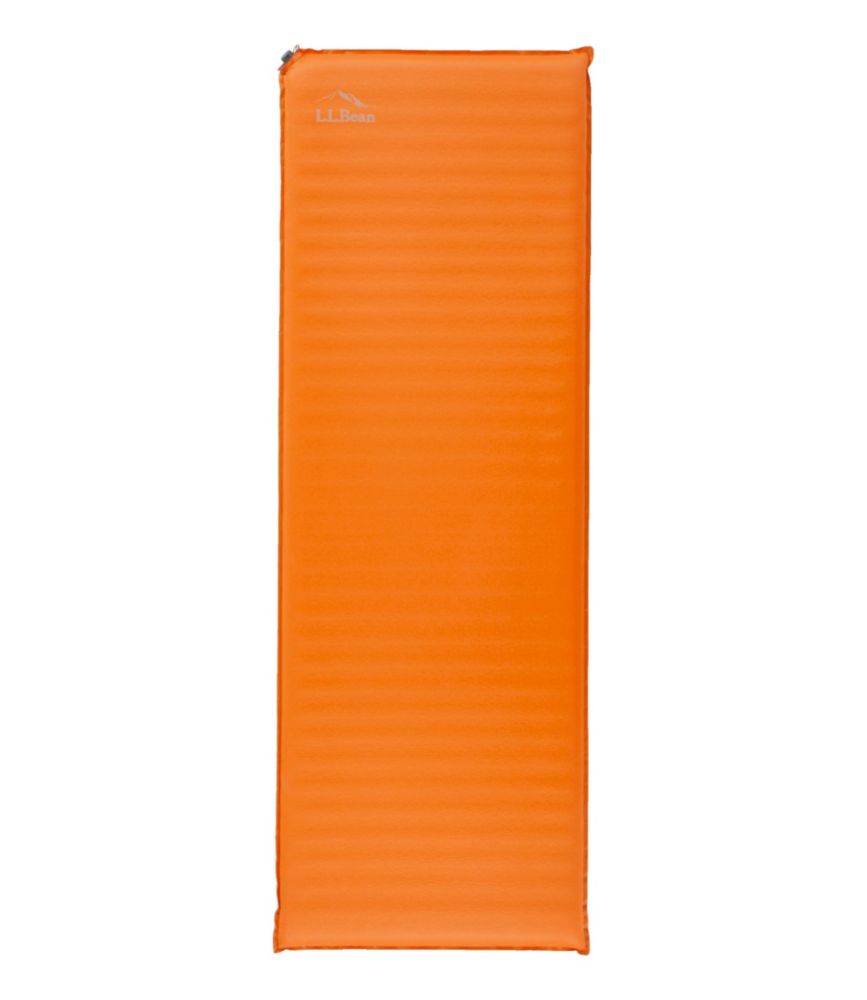
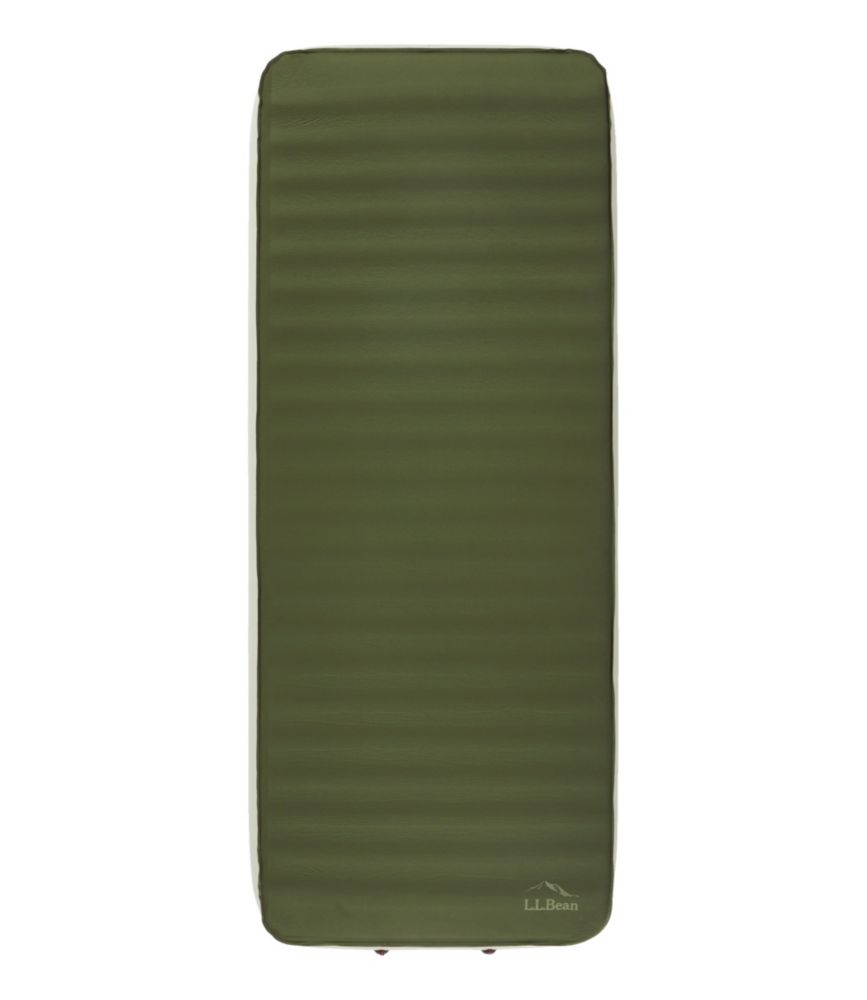
L.L.Bean Adventure Futon Sleeping Pad
L.L.Bean L.L.Bean Adventure Futon Sleeping Pad
A lightweight, multicolor self-inflating sleeping pad with a soft micro-stretch surface, no-slip base, and packable design.
(0)
$140 $140
SALE
$140 $140
SALE
L.L.Bean Camp Futon, Single
L.L.Bean L.L.Bean Camp Futon, Single
A luxurious, multi-color self-inflating camping futon with four-inch cushioning, vertical sidewalls, and dual valves.
(0)
$250 $250
SALE
$250 $250
SALE
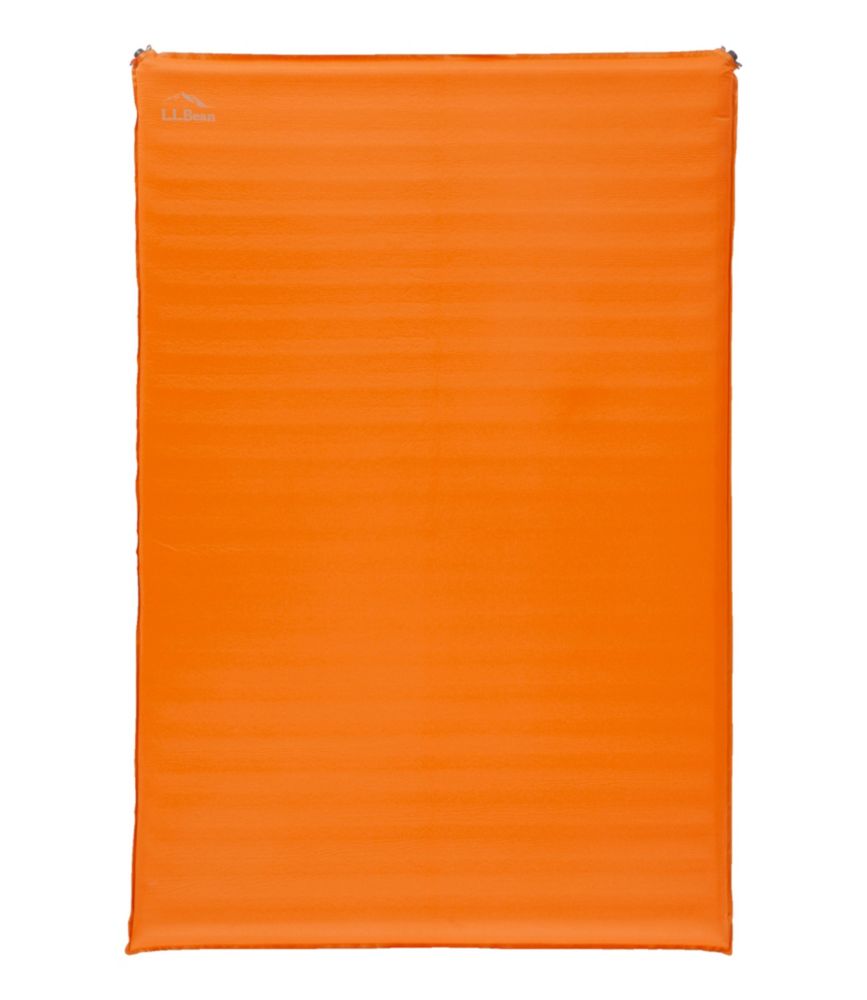
L.L.Bean Adventure Futon Sleeping Pad, Double
L.L.Bean L.L.Bean Adventure Futon Sleeping Pad, Double
A lightweight, self-inflating multicolor sleeping pad with a warm micro-stretch surface, no-slip base and fast valve.
(0)
$250 $250
SALE
$250 $250
SALE
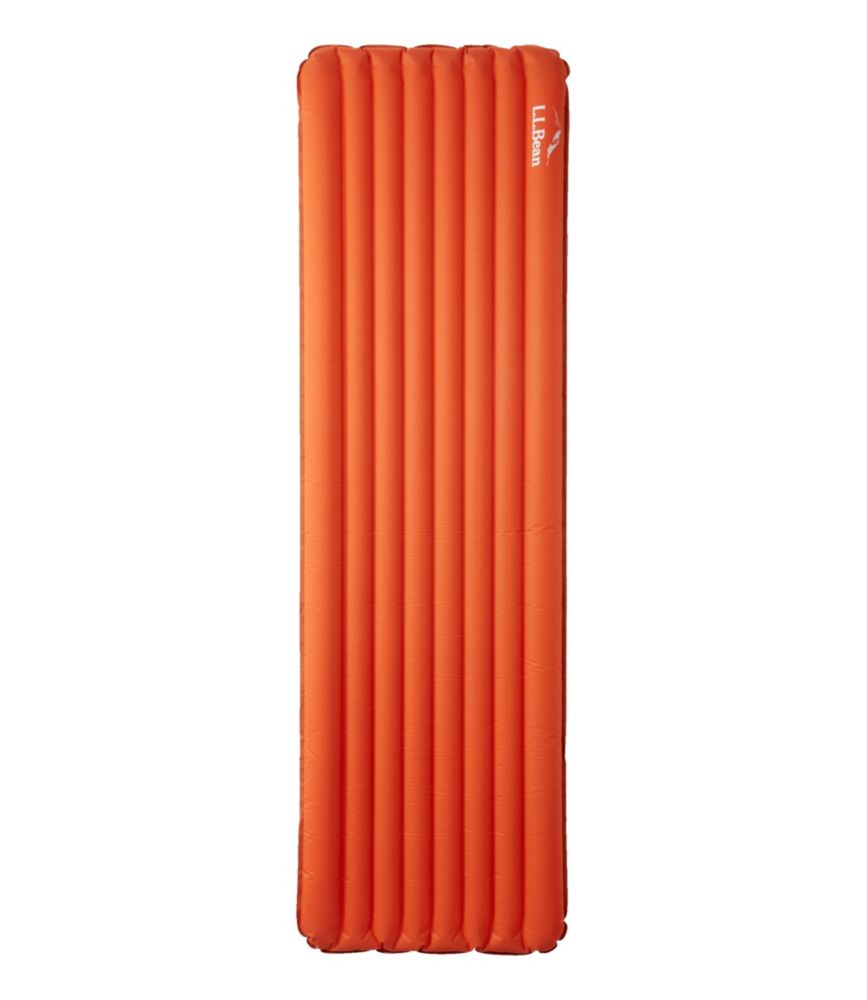
L.L.Bean Ridge Runner Sleeping Pad
L.L.Bean L.L.Bean Ridge Runner Sleeping Pad
A lightweight, packable multicolor sleeping pad with durable polyester shell, PrimaLoft® insulation, and a roomy rectangular design.
(0)
$130 $130
SALE
$130 $130
SALE
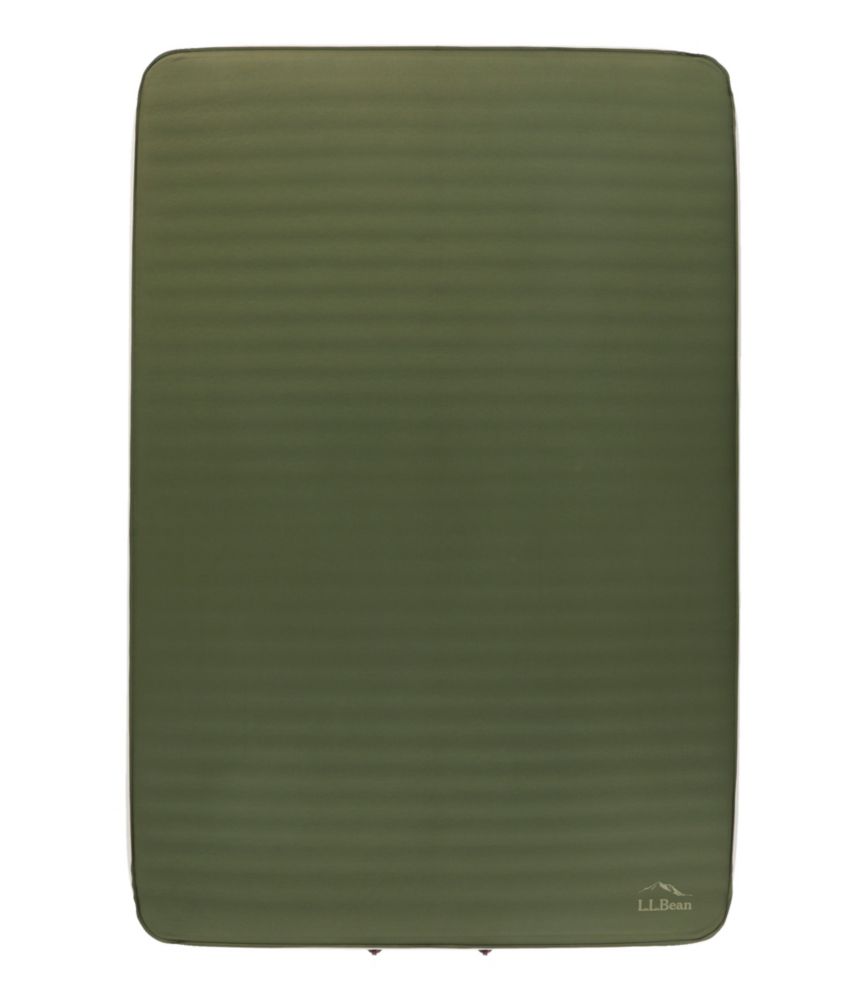
L.L.Bean Camp Futon, Double
L.L.Bean L.L.Bean Camp Futon, Double
A multicolor self-inflating camping futon with four-inch cushioning, stable vertical sidewalls and dual valves.
(0)
$360 $360
SALE
$360 $360
SALE

Winter Camping Sleeping Pads

Winter camping sleeping pads are part of a camp setup that starts taking shape long before the tent is pitched. A quiet campsite, a familiar sleeping bag and the company of family or friends all help define the experience, but choosing equipment remains a personal decision. The right starting point is the way someone actually camps: how often they go, who joins them and what else belongs in their overnight setup. This collection brings the focus to sleeping pads for winter camping, with individual product details providing the information needed to compare choices. Size is a useful place to begin. Listed length and width give a clearer picture than a photograph alone, especially for someone who likes extra room around their shoulders or tends to change position during the night. Comparing those measurements with a familiar pad can make the differences easier to understand. A taller camper may give length particular attention, while someone sharing a tent may be more concerned with how two pads fit side by side. Tent floor dimensions matter here, too: space for sleeping is only part of the layout when bags and other belongings also need a place. A pad should be considered alongside the rest of the setup rather than selected in isolation. The sleeping bag, the tent and the camper’s own preferences all belong in that comparison. For a couple planning their first winter camping trip together, that might mean measuring their existing equipment before making a choice. For someone replacing a longtime pad, it might mean noting what felt right about its dimensions and what they would change. These everyday details give the selection process a practical foundation without assuming that every camper wants the same thing. They also help keep attention on the features documented for each pad, rather than on a name or an appealing campsite photograph.

Comparing winter camping sleeping pads is also a matter of understanding the details behind each design. Materials, construction, measurements, weight and care information deserve a close look in the individual product descriptions; no single collection name tells the whole story. Those details are especially helpful when choosing between an unfamiliar design and a style someone has used before. A shopper replacing existing equipment already has a useful reference point, whether that is a preferred shape, an established packing routine or a particular amount of space in the tent. Someone building a setup for the first time may find it easier to start with those same concrete considerations than to sort through unfamiliar terminology all at once. Listed dimensions should be read in context, with packed measurements distinguished from dimensions for use. Weight is another comparison point, best considered alongside everything else on the packing list rather than treated as the only deciding factor. Product photographs can help explain a design, while written specifications and included-component lists clarify what comes with it. Checking those details helps avoid assumptions about accessories or setup. Care deserves the same attention as selection, particularly for equipment that will be brought out for multiple trips. Follow the cleaning, handling and storage directions supplied for the particular pad rather than borrowing a routine from a different piece of camping equipment. Durability is worth considering through documented construction details and product-specific guidance, not appearance alone. Before putting equipment away, taking stock of its condition and keeping its instructions accessible makes the next round of planning more straightforward. In a household where camping gear is shared, having a consistent place for each pad and its accompanying parts also helps everyone know what belongs together. These are modest considerations, but they reflect how outdoor equipment becomes part of family life: packed before a trip, checked afterward and chosen again with a better understanding of personal preferences.

A winter camping setup often reflects years of small decisions, from the sleeping bag someone has grown accustomed to using to the arrangement that gives two campers enough room inside a tent. Sleeping pads belong in that larger picture, whether the next outing is a familiar family tradition or a first experience with winter camping. The scene may be simple—boots lined up near the tent entrance, supper finished and a few last stories shared before bedtime—but the equipment behind it benefits from thoughtful comparison. Different members of the same group may choose different pad dimensions or designs, and there is no need for every setup to match. What matters is that each selection is considered against the person’s equipment, preferences and the specific guidance provided for the product. For shoppers rounding out their camping gear, winter camping blankets are another category to explore alongside the rest of an overnight setup, with their own individual details to review. Sleeping pads can also be a thoughtful gift for someone who enjoys winter camping, particularly when the recipient’s preferences are already known. A conversation about the size of their tent, the pad they use and what they would like to change is more useful than guessing from their enthusiasm for the outdoors alone. Experienced campers may have strong preferences shaped by many nights away, while newer campers may still be learning which dimensions and arrangements they prefer. For either person, a well-considered choice starts with specific information rather than broad promises. This collection offers a focused place to make those comparisons, bringing winter camping sleeping pads together without losing sight of the individual decision behind each purchase. Taking time with measurements, documented materials, care directions and the details of an existing setup keeps that decision grounded. The result is a more deliberate approach to gathering equipment for time outside with the people who make the trip memorable.
Read More

FAQs