It's time to upgrade your browser

Your current browser is no longer supported on llbean.com. Please upgrade to one of the following for a smoother, safer shopping experience with us:

Lightweight Sleeping Pads

Find lightweight sleeping pads with weight in mind from the start. Compare each option’s listed weight, dimensions and packed size to choose a pad that meets your size preferences without adding more weight than you want.

Read More
L.L.Bean Ridge Runner Sleeping Pad
L.L.Bean L.L.Bean Ridge Runner Sleeping Pad
A lightweight, packable multicolor pad with a durable polyester shell, PrimaLoft® Black insulation, and 3.5-inch comfort.
(0)
$150 $150
SALE
$150 $150
SALE
L.L.Bean Adventure Futon Sleeping Pad
L.L.Bean L.L.Bean Adventure Futon Sleeping Pad
A lightweight, self-inflating multicolor sleeping pad with a soft micro-stretch surface, no-slip base, and two-way valve.
(0)
$170 $170
SALE
$170 $170
SALE
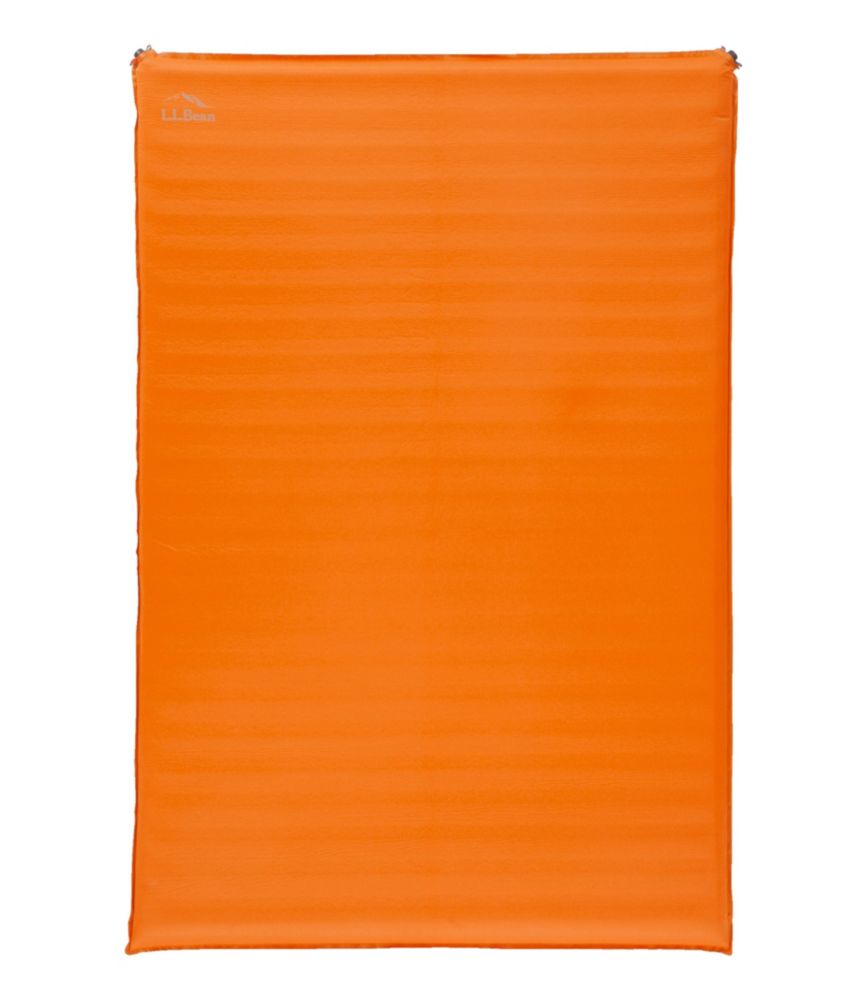
L.L.Bean Adventure Futon Sleeping Pad, Double
L.L.Bean L.L.Bean Adventure Futon Sleeping Pad, Double
A multi-color, self-inflating sleeping pad with a soft micro-stretch surface, no-slip base, and packable design.
(0)
$250 $250
SALE
$250 $250
SALE
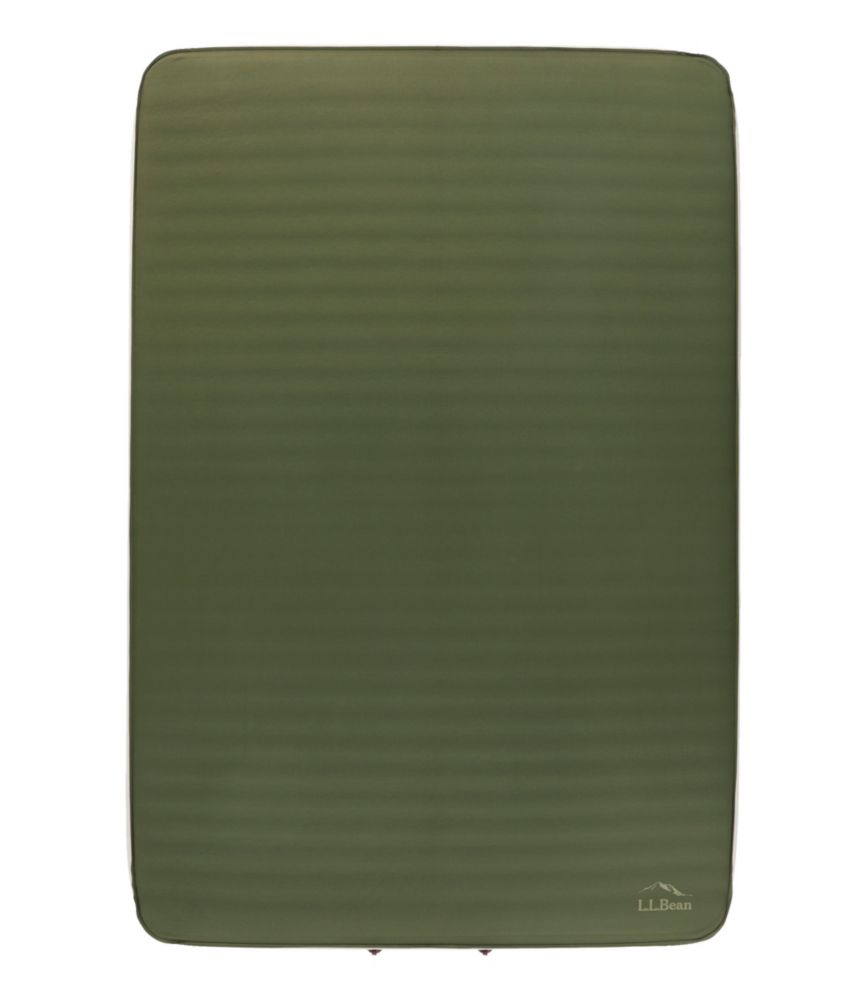
L.L.Bean Camp Futon, Double
L.L.Bean L.L.Bean Camp Futon, Double
A multicolor, self-inflating camping futon with four-inch cushioning, vertical sidewalls, dual valves and included hand pump.
(0)
$360 $360
SALE
$360 $360
SALE
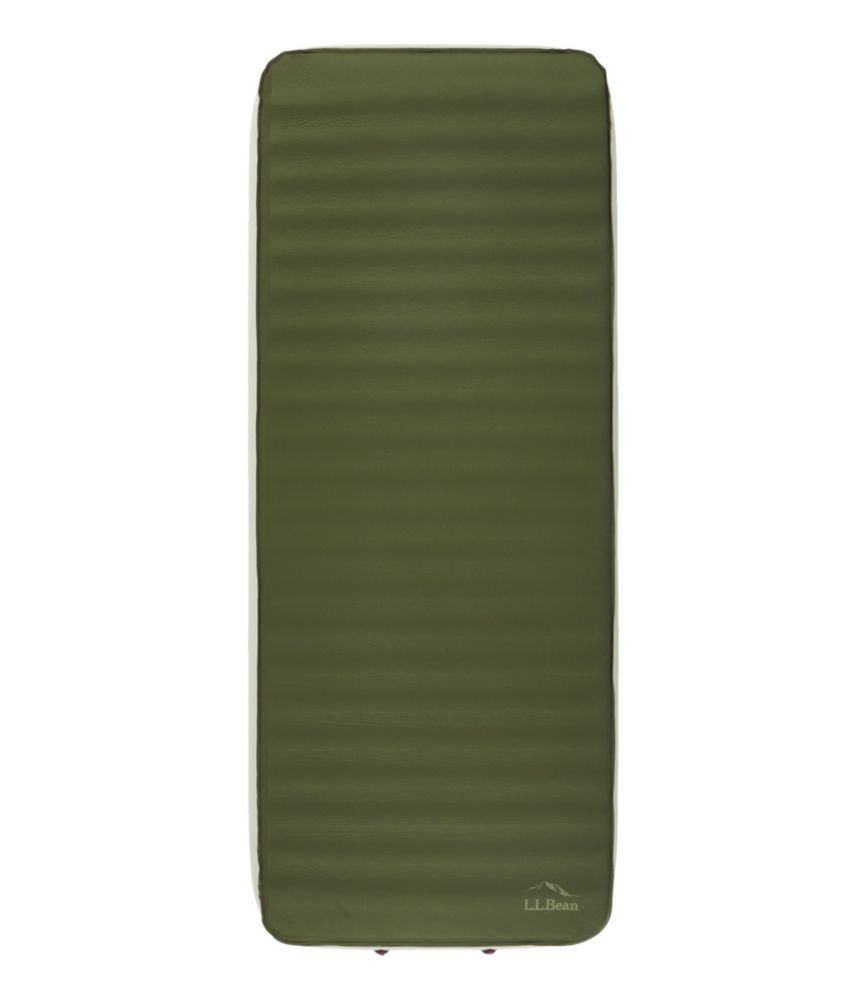
L.L.Bean Camp Futon, Single
L.L.Bean L.L.Bean Camp Futon, Single
A multicolor, self-inflating camping futon with four-inch cushioning, vertical sidewalls, dual valves, and included hand pump.
(0)
$250 $250
SALE
$250 $250
SALE

Lightweight Sleeping Pads

Lightweight sleeping pads bring weight into focus while leaving room for the personal preferences that make choosing sleeping gear an individual decision. The word “lightweight” is a useful starting point, but the listed weight of each pad provides a clearer basis for comparison. Read that number alongside the dimensions rather than treating it as the only detail that matters. A shorter or narrower pad may have a different weight than a larger version, so comparisons are most helpful when the sizes are similar. Pay attention to the units, too: ounces and pounds describe the same measurement differently, and keeping everything in one unit makes differences easier to understand. If a weight listing explains which components are included, use that information consistently when comparing options. The goal is a choice that reflects both a preference for lower weight and the amount of sleeping space that feels appropriate. That balance can look different from one person to another, even among people sharing the same outdoor plans. Someone who already knows their preferred pad dimensions can use those measurements as a starting point; someone choosing a first sleeping pad may want to spend more time considering length and width before narrowing the selection by weight. The collection title identifies the common thread, while individual descriptions provide the details needed to distinguish one option from another. A photograph gives an impression of shape and proportion, but written measurements offer a more dependable reference for size. Keep those sources together as part of the comparison. A familiar sleeping setup can also provide useful context: the dimensions that have worked before, the amount of room preferred around the shoulders, and the weight of an existing pad all give meaning to a new set of specifications. Lightweight is a preference to weigh alongside those details, not a reason to set them aside.

Size deserves particular attention because a sleeping pad’s length and width are separate measurements, and neither can be inferred from its weight alone. Consider height, the position of the feet when lying down, and where the arms naturally rest. Two people of similar height may prefer different widths simply because their sleeping habits differ. A person who rests with arms close to the body may picture a different amount of space than someone who sleeps with elbows farther out. These are useful observations to bring to a product description, without assuming that any one shape or size will suit everyone. For a concrete reference, mark the stated length and width on a clear floor with a measuring tape. That outline makes the numbers easier to picture than a photograph alone, especially when comparing unfamiliar dimensions. If the description provides measurements at different points along the pad, read them separately rather than assuming the width remains the same from end to end. Shape is another detail to compare with the space actually preferred for sleeping. Where the pad will sit also matters: measure the available area and consider the dimensions of the other bedding that will accompany it. When more than one person shares a sleeping space, comparing the combined widths can clarify the arrangement before making a selection. Anyone placing greater emphasis on width can also explore Wide Sleeping Pads as a separate starting point. The useful distinction is between seeking a particular width and seeking a lower listed weight; those preferences deserve their own attention. Neither replaces a review of the individual measurements. Fit, in this context, is less about choosing a familiar size label and more about understanding the space a pad occupies. A careful look at dimensions keeps that decision grounded in real measurements rather than an impression of how large or small something appears on a screen.

Material information, care directions, and any stated handling requirements belong in the individual product details, where they can be considered accurately rather than assumed from the word “lightweight.” Those details help explain what ownership involves beyond the initial size and weight comparison. Before cleaning a sleeping pad, check its directions for the recommended method and any restrictions. The same approach applies to storage: follow the stated instructions instead of assuming that every pad should be stored in the same way. Keep care information somewhere easy to find, particularly if someone else in the household may be responsible for putting gear away. A little organization makes it easier to refer back to the correct directions rather than relying on memory. For questions about durability, look for the construction information and limitations provided for the individual pad; weight alone does not establish how an item should be handled or how long it will last. Avoid treating a general category label as a substitute for those specifics. This attention is especially useful when choosing a gift for someone who enjoys the outdoors. Sleeping gear involves personal preferences, so a thoughtful selection starts with what the recipient already uses and appreciates. Their preferred dimensions, the weight they have mentioned wanting to change, or an interest in replacing an existing pad can offer more direction than guessing from appearance. If those preferences are unknown, a conversation about their sleeping setup may be more helpful than choosing solely by the lowest listed weight. For households choosing several pads, each person’s measurements and preferences can be considered separately rather than treating matching gear as the goal. Shared plans do not require identical choices. The most meaningful comparison brings together the listed weight, the space preferred for sleeping, and the product-specific information needed for care and handling. With those details in view, lightweight sleeping pads become a collection to explore thoughtfully, with attention to the person who will use the pad and the qualities that matter to them.
Read More

FAQs