
It's time to upgrade your browser

Your current browser is no longer supported on llbean.com. Please upgrade to one of the following for a smoother, safer shopping experience with us:

Walking Skirts

Find walking skirts that suit your personal style, with an emphasis on versatile looks and timeless appeal. Compare individual skirts’ lengths, silhouettes and sizing details to choose the fit and coverage you prefer for your walks.
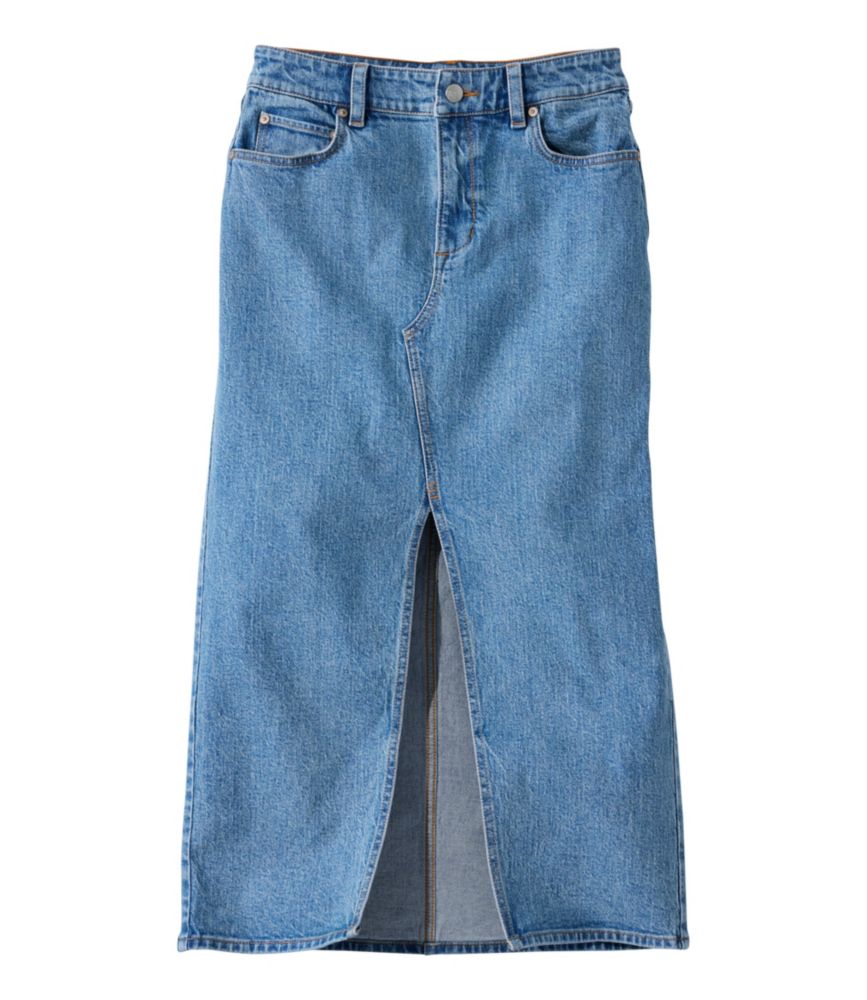
Women's Signature Heritage Denim Midi Skirt
L.L.Bean Women's Signature Heritage Denim Midi Skirt
A blue cotton-blend midi skirt with a high-rise waist, straight silhouette, and movement-friendly slit.
(0)
$120 $89.99
SALE
$120 $89.99
SALE

Walking Skirts

A walking skirt is a skirt chosen for walking, not a single prescribed cut, length or style. In modern clothing, the term brings together the familiar look of a skirt and the simple pleasure of heading out on foot. It also has a historical meaning: late-Victorian and Edwardian walking skirts were often ankle-length garments associated with walking outdoors, distinct from dresses with trailing hems. That history helps explain the name, but a modern walking skirt need not recreate a period silhouette. The focus is on finding a skirt that suits the wearer’s proportions, preferences and approach to getting dressed. A walk around the neighborhood with a friend might begin at the front door with a favorite top, familiar shoes and a skirt that feels like a natural part of the outfit. There is no need for a special look or an elaborate plan. Personal style can be understated, colorful, classic or a mix of all three. Length and silhouette do much of the visual work: the position of a hem changes the proportions of an outfit, while the shape of a skirt establishes its overall character. A walking skirt can be the starting point for a simple wardrobe built around pieces that look right together without feeling overly matched. The most useful distinction is between the name of the category and the details of an individual design. “Walking” identifies the activity; it does not specify a particular fabric, fastening or set of features. Those details belong in each garment’s description. For someone exploring the category for the first time, that leaves room to choose according to personal taste rather than assuming that every walking skirt must share the same appearance. For someone who already enjoys wearing skirts, it offers another way to think about a familiar favorite: as part of the everyday pleasure of taking a walk.

Fit is a personal consideration, and the relationship between waist, hip and length measurements is more useful than a size label alone. A familiar skirt can provide a helpful reference, especially when its measurements are compared with the size information for another design. Where the waistband sits matters to the overall proportions, as does the point where the hem falls on the wearer. The same stated length can look different on people of different heights, so a photograph is best considered alongside the actual measurements. A preferred silhouette also deserves attention. Someone who likes a straighter outline may approach the choice differently from someone who prefers more fullness, and neither preference needs to be treated as the standard. For walking, the feel of the garment while taking a normal stride is an important part of deciding whether the fit is right. The waistband, hip fit and hem all contribute to that personal assessment. Design details are worth considering individually rather than treating a long feature list as a reason to choose one skirt over another. If pockets are part of the design, their placement and appearance may matter as much as their presence. If there is a closure, its location can influence how the waistband looks with a tucked-in top. A visible waistband creates a different outline from one covered by a shirt, and a shorter top changes the balance again. These are small decisions, but they help make an outfit feel considered without requiring much fuss. Shoes provide another visual reference: looking at the complete outfit gives a clearer sense of proportion than considering the skirt by itself. Related choices can also be explored in Performance Skirts, with the individual descriptions providing the details needed for a meaningful comparison. The aim is not to collect every possible feature, but to recognize the combination of shape, length and design that fits naturally with the clothes already enjoyed.

Materials, care and construction belong in that comparison, too, without making assumptions based on the category name. Fabric composition identifies what a particular skirt is made from; the care label explains how that garment should be cleaned and maintained. Considering both together gives a fuller picture than choosing by appearance alone. A preferred care routine is a practical part of wardrobe planning, especially for someone who wants clothing maintenance to fit comfortably into an established household routine. Washing, drying and ironing directions should come from the garment’s own label, since there is no single care method that applies to all walking skirts. Construction details offer another point of comparison. Clear photographs of seams, hems, waistbands and closures can help show how a design is put together, while the written description may explain details that are less visible. Durability is an important consideration, but a category name or photograph cannot establish how long a garment will last. Specific product information and appropriate care are better starting points than broad promises. Beyond those practical details, lasting appeal is personal: a skirt is more likely to remain a wardrobe favorite when its shape and styling reflect the wearer’s own taste. Familiar combinations can be a useful guide, whether that means a plain top with a patterned skirt or a quieter outfit built around a single color. For a gift, the same attention to individual preference matters. A walking skirt may be a thoughtful choice for someone who enjoys walking and already likes wearing skirts, particularly when their size, preferred length and usual style are known. The appeal lies in recognizing something about the person, not choosing an unfamiliar look on their behalf. Whether selected for oneself or someone else, the right starting point is straightforward: an appealing design, clearly understood details and a fit that feels right for the person wearing it.

FAQs