
It's time to upgrade your browser

Your current browser is no longer supported on llbean.com. Please upgrade to one of the following for a smoother, safer shopping experience with us:

Skirt Styles

Explore skirt styles to find the shape and length you have in mind. Compare silhouettes, consider how they’ll pair with your favorite tops, and check each skirt’s size and fit details to help narrow your choices.
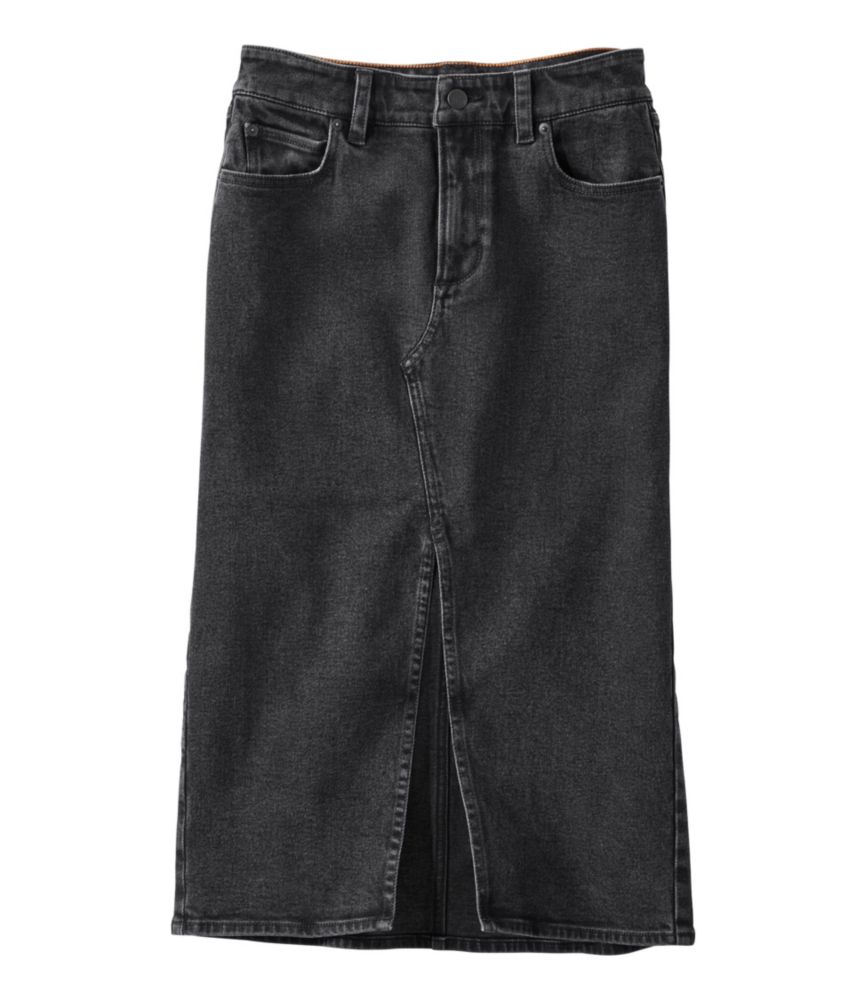
Women's Signature Heritage Denim Midi Skirt
L.L.Bean Women's Signature Heritage Denim Midi Skirt
A black cotton-blend midi skirt with a high-rise fit, straight silhouette, movement-friendly slit, and five-pocket styling.
(0)
$120 $89.99
SALE
$120 $89.99
SALE
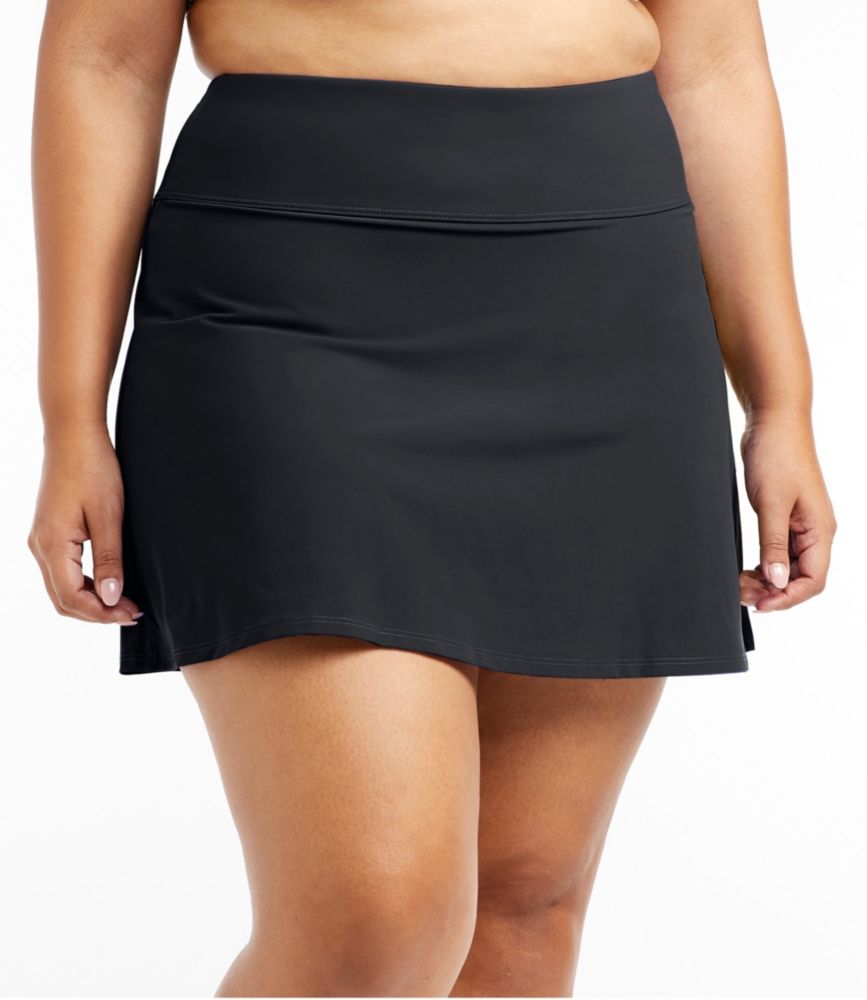
Women's Shaping Swimwear, Swim Skirt
L.L.Bean Women's Shaping Swimwear, Swim Skirt
A black high-rise swim skirt in nylon blend with an internal brief and UPF 50+ protection.
(736)
$69.95 $69.95
SALE
What customers like:
High quality fabric
Perfect fit
Good coverage
Comfortable
Flattering style
$69.95 $69.95
SALE

Skirt Styles

Skirt styles are generally classified by silhouette, length and construction: the overall outline, the position of the hem and the way the design is shaped. These qualities work together, so a skirt can be A-line, midi length and pleated at the same time. A-line skirts are narrower at the waist and gradually widen toward the hem, creating the outline that gives the style its name. Straight skirts have a more consistent line from the hips downward, while pencil skirts generally taper toward the hem. Full skirts have a broader outline below the waist, though that fullness can come from several different kinds of construction. A circle skirt takes its shape from circular cutting; a gathered skirt brings fullness together along a seam, often at the waist. Pleated skirts feature a series of folds, which may be narrow and closely spaced or broader and more pronounced. Wrap skirts are distinguished by overlapping panels, while tiered skirts have horizontal sections that create a stepped arrangement. These descriptions are not interchangeable, but they are not mutually exclusive, either. A tiered skirt may also be full and ankle length, just as a wrap skirt may have a straight or flared outline. Small differences in those combinations give familiar skirt shapes their individual character. An uninterrupted front looks different from one divided by folds, overlapping edges or horizontal seams, even when the overall silhouette is similar. An asymmetrical hem adds another distinction, with an edge that falls at different lengths rather than following an even line around the skirt. Together, these details create a broad range of styles without requiring elaborate decoration. The appeal often lies in that balance: a recognizable shape, a clear line and a few considered details that make the design feel distinctive.

Length gives each skirt silhouette another dimension. Mini skirts generally fall above the knee, knee-length styles end around the knee, midi skirts fall between the knee and ankle, and maxi skirts reach toward the ankle or lower. These names describe broad categories rather than fixed measurements. A midi can fall just below the knee or closer to the lower calf, and the same listed length can look different on people of different heights. The garment measurement and the intended position of the waistband provide more context than the length name alone. A waist designed to sit higher changes the proportions of the whole outfit compared with one positioned lower, even if the distance from waistband to hem is similar. Silhouette matters alongside length: a straight midi creates a different outline from a full midi, while an A-line shape can look quite different at knee length and ankle length. Longer does not necessarily mean fuller, and shorter does not necessarily mean narrower. Those distinctions leave plenty of room for personal preference rather than a single formula tied to height or body shape. The relationship between a skirt and the pieces around it also changes its appearance. A tucked shirt makes the waistband and upper outline more visible. An untucked top places another horizontal line across the silhouette, depending on where its hem falls. A shorter jacket leaves more of the skirt visible, while a longer layer creates overlapping lengths. Footwear becomes part of the same picture: a lower-cut shoe leaves a different line below the hem than a boot with a taller shaft. None of these combinations needs to follow a rigid rule. A familiar top can bring a new perspective to a fuller skirt, and a simple change in hem length can give an otherwise familiar outfit a different sense of proportion. The result is a wardrobe with variety that still reflects the person wearing it.

Beyond shape and length, the visual details of skirt styles can be quiet or expressive. A solid color gives seams, pleats and the outline of the hem a clear presence. A print introduces another element, whether its pattern is small and closely repeated or larger and more widely spaced. Vertical stripes, horizontal bands and scattered motifs each create a different arrangement across the same basic silhouette. Details such as patch pockets, a visible row of buttons or an offset opening can become part of the design’s character, while a simpler front leaves the emphasis on the overall shape. Among casual skirts, these distinctions offer plenty of ways to express an individual point of view without making an outfit feel complicated. A top with a noticeable pattern can sit alongside a visually simple skirt, or a patterned skirt can become the main feature beside a plain shirt. Repeating a color between separate pieces creates a connection without requiring an exact match. Keeping the colors similar while varying the shapes offers another approach, with the contrast coming from proportion rather than pattern. Personal preferences about fit matter just as much as appearance. A silhouette name describes the intended outline, not a universal size or a promise that every version will fit alike. Listed waist and hip measurements, garment length and any product-specific fit notes help put that outline in context. Care directions also belong to the individual garment; two skirts with similar shapes may have different care requirements. Those practical details sit alongside the more visible choices, helping distinguish a style that simply catches the eye from one that fits naturally into an existing wardrobe. There is room for both familiar favorites and a different silhouette: a straighter line beside a fuller one, an even hem beside an asymmetrical edge, or a simple design beside pronounced pleats. The common thread is personal style, expressed through shapes and details that feel like a natural extension of the clothes already enjoyed.

FAQs