It's time to upgrade your browser

Your current browser is no longer supported on llbean.com. Please upgrade to one of the following for a smoother, safer shopping experience with us:

Touring Skirts

Browse touring skirts with your kayak’s cockpit size and your own waist measurements in mind. Check each kayak skirt’s sizing and compatibility information to help narrow the selection and choose the right fit.
Read More
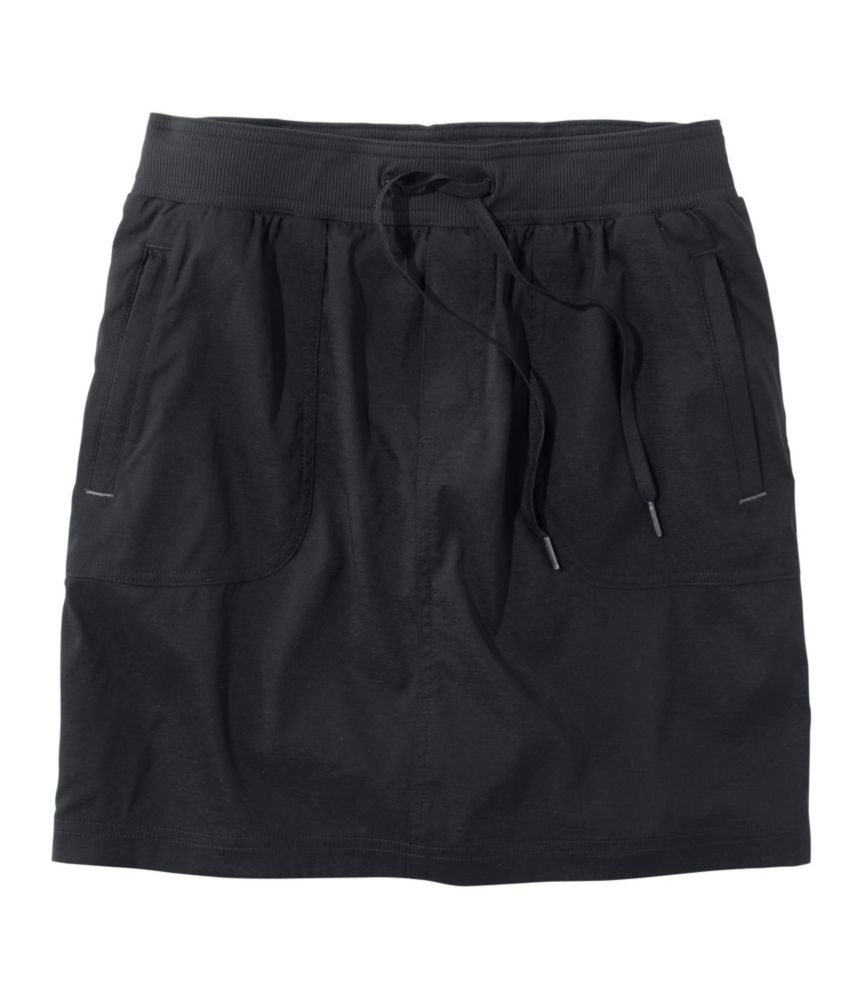
Women's Vista Camp Skort
L.L.Bean Women's Vista Camp Skort
A lightweight, abrasion-resistant black skort with UPF 50+ protection and a comfortable elastic waistband.
(836)
$69.95 $69.95
SALE
What customers like:
Quality fabric
Lightweight
Comfortable
Good fit
Breathable
$69.95 $69.95
SALE
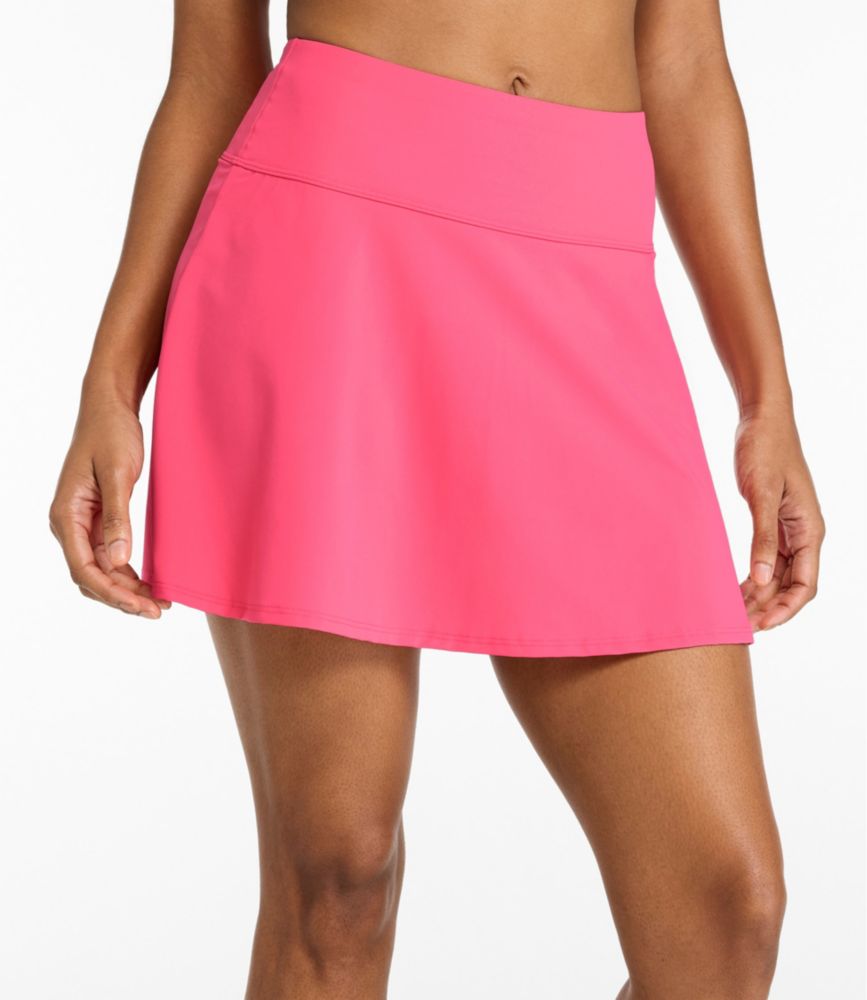
Women's Shaping Swimwear, Swim Skirt
L.L.Bean Women's Shaping Swimwear, Swim Skirt
A flattering red nylon-blend swim skirt with UPF 50+ sun protection and quick-dry, stretch fabric.
(736)
$69.95 $48.99
SALE
$69.95 $48.99
SALE
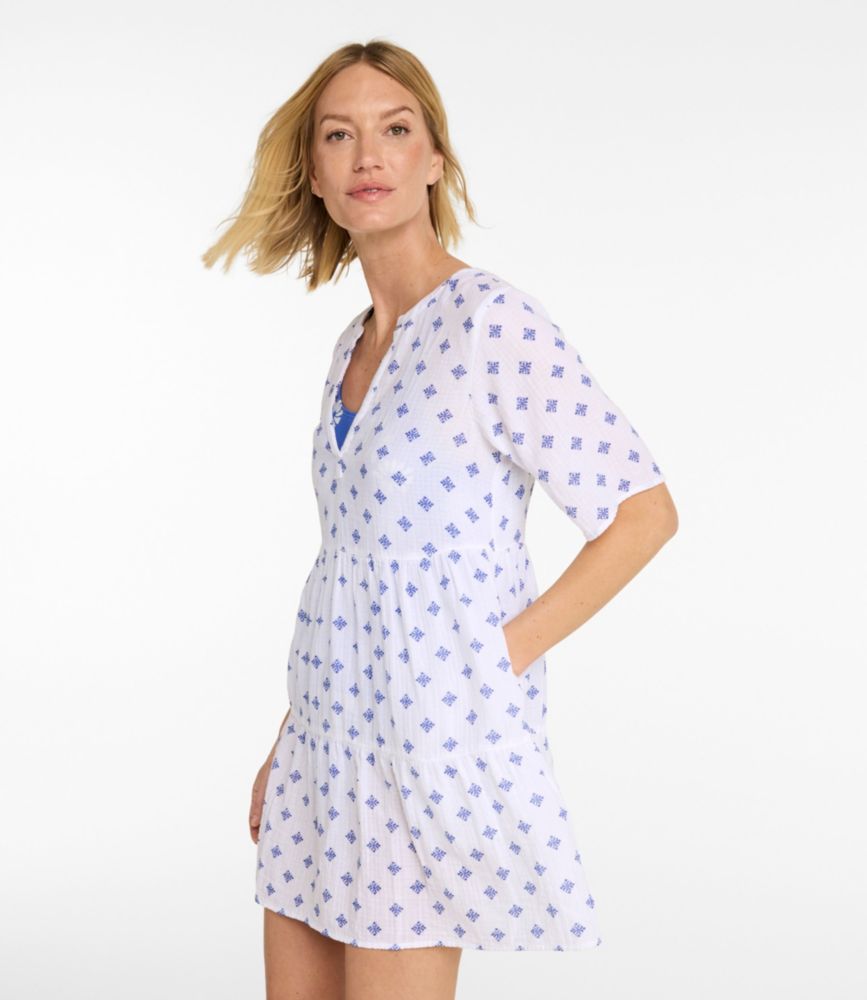
Women's Cloud Gauze Cover-Up, Tiered Dress Print
L.L.Bean Women's Cloud Gauze Cover-Up, Tiered Dress Print
A flowy blue cover-up dress crafted from soft, crinkled 100% cotton gauze with a tiered skirt.
(0)
$79.95 $49.99
SALE
$79.95 $49.99
SALE

Touring Skirts

Touring skirts belong to the kayaking side of the outdoor world, despite a name that can also sound like clothing. In this setting, a skirt is an accessory associated with the kayak’s cockpit and the paddler, rather than a garment chosen by hem length or clothing size alone. That distinction makes this a category where the relationship between equipment and its owner matters more than appearance. A familiar kayak, the measurements recorded in its documentation, and the paddler’s sizing information provide the context for comparing touring skirts. Two options that look much alike in a photograph may have different sizing requirements, so the details deserve as much attention as the overall design. The word “touring” helps identify the category, but it does not establish that every skirt is compatible with every touring kayak. Compatibility belongs to the individual product description and the manufacturer’s sizing information. For someone browsing alongside other outdoor essentials, it is also helpful to separate equipment terminology from apparel terminology: Walking Skirts is the related clothing category for shoppers looking for an actual skirt rather than a kayak accessory. Keeping those categories distinct makes the selection more relevant from the start. Touring skirts are best understood as part of a particular equipment setup, with a particular paddler in mind, not as an interchangeable addition to any boat. This is especially relevant when replacing a familiar accessory, choosing equipment for a recently acquired kayak, or comparing an existing setup with another one. An older skirt’s label, a boat’s original paperwork, and a clear record of the measurements can be more useful than trying to judge proportions from a picture. The appeal of a well-considered choice is straightforward: it belongs with the equipment already selected and reflects the details that matter to the person who owns it. That careful attention is part of the broader pleasure of getting outdoor gear organized, understood, and ready for time outside.

Fit is a central consideration in the touring skirt category because there are two different points of reference: the kayak and the person. Clothing size alone does not describe that relationship, and a kayak’s overall length does not substitute for its cockpit information. Manufacturer sizing charts give those measurements their proper context. The dimensions listed for a skirt should be read alongside the compatibility information rather than treated as a complete answer on their own. A paddler comparing options at the kitchen table, with the boat’s documentation open beside the screen, has a clearer starting point than someone relying on a remembered size designation. The same attention applies to the personal fit information in each listing. Different manufacturers may describe sizes differently, so a familiar label is not necessarily equivalent across designs. Materials and construction also belong in that close comparison, but they are details to verify for each skirt rather than assumptions to make about the category as a whole. Fabric names, composition, construction descriptions, and care directions tell a more precise story than a broad description such as “outdoor gear.” Where a listing provides those details, they help distinguish one design from another without requiring a shopper to fill in the gaps. Product photographs add another perspective, especially when they show more than one angle, but they do not replace written specifications or manufacturer instructions. A thoughtfully presented product page brings those pieces together: what the skirt is, how its size is defined, which compatibility information applies, and what ownership involves. Appearance can still play a part in the choice, but it comes after the details that establish whether the accessory belongs with the intended setup. The result is a category that rewards a little familiarity with existing equipment. Someone who knows the boat’s identifying information and has current measurements can compare descriptions more meaningfully, while someone buying for another paddler benefits from having those same details in hand. There is no need to translate this into complicated terminology; clear specifications and accurate measurements are the foundation.

Care and durability deserve the same product-by-product attention as fit. Touring skirts should not be assumed to share identical cleaning, drying, or storage requirements simply because they appear in the same category. The supplied care directions are the reference for those decisions, including any restrictions on cleaning methods or storage conditions. A place to keep the instructions, sizing information, and purchase details can make ongoing ownership simpler, particularly in a household with more than one kayak or several people’s equipment. It is easy for the details of a familiar accessory to become separated from the accessory itself; keeping that information together leaves less guesswork when a replacement is needed. Durability, likewise, is not something a photograph or category name can establish. Construction information, the manufacturer’s guidance, and the condition of an individual skirt offer more useful context than an unsupported promise about how long it will last. For established paddlers, shopping may begin with a clear understanding of an existing setup and a specific replacement need. For someone newer to the category, it may begin with learning how the equipment is described and which measurements the manufacturer requests. Both approaches lead back to the same concrete details, without assuming that one size or design is right for everyone. A touring skirt can also be a considered gift for a kayaking enthusiast when the recipient’s preferences and compatibility requirements are known. This is the kind of present where a shared equipment list is more helpful than a surprise based on appearance. A partner who keeps careful records of the family’s boats, or a friend who knows the recipient’s exact setup, has useful context for the choice. Even then, personal preferences remain part of the decision. Thoughtful selection respects that familiarity rather than replacing it with a general recommendation. Whether the purchase follows years of ownership or accompanies a newly assembled setup, the most relevant details remain consistent: accurate identification, clear fit information, documented materials and construction, and care instructions that can be followed over time. Those practical considerations keep the focus where it belongs—on choosing an accessory with a clear place among the paddler’s equipment.
Read More

FAQs