It's time to upgrade your browser

Your current browser is no longer supported on llbean.com. Please upgrade to one of the following for a smoother, safer shopping experience with us:

Tree Hammocks

Browse tree hammocks from L.L.Bean and find an option that fits your space and preferences. As you compare, check each hammock’s dimensions, weight capacity and setup requirements, including whether hanging hardware or tree straps are included or sold separately.
Backyard Duracord 55" Hammock
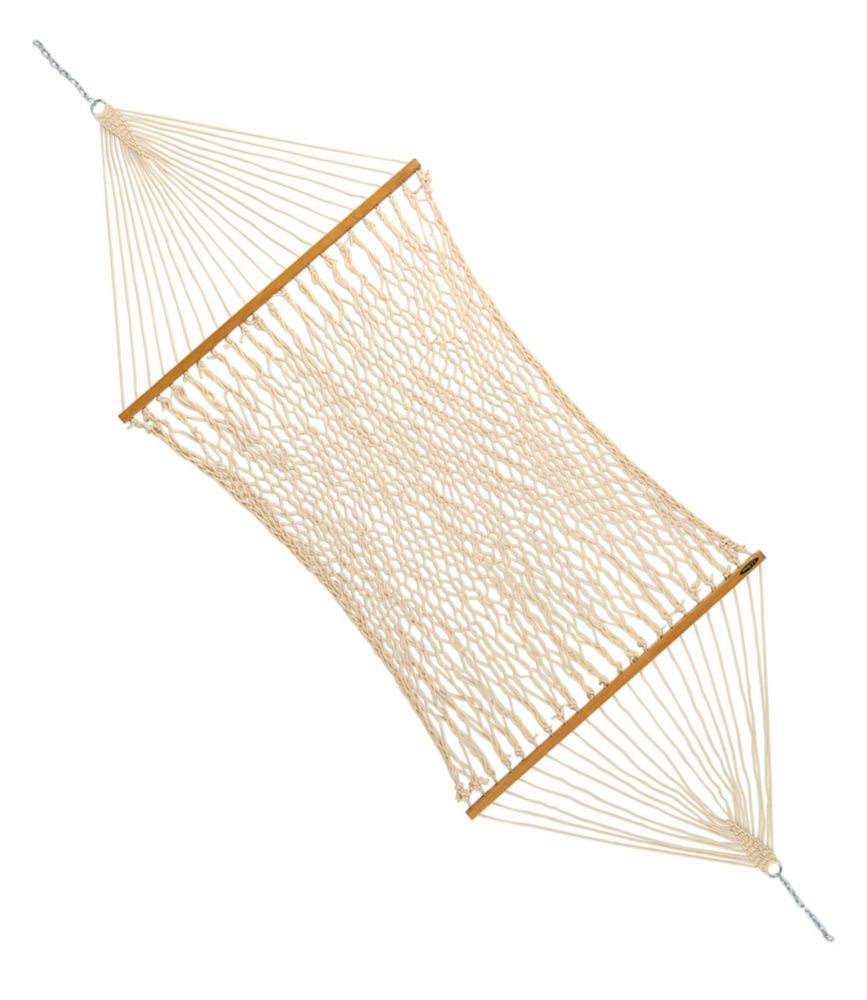
L.L.Bean Backyard Duracord 55" Hammock
A white DuraCord hammock with moisture-wicking, mildew-resistant fabric and weather-resistant oak spreader bars.
(28)
$280 $280
SALE
What customers like:
Attractive dark color
Durable construction
Easy to repair
$280 $280
SALE
ENO Travel Nest Hammock/Strap Combo
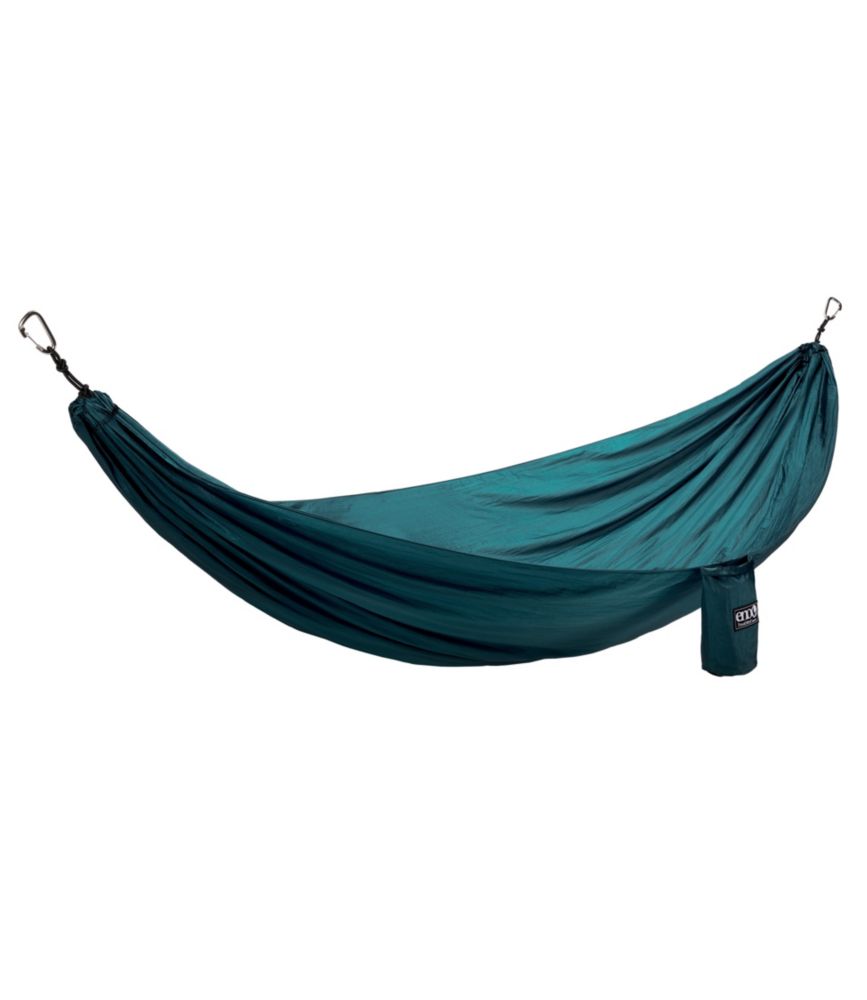
ENO ENO Travel Nest Hammock/Strap Combo
A blue nylon hammock with stainless steel carabiners, tree-friendly straps, and quick, no-knots-needed setup.
(0)
$54.95 $54.95
SALE
$54.95 $54.95
SALE
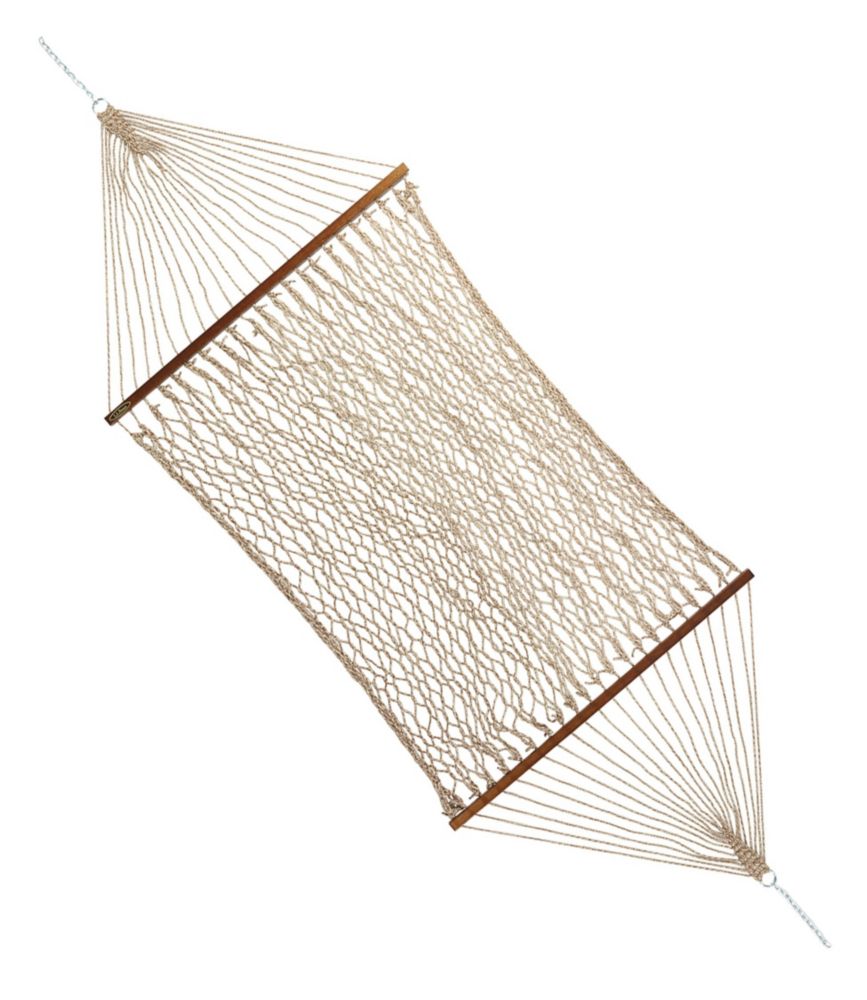
Backyard Duracord 55" Hammock, Marled
L.L.Bean Backyard Duracord 55" Hammock, Marled
A brown DuraCord hammock with mildew resistance, quick-drying comfort, weather-resistant oak spreaders, and steel hardware.
(0)
$280 $280
SALE
$280 $280
SALE

Tree Hammocks

Two trees, a hammock and a little time outside: the appeal of tree hammocks is easy to picture. Choosing one deserves a closer look at the details behind that familiar scene, from its proportions to the requirements for hanging it. The trees are part of the setting, not just the background, so the right choice begins with the space you actually have rather than a photograph of somewhere else. A favorite view between two trunks might draw the eye, but measurements and the manufacturer’s instructions belong in the decision, too. Tree hammocks also have a visual presence worth considering. Color, pattern and shape can make a hammock a noticeable feature or a quieter part of its surroundings, depending on your preference. Looking at both full views and detail images can help put those choices in perspective without letting appearance make the whole decision. Size descriptions deserve the same attention: the dimensions of the hammock itself and the space required to hang it are not interchangeable. Where separate measurements are provided for the hammock bed and its overall length, compare each with the corresponding information for another option. A photograph alone cannot establish scale, and a broad size label cannot replace the listed measurements. For someone choosing a first hammock, those distinctions help make the category less confusing; for someone replacing a familiar one, they help prevent assumptions based on an earlier design. Even knowing what you liked about a previous hammock is only a starting point, since its dimensions and setup requirements should not be transferred to another without checking. The most useful comparison brings the setting, the appearance and the product information together, giving each a place in the decision rather than asking any single detail to tell the whole story.

Materials, construction and fit are important considerations when comparing tree hammocks, but the individual product description is the place to establish those details. Read the stated composition alongside the care information rather than drawing conclusions from a fabric’s appearance in a photo. Close-up images may help explain a description, while written specifications provide the details needed for a meaningful comparison. The same approach applies to durability: look for documented construction information and follow the care requirements instead of treating a substantial appearance as proof of how something will hold up. Fit involves more than whether a hammock looks generously sized. Its listed dimensions, rated capacity and hanging requirements each answer a different question, and none should be used as a substitute for the others. A capacity rating does not describe the amount of space inside the hammock, just as overall length does not establish the required distance between trees. Check how each measurement is defined, especially when comparing descriptions that organize their information differently. It also helps to distinguish what is included with the hammock from anything the manufacturer requires separately. Product photographs can show a complete scene without explaining every part of the purchase, so the written contents and setup information deserve a careful read. Tree selection belongs in that same practical comparison. The presence of two trees does not, by itself, establish that a location is appropriate for hanging a hammock. Permission to use the trees, any applicable property rules and the manufacturer’s requirements all matter before settling on a choice. Follow the instructions for the individual hammock, including any specified spacing, hanging height and angle, rather than borrowing measurements from another design or relying on a general illustration. That attention keeps the shopping decision grounded in the actual product and location without assuming that every tree hammock calls for the same arrangement.

Care is another useful way to narrow a selection, particularly when two hammocks have a similar look. Review the cleaning directions, any stated storage requirements and the information supplied for the hammock’s different components. A care method remembered from another product is not necessarily the right one here, and material names alone do not provide a complete set of instructions. Consider how those requirements fit with the attention you are prepared to give the hammock over time. Keeping the original instructions accessible also makes it easier to revisit the setup and care details without depending on memory. For a replacement purchase, the same care applies to any existing components: compatibility should come from the manufacturer’s information, not a resemblance to what was used before. These practical considerations can be especially helpful when choosing a gift. A tree hammock may be a thoughtful choice for someone who has expressed an interest in one, but knowing their preferred look is only part of choosing well. The intended location, its permissions and measurements, and the recipient’s preferences all deserve consideration before making the selection. A gift feels more personal when it reflects what someone has actually mentioned wanting, rather than assumptions about their space. For a broader view of the category, explore Outdoor Hammocks, then return to the details that matter for a tree-hung design. Whether the starting point is a particular appearance, a measured space between trees or the wish to replace a well-known favorite, clear product information provides a useful basis for comparison. Tree hammocks have an uncomplicated appeal, but a thoughtful choice leaves room for both sides of the purchase: the scene that first caught your attention and the specific details that determine whether the hammock belongs there.

FAQs