It's time to upgrade your browser

Your current browser is no longer supported on llbean.com. Please upgrade to one of the following for a smoother, safer shopping experience with us:

Outdoor Hammocks

Explore outdoor hammocks to find the right fit for your outdoor space. As you browse the selection, check each hammock’s dimensions, hanging requirements and included hardware to help you compare options and know what you’ll need for setup.
Read More
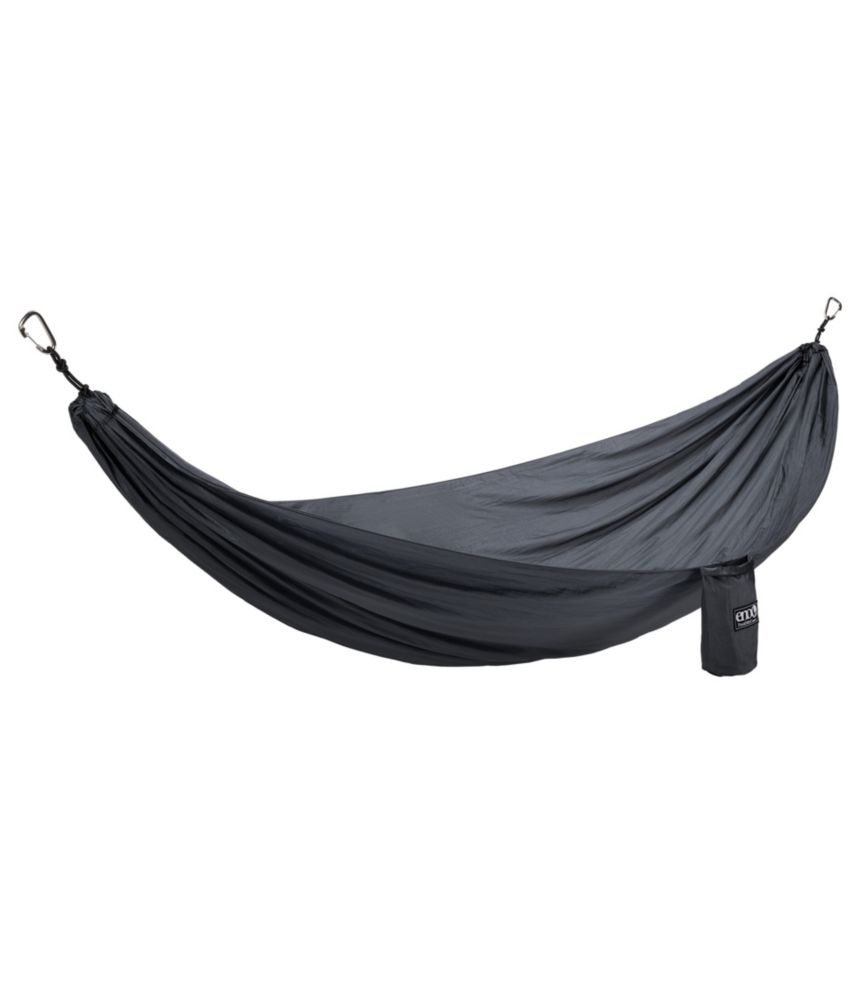
ENO Travel Nest Hammock/Strap Combo
ENO ENO Travel Nest Hammock/Strap Combo
An ultra-comfortable gray hammock with breathable nylon fabric, stainless steel carabiners, and easy no-knots setup.
(0)
$54.95 $54.95
SALE
$54.95 $54.95
SALE
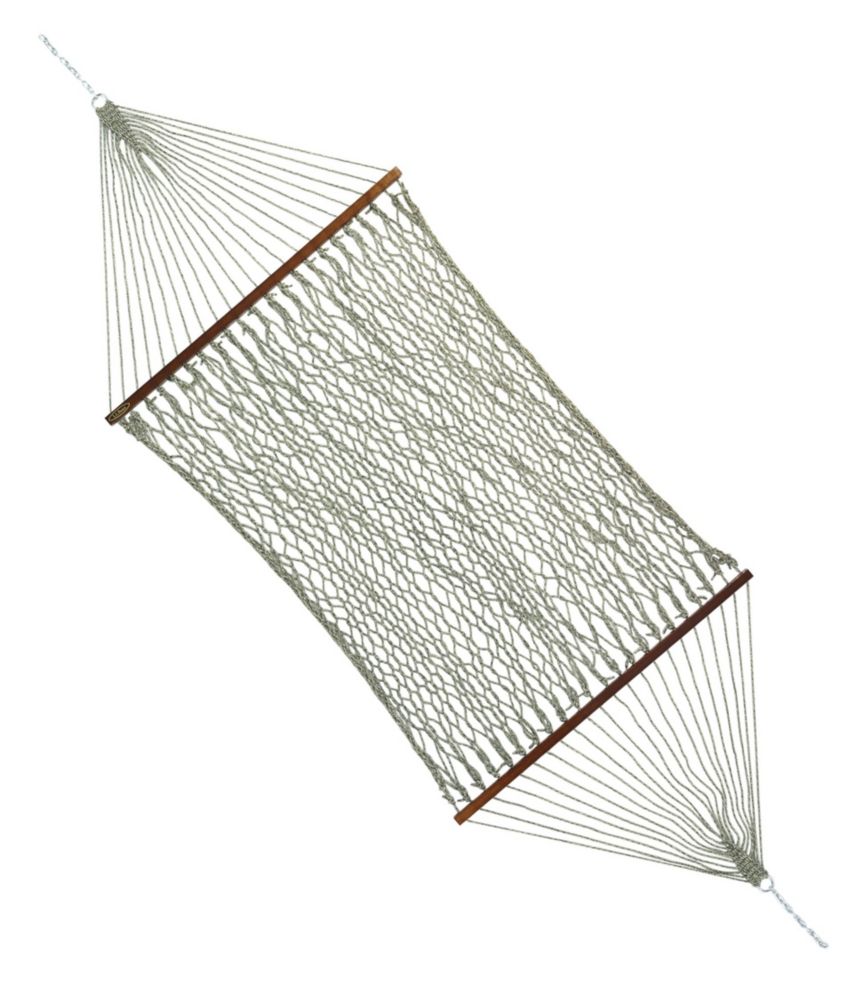
Backyard Duracord 55" Hammock
L.L.Bean Backyard Duracord 55" Hammock
A hunter green, mildew-resistant hammock made from moisture-wicking DuraCord for ultimate backyard comfort.
(28)
$280 $280
SALE
What customers like:
Attractive dark color
Durable construction
Easy to repair
$280 $280
SALE
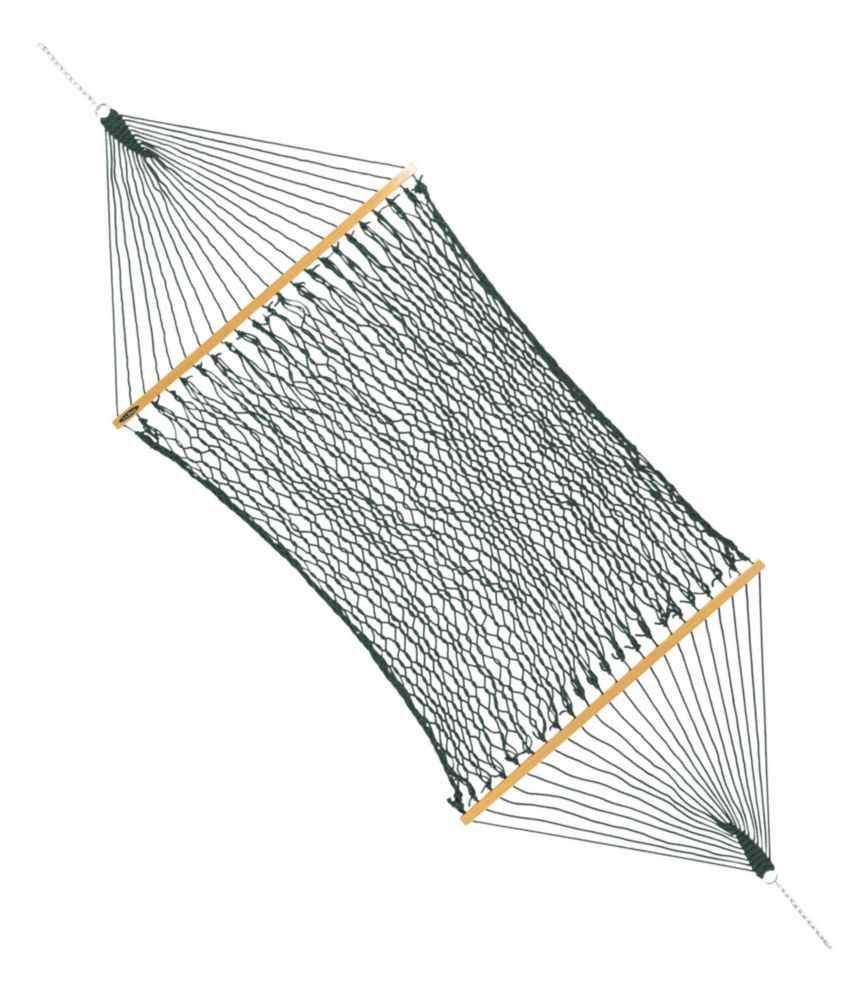
Backyard Duracord 55" Hammock, Marled
L.L.Bean Backyard Duracord 55" Hammock, Marled
A hunter green DuraCord hammock that resists mildew, stains, and fading for ultimate backyard comfort.
(0)
$280 $280
SALE
$280 $280
SALE

Outdoor Hammocks

Outdoor hammocks bring a familiar, inviting touch to an outdoor space, with a shape that feels as much a part of the setting as the trees, paths and favorite gathering places around it. There is something appealing about a corner of the outdoors that does not need a full schedule or a special occasion: a book left open at a favorite passage, conversation drifting over from nearby, a few quiet minutes between the day’s commitments. Choosing a hammock starts with that sense of place, then becomes a matter of finding the right match for the setting and the person who will use it. Consider how the hammock’s proportions will relate to its surroundings, whether its appearance should blend into the background or become a focal point, and how much space should remain open around it. An understated look can complement an already established outdoor arrangement, while a more noticeable design can give an otherwise overlooked corner some personality. Neither approach needs to be elaborate. The most satisfying choice often reflects the same preferences that shape the rest of a home: simple lines, thoughtful details and a style that feels personal rather than chosen to follow a trend. Outdoor hammocks also have a distinctive visual character, creating a sweeping line rather than the upright outline of conventional furniture. That difference is worth keeping in mind when comparing the scale and layout of an outdoor area. Look beyond an isolated photograph and picture the entire setting, including the route people take through it and the other elements that will remain nearby. A hammock should be considered as part of that larger arrangement, not simply as an object with an appealing appearance. Taking a little time to picture where it belongs makes the comparison more meaningful and keeps the focus on a choice that fits naturally into everyday life.

The details in an individual hammock’s description are the best starting point for a closer comparison. Dimensions, construction information, stated capacity and setup requirements provide more useful context than appearance alone. Check what each measurement describes; an overall length and the dimensions of the hammock itself may answer different questions, and neither should be treated as a substitute for the specified installation space. Likewise, follow the stated capacity rather than estimating it from a photograph or a general impression of size. Fit involves both the person and the setting, so keep personal preferences separate from the requirements given for the design. Someone may prefer a particular shape or proportion, but those preferences still need to be considered alongside the manufacturer’s directions. For another view of this familiar style, explore hanging hammocks and compare the individual descriptions with the space in mind. Before making a decision, establish what is included and what, if anything, the stated setup calls for separately. Compatibility should come from the product information, not an assumption that components can be mixed and matched. The same thoughtful approach applies to materials and care: read the listed composition and care directions for each hammock rather than relying on a general rule for the category. Cleaning methods, storage instructions and other maintenance details belong to the individual design. If those details are important to the decision, review them before choosing, just as carefully as the dimensions or appearance. Durability deserves that same attention to specifics. A substantial-looking design is not, by itself, evidence of how it should be maintained or how it will hold up over time. Construction details and the manufacturer’s instructions offer a firmer basis for comparison than broad labels or visual impressions. Keeping these practical points together makes it easier to evaluate each choice on its own terms, without letting one attractive detail stand in for the whole picture. It also helps distinguish personal taste from the requirements that determine whether a particular hammock is an appropriate match.

An outdoor hammock can be a thoughtful gift when it reflects a genuine interest in spending time outside, but it is worth knowing more than the recipient’s favorite color or decorating style. The available space, their preferences and the relevant setup requirements all matter. A person who takes pleasure in arranging an outdoor area may appreciate being involved in the choice, especially when dimensions and compatibility need to be confirmed. That small conversation can make a gift more personal, not less surprising: it shows attention to how someone lives rather than simply what looks appealing in a picture. For a shared household, consider whose preferences should shape the decision and avoid assuming that one person’s idea of the right size or style will suit everyone. A hammock chosen together can reflect a shared appreciation for the outdoors while still acknowledging individual tastes. Some people are drawn to an understated appearance; others enjoy a distinctive accent that gives a space its own character. The important point is to make the choice about the people and the place, rather than about an imagined occasion that may never come along. Outdoor spaces are part of ordinary life, too, with conversations that wander, familiar sounds in the background and moments that do not need much planning. A hammock can belong to that picture without turning the setting into something formal or elaborate. When narrowing the options, return to a few clear priorities: the appearance that feels right, the measurements that match the stated requirements, the construction details that matter to the buyer and the care routine described by the manufacturer. Let those specifics guide the decision instead of trying to find a single design that answers every possible preference. The result is a more considered way to choose an outdoor hammock, with equal attention to its place in the surroundings and the details behind its design. That balance keeps the appeal of time outside at the center while giving the practical questions the attention they deserve.
Read More

FAQs