It's time to upgrade your browser

Your current browser is no longer supported on llbean.com. Please upgrade to one of the following for a smoother, safer shopping experience with us:

Lightweight Camping Hammocks

Find lightweight camping hammocks for your next camping trip. Compare each option’s listed weight, dimensions and capacity to narrow your choices, and check setup requirements and included accessories so you know what else you may need.
Read More
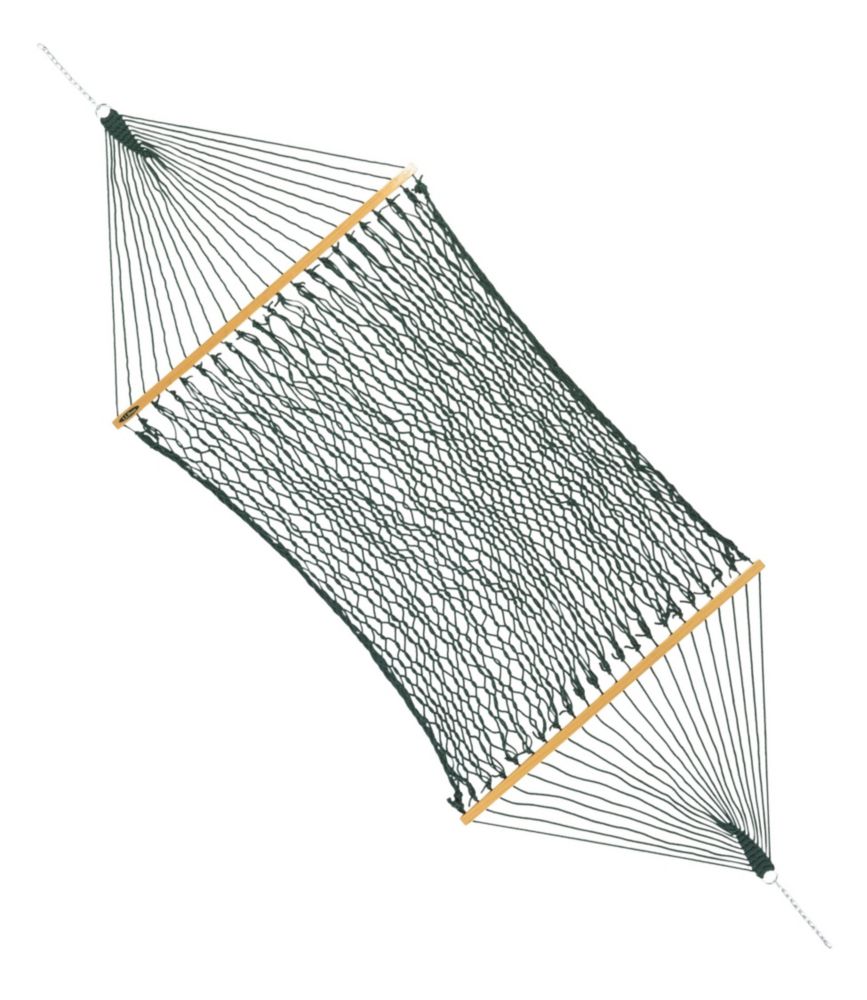
Backyard Duracord 55" Hammock
L.L.Bean Backyard Duracord 55" Hammock
A green DuraCord hammock with moisture-wicking comfort, weather-resistant oak spreaders, and rust-resistant hanging hardware.
(28)
$280 $280
SALE
What customers like:
Attractive dark color
Durable construction
Easy to repair
$280 $280
SALE
ENO Travel Nest Hammock/Strap Combo
ENO ENO Travel Nest Hammock/Strap Combo
A purple, breathable, fast-drying nylon hammock with stainless-steel carabiners and tree-friendly straps for effortless campsite setup.
(0)
$54.95 $54.95
SALE
$54.95 $54.95
SALE
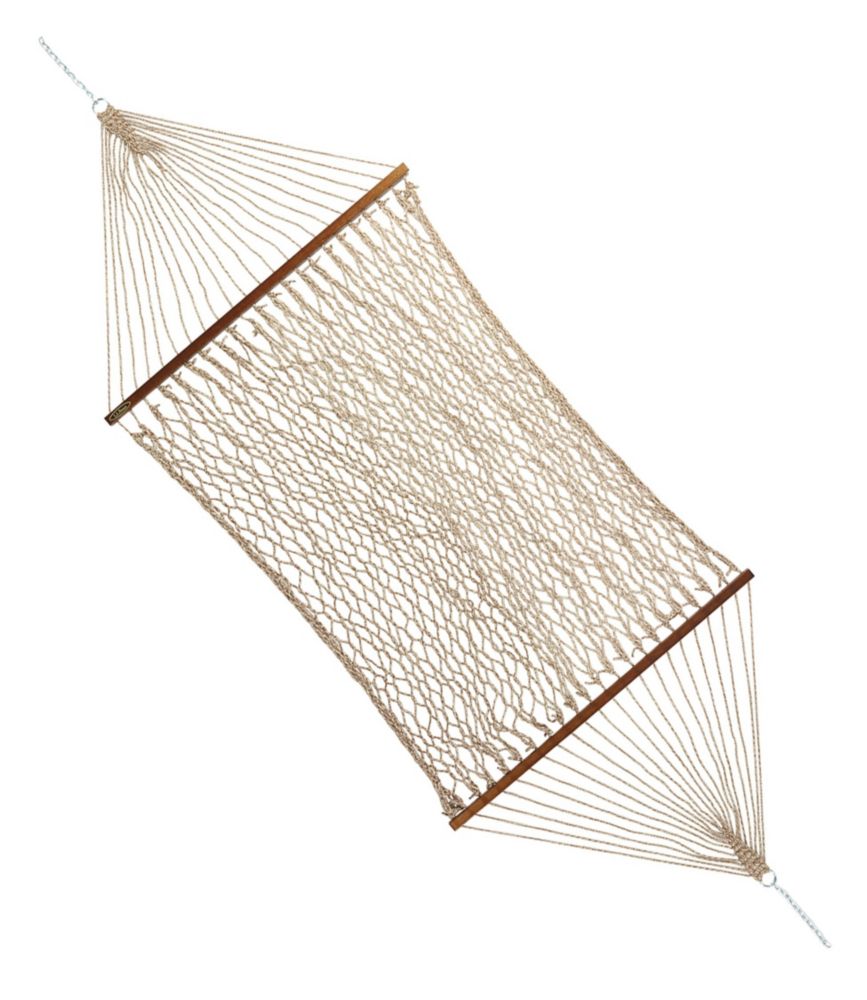
Backyard Duracord 55" Hammock, Marled
L.L.Bean Backyard Duracord 55" Hammock, Marled
A brown DuraCord hammock that resists mildew, stains and fading while drying quickly for comfortable lounging.
(0)
$280 $280
SALE
$280 $280
SALE

Lightweight Camping Hammocks

Lightweight camping hammocks put weight at the center of a familiar camping choice: what kind of hammock belongs in the camp setup? For some campers, the appeal starts with comparing ounces; for others, size and the details of the complete setup matter just as much. A useful comparison begins with the listed hammock weight and a clear understanding of what that measurement includes. The hammock itself, its storage bag and any required hanging components may be listed separately, so two weight figures do not necessarily describe the same combination of equipment. Looking at those details together gives a clearer picture than choosing by the lowest number alone. Packed dimensions are another separate consideration, especially when organizing camping gear into a bag or a shared vehicle. A weight measurement describes how heavy something is, while packed dimensions describe the space it occupies; neither replaces the other. Open dimensions matter, too. Length and width provide a starting point for comparing the hammock’s size with personal preferences and the manufacturer’s fit guidance. Labels such as single and double can help distinguish options, but they should not take the place of actual measurements, stated capacity or directions about the number of users. At a campsite, those choices become personal: one camper may pay closest attention to the space a hammock occupies in the gear bag, while another wants to study its dimensions before making a decision. Neither approach needs to be complicated. The most useful choice is one informed by the details that matter to the person using it, rather than by a label alone. Weight, size and the requirements of the intended camping location all deserve a place in that comparison. Together, they help turn a broad category of lightweight camping hammocks into a more manageable set of choices, without assuming every hammock has the same dimensions, comes with the same components or suits the same camper.

Materials, construction, care and durability deserve that same thoughtful attention. A material name is a starting point, not a complete description of how a hammock will perform, and lightweight should not be treated as a substitute for information about construction or maintenance. Fabric specifications, seam details and the manufacturer’s handling recommendations provide context for evaluating an individual design. Where those details are provided, they are worth reading alongside the weight rather than treating either one as the deciding factor. Durability is also a consideration that calls for specifics, not assumptions based on appearance. Construction information, use restrictions and inspection guidance can help clarify what to look for before putting a hammock into service. Care requirements belong in the decision from the beginning, particularly for campers who want to understand the routine that comes with their equipment. Cleaning and storage directions can differ, so the instructions supplied with the hammock should determine the method rather than a general rule borrowed from another piece of camping gear. After a trip, unpacking provides an opportunity to check the hammock and its components and follow the recommended care steps before storing everything away. The details of hanging a hammock also deserve attention before arriving at camp. A campsite with trees is not automatically a campsite where hammock use is permitted, and campground rules may specify whether or where hammocks can be hung. Manufacturer instructions establish the appropriate setup requirements; the setting alone cannot do that. Compatibility between the hammock and its required hanging components is another important distinction, as is whether those components are included or need to be considered separately. Stated weight limits and any directions explaining those limits should remain part of the comparison. These are practical details that connect the shopping decision to the camping experience: knowing what belongs in the setup, understanding the care it requires and checking whether the planned campsite allows its use. They keep the focus on the actual hammock and its documented requirements rather than on expectations created by a photograph or a category name.

Choosing among lightweight camping hammocks also involves the people and routines that make each camping trip different. A couple organizing shared gear may compare the complete setup with the rest of their equipment, while friends planning separate campsites may each have different preferences about dimensions and how much equipment to bring. An experienced camper might already have a clear idea of the specifications to compare; someone adding a hammock to their camping equipment for the first time may place more importance on understanding the included components and reading the setup directions. Both approaches begin with the same useful habit: looking beyond the category label to the information provided for each hammock. The campsite itself brings another layer of context. There may be a picnic table at the center of camp, equipment arranged near the tent and a designated area where hammock use is allowed. Thinking through that arrangement helps distinguish a hammock choice from the other equipment decisions that go into camp. For a different seating format, Lightweight Camping Chairs are another category to explore when considering the camp layout. The choice between categories can start with personal preference and the location’s rules, without assuming either format belongs at every campsite. A hammock can also be a thoughtful gift for an adult who enjoys camping, especially when the recipient’s preferences are already familiar. Knowing the dimensions they favor, the equipment they already own and the places they tend to camp makes the selection more personal. When those details are less certain, clear specifications and care information offer a better basis for choosing than guessing from the word lightweight. The goal is a considered addition to someone’s camping equipment, not simply another thing to pack. Whether the decision is for a gift, a shared camp setup or personal camping gear, the strongest comparison brings weight, dimensions, documented construction, care requirements and setup details together. That approach leaves room for individual preferences while keeping attention on the information that matters before the next camping trip.
Read More

FAQs