It's time to upgrade your browser

Your current browser is no longer supported on llbean.com. Please upgrade to one of the following for a smoother, safer shopping experience with us:

Spring Knit Dresses

Find spring knit dresses with timeless style for your seasonal wardrobe. Browse the selection and compare fit, length and care details on each product page to choose a knit dress that feels right for you.
Read More
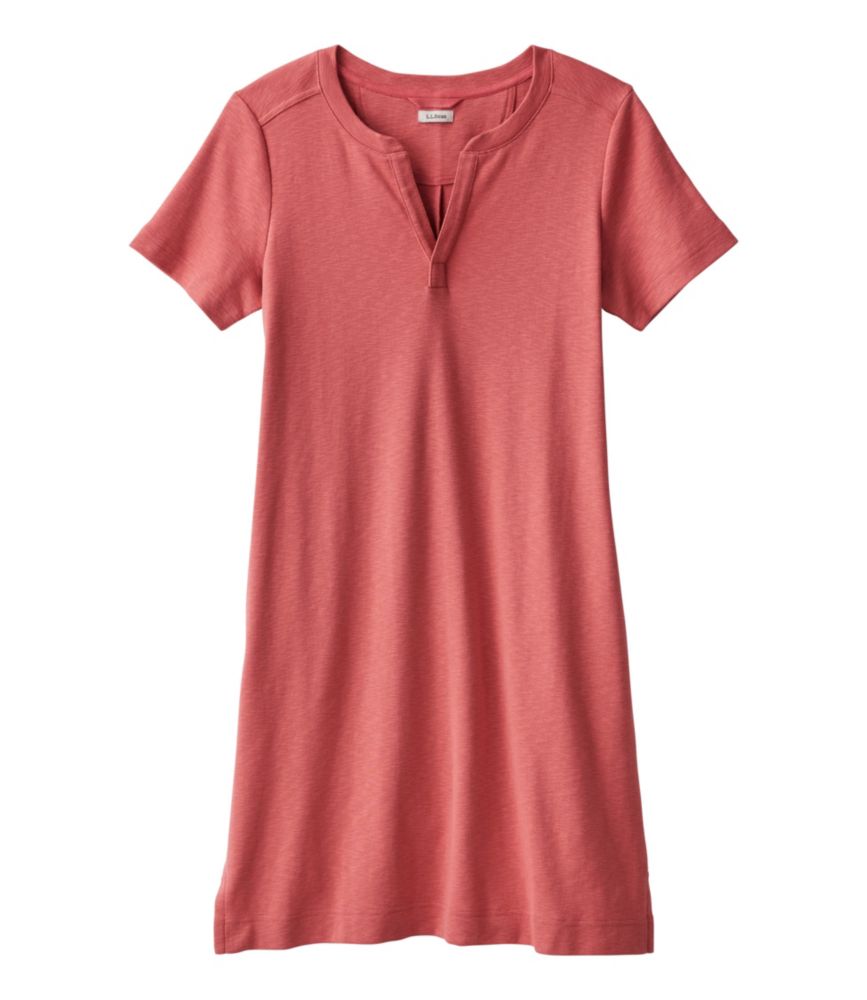
Women's Rocky Coast Slub-Knit Splitneck Dress
L.L.Bean Women's Rocky Coast Slub-Knit Splitneck Dress
An orange cotton slub t-shirt dress with a split neck, side pockets, and knee-length fit.
(0)
$69 $33.99
SALE
$69 $33.99
SALE
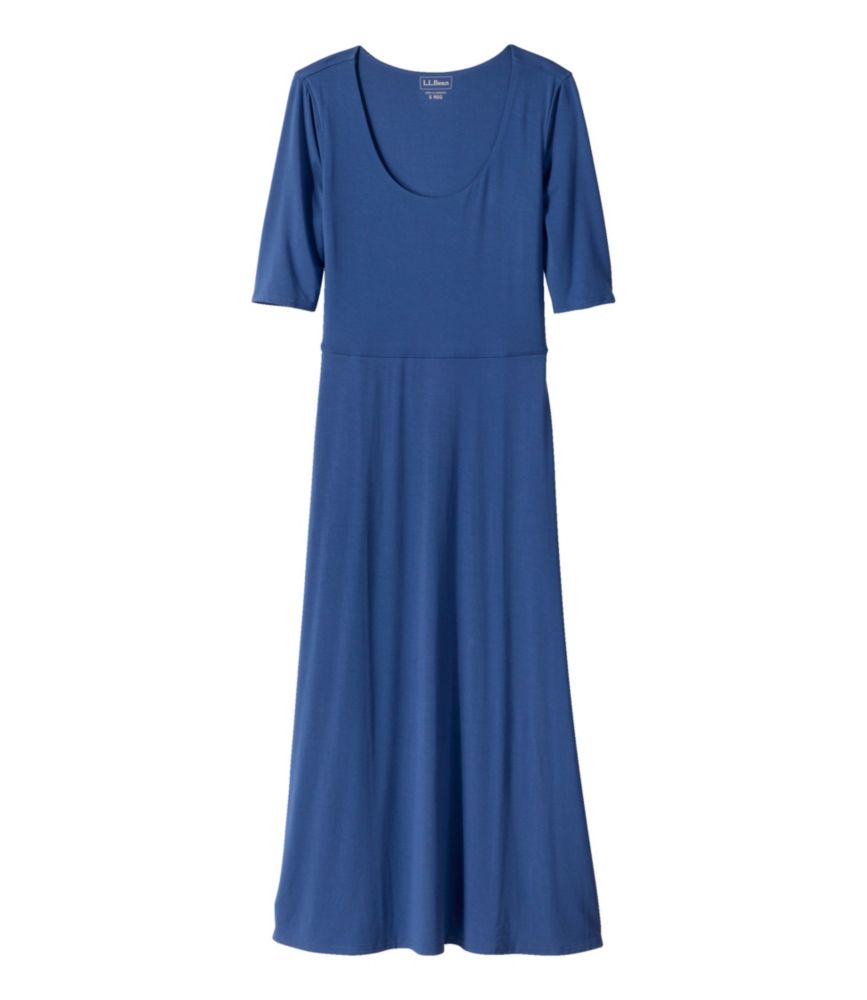
Women's Summer Knit Dress, Three-Quarter-Sleeve Scoopneck
L.L.Bean Women's Summer Knit Dress, Three-Quarter-Sleeve Scoopneck
A blue, three-quarter-sleeve midi dress in soft, stretchy rayon-spandex jersey for versatile comfort.
(0)
$59.95 $39.99
SALE
$59.95 $39.99
SALE
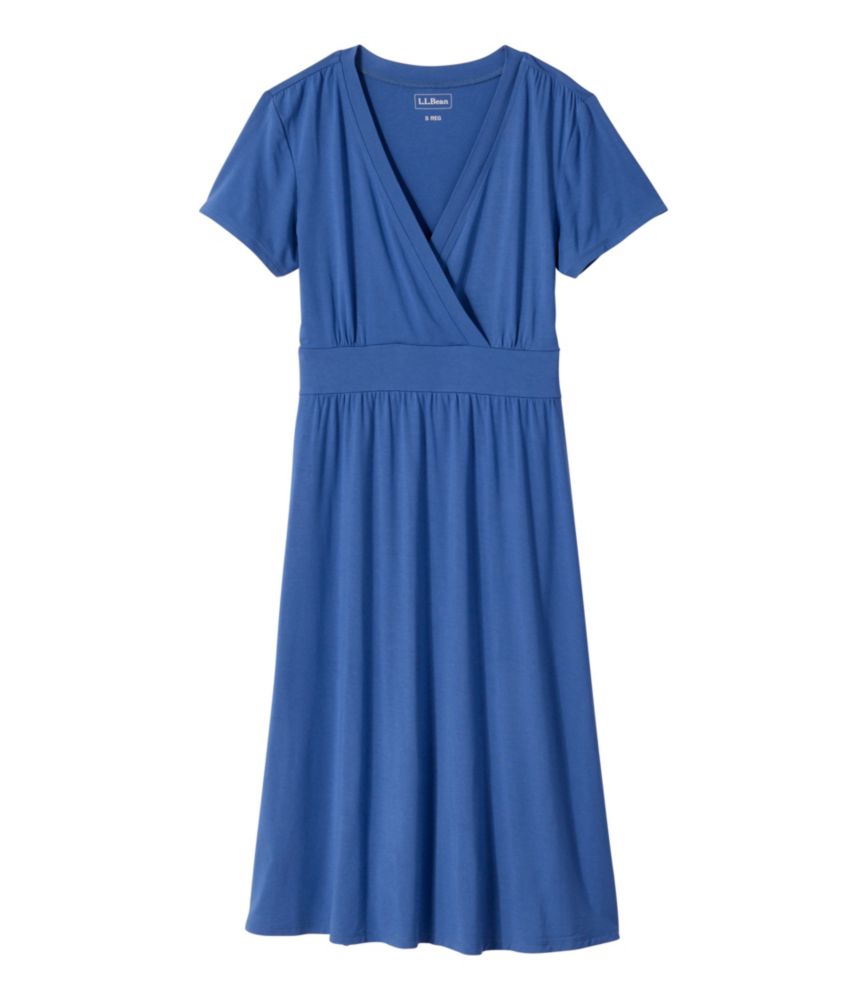
Women's Summer Knit Dress
L.L.Bean Women's Summer Knit Dress
A versatile blue A-line dress in soft, stretchy jersey-knit with a flattering faux-surplice design.
(627)
$54.95 $34.99
SALE
$54.95 $34.99
SALE
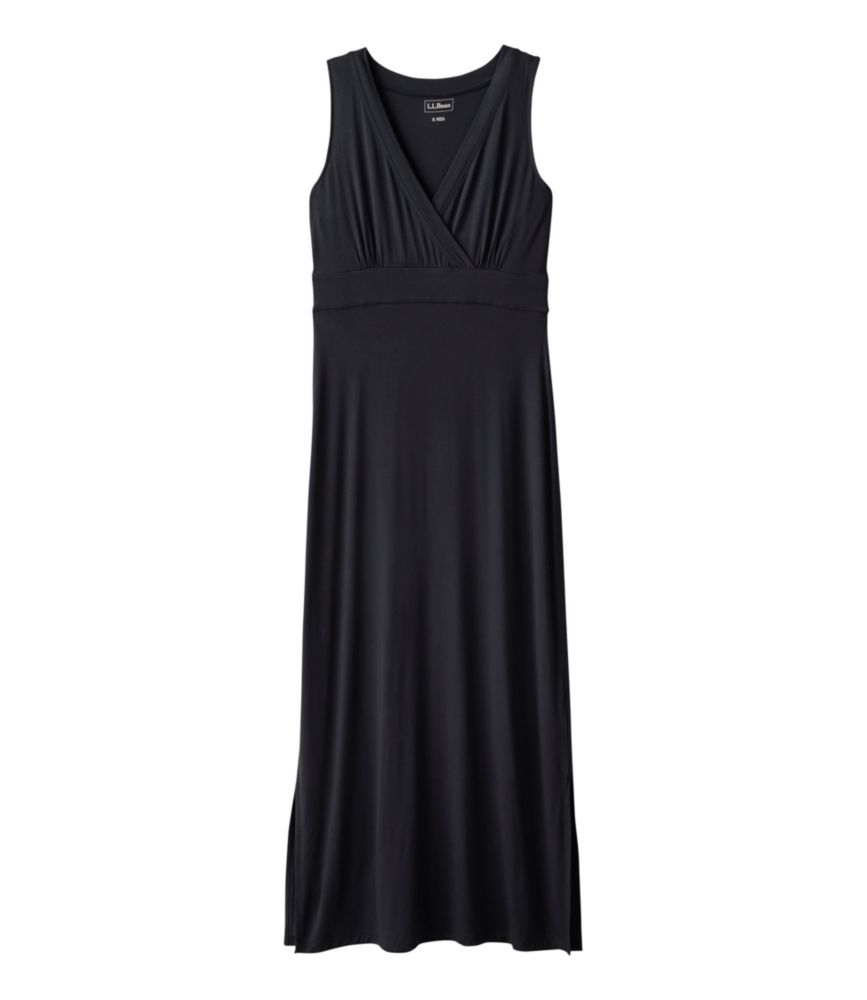
Women's Summer Knit Maxi Dress
L.L.Bean Women's Summer Knit Maxi Dress
A versatile black maxi dress with a flattering fit-and-flare silhouette in soft jersey-knit fabric.
(0)
$59.95 $29.99
SALE
$59.95 $29.99
SALE
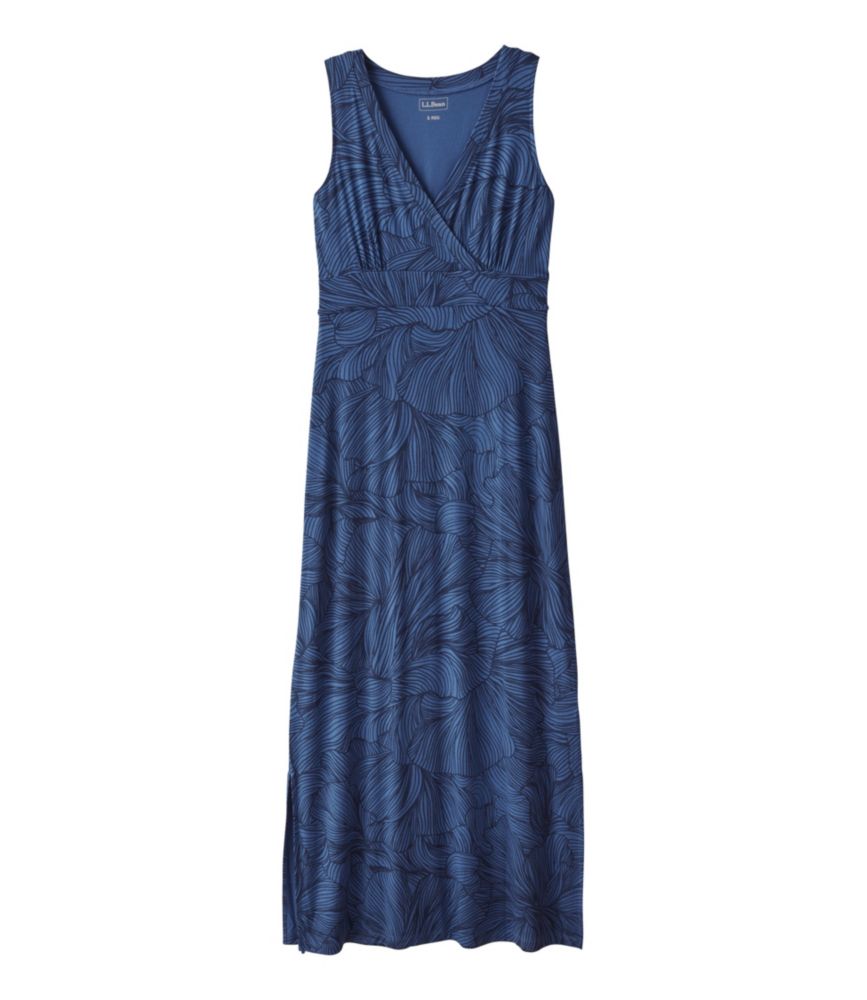
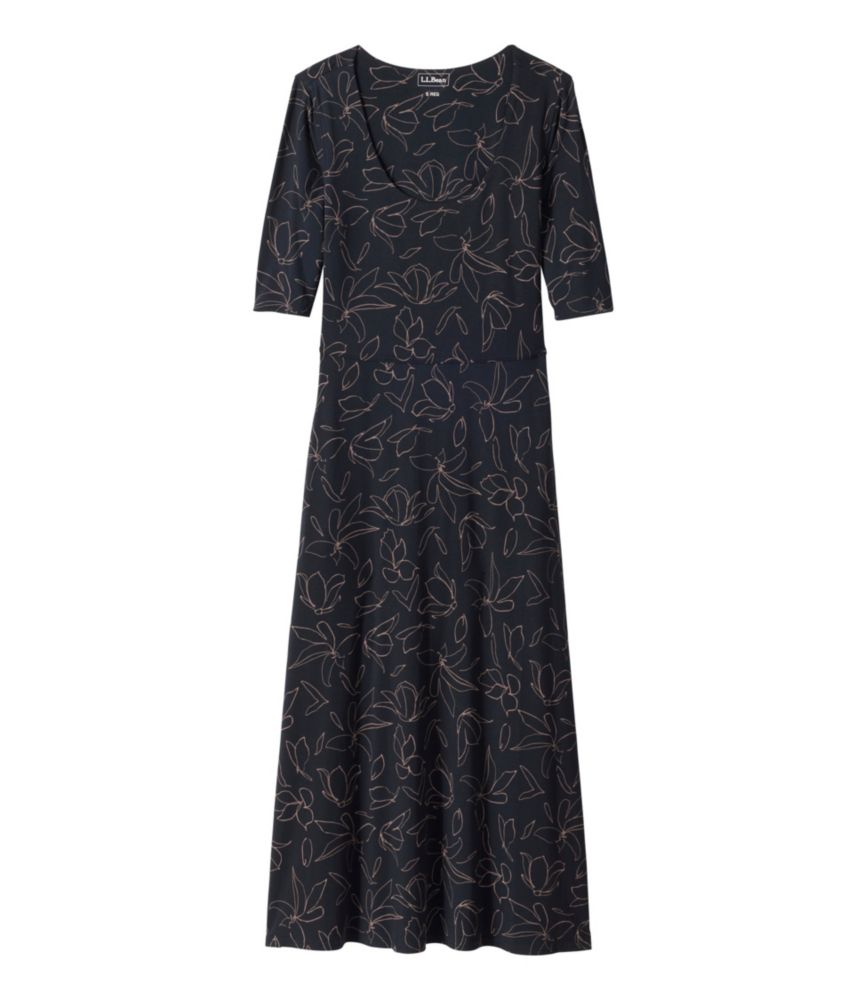
Women's Summer Knit Maxi Dress, Print
L.L.Bean Women's Summer Knit Maxi Dress, Print
A versatile blue print maxi dress with a flattering fit-and-flare silhouette and soft jersey-knit fabric.
(0)
$69 $33.99
SALE
$69 $33.99
SALE

Spring Knit Dresses

Spring knit dresses offer a starting point for a wardrobe shaped by personal style rather than passing trends. The appeal begins with the simplicity of a dress: one piece establishes the main line of an outfit, leaving room for individual choices in shoes, layers, and accessories. Within that familiar outline, proportion makes a meaningful difference. A defined waist creates a different impression from a straighter silhouette, while a wider skirt changes the balance between the upper and lower halves of the dress. Neither approach is inherently better; the right choice depends on the lines and details that feel most natural to the person wearing it. Length deserves the same attention. A hem that looks just right in a photograph may fall differently depending on height and body proportions, so the listed measurements matter more than the image alone. Comparing those measurements with a favorite dress can make the decision more concrete. Lay that familiar dress flat, note its length and width, and use those numbers alongside the size chart rather than relying only on the size printed inside the neckline. Consider where the waist falls, how much room feels right through the hips, and whether the shoulder placement matches the preferred silhouette. A closer fit and a more relaxed fit can each look thoughtfully chosen when the proportions suit the wearer. Necklines and sleeves also contribute to the overall character of a dress, especially when deciding which details should draw the eye. A simple neckline might leave room for a favorite necklace, while a more prominent neckline may need little else. These are small distinctions, but they help separate a dress that merely looks appealing in a picture from one that feels like a natural addition to an existing wardrobe. Spring provides the theme; personal taste gives it direction.

Knit is an important part of the description, but it does not tell the whole story of a dress. The term describes how the fabric is constructed, not a single fiber composition or an identical feel across every design. For that reason, the fabric information on each dress is worth reading closely. Look for the stated composition, any description of the fabric’s texture, and details that clarify its structure rather than assuming all knits will behave alike. Photographs can help show the outline, but they cannot answer every question about how a fabric feels in hand. Fit descriptions, garment measurements, and construction details provide additional context. Seams, waist placement, and the shape of the skirt all deserve consideration alongside the fabric itself. If a particular detail matters, such as a pocket or a lining, confirm it in the description instead of inferring it from the photograph. Care is another useful point of comparison, especially when the goal is to choose clothing that fits an established routine. Check the complete care directions before making a decision, including the instructions for washing, drying, and any finishing steps. Do not assume one knit dress can be treated the same way as another simply because they share a category name. Once a dress becomes part of the wardrobe, following its own care label is the clearest approach. Long-term value also involves more than an initial impression of the fabric. Consider the quality of the construction, how the garment fits, and whether its details are likely to remain personally appealing beyond a single season. No category name alone establishes durability, and no photograph can promise how a dress will look after repeated wear. Clear product information offers a better basis for comparison. A well-considered choice brings those practical details together with the less measurable qualities that make a garment a favorite: a pleasing neckline, a balanced silhouette, or a shape that simply feels familiar.

Building a wardrobe around spring knit dresses does not require starting over with everything else in the closet. Begin with familiar pieces and notice how their proportions might relate to a dress under consideration. The length of a cardigan, the shape of a shoe, or the scale of a bag can shift the overall impression without changing the dress itself. A shorter outer layer leaves more of the waist and skirt visible; a longer one creates another vertical line. A small accessory keeps attention on the dress, while a larger piece becomes more of a focal point. Thinking through these relationships is more helpful than imagining an entirely new outfit for every possible choice. Picture the dress beside the shoes already worn most often, or against the jacket that hangs nearest the door. Consider whether the neckline would sit neatly beneath that jacket and whether the two hemlines create a balance that appeals. This kind of comparison can remain useful as the weather changes, without treating a seasonal name as a reason to put personal preferences aside. Those comparing categories by occasion can also explore spring work dresses, keeping the same attention on individual garment details and fit. When choosing a dress as a gift, familiarity with the recipient’s preferences matters more than guessing at a new style. A known size is a starting point, but preferred length, sleeve shape, and silhouette can be just as important. Someone who consistently chooses a straight outline may appreciate a different cut from someone who favors a clearly defined waist. Care preferences deserve attention, too; a thoughtful gift should account for how the recipient likes to look after clothing. Whether selecting for someone else or adding to a personal wardrobe, allow those ordinary details to guide the choice. The strongest connection is often to something specific and recognizable: a hem at a favorite length, an uncluttered shape, or a design that belongs alongside pieces already enjoyed. Those are the qualities that give a collection of spring knit dresses lasting relevance beyond its seasonal theme.
Read More

FAQs