It's time to upgrade your browser

Your current browser is no longer supported on llbean.com. Please upgrade to one of the following for a smoother, safer shopping experience with us:

Green Spring Dresses

Find green spring dresses for your seasonal wardrobe, with styles to explore in one place. Compare silhouettes, lengths and sizing in each dress’s product details to narrow the selection to the look and fit you prefer.
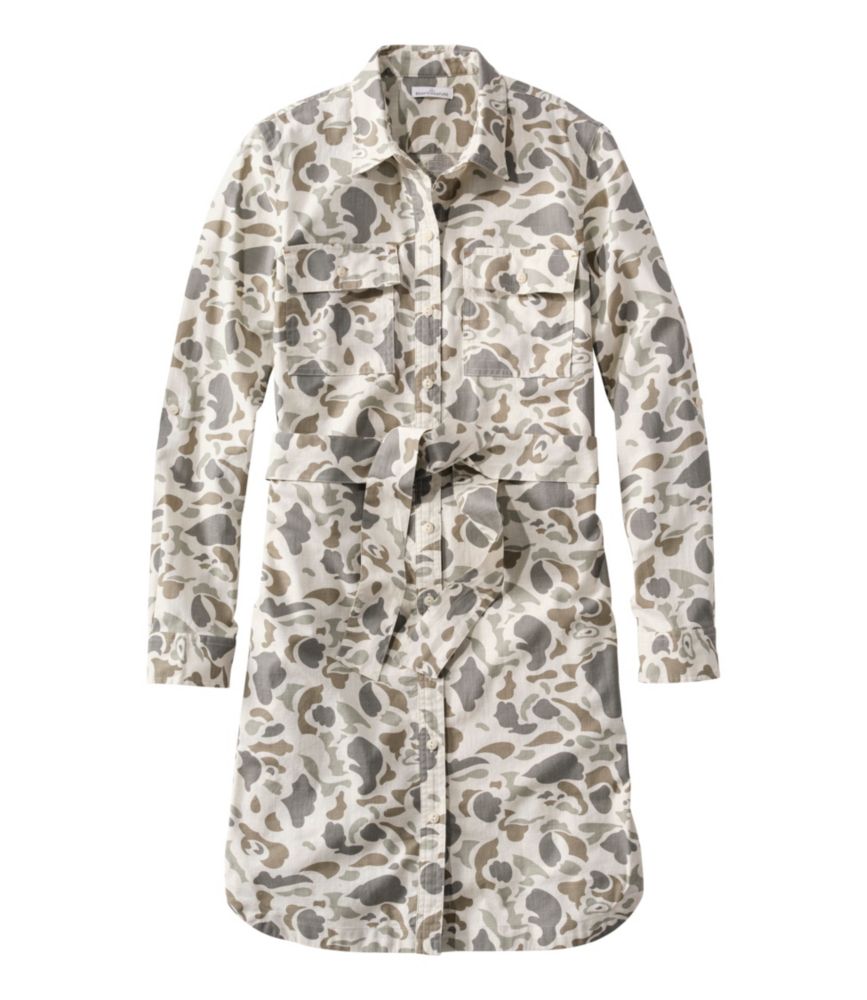
Women's Signature Camp Shirt Dress, Button-Front
L.L.Bean Women's Signature Camp Shirt Dress, Button-Front
A green cotton shirt dress with a removable belt, pockets, roll-tab sleeves, and breathable slub texture.
(191)
$119 $39.99
SALE
What customers like:
Simple yet chic
Timeless appeal
Elegant
Stylish design
High-quality fabric
$119 $39.99
SALE
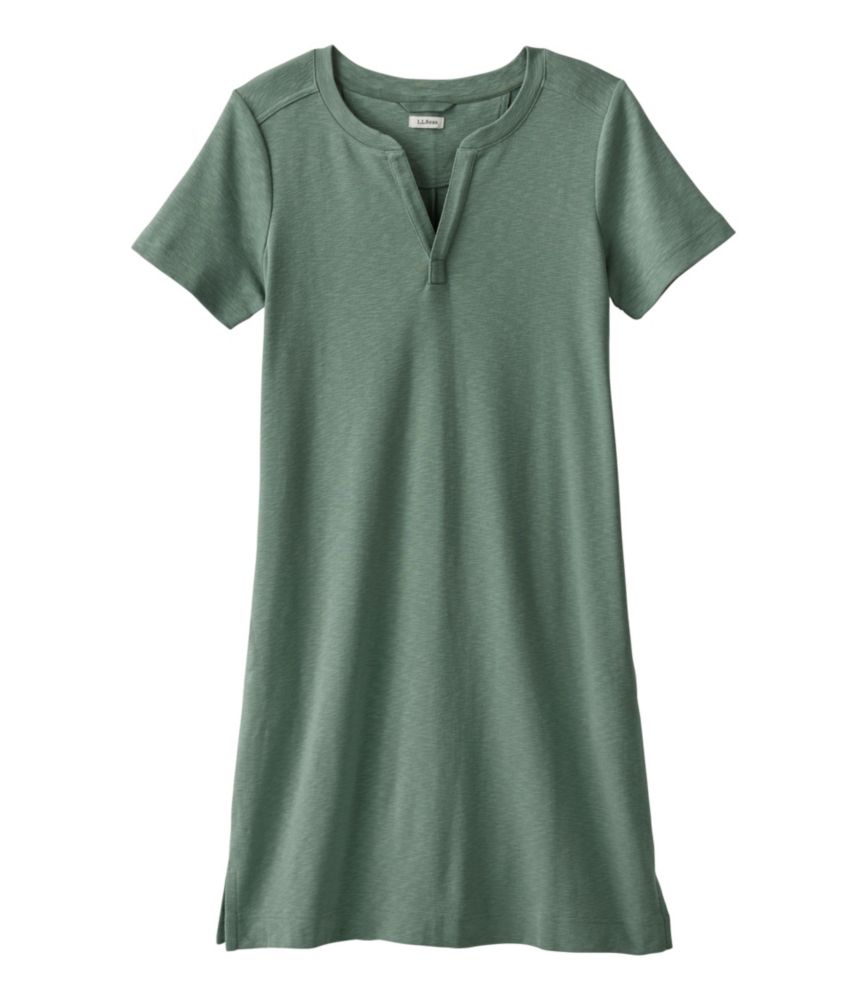
Women's Rocky Coast Slub-Knit Splitneck Dress
L.L.Bean Women's Rocky Coast Slub-Knit Splitneck Dress
A versatile green t-shirt dress in soft cotton slub with side pockets and a split neck.
(0)
$69 $33.99
SALE
$69 $33.99
SALE
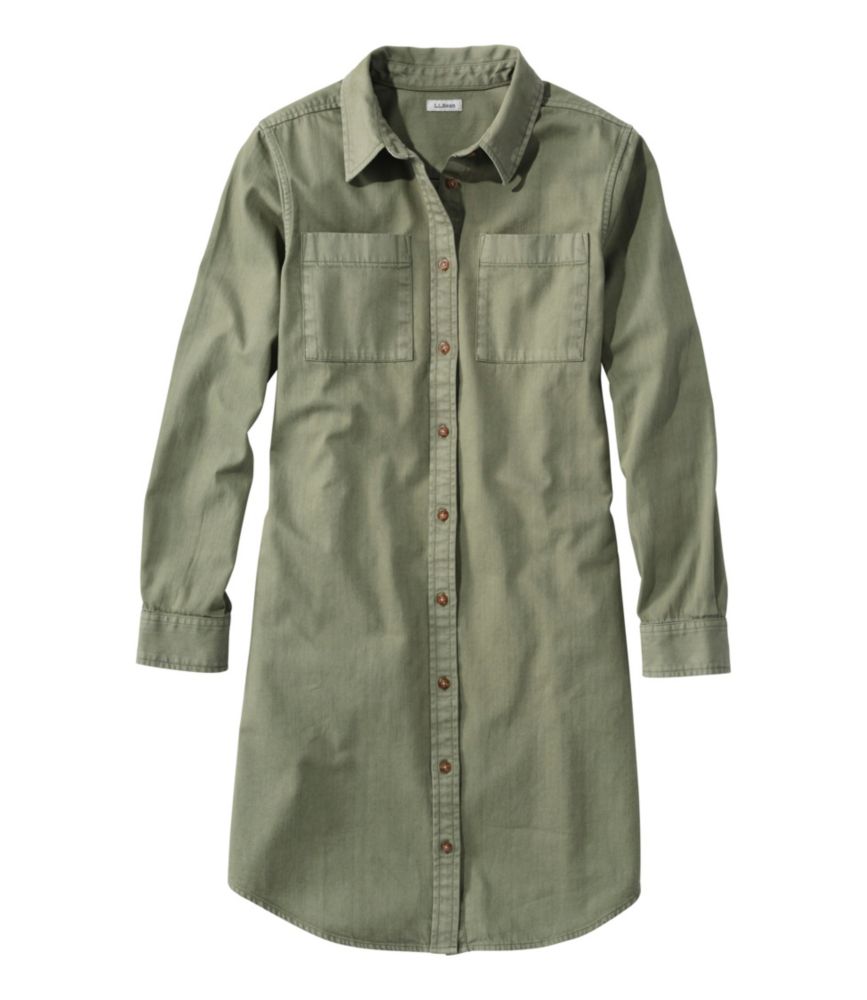
Women's L.L. Bean Heritage Washed Denim Shirt Dress, Garment-Dye
L.L.Bean Women's L.L. Bean Heritage Washed Denim Shirt Dress, Garment-Dye
A green garment-dyed cotton shirt dress with soft-washed denim, relaxed fit, pockets, and a tulip hem.
(0)
$99 $49.99
SALE
$99 $49.99
SALE
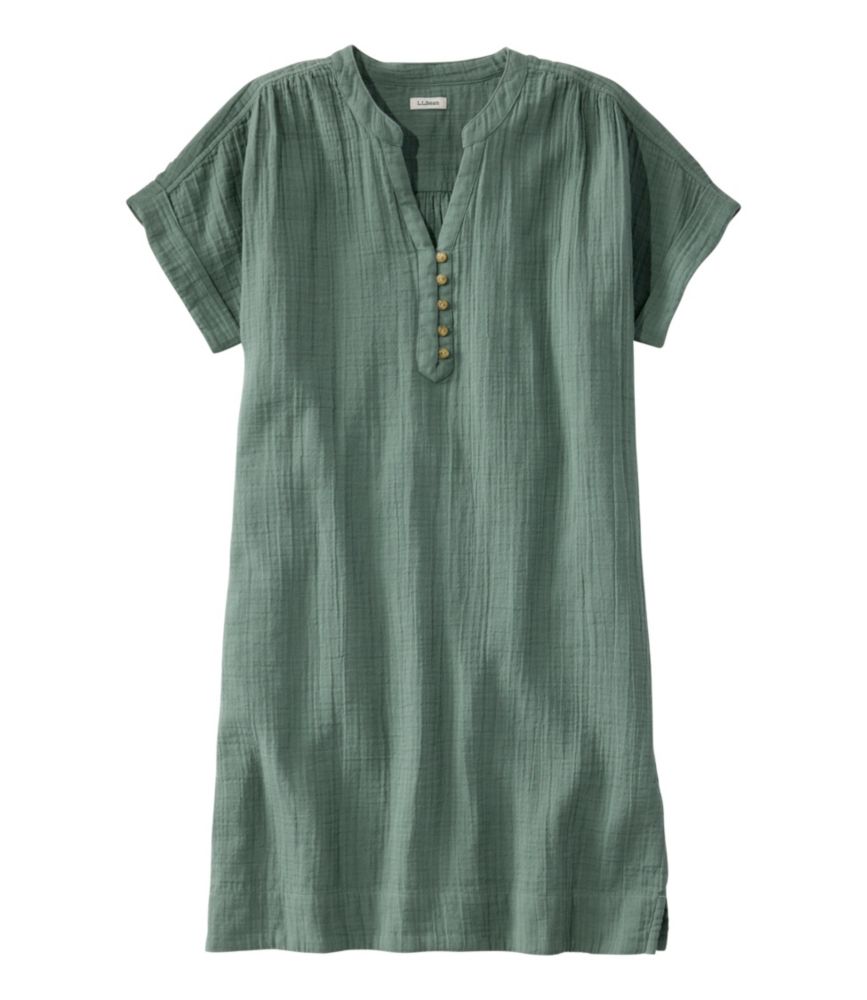
Women's Cloud Gauze Short-Sleeve Shift Dress
L.L.Bean Women's Cloud Gauze Short-Sleeve Shift Dress
A green 100% cotton gauze shift dress with a crinkled texture, Henley neckline, pockets, and side slits.
(0)
$69.95 $44.99
SALE
$69.95 $44.99
SALE

Green Spring Dresses

Green spring dresses bring a nature-inspired point of view to a seasonal wardrobe, with color at the center of their appeal. Green can read quiet and understated or rich and expressive, depending on its depth and the colors around it. A pale green suggests a different mood from a deep, leafy shade, even when the dress shapes are similar. That variety makes personal color preference a useful starting point: some people gravitate toward gray-toned greens, while others prefer a clearer or more saturated color. There is no single shade that defines a spring dress. The appeal comes from finding a green that feels familiar enough to enjoy wearing, yet distinct enough to add something meaningful to a wardrobe. Nature offers plenty of reference points, from the soft color of an unfurling leaf to the deeper green of an evergreen branch. Those associations give the color its seasonal character without requiring a floral pattern or decorative detail. When comparing dresses, it helps to consider the whole design rather than color alone. The neckline, sleeves, waistline and skirt shape each influence whether the overall impression is simple, tailored or more expressive. A solid color can draw attention to those lines, while a pattern makes its scale and arrangement part of the dress’s character. Product photographs are especially useful for noticing where details sit and how prominent they appear from different angles. Green also has a different effect beside white, navy, cream or other greens, so the colors already represented in a wardrobe can provide a practical point of reference. Rather than choosing a shade simply because it feels seasonal, the more lasting choice is often the one that reflects an established preference. A spring wardrobe can feel personal and cohesive without following a single color formula, and a green dress can be part of that individual approach.

Fit gives that color a shape, and the details that matter most are often quite specific. Two dresses in the same labeled size may have different measurements, proportions or intended silhouettes, so the size chart and individual description deserve a close look. Bust, waist and hip measurements offer more useful information together than any one measurement on its own. Dress length matters just as much: a hem shown at a particular point on a model may fall elsewhere on someone of a different height. Checking the listed length against a dress that already fits well can make that measurement easier to picture. The same comparison can help clarify preferences for sleeve length, neckline depth and the position of the waist. Some people like definition through the middle, while others prefer a less shaped outline; neither preference needs to be tied to a rule about body type. The important distinction is between the silhouette a dress is designed to have and the fit the wearer actually wants. Details such as a closure, a seam or a change in skirt shape are worth noticing because their placement contributes to the overall proportions. Where photographs show the front, back and side, those views can provide a fuller understanding than the main image alone. A familiar dress can also serve as a reference for details that are harder to judge from a size label, including the width across the shoulders or the amount of room preferred through the torso. These are personal considerations, not a reason to favor one dress shape over every other. Green spring dresses leave room for individual style, whether that means an uncluttered outline, a more defined waist or a preference for particular lengths. For a related seasonal dress category, explore Spring Work Dresses. Keeping color, proportions and personal preferences in view makes comparisons more useful than relying on a style name alone.

Fabric information, construction details and care requirements round out the picture, but each needs to be checked for the individual dress rather than assumed from its appearance. A photograph can communicate color and shape; it cannot provide a complete account of fabric composition, feel or upkeep. The stated fabric content and care instructions are therefore important parts of the product description, especially for someone who already knows which care routines fit comfortably into daily life. Preferences differ here, too. A dress that suits one person’s approach to clothing care may not suit another’s, regardless of how much both people like the color. Reading the care information before choosing helps set clear expectations without treating every spring dress as though it has the same requirements. Any listed construction details can also help explain how the design comes together. Seams, hems, closures and finishing are useful points of comparison when that information is provided, rather than details to infer from a general description of the category. Durability deserves the same individual attention: neither a green shade nor a spring label establishes how a dress will hold up over time. Following the supplied care directions keeps maintenance decisions grounded in the garment’s actual requirements. For a dress chosen as a gift, knowing the recipient’s preferred size, usual dress length and favorite shades of green is more helpful than guessing from appearance alone. Familiarity with their care preferences matters as well. The thoughtful choice is not necessarily the most decorative one, but the one that reflects what they already enjoy wearing. Across all these considerations, the appeal of green spring dresses remains straightforward: a distinctive color, a seasonal connection and the opportunity to choose a silhouette that feels like a natural part of a personal wardrobe. Attention to the individual details keeps that choice grounded in more than the first impression of a photograph.

FAQs